

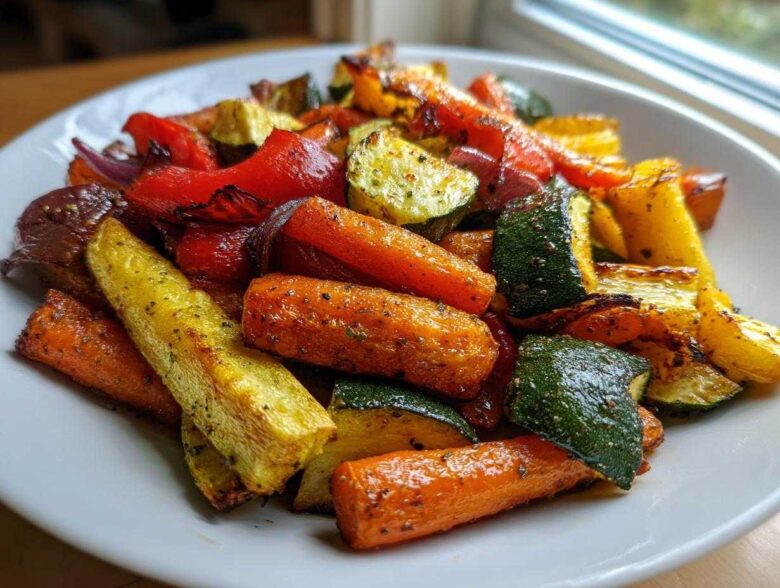
Oh, you know how heartbreaking it is when you pull a tray of what *should* be beautiful, crispy goodness out of the oven, only to find sad, steamed, soggy vegetables? Ugh, don’t even talk to me about that mush! David—my resident technician—and I spent months getting over that particular kitchen trauma. We realized that making truly incredible roasted vegetables isn’t about the *vegetables* themselves; it’s all about technique! We mapped out every messy failure until we perfected it—you can read a bit more about our whole chaotic journey over on our About Us page. This guide is our absolute secret weapon; it guarantees you’ll get perfectly caramelized, beautifully crisp edges every time you try our roasted vegetables method. Trust me, you’re going to wonder why you ever cooked them any other way.
Why This Is the Ultimate Guide to Perfectly Seasoned Roasted Vegetables
Okay, why should you trust David and me on this? Because we’ve been there—standing over bland, wet heaps of vegetables, wondering where we went wrong. This isn’t just another easy roasted vegetables recipe; this is the technical blueprint that solves all the common disasters. We refined every tiny detail so you don’t have to experiment past the point of frustration!
Key Benefits of Our Roasted Vegetables Technique
- Forget mush! We unlock the secret to making roasted vegetables not mushy by focusing solely on moisture removal.
- You get that glorious texture: tender centers and genuinely crispy roasted vegetables with fantastic, caramelized edges.
- The seasoning blend we share is absolutely spot-on—it makes even the plainest carrots taste like they’re having a party.
- This method is hands-off, making these the perfect addition to any busy weeknight schedule!
Gathering Ingredients for Delicious Oven Roasted Vegetables
Alright, let’s get down to the good stuff: the ingredients! David always jokes that gathering everything is half the battle, but honestly, if you have the right stuff, the actual cooking is just assembly work. This core list is what we use for our perfect roasted vegetables, whether we’re aiming for a simple side or a big roasted vegetable medley.
Ingredient List for Roasted Vegetables
- 3 lbs mixed seasonal vegetables, washed and cut into uniform 1-inch pieces
- 3 level tablespoons olive oil
- 1 teaspoon kosher salt
- 1/2 teaspoon black pepper
- 1 teaspoon garlic powder
- 1/2 teaspoon dried oregano
- Optional: 1 tablespoon maple syrup for glaze
Ingredient Notes and Substitutions for Your Roasted Vegetable Medley
See how simple that is? Now, here are my quick notes on getting the best results. Since we are focusing on technique as much as flavor, the *cut* of your vegetable matters way more than the exact veggie in some cases. For seasonality, swap in whatever looks best at the market—Brussels sprouts, sweet potatoes, or even fennel work great! If you are making this entirely plant-based, fantastic, this is inherently a great recipe for vegan roasted vegetables already. We only added maple syrup as an optional shiny extra for that sweet caramelizing effect.
How to Roast Vegetables Perfectly: Step-by-Step Instructions
Okay, deep breath. This is where the magic—and most of the science—happens. If you want to know how to roast vegetables perfectly, you need to treat the oven and the moisture content like an opponent you have to defeat. David insists that the temperature and space you give the veggies are non-negotiable. When we nail these first few technical steps, you guarantee yourself that gorgeous, deeply flavorful, caramelized vegetables technique finish. It’s seriously the difference between a side dish you tolerate and one you fight your kids for!
Preheating and Vegetable Preparation for Crispy Roasted Vegetables
First things first: crank that oven up to 425°F! We need that intense initial blast of heat to kickstart the roasting process. But listen, the biggest mistake people make, and this is what David emphasizes, is skipping the drying step. You must pat those veggies bone-dry with paper towels! Any lingering water turns into steam when it hits the heat, and steam equals mush. We are aiming for those crispy edges, remember? Drying is the absolute first major secret to achieving crispy roasted vegetables.
Seasoning and Spacing for the Best Roasted Vegetable Seasoning
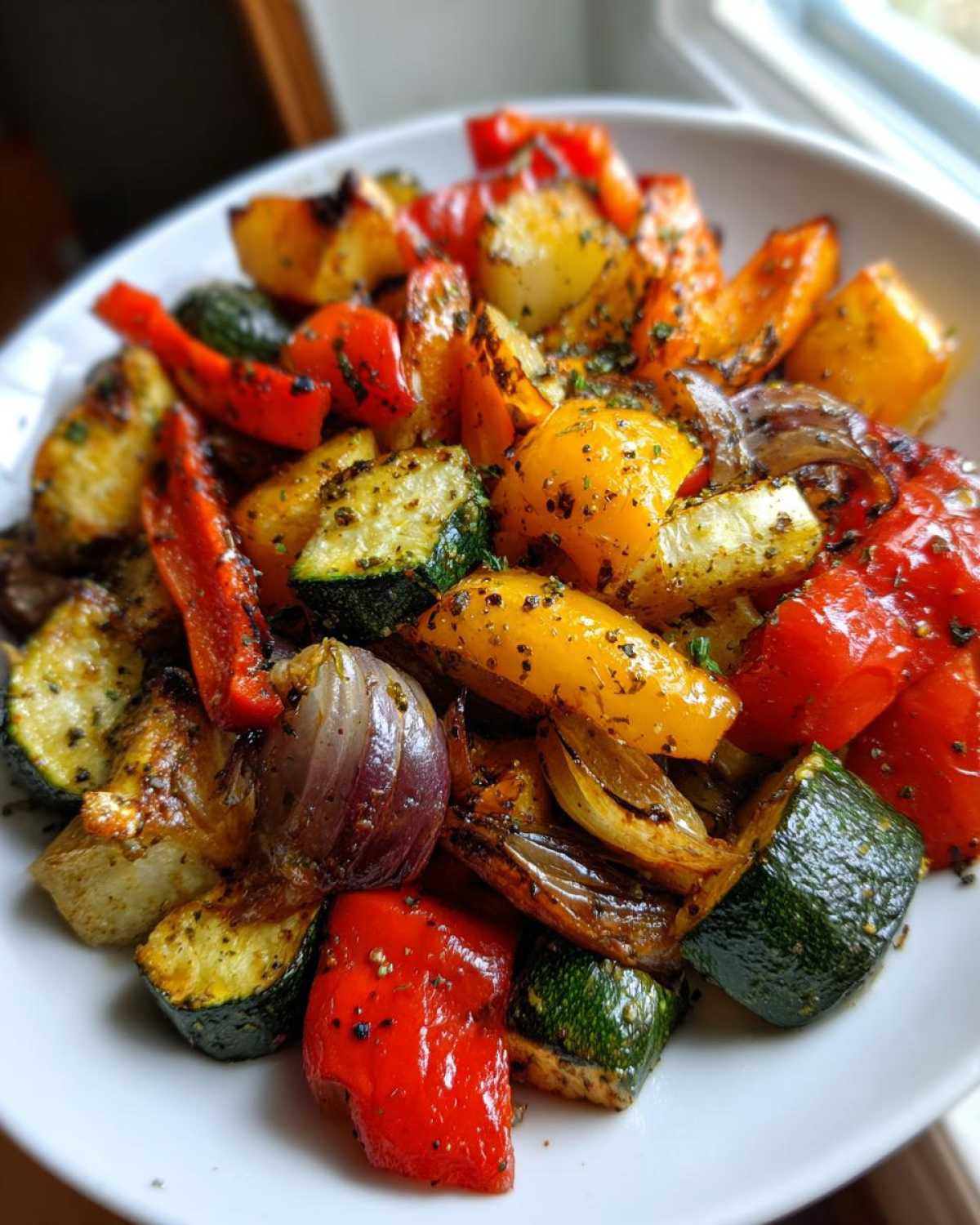
Next, don’t drown them! Toss the dry veggies with just enough oil to coat them lightly. We aren’t frying here; we’re roasting. Then, hit them with our best roasted vegetable seasoning blend—salt, pepper, garlic powder, oregano—make sure it’s an even distribution. Now, the absolute crucial part for gorgeous roasted vegetables: Lay them out on your baking sheet in a single layer. Give every piece some breathing room. If they are touching or overlapping, they steam. Trust me on this—crowding your pans is the enemy of crispiness! If you have to use two sheets, use two sheets!
Roasting Time and Finishing Touches for Roasted Vegetables
Pop those beautifully spread-out piles into that hot oven for about 20 to 30 minutes. You have to remember to toss them about halfway through, maybe at the 15-minute mark, to make sure every side gets lovely color and gets that signature browning. You’ll know they are done when the thinner edges look slightly browned, almost burnt—that’s flavor gold! Once they come out, they are ready to serve immediately. If you want to check out some other ways we apply heat to ingredients, I have a fun post about getting crispy results in other contexts too!
Flavor Editions: Customizing Your Roasted Vegetables Recipe
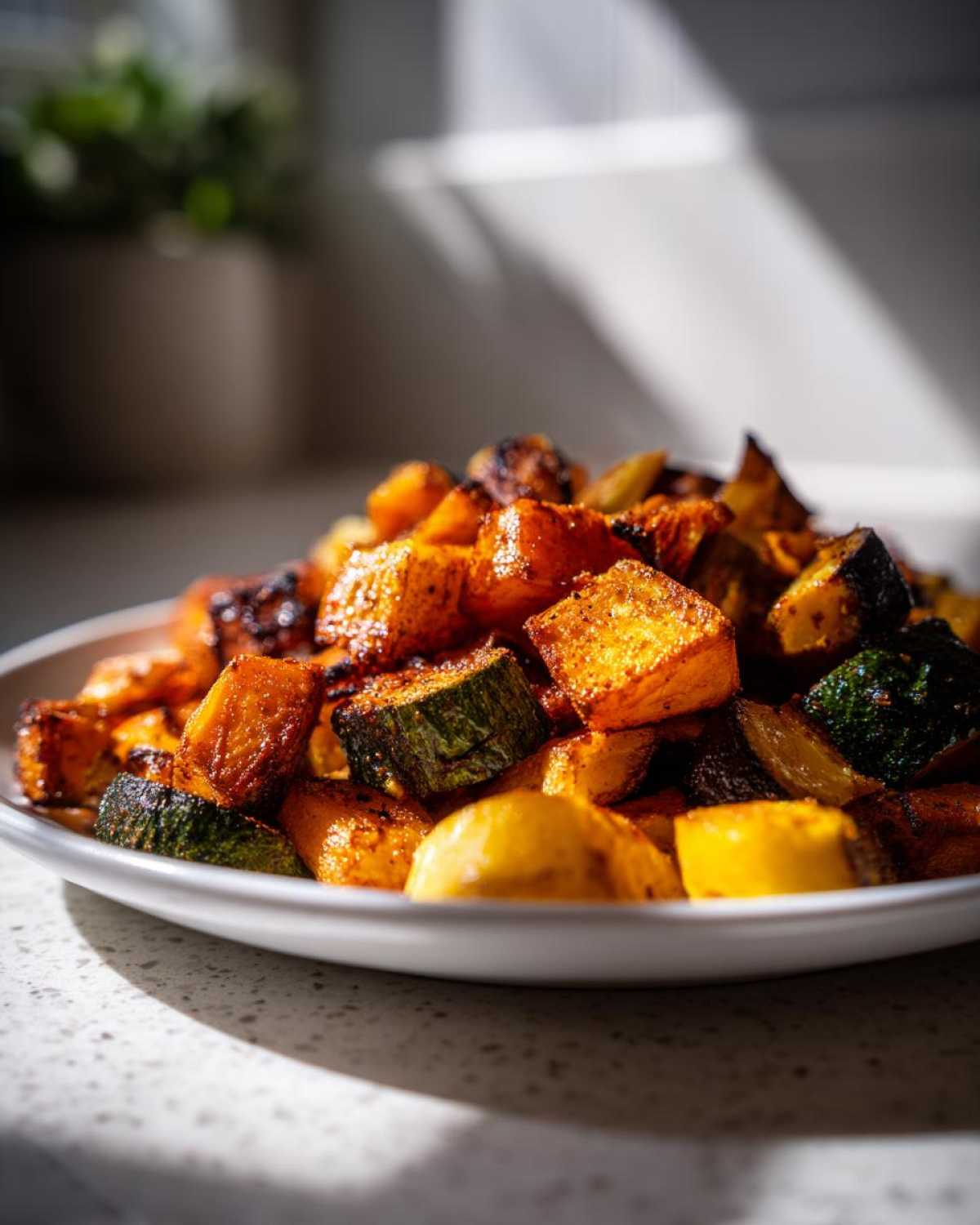
Now that you’ve mastered the basic technique for amazing, non-soggy roasted vegetables, it’s time to play! David and I think of the base recipe as our blank canvas. You have the perfect texture now, so you can paint whatever flavor profile you want on top. This is where the creativity really shines through, and you get to see how versatile these simple oven-roasted veggies actually are for any weeknight meal! If you ever want to riff on other crispy vegetable ideas, you should check out David’s genius garlic parmesan zucchini fries—same crispy goal, totally different veggie!
Creating a Garlic Roasted Vegetables Recipe Variation
If you love that punchy garlic flavor, you need to be careful with fresh garlic, which is one thing I learned the hard way—it burns fast! If you are making a garlic roasted vegetables recipe twist, don’t add minced fresh garlic at the beginning with the oil. Wait until the last 10 minutes of roasting time. You just toss it in quickly, and the residual heat will bloom the flavor beautifully without turning it bitter. It’s a small tweak for roasted vegetables that makes a huge difference!
Maple Dijon Glaze Addition for Roasted Vegetables
If you want to lean into that sweet and tangy side, the optional maple syrup you saw in the ingredient list is your ticket to the maple dijon roasted vegetables world. Drizzle that tablespoon right over the veggies when you mix in the dry seasonings, before they hit the pan. The high heat helps it caramelize into this slightly sticky, shiny glaze that marries perfectly with the salt and oregano. It’s an absolute winner, especially when you use root veggies like carrots!
Tips for Success: Mastering Oven Roasted Vegetables
We’ve covered the basic steps for our easy roasted vegetables recipe, but now I want to share the insider knowledge David reminds me about every time we roast. It’s all about the foundational science of cooking, which makes this our go-to simple oven roasting guide. Honestly, if you take nothing else away, remember that moisture is your nemesis! If you’re wondering why your last batch got steamy, go back and really re-read the part about drying them thoroughly—it’s the key!
The Importance of Vegetable Uniformity in Roasted Vegetables
The number one technical flaw I see in other recipes is inconsistent chopping. If you have massive chunks of potato next to tiny florets of broccoli, what happens? The broccoli burns while you wait for the potato to soften! Cooking things evenly requires everything to cook at the same rate. That’s why we insist on roughly the same size for all your roasted vegetables. It lets the high heat work its magic evenly across the pan, guaranteeing that tender-on-the-inside, crispy-on-the-outside result we love.
Using High Heat for Caramelized Vegetables Technique
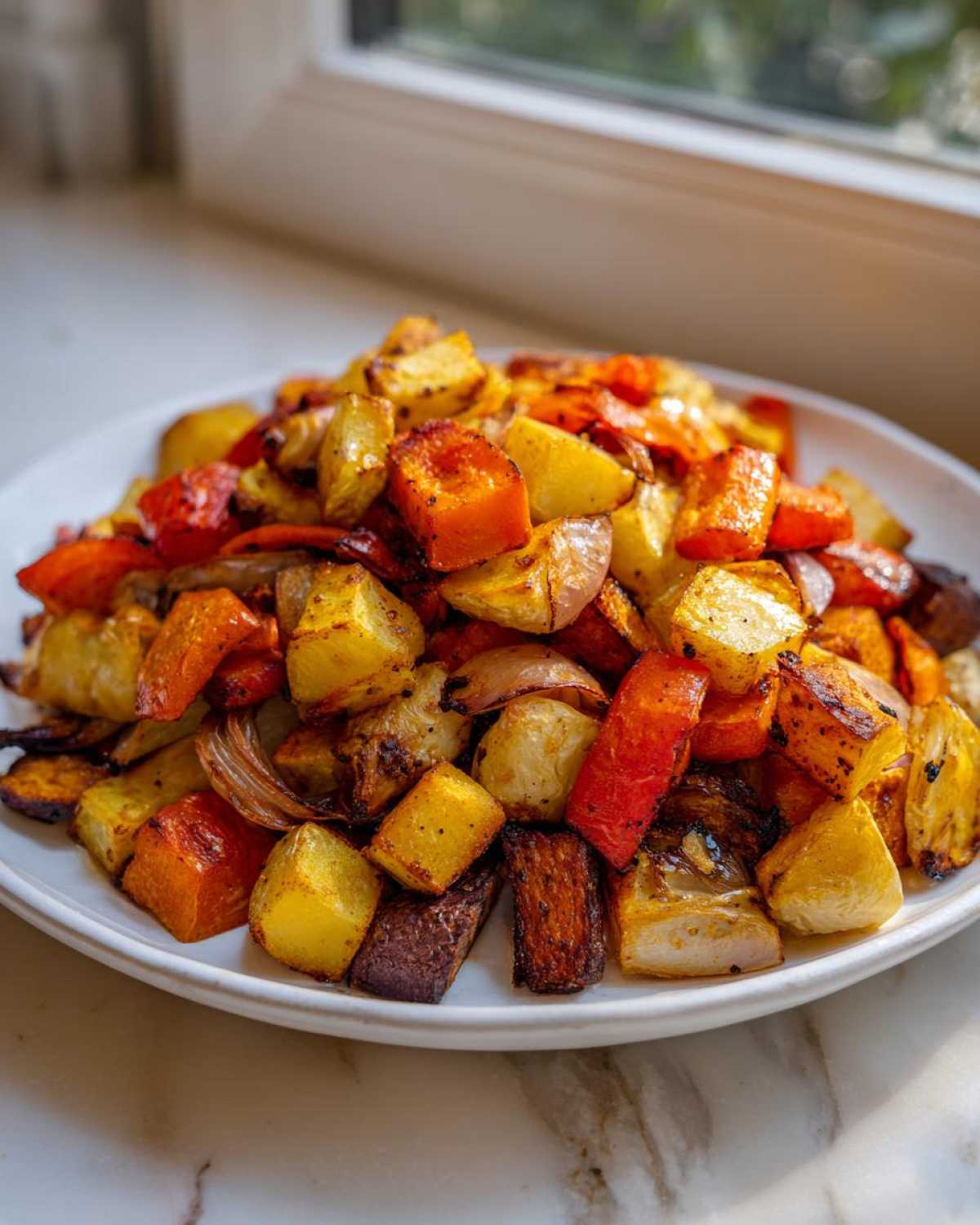
I know some people get nervous pushing the oven temperature so high, but this is critical for achieving that wonderful caramelized vegetables technique. We need 425°F! That high heat immediately starts evaporating surface moisture—that’s what prevents steaming—while simultaneously encouraging the sugars in the vegetables to brown quickly. If you roast them too low, they just sit there and stew in any leftover liquid. High heat equals immediate surface crispness for your roasted vegetables, which is exactly what we want!
Speaking of things that need high heat to treat right, if you want to compare this technique to great heat management in other dishes, you have to check out the way David treats eggs. His guide to best fluffy, creamy scrambled eggs has a similar principle: getting the temperature exactly right makes all the difference!
Serving Suggestions for Your Quick Vegetable Side
The best part about making a huge batch of these amazing roasted vegetables is that cleanup is minimal, but the serving options are massive! Seriously, you need a go-to for those frantic weeknight vegetable sides when you realize you forgot something green. These are robust enough to stand up to nearly anything. I often make a massive sheet pan of them and serve them alongside something simple, like a quick pan-seared fish filet or my favorite juicy Greek chicken. They add such a huge pop of naturally sweet, caramelized flavor without requiring any extra effort from me after they come out of the oven. They are fantastic straight up, too!
Storage and Reheating Instructions for Leftover Roasted Vegetables
Okay, so what happens if you actually *do* have leftovers? Because honestly, sometimes David and I manage to resist eating the entire sheet pan straight off the counter. The good news is that these roasted vegetables keep really well! You can store them in an airtight container in the fridge for about three or maybe four days. They will definitely lose that initial, straight-out-of-the-oven crispness, but don’t worry!
The absolute last thing you want to do is try to reheat these in the microwave. Never microwave your browned vegetables! That’s just reheating moisture, and you end up right back where we started, with lukewarm mush territory. No thank you!
The way to bring them back to life is dry heat. You want to use the oven or, even better, an air fryer—which, as you know, I use for everything crispy these days! Spread the cold veggies in a single layer on a baking sheet, or throw them right into the air fryer basket. Heat them at about 375°F for just five to seven minutes until they are warmed through and the edges dry out just a little bit again. If you love the air fryer as much as I do, you might already have my favorite chicken recipe where we use it for the ultimate crispy finish; check out my air fryer chicken recipe for inspiration on getting that crispness back!
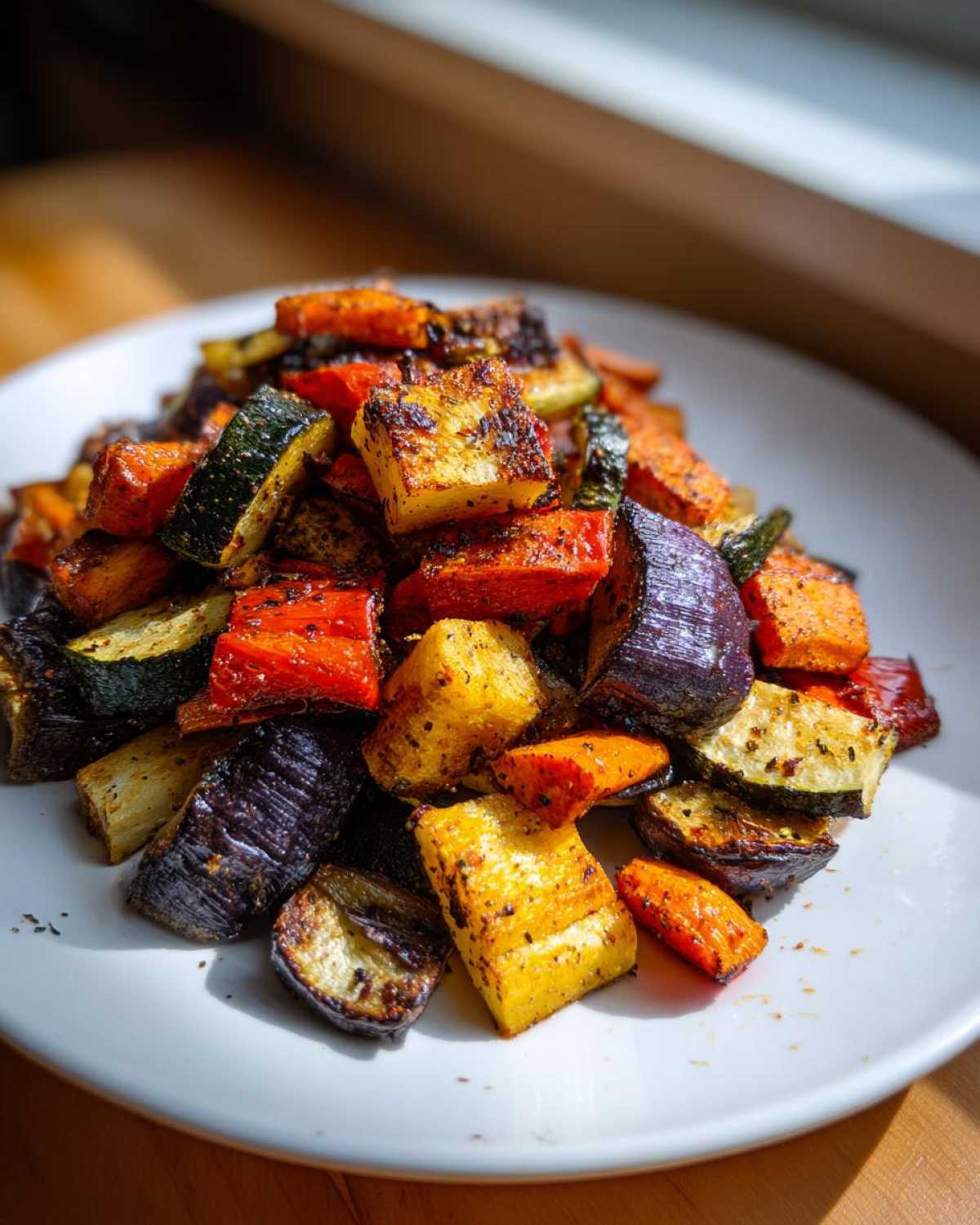
When they come out the second time, they are nearly as good as the first batch. It’s such a simple hack for having a healthy, prepped side dish ready for the next day’s lunch or dinner; makes life so much easier!
Frequently Asked Questions About Roasted Vegetables
It happens every time we post these beautiful roasted vegetables—people have the best questions! Cooking is all about experimenting, but when you’re learning a new technique, it’s really helpful to know where you can bend the rules and where you absolutely cannot bend the rules. David gets so serious about the foundational steps, and I totally agree that knowing the ‘why’ behind the technique makes cooking so much less stressful. Here are some of the top things I hear from readers when they try out our simple oven roasting guide.
Can I use frozen vegetables for this easy roasted vegetables recipe?
Oh, bless your heart if you’re trying to save time, but please, no! Do not use frozen vegetables for this recipe. I know it breaks the “easy roasted vegetables recipe” rule a little bit, but seriously—frozen veggies are already coated in ice crystals, which means when they hit that hot oven, they immediately start releasing massive amounts of water. That water steams the vegetables instead of roasting them, and you end up with the soggy mess we talked about in the intro! Stick to fresh produce for this technique.
What is the best temperature for oven roasted vegetables?
We are aiming for maximum crispiness here, so the best temperature for oven roasted vegetables is definitely high heat—we use 425°F. Think about it this way: we want moisture to evaporate instantly to get those beautiful, caramelized spots. If you leave the temperature lower, the vegetables sit in their own juices for too long, and you end up with soft, slightly boiled veggies instead of those amazing crispy roasted vegetables we are aiming for. High heat is a non-negotiable for this texture!
How do I make this a complete healthy roasted vegetables meal?
That’s such a great question because sometimes you just need one sheet pan to do all the heavy lifting! If you want to turn this stunning side into a full, healthy roasted vegetables main dish, you absolutely can. The easiest way is to add a protein that cooks around the same time as your medium-sized veggies. Things like firm tofu chunks tossed in the same oil and seasoning, or even garbanzo beans—which get delightfully crispy—work wonderfully when mixed right in with your vegetable side dishes. If you want to use meat, make sure you give denser items like chicken breasts a head start in the oven, or cut the protein much smaller so it finishes cooking at the same time as your carrots and broccoli!
If you have any other questions or want to share how you remixed your seasonings, send me a note! You can always reach us on our blog page; we love hearing what you’ve been cooking up!
Share Your Taste Edition of Roasted Vegetables
Whew! We’ve done it. We have unlocked the secrets to amazing, non-soggy, perfectly seasoned roasted vegetables. Now that you have the technique down—the drying, the high heat, the spacing—it’s your turn to take the reins! This is Taste Edition, after all, so I truly hope you try this method and then think, “What if I added smoked paprika?” or “What if I tossed these with lemon zest instead of oregano?”
That’s the fun part, isn’t it? Seeing what unique flavor combinations you come up with makes my day. We want to know how this recipe tastes in *your* kitchen, with *your* seasonal finds! Please jump over to the contact page and shoot us a note, or leave a rating and review right below this post. Knowing you successfully made these and achieved that beautiful caramelization gives David and me the fuel to keep testing and remixing every recipe we tackle. Happy roasting, friends!
PrintUltimate Guide to Perfectly Seasoned Roasted Vegetables with Crisp Edges
Learn the simple techniques to make oven roasted vegetables that are tender inside and perfectly caramelized outside every single time. This guide covers the best roasted vegetable seasoning for a flavorful, healthy side dish.
- Prep Time: 15 min
- Cook Time: 30 min
- Total Time: 45 min
- Yield: 6 servings
- Category: Side Dish
- Method: Oven Roasting
- Cuisine: American
- Diet: Vegan
Ingredients
- 3 lbs mixed seasonal vegetables (e.g., broccoli, carrots, cauliflower, bell peppers)
- 3 tablespoons olive oil
- 1 teaspoon kosher salt
- 1/2 teaspoon black pepper
- 1 teaspoon garlic powder
- 1/2 teaspoon dried oregano
- Optional: 1 tablespoon maple syrup for glaze
Instructions
- Preheat your oven to 425 degrees Fahrenheit. This high heat is key for crispy roasted vegetables.
- Prepare your vegetables: Cut all vegetables into uniform, bite-sized pieces. This ensures even cooking and prevents mushy spots. For root vegetables like carrots, cut them smaller than softer vegetables like zucchini.
- Dry the vegetables thoroughly using paper towels. Excess moisture causes steaming instead of roasting. This is a secret to making roasted vegetables not mushy.
- In a large bowl, toss the dried vegetables with the olive oil until lightly coated. Do not use too much oil; vegetables should be coated, not swimming.
- Sprinkle the salt, pepper, garlic powder, and oregano over the vegetables. Toss again to distribute the best roasted vegetable seasoning evenly. If using maple syrup, drizzle it on now.
- Spread the vegetables onto one or two large, rimmed baking sheets in a single layer. Do not overcrowd the pan. Give them space for air circulation to achieve caramelized vegetables technique.
- Roast for 20 to 30 minutes, tossing halfway through, until the edges are browned and slightly crisp.
- Remove from the oven and serve immediately as a quick vegetable side or part of a roasted vegetable medley.
Notes
- For extra crispiness, use parchment paper on your baking sheets, but ensure the vegetables are not touching.
- If using harder vegetables like potatoes, par-boil them for 5 minutes before tossing with oil and seasoning.
- This recipe works well for vegan roasted vegetables; just skip the optional maple syrup if you prefer a purely savory profile.
- For a garlic roasted vegetables recipe boost, add 4 cloves of minced fresh garlic during the last 10 minutes of roasting.
Nutrition
- Serving Size: 1 cup
- Calories: 120
- Sugar: 6
- Sodium: 350
- Fat: 7
- Saturated Fat: 1
- Unsaturated Fat: 6
- Trans Fat: 0
- Carbohydrates: 14
- Fiber: 4
- Protein: 3
- Cholesterol: 0