
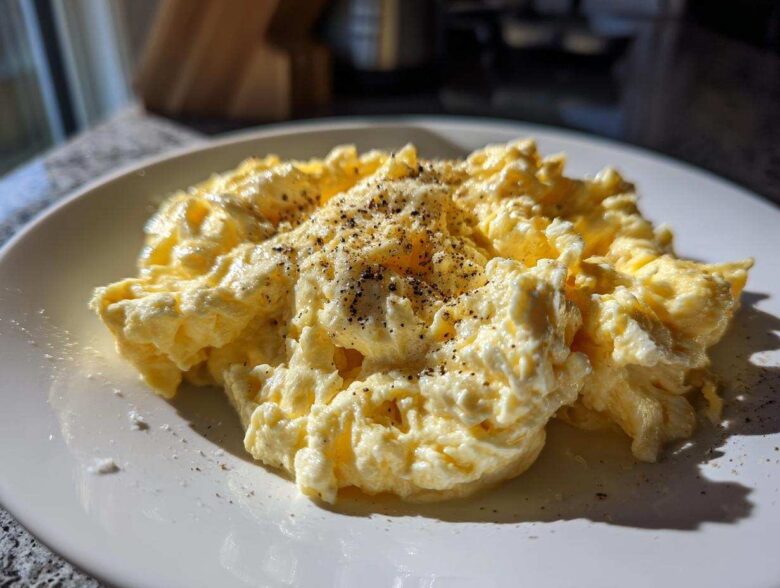
Okay, listen up, because I’m about to let you in on a huge secret: Most people are making their scrambled eggs completely wrong! We’ve all been there, right? You want those dreamy, soft, restaurant-quality mounds, but you end up with dry, rubbery little bits. Forget that! I spent years messing up breakfast just so you don’t have to. This recipe isn’t just about ingredients; it’s about technique. I promise you that with these simple steps, you can whip up the ultimate fluffy and creamy scrambled eggs in about five minutes, making it the fastest, most satisfying 5 Minute Breakfast you can pull off.
Mastering this basic skill feels like unlocking some secret culinary superpower. Once you get the temperature and the stirring just right, you’ll realize that perfect egg texture is entirely within your reach. Trust me, once you get that velvety consistency, you’ll never go back to the fast-and-hot method. This is the guide you need for all your future Easy Breakfast Recipes. You can find more of my favorite morning food ideas over in my breakfast section here: my breakfast archives.
Why This Method Makes the Best Fluffy and Creamy Scrambled Eggs
So, what’s the magic behind making eggs that manage to be both incredibly fluffy *and* deeply creamy? It all comes down to fighting the natural urge to crank up the heat! Think of it this way: high heat makes proteins seize up instantly, which gives you tough little curds. Not what we want for our ultimate comfort food morning meal.
When we focus on Mastering Breakfast Eggs using low heat, those proteins coagulate slowly. This allows us to incorporate tiny, delicate layers as they cook. These are the best Perfect Egg Texture Tips you’ll ever learn. It’s a patient process, but remember, we are trying to achieve a beautiful velvety scrambled eggs result, and that takes a minute!
The Secret to Velvety Scrambled Eggs: Temperature Control
This is non-negotiable, friends. You absolutely must use low heat. If your pan is sizzling loudly when you put the butter in, it’s already too hot. We want the butter to melt slowly and foam gently—that’s your cue. Cooking these low and slow ensures that the eggs stay rich and don’t overcook before you even add the cream. If you see any browning on the butter, take the pan off the heat immediately, let it cool down, and start again. Seriously, this one change makes all the difference between dry eggs and luxurious, soft cooked eggs.
Gathering Ingredients for Perfect Scrambled Eggs
Before we even think about turning on the stove, we need to talk ingredients. Because we are aiming for luxury here, even though this is a super fast Quick Egg Meal, the quality matters. Plus, since this technically fits the bill for Low Carb Breakfast Eggs, we are focusing on healthy fats and protein. You only need a few things, but I want you to use the best butter you can get your hands on. Don’t skimp on the fat; it carries all the flavor and helps keep things creamy!
Here is exactly what you’ll need for one perfect serving:
- 3 large eggs
- 1 tablespoon unsalted butter
- 1 tablespoon heavy cream (or milk for fluffier results)
- Pinch of salt
- Freshly ground black pepper to taste
Ingredient Notes and Substitutions for Scrambled Eggs
Let’s talk about that dairy, because it’s where we fine-tune the texture. If your heart is set on super rich, How To Make Creamy Scrambled Eggs results—the kind that coats your spoon—then heavy cream is your angel. It has the highest fat content, which equals pure velvet.
Now, if you’re leaning toward a slightly lighter, fluffier texture, you can absolutely swap the heavy cream for regular milk. It still adds necessary moisture, just not quite the same decadent mouthfeel. Also, I want you to look at the recipe notes because I swore by adding a tiny dab of cream cheese if I wanted a truly gourmet experience. Just melt about a teaspoon of cream cheese into the eggs when you whisk them; it melts into the background but boosts the richness incredibly. That little trick really solidifies your place among the experts when it comes to beautiful breakfast eggs!
Step-by-Step Instructions for Ultimate Scrambled Eggs
This is the main event, my friend! This whole process flies by; we’re talking truly achievable results for your next Easy Breakfast Recipe in under five minutes. The key here is moving with purpose but not rushing the heat. You can see my full recipe card notes and even find articles on my blog about general cooking tips here: my blog archives. Let’s get these beautiful, velvety eggs going!
Preparing the Eggs: Whisking for Air
First things first, forget just gently stirring the yolks and whites together. We need air! Crack those three eggs into your bowl, toss in your salt and pepper, and then attack them with your whisk. I mean it—whisk vigorously until everything is pale yellow and you see some honest-to-goodness froth on top. That froth isn’t just decoration; that’s the air bubbles we captured that will ensure your finished product is light and fluffy. Don’t stop until those yolks and whites are completely unified!
The Cooking Process: Gentle Pushing for Soft Cooked Eggs
Now, put your non-stick skillet over very low heat. This is where most people panic and ruin everything, but you and I, we are advanced cooks now. Drop that tablespoon of butter in and watch it melt until it foams up slightly. If it starts to sizzle angrily or brown, your heat is too high! Pour the foamy egg mixture in. Let it sit completely still for maybe thirty seconds—just until you see the edges starting to grab the pan.
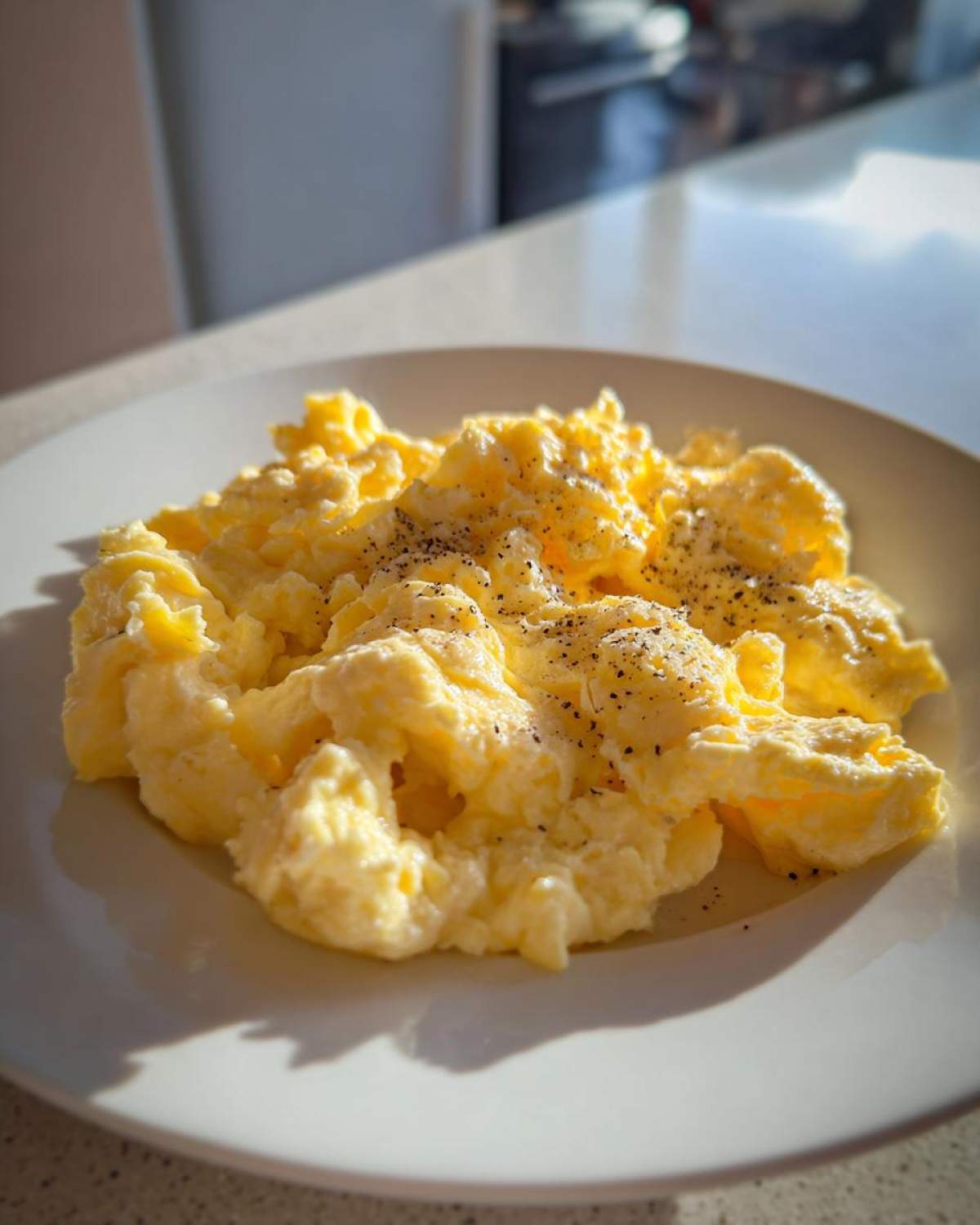
Here comes the gentle part. Take a heat-resistant spatula and just *gently* push the cooked egg from the edge toward the center. You want to continually tilt the pan so the runny egg falls underneath the cooked part. Keep doing this slowly, section by section. When the eggs look almost done—I mean, they are still wet and glossy, but no *liquid* is running—immediately yank the pan off the burner. That residual heat is going to finish the job. This is the magic moment for How To Make Creamy Scrambled Eggs. Stir in that heavy cream right off the heat. They will finish setting up perfectly on the counter, giving you those ideal soft cooked eggs.
Tips for Mastering Breakfast Eggs and Avoiding Dryness
Look, even the best intentions can lead to a breakfast fail if you blink at the wrong moment! The number one rule I want you to nail down is pulling those eggs off the heat just before they look ready. Seriously, if they look absolutely perfect in the pan, they will be overcooked on the plate. That residual heat is powerful!
If you want to elevate your plain eggs into something worthy of a gourmet breakfast, toss in some finely chopped fresh chives right when you add the cream. The little oniony bite is shocking against the richness. For more ideas on making eggs amazing for meal prep, check out my turmeric egg muffins here. Those little bundles are lifesavers on busy mornings!
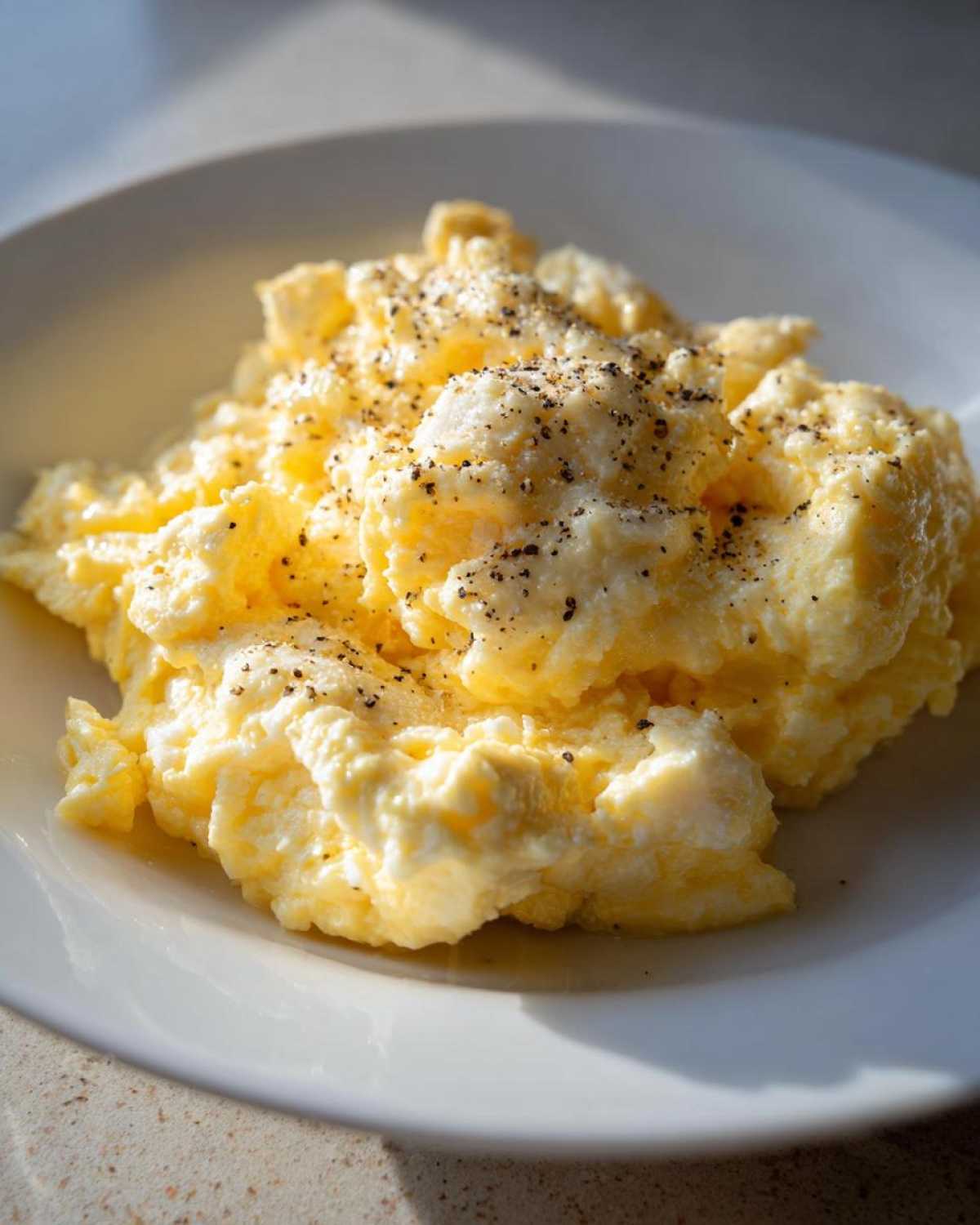
And remember what I said about the pan—if you use anything other than a good non-stick surface, you’ll end up wrestling the eggs off the bottom, and that agitation cooks them too fast. Keep the heat low, keep the spatula moving gently, and you won’t have to worry about dry, sad eggs ever again.
Variations: Scrambled Eggs with Cheese and Other Additions
Okay, so you’ve mastered the creamy, fluffy base. That’s fantastic! But sometimes, you just need a little extra something something to make it a true Gourmet Egg Breakfast. Adding extras is super easy, but timing is everything, especially if you are adding cheese. You don’t want the cheese to melt into oil before the eggs are even cooked enough to hold it.
My main rule for adding cheese or any meltable ingredient is to wait until the very last second. Remember when I told you to pull the pan off the heat when the eggs are still looking a little too wet? That’s your cue! Toss in your shredded cheddar, Gruyère, or whatever your heart desires right then. Mix it in quickly with the cream. The residual heat of the eggs is high enough to melt the cheese perfectly without splitting it or overcooking the egg proteins one bit.
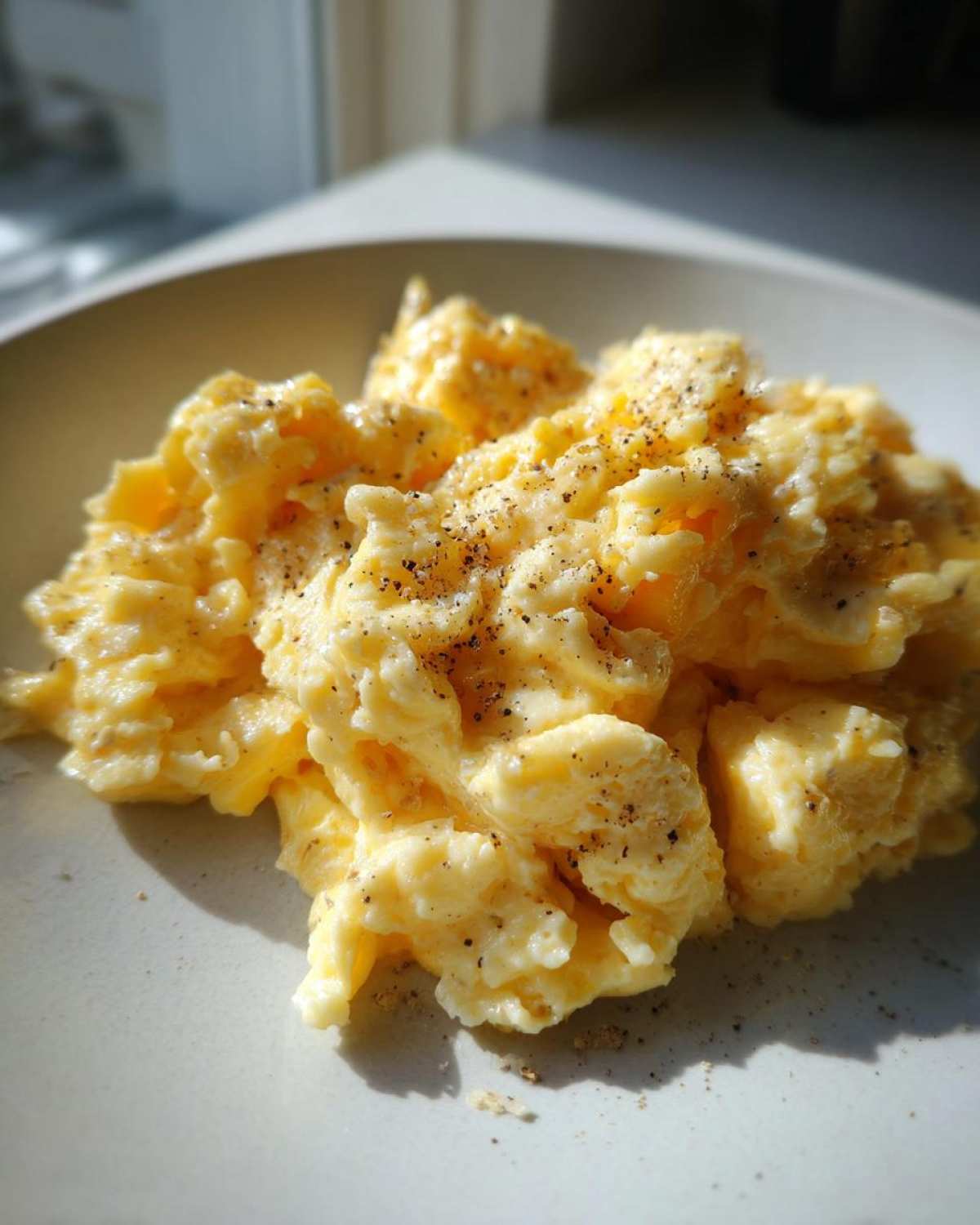
If you’re looking to jazz up your Classic Breakfast Dishes another way, think about spices! A tiny pinch of smoked paprika added during the initial whisking phase gives a wonderful depth of flavor without adding any extra moisture. Or, if you want to go brighter, something like a drizzle of good quality truffle oil just before serving adds a fancy touch that costs almost no effort. If you’re into creative eggs, you might like my recipe for deviled eggs too; they are amazing for brunch!
The beauty of these scrambled eggs is that they are such a perfect blank canvas. Whether you stick to the simple salt and pepper or take a little risk with a bold seasoning, they cook up just right every time because we respected the low temperature.
Serving Suggestions for Your Easy Breakfast Recipes
You’ve got these incredible, fluffy, creamy mounds of heaven on your plate. Now what? You can’t just stare at them! Even though these are fantastic on their own as simple, Low Carb Breakfast Eggs, they shine even brighter next to a few simple sides. This recipe is perfect for those busy days when you still want your Comfort Food Morning Meals without spending ages in the kitchen.
Here are my three must-have pairings for serving your perfect scrambled eggs:
- Crunchy Toast: Skip the plain white bread! A slice of hearty whole-grain toast is perfect for scooping up any lingering buttery bits from the plate. If you want to make that toast an event, try my favorite avocado toast recipe—it’s quick, but gourmet!
- Fresh Avocado: A few slices of avocado on the side add healthy fat and a nice temperature contrast to the warm eggs. Season it simply with salt and pepper, maybe a squeeze of lime. It just feels classic and right.
- A Little Fruit: To balance out the richness of the butter and the cream, serve a small cup of fresh berries or sliced melon. It adds a bright, clean finish to what is otherwise a very rich experience.
See? We turned a basic breakfast into a balanced, satisfying meal in minutes. Now go enjoy that perfect egg texture!
Storage and Reheating Instructions for Leftover Scrambled Eggs
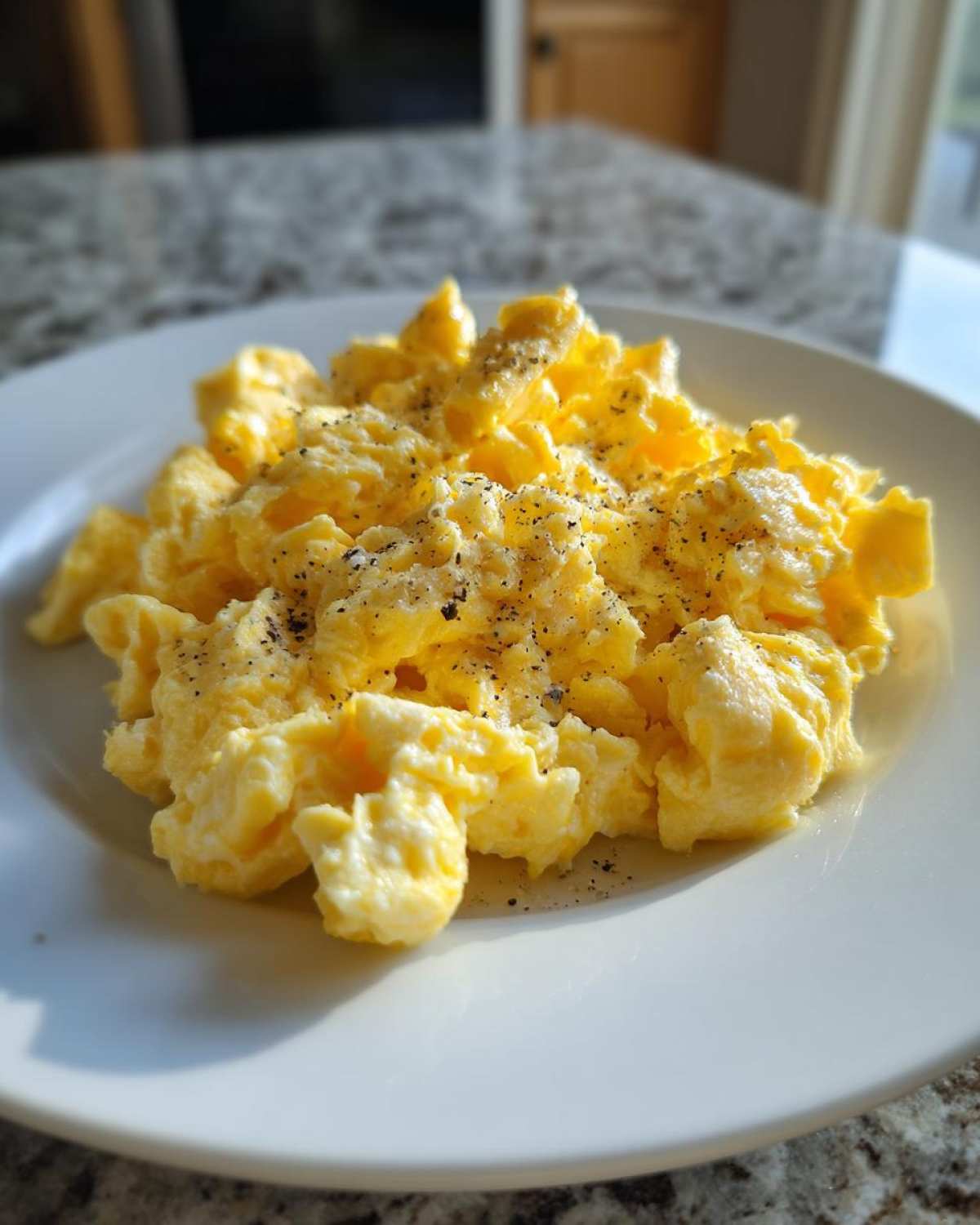
Now, let’s be real for a second. Honestly, the absolute best experience for these creamy scrambled eggs is eating them the second they come off the heat. I mean it, they are meant to be devoured immediately! They are such a Quick Egg Meal that making them fresh is usually faster than trying to salvage leftovers.
But hey, life happens! Maybe you made a double batch because you know you should have, or maybe you just didn’t need that third serving. If you do have some left, you need to handle them with care if you want them to taste anything like the original masterpiece. Because we cooked them low and slow for that perfect texture, high heat reheating will instantly turn them into rubber cement, and we totally cannot let that happen!
For storage, you absolutely must move them into an airtight container right after they cool down a tiny bit. Don’t let them sit on the counter for hours—that’s just not safe. Pop that container in the fridge. They’ll be good for maybe two days, tops, but don’t get too ambitious with saving them!
When it comes to reheating, you have two excellent options, provided you add extra moisture back in:
- Stovetop Revival: This is my preferred method for keeping the perfect egg texture tips alive. Put the leftovers in a small non-stick pan over the *lowest* possible heat setting. Add a splash—maybe half a teaspoon—of milk or even just water. Stir continuously until they are heated through. The added liquid steams them gently, bringing back a hint of that soft texture.
- Microwave SOS: If you’re truly in a hurry, use the microwave, but you must go slow. Put the eggs in a microwave-safe bowl, add that little splash of liquid (milk or water again!), and microwave in 10-second bursts, stirring well after each burst. Stop before they look completely done, just like we did when we cooked them the first time!
If you follow these steps, you can rescue those beautiful, velvety eggs and save yourself from making another batch when you’re short on time. It’s just one more way to make sure those Easy Breakfast Recipes work for you, even when you’re eating leftovers!
Frequently Asked Questions About Perfect Scrambled Eggs
I get so many messages asking for the nitty-gritty details about texture, so here are the quick answers to the questions I hear most often about achieving those perfect scrambled eggs. If you have a question that isn’t answered here, feel free to reach out to me via my contact page—I love talking cooking! You can drop me a line right here.
Do I need milk or cream for fluffy eggs?
You don’t *need* it, but I strongly suggest it! If you are aiming for super light, airy results—and you followed my whisking instructions that put tons of air into those eggs—you can use just a tiny splash of water or milk to keep things light. But if you want that rich, velvety texture that falls into the How To Make Creamy Scrambled Eggs category, you absolutely need heavy cream. The fat content is what makes them so decadent and rich. It’s the secret weapon for those Comfort Food Morning Meals!
What is the best pan for creamy scrambled eggs?
Hands down, you need a good quality, heavy-bottomed non-stick skillet. I can’t stress the non-stick part enough! High-quality non-stick pans distribute heat more evenly, which is crucial when you are cooking on low heat. A thin pan will have hot spots, and those hot spots will instantly dry out sections of your eggs, robbing you of that amazing, soft cooked eggs consistency. A quality pan is one of the most important Perfect Egg Texture Tips I can give you!
My eggs always turn out spongy. How do I fix this?
Spongy usually means they’ve been cooked too hot for too long. It’s a dryness issue, plain and simple! Revisit step four—when you remove them from the heat, they should still look slightly wet, almost runny in patches. The heat trapped in the pan and in the eggs themselves continues cooking them off the burner. If you wait until they look “done” in the pan, they will be overdone on the plate. For a true Low Carb Breakfast Eggs meal that stays tender, keep the heat low and pull them early!
Can I make these scrambled eggs ahead of time?
This is the tough one. For the absolute *best* experience—the fluffiness combined with the creamy mouthfeel—no, you really shouldn’t make them far ahead of time. Scrambled eggs are one of those dishes that deflate and dry out incredibly fast once they cool, even if you try to keep them warm. However, for a bit of advance prep, you can totally whisk your eggs, salt, and pepper together, cover them tightly, and keep that *mixture* in the fridge for up to 24 hours. When you are ready to eat, pour right from the fridge into that low-heated pan. They might take an extra minute or two to warm up, but you save yourself the initial cracking and whisking chaos, making it much closer to a true Easy Breakfast Recipe!
Estimated Nutritional Data for This Quick Egg Meal
Now that you’ve mastered the technique for what I consider the best, most comforting scrambled eggs imaginable, let’s briefly touch on the numbers. Since this recipe is so low in carbs and focuses on protein and fat—perfect for a solid Low Carb Breakfast Eggs base—it’s a fantastic way to start your day. Remember, cooking is an art, not an exact science, and pantry ingredients always vary!
I always look at approximations, and keep in mind that these figures are based on the exact measurements provided for one serving. If you use milk instead of heavy cream, or if you toss in too much extra butter, these numbers will definitely change. Always treat this as a good guideline for planning your morning fuel.
Here is the general breakdown for one serving of this recipe:
- Serving Size: 1 serving
- Calories: 230
- Sugar: 1g
- Sodium: 150mg
- Fat: 18g
- Saturated Fat: 10g
- Unsaturated Fat: 8g
- Trans Fat: 0.5g
- Carbohydrates: 2g
- Fiber: 0g
- Protein: 14g
- Cholesterol: 450mg
As you can see, this is packed with protein and healthy fats to keep you full way past lunchtime. For more comprehensive information regarding recipe sourcing and how I calculate these figures, please consult my official disclaimer page here: my disclaimer. Happy cooking, and enjoy this super fast, seriously delicious Quick Egg Meal!
PrintThe Ultimate Fluffy and Creamy Scrambled Eggs Recipe
Learn the simple techniques to make the best fluffy and creamy scrambled eggs every time. This guide covers the secrets for perfect egg texture.
- Prep Time: 2 min
- Cook Time: 5 min
- Total Time: 7 min
- Yield: 1 serving
- Category: Breakfast
- Method: Stovetop Cooking
- Cuisine: American
- Diet: Low Carb Breakfast Eggs
Ingredients
- 3 large eggs
- 1 tablespoon unsalted butter
- 1 tablespoon heavy cream (or milk for fluffier results)
- Pinch of salt
- Freshly ground black pepper to taste
Instructions
- Crack the eggs into a small bowl. Add the salt and pepper. Whisk vigorously until the yolks and whites are fully combined and slightly frothy. This incorporates air for fluffiness.
- Place a non-stick skillet over low heat. Add the butter and let it melt completely until it foams slightly. Do not let the butter brown.
- Pour the egg mixture into the warm skillet. Let the eggs sit undisturbed for about 30 seconds until the edges just begin to set.
- Using a heat-resistant rubber spatula, gently push the cooked egg from the edge toward the center, tilting the pan so the uncooked egg flows underneath. Repeat this process slowly around the pan.
- When the eggs are mostly set but still look wet (this is key for creaminess), remove the pan from the heat. Stir in the heavy cream. The residual heat will finish cooking the eggs to a soft, velvety consistency.
- Serve immediately for the perfect soft cooked eggs experience.
Notes
- For extra flavor, stir in one teaspoon of finely chopped fresh chives just before serving.
- If you prefer a richer, creamier texture, substitute the heavy cream with one teaspoon of cream cheese mixed into the eggs before cooking.
- Keep the heat low. High heat cooks the eggs too fast, resulting in dry, rubbery curds instead of soft, velvety scrambled eggs.
Nutrition
- Serving Size: 1 serving
- Calories: 230
- Sugar: 1
- Sodium: 150
- Fat: 18
- Saturated Fat: 10
- Unsaturated Fat: 8
- Trans Fat: 0.5
- Carbohydrates: 2
- Fiber: 0
- Protein: 14
- Cholesterol: 450