

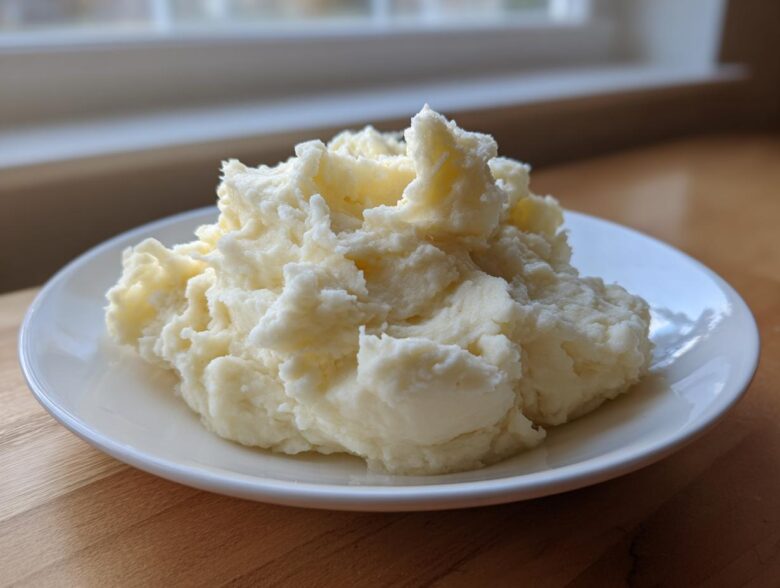
If you think you know mashed potatoes, let me stop you right there. Too often, mine were sticky, watery messes, and I was ready to give up on achieving that perfect, velvety texture. But folks, I’ve cracked the code to the *Creamy Potato* experience! Forget gluey lumps; we are aiming for pure, dairy-rich smoothness here. Trust me, mastering this texture is all about two things: using a potato ricer—it’s non-negotiable—and making sure every single drop of dairy you add is already warm. When I finally started warming my heavy cream, everything changed. This recipe turns humble Russets into the richest potato side dish you’ve ever dreamed of serving.
Why This is the Ultimate Creamy Potato Recipe (Fluffy and Creamy Potatoes)
I’ve tried every trick in the book—even the ones my cousin swears by—but this method consistently delivers the absolute **best creamy potato** side dish, every single time. It’s not just about dumping cream in at the end; it’s about technique ensuring you get a true, fluffy and creamy potato foundation that tastes outrageously decadent.
Here is why this specific preparation rises above everything else on your holiday table:
- The Potato Ricer is Your Best Friend: Seriously, throw away that masher! Ricing creates individual, light particles of potato, which is the only way to get that amazing velvety texture without overworking the starch.
- Temperature Control Is Everything: Warming the heavy cream and letting the butter soften means the dairy incorporates immediately and evenly. Cold dairy shocks the potatoes and ruins the texture—don’t let that happen to you!
- That Little Hint of Garlic: We’re not fully mashing garlic cloves in here; just a whisper of minced garlic infused into the warm mixture wakes up the flavor profile without tasting harsh or overpowering the potato itself.
- Optional Tang Boost: If you want to elevate these even further from a standard rich potato side dish, that small addition of sour cream at the very end cuts through the richness perfectly and adds a delightful complexity.
If you’re looking for ways to elevate other breakfast staples, check out my guide to making fluffy old-fashioned buttermilk pancakes! But for dinner? Stick right here for these perfect mashers.
Gathering Ingredients for Your Creamy Potato Side Dish
Okay, let’s get everything prepped before the water even starts boiling; timing is everything when you’re aiming for that velvety consistency. Don’t skip the warming step for the cream—that’s crucial! You’ll need Russet potatoes for the starch factor, lots of good butter, and heavy cream, of course.
Here’s exactly what you need ready to go for your next amazing potato dish:
- 3 lbs Russet potatoes, peeled and quartered
- 1 cup Heavy cream, warmed
- 8 Tbsp Unsalted butter, cut into pieces
- 4 cloves Garlic, minced
- 1 tsp Salt, plus more for boiling water
- 1/2 tsp Black pepper
- 1/4 cup Sour cream (optional, for extra tang)
Having everything measured out like this makes the final folding process incredibly fast. If you’re looking for another fantastic, quick side, you absolutely have to try my guide on best fluffy creamy scrambled eggs—it uses similar dairy magic!
Step-by-Step Tutorial: How to Make Creamy Potatoes Perfectly
Alright, this is where the magic happens! Making these insanely creamy potatoes isn’t difficult, but you have to respect the process. We aren’t just boiling and smashing; we are building a luxurious side dish, layer by layer. If you follow these steps, especially regarding temperature and equipment, you will achieve the fluffiest texture imaginable. When you’re done, you’ll wonder why you ever bothered with chunky mashed potatoes again!
Preparing the Potatoes for Boiling
First thing’s first: get those potatoes peeled and quartered. Pop them right into a big pot and cover them with cold water. Don’t start with hot water—it cooks the outside too fast! Make sure the water covers them by a good inch. Now, dump in about a tablespoon of salt. This flavors the potato from the inside out, which is way better than just seasoning the outside later. Bring that water to a boil over high heat, then bring it down quickly so they simmer nicely. They’re done when a fork slides in with zero resistance—usually 15 to 20 minutes, tops.
Warming Dairy and Ricing for the Creamy Potato Texture
While the potatoes are simmering, you need to get your dairy ready. Gently warm up that heavy cream in a small saucepan on the lowest heat; you just want it steaming, not bubbling—boiling dairy messes with the emulsion! Keep your butter soft and near room temperature, too. Once those potatoes are drained completely, put them back in the hot, empty pot for just two minutes. This lets the surface steam evaporate, which is key!
Here’s the deal: You absolutely must press those hot potatoes through a potato ricer directly into a bowl. If you use a food processor or an electric mixer, I’m sorry, but you’re making glue! The ricer breaks down the starch just enough for a velvety look. Don’t skip this tool if you want the ultimate creamy potato texture.
Folding in Fats and Liquids to Finish Your Creamy Potato Recipe
Once they are riced, toss those pieces of soft butter right on top and gently fold them in until they melt. Next, add your minced garlic, salt, and pepper, mixing gently again. Don’t overdo it! Now, pour that warm heavy cream in slowly, folding constantly with a rubber spatula. Only add enough of the warm liquid until you reach your desired level of decadence. If you want that extra homemade taste, fold in the sour cream right at the end, but taste test first! These need to be served right away while they hold that beautiful, fluffy warmth. For more baking tips, you can check out how I make easy homemade soft fluffy naan bread!
Tips for Success with Your Rich Potato Side Dishes
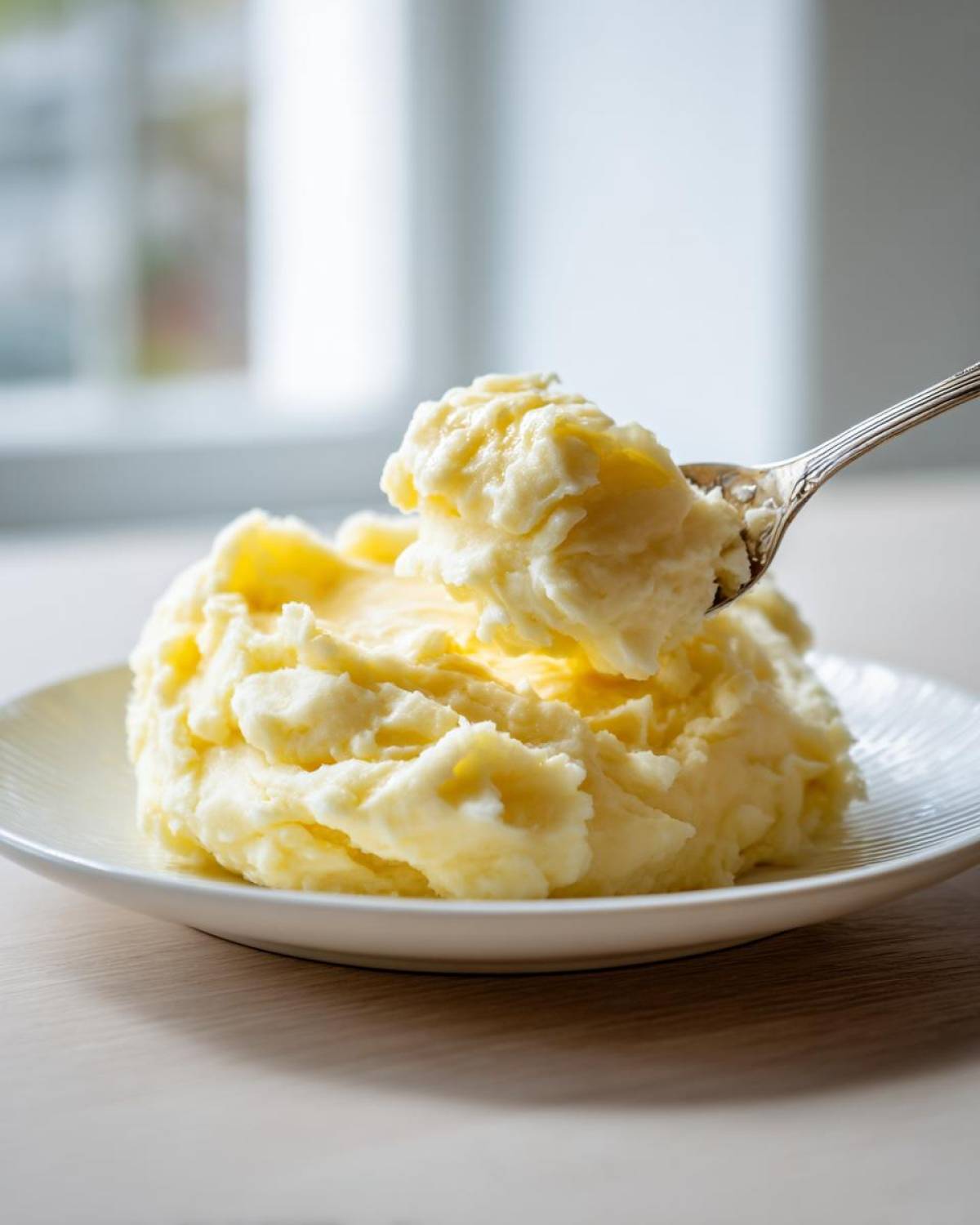
Getting these potatoes to that perfect creamy consistency isn’t rocket science, but it does require you to stop rushing certain steps! Grandma always said, "Mashed potatoes forgive sloppy seasoning, but they never forgive cold dairy." I’ve learned that focusing on just three key areas guarantees success when making your creamy potato dish.
If you master these few simple tricks, you’ll be churning out velvety magic every time. And hey, if you need a liquid side for those chilly nights, this method works magic in my easy creamy loaded potato soup recipe too!
Here are the non-negotiable tips for achieving the best texture:
- Temperature is Non-Negotiable: Never, ever add cold butter or cold cream to your cooked potatoes. I can’t stress this enough. Cold dairy will instantly cool down your starch particles, making them seize up and preventing that beautiful, even absorption. Make sure your cream is steaming gently and your butter is soft—ideally room temperature!
- The Ricer is Your Only Friend: For the fluffiest and most unbelievably creamy potatoes, you need to ditch the hand masher and the electric mixer. Mashers leave chunks, and mixers develop too much starch, turning your side dish into edible wallpaper paste. A good potato ricer (or a food mill, if you’re feeling fancy) ensures the perfect, fine, almost fluffy result.
- Let Them Dry Out Briefly: After you drain the boiled potatoes, put them back into the empty hot pot for a couple of minutes. This seems counterintuitive, but letting that excess water steam off means your potatoes absorb the enriching butter and cream instead of just diluting them. Less water equals more flavor and better texture!
- Fold, Don’t Stir Vigorously: Once the butter starts to melt, you switch completely to a gentle folding motion with a spatula. You are incorporating ingredients, not trying to whip air into the mixture. Over-stirring releases too much starch, which is what makes your comforting creamy potato into something slightly gummy.
Ingredient Notes and Substitutions for Creamy Potato Dishes
One of the great things about a buttery potato side dish recipe is how forgiving it can be, but choosing the right starting ingredients makes all the difference, especially when you’re aiming for that signature velvety texture. You might look at my ingredient list and wonder if you can swap things out, and the answer is usually yes, but you have to know what that swap will do to the final result.
I’ve seen people ruin perfectly good potatoes by using the wrong starch level, so let’s talk basics first. Also, since we are using a ton of dairy here anyway, if you love rich sauces, you simply must check out my recipe for homemade alfredo sauce—the philosophy on heavy cream is the same!
Choosing the Right Potato Base
For this recipe, I insist on Russet potatoes, and here’s why: they are very starchy. When you cook and rice a starchy potato, the starch granules separate beautifully, mixing with the fat and liquid to create that light, fluffy cloud structure we are seeking. If you use waxy potatoes, like Red Bliss, they hold their shape too well. They end up tasting great—like boiled potatoes—but they just won’t incorporate the dairy to become truly smooth and velvety.
Yukon Golds are my second choice if you want something slightly yellower and naturally buttery tasting. They are medium starch, so they aren’t as prone to becoming gluey as waxy types, but they definitely won’t achieve that sky-high fluffiness that Russets provide.
Heavy Cream Alternatives: Weighing the Richness
Heavy cream is what gives us the high fat content needed to coat every potato particle, which is the secret weapon for richness. If you run out, you can substitute half the amount with whole milk and half with half-and-half, but you lose a bit of that comforting, thick quality. Just remember: always keep whatever you add warm!
What about using something lighter like skim milk? Please don’t! It just won’t give you the body you need. If you want to make this dish dairy-free, you’ll need to switch to a high-fat, plain vegan milk substitute (like oat or soy creamer) and you must add extra butter or vegan butter sticks in place of the removed dairy fat to compensate.
Incorporating Cheese or Cream Cheese for Extra Depth
I note that this recipe includes sour cream for tang, but some of you might want to go full-on comfort food casserole style and add cheese or cream cheese. If you want to incorporate cream cheese—which adds amazing density and tang—make sure it’s softened to room temperature, just like your butter. Fold in about four ounces along with the butter, before you even look at the cream.
If you’re using a hard cheese, like sharp cheddar or Gruyère, wait until the potatoes are already mixed with the warm cream and season them first. Adding cheese too early can sometimes make the texture stiff. Fold it in right at the end, perhaps adding just a splash more milk if the consistency gets too thick from the cheese binding it up.
Serving Suggestions for This Comfort Food Creamy Potatoes
I mean, what’s the point of making the ultimate, richest, most decadent comfort food creamy potatoes if you don’t have the perfect main course to smother them in gravy? Honestly, these mashed potatoes demand a centerpiece worthy of their velvety texture. When I serve these, I always make sure the main dish is something that can handle a serious dose of potato goodness. It’s all about balance, right?
If you’re serving these Garlic Mashed Potatoes, you have so many amazing options for the main event. Since these potatoes are so unbelievably rich, I usually pair them with something roasted or pan-seared. But don’t forget, you can find incredible pairings over at my post about the perfect creamy potato side dishes for steak!
Here are my top three go-to pairings when I’m bringing out this batch of creamy potato heaven:
- Classic Roast Chicken or Turkey: You simply cannot beat the combination of savory, herbaceous roasted poultry sinking into a pool of buttery, garlicky mash. The drippings mixed with my creamy potato base? Perfection. It just feels like an elevated Sunday dinner every time.
- Weekend Pot Roast or Braised Short Ribs: If you’ve gone to the effort to make a slow-cooked, fall-apart tender meat, you need a side dish that can handle that slow-simmered, deep gravy flavor. These potatoes soak it all up beautifully. They provide the perfect, soft foundation for that rich sauce.
- Holiday Ham or Prime Rib: This is my go-to potato choice for Thanksgiving or Christmas dinners. When you have a big, smoky ham or a gorgeous prime rib carving station, these rich potato side dishes provide the perfect, comforting foil to all that robust flavor. They are sturdy enough to handle major holiday traffic!
Seriously, whatever you serve them with, make sure you let everyone pile their plate high. These aren’t the potatoes you use to just fill space; they are the star side dish!
Storage & Reheating Instructions for Leftover Creamy Potato
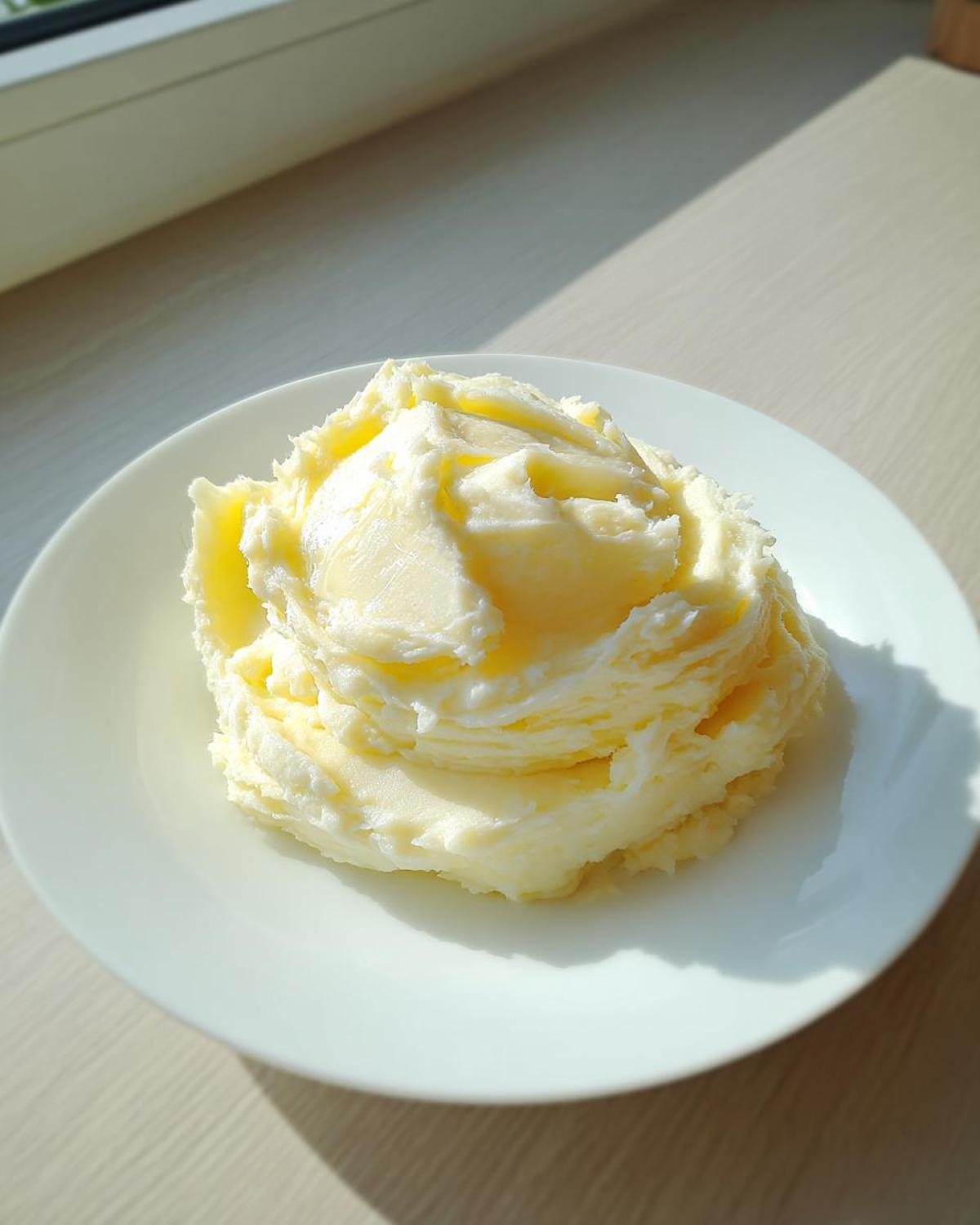
I truly hope you have leftovers because these potatoes taste amazing the next day, but you have to treat them right when reheating! They tend to firm up a little bit in the fridge because all that beautiful butter and cream start to solidify. Don’t panic if they seem stiff when you pull them out of the container—we can fix that right up!
The only rule here is that you cannot use a microwave to reheat them quickly if you want to save that velvety texture. Microwaving heats unevenly and can often make the edges rubbery while leaving the center cold. It’s worth the extra five minutes to reheat them properly on the stovetop!
If you’re looking for other great ways to use up leftover potatoes, you should compare this recipe to my favorite way to make twice-baked potatoes recipe—though those are definitely more involved!
Storing Your Potato Leftovers Safely
Your best bet for storage is in an airtight container. Pop the container into the fridge as soon as the potatoes have cooled down a bit—don’t leave them sitting out at room temperature for more than two hours, or you risk issues. Generally, these rich potatoes will keep well for about three to four days if stored correctly in the cold.
If you think you’ll have a huge amount leftover, you can actually freeze them! Let them cool completely first, then mix in an extra splash of milk or cream before packing them tightly into freezer-safe bags. Flatten the bags so they don’t take up as much space. They should be good in the freezer for about three months.
How to Bring Back That Velvety Smoothness
When you are ready to serve the refrigerated leftovers, you need to reintroduce moisture slowly. Put the potatoes into a heavy-bottomed saucepan over low heat. Now, this is the crucial part: add a tablespoon or two of fresh heavy cream or whole milk for every two cups of potatoes you have.
Start heating them slowly, stirring gently with a spatula or a wooden spoon. You aren’t beating them; you are just folding the liquid in as they warm up. If they seem stiff, add another splash of the liquid. Keep stirring until they are steaming hot all the way through and they feel loose and creamy again. They will return to nearly the same texture as when they were freshly made!
If you froze them, thaw them overnight in the fridge first. Then, when reheating them on the stove, you might need a little more liquid—maybe an extra tablespoon—to return them to that fluffy state we worked so hard to achieve!
Frequently Asked Questions About Making Creamy Potato
I know sometimes when recipes look this good, little worries start popping up! Everyone wants their side dish to be perfect, especially when it comes to something as beloved as great mashed potatoes. These are the questions I get asked the most about making sure this creamy potato recipe turns out flawlessly velvety every time.
We’ll tackle everything from potato choice to texture disaster prevention. Once you get these little details down, you’ll be making the most incredible, rich potato side dishes for every gathering. If you’re planning a big spread, maybe browse over my easy creamy seafood salad recipe for another great make-ahead dish!
Can I use milk instead of heavy cream in this creamy potato recipe?
You can, but honestly, you shouldn’t if you’re chasing that ‘Creamiest Ever’ title! Heavy cream brings a much higher fat content, and fat is what coats those cooked potato starches, giving us that luxurious, mouth-coating, velvety texture. If you use regular milk, you’ll end up with much looser potatoes. You can substitute half the cream with whole milk or half-and-half, but for the best result, stick to the cream. Just make absolutely sure whatever you use is warmed up first!
What is the best potato type for the ultimate creamy mashed potatoes?
For the ultimate creamy mashed potatoes experience where you get that fluffy yet smooth outcome, you absolutely need a high-starch potato. That means Russets are my number one pick—they break down perfectly when riced. Yukon Golds are second best; they have a lovely buttery flavor naturally, but they hold their shape a little more than a Russet. Whatever you do, avoid waxy potatoes like Red Bliss for this style of mash. They just won’t fluff up enough to absorb the dairy properly.
Why did my potatoes turn gluey when I mixed them?
Oh, I know this heartbreak well! The potatoes turned gluey because you overdeveloped the starch. This happens for two main reasons: either you used an electric mixer on high speed, or you used a food processor. Those tools agitate the starches way too much, creating that gummy texture. The secret to keeping your potatoes fluffy and creamy is using mechanical force gently—that’s why the potato ricer is our superpower here so we avoid that sticky nightmare!
Estimated Nutritional Data for This Creamy Potato Recipe
Now, let’s talk numbers, though I hope you don’t stress too much about calories when you’re eating something this comforting! Please remember these figures are just rough estimates based on the core recipe without any extra toppings. Nutrition trackers are never perfect, so take this as a guide rather than gospel truth for your amazing, rich potato side dishes.
These estimates are calculated for one serving size based on yield assumptions. I always say, a little detour is good for the soul, especially when it involves butter and cream!
Here is what you can generally expect:
- Serving Size: 1 serving
- Calories: 380
- Sugar: 3
- Sodium: 450
- Fat: 26
- Saturated Fat: 16
- Unsaturated Fat: 10
- Trans Fat: 0.5
- Carbohydrates: 32
- Fiber: 3
- Protein: 6
- Cholesterol: 85
If you’re looking for other recipes in this style, be sure to wander over to the main blog page for more comfort food ideas! Enjoy every single, perfectly smooth bite!
PrintThe Creamiest Ever Garlic Mashed Potatoes

This recipe produces extremely smooth and rich mashed potatoes using warm dairy and a potato ricer for the best texture.
- Prep Time: 15 min
- Cook Time: 20 min
- Total Time: 35 min
- Yield: 6 servings
- Category: Side Dish
- Method: Boiling and Mashing
- Cuisine: American
- Diet: Vegetarian
Ingredients
- 3 lbs Russet potatoes, peeled and quartered
- 1 cup Heavy cream, warmed
- 8 Tbsp Unsalted butter, cut into pieces
- 4 cloves Garlic, minced
- 1 tsp Salt, plus more for boiling water
- 1/2 tsp Black pepper
- 1/4 cup Sour cream (optional, for extra tang)
Instructions
- Place the peeled and quartered potatoes in a large pot. Cover them with cold water by about one inch and add 1 tablespoon of salt.
- Bring the water to a boil over high heat, then reduce heat to maintain a steady simmer. Cook until the potatoes are fork-tender, about 15 to 20 minutes.
- While potatoes cook, gently warm the heavy cream in a small saucepan over low heat until steam rises. Do not boil. Keep the butter near room temperature.
- Drain the potatoes completely. Return them to the hot, empty pot and let them sit for 2 minutes to allow excess moisture to evaporate.
- Press the warm potatoes through a potato ricer directly into a large bowl. Do not use a food processor or electric mixer, as this develops starch and makes them gluey.
- Add the butter pieces to the riced potatoes and gently fold them in until mostly melted.
- Add the minced garlic, salt, and pepper. Gently stir to combine.
- Gradually pour the warm heavy cream over the potatoes while gently folding with a rubber spatula until the potatoes reach your desired creaminess.
- If using, fold in the sour cream now. Taste and adjust salt and pepper as needed before serving immediately.
Notes
- Warming the cream and using room-temperature butter helps the potatoes absorb the fat evenly without cooling them down.
- Using a potato ricer or a food mill is key to achieving a velvety, lump-free texture.
- For a richer flavor, substitute half of the heavy cream with half-and-half.
Nutrition
- Serving Size: 1 serving
- Calories: 380
- Sugar: 3
- Sodium: 450
- Fat: 26
- Saturated Fat: 16
- Unsaturated Fat: 10
- Trans Fat: 0.5
- Carbohydrates: 32
- Fiber: 3
- Protein: 6
- Cholesterol: 85