Master Guide to Perfectly Seasoned Oven Roasting
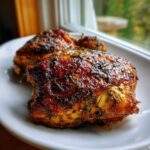
Learn the techniques for applying salt, herbs, and spices to achieve optimal flavor and crust development when cooking food in the oven.
- Prep Time: 15 min
- Cook Time: 45 min
- Total Time: 60 min
- Yield: 4 servings
- Category: Technique Guide
- Method: Roasting
- Cuisine: General
- Diet: Vegetarian
Ingredients
- Coarse salt (Kosher or sea salt)
- Freshly ground black pepper
- Dried herbs (e.g., thyme, rosemary)
- Fresh herbs (e.g., parsley, sage)
- Spices (e.g., paprika, garlic powder, onion powder)
- Fat or oil (e.g., olive oil, melted butter)
- Protein (e.g., chicken, beef)
- Vegetables (e.g., potatoes, carrots)
Instructions
- Determine the food type. Proteins require different seasoning approaches than vegetables.
- For dry seasoning, mix your salt, pepper, and dry spices in a bowl to create an even blend. This prevents clumping.
- Apply fat or oil first. Lightly coat the food surface. The fat helps the seasoning adhere and promotes browning.
- Distribute the seasoning evenly. For large cuts of meat, gently rub the seasoning mix over the entire surface, including crevices. For vegetables, toss them in a bowl with the seasoning and oil until lightly coated.
- For maximum flavor penetration on proteins, season at least 40 minutes before cooking, or season the night before and refrigerate uncovered. This allows the salt to draw out moisture, dissolve, and then reabsorb, seasoning the meat deeper.
- For vegetables, season immediately before placing them in the oven to prevent the salt from drawing out too much moisture prematurely, which can lead to steaming instead of roasting.
- When using wet marinades, pat the food surface mostly dry before applying a final light dusting of salt and pepper just before cooking. This helps develop a better crust.
- Place food in the preheated oven. High heat (400°F or above) helps set the crust and concentrate surface flavors quickly.
- If using fresh herbs, add them during the last 15 minutes of cooking to prevent burning, unless they are incorporated into a finishing butter or sauce.
Notes
- Use coarse salt for roasting; fine table salt dissolves too quickly and can lead to over-salting in spots.
- When seasoning vegetables, place them in a single layer on the baking sheet to allow hot air circulation, which aids in flavor concentration.
- For convection ovens, reduce the temperature by 25°F, as the circulating air cooks faster and can dry out seasoning if the temperature is too high.
- Taste your seasoning mix before applying it to the food to gauge its intensity.
Nutrition
- Serving Size: 1 portion
- Calories: 150
- Sugar: 2
- Sodium: 450
- Fat: 10
- Saturated Fat: 1
- Unsaturated Fat: 8
- Trans Fat: 0
- Carbohydrates: 5
- Fiber: 1
- Protein: 10
- Cholesterol: 30
Find it online: https://tasteedition.com/perfectly-seasoned-oven-guide/