

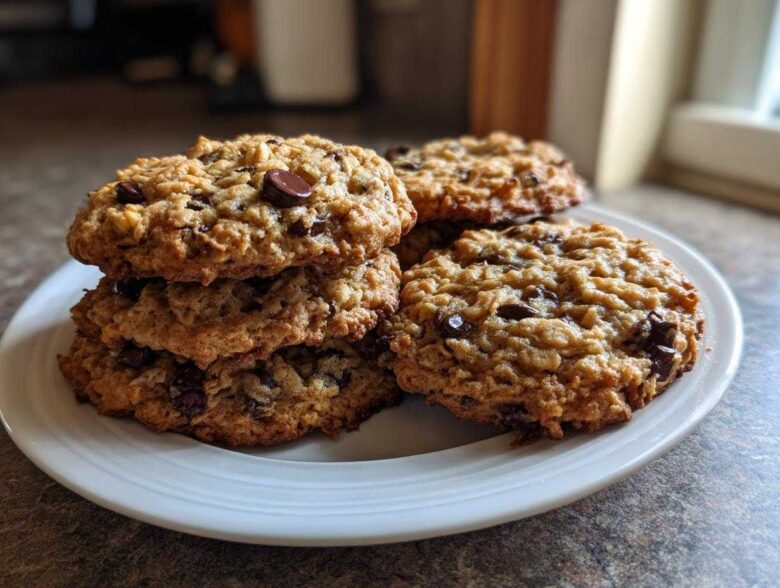
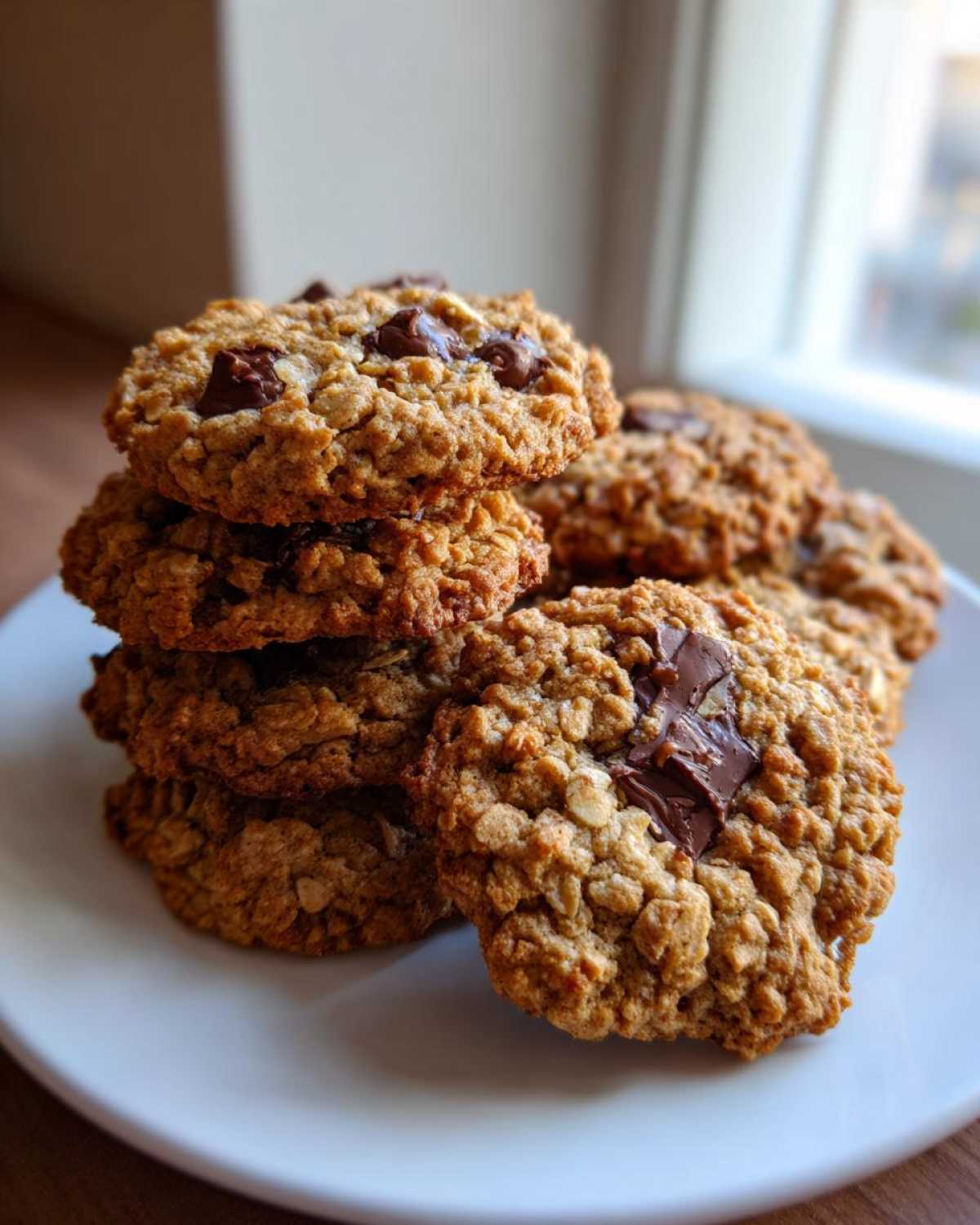
Oh, you know that feeling, that moment when your hand reaches for a cookie, and it’s just the right texture? Not too hard, not too crumbly, but perfectly yielding? That’s what we’re chasing today, my friends! Forget those dry, sad discs you find in the back of the pantry. I’m giving you the keys to the absolute best oatmeal cookie recipe—the one that people fight over at family potlucks. Seriously, this recipe for Classic Soft and Chewy Oatmeal Cookies has been through the wringer in my kitchen. It’s the one I whip up when comfort is non-negotiable. It became our family’s staple after my first batch vanished in about ten minutes flat. Get ready for chewy perfection!
Why This Classic Oatmeal Cookie Recipe Works So Well
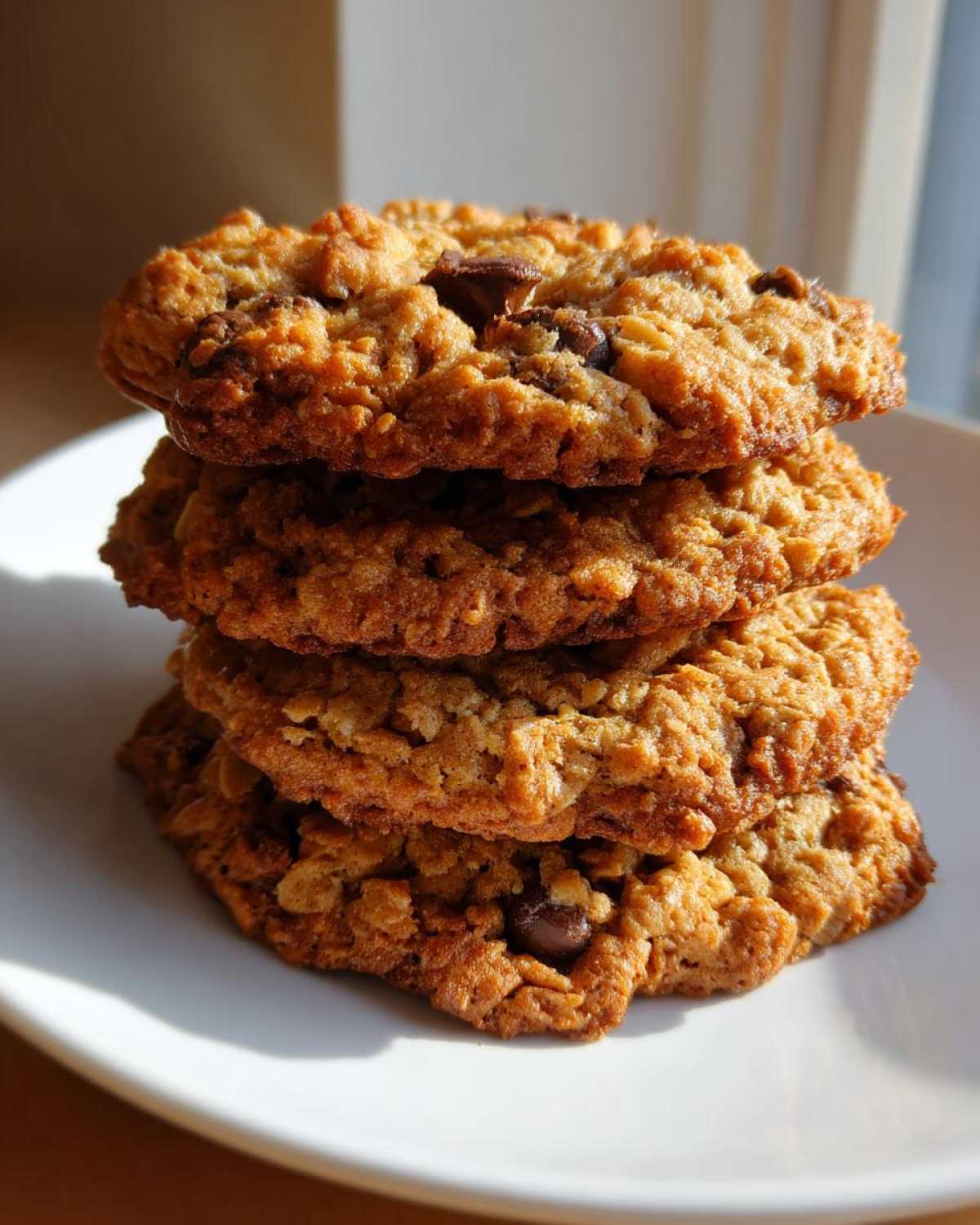
We need to talk about texture for a minute, because that’s what separates a good cookie from the legendary ones. These are hands-down the best chewy oatmeal cookies you’ll ever make. The real magic that keeps them so wonderfully soft and moist isn’t some secret ingredient; it’s how our classic ingredients interact. I’ve seen people try to rush this, but trust me, ignoring the fundamentals means missing out on that perfect bite.
Speaking of secrets, if you want to see how I make my molasses crinkle cookies achieve that amazing crackle, you should click over there later. But back to the oats!
Achieving the Perfect Soft Baked Oatmeal Cookies Texture
It all comes down to that sugar ratio, honey. We use way more brown sugar than white sugar because the molasses in brown sugar is hydroscopic—that just means it loves soaking up moisture and holding onto it. That’s your ticket to moist oatmeal cookies that don’t dry out overnight. Also, butter must be softened, not melted! When you cream that soft butter with the sugars, you whip in air, giving you that beautiful lift. And for the love of goodness, use old-fashioned rolled oats. Those quick-cooking oats dissolve too much and give you goo instead of that satisfying, hearty chew we’re after for soft baked oatmeal cookies.
Gathering Ingredients for Your Homemade Oatmeal Cookies from Scratch
Okay, the mixing bowl is waiting, and now we just need the troops! Honestly, the quality of your ingredients is what pushes these over the edge from just ‘good’ to ‘call-the-neighbors’ status. This whole process is really simple for homemade oatmeal cookies from scratch, but you need to have everything ready to go before you start creaming that butter. Don’t try to substitute willy-nilly here; stick close to what I’ve written down, and you’ll have the absolute best batch!
Essential Components for the Best Oatmeal Cookies
Here is what you have to wrangle for this recipe. Trust me, having this list ready is half the battle:
- 1 cup (2 sticks) unsalted butter, softened to room temperature—nice and pliable!
- 1 cup packed light brown sugar (darker means more chew!)
- 1/2 cup granulated sugar
- 2 large eggs, straight from the fridge is fine
- 1 tablespoon vanilla extract (the real stuff, please; the clear plastic bottle stuff just doesn’t cut it here)
- 1 1/2 cups all-purpose flour
- 1 teaspoon baking soda
- 1 teaspoon ground cinnamon (this gives that comforting background warmth)
- 1/2 teaspoon salt
- 3 cups old-fashioned rolled oats (not the instant kind—we need the body they provide!)
- 1 cup semi-sweet chocolate chips or raisins (I’m grabbing the chocolate chips for my batch today, but you choose your adventure!)
Step-by-Step Instructions for Easy One Bowl Oatmeal Cookies
And now for the fun part—let’s bring this glorious dough to life! This is truly one of the best easy one bowl oatmeal cookies methods out there, meaning cleanup is a breeze, which is perfect for when those cravings hit for quick and easy cookie recipes. We are basically making magic happen right in that one big bowl. Preheat that oven to 350°F (175°C) and get your sheets lined with parchment paper first; trust me, you don’t want to be searching for paper halfway through mixing! For more cozy baked goods perfect for this time of year, you absolutely must check out my guide on cinnamon apple baked oatmeal cups.
Mixing the Wet Ingredients for Your Oatmeal Cookie Dough
First things first, grab your softened butter and both sugars. Beat them together until they are visibly lighter and fluffy. This might take a solid three or four minutes with a hand mixer—don’t rush it! That air you’re whipping in is crucial for texture. Next, we add the eggs. This is important: add them one at a time, beating well after each addition. And here’s my biggest tip for consistency: halfway through, stop the mixer and grab a spatula! Scrape down the entire sides and bottom of the bowl. Sugar hiding down there means uneven mixing, and we deserve perfect results!
Combining Dry Ingredients and Incorporating Oats
While the mixer is resting from the wet ingredients, take a separate, small bowl and quickly whisk your flour, baking soda, cinnamon, and salt together. We do this so the baking soda is evenly distributed—otherwise, you get one big salty bite! Now, you add this dry mix to your wet mixture slowly, usually in three additions, mixing on low speed. Stop mixing the second you don’t see any more flour streaks. Overmixing will make your final oatmeal cookie tough! Once combined, fold in those beautiful 3 cups of oats and whatever mix-ins you chose.
Baking and Cooling the Oatmeal Cookie
Scoop rounded tablespoons onto your prepared sheets, spacing them out—they spread a bit! Slide them into that 350°F oven and set your timer for 10 to 12 minutes. Here’s the secret to chewiness: when you pull them out, the edges should look golden brown, but the centers should still look a tiny bit puffy and underbaked. They firm up fast! Let them sit right there on the hot baking sheet for a full five minutes. Honestly, don’t touch them! They are setting up during that time. After five minutes, gently move them to a wire rack to cool completely.
Tips for Success When Making the Ultimate Oatmeal Cookie
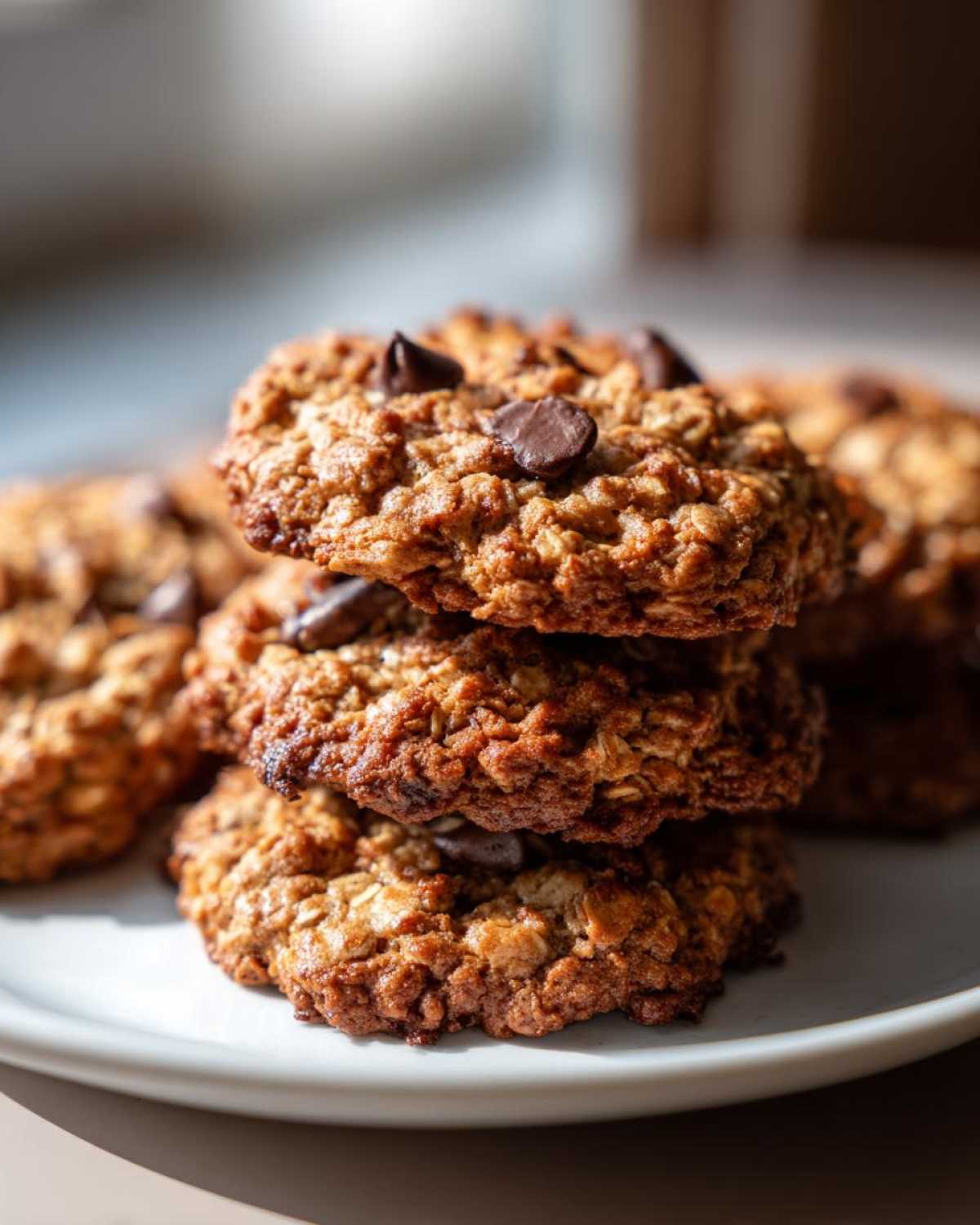
Even with the best recipe in hand, the way you handle the dough right before baking can change everything! I’ve learned a few tricks over the years to guarantee these turn out exactly how I want them every single time. If you’re aiming for that perfect soft baked oatmeal cookies texture, listen up, because these little adjustments are game-changers. I even used some of these tricks when baking my delicious chai-spiced oatmeal cookies!
Controlling Texture: Chewy vs. Crispy Oatmeal Cookie
So, do you want them chewy or do you want slightly crispy edges? You get to choose! If you want them ultra-chewy, like the recipe notes say, pull them out when the middle still looks just barely wet. They keep setting up on the pan. If you want them crunchier, just bump that time up by another minute or two until they look uniformly golden. Another great trick that helps manage spread and chewiness is chilling the dough! If your kitchen is suddenly very warm, or if your butter wasn’t quite as cool as it should have been, roll those dough balls and stick them in the fridge for 30 minutes. Chilled dough spreads less, resulting in thicker, chewier cookies. You can even add just a touch less flour next time if you want them softer, but be careful not to go overboard!
Oatmeal Cookie Variations: Chocolate Chip or Raisin
This core recipe is the perfect foundation for whatever you might be craving today. Are you on Team Chocolate Chip or Team Raisin? Either way, this base oatmeal cookie dough handles the switch like a champ! I always have the ingredients on hand for both so I can make half and half whenever I bake a double batch. It’s so nice to have options sitting on the cooling rack!
Making Oatmeal Chocolate Chip Cookies Recipe
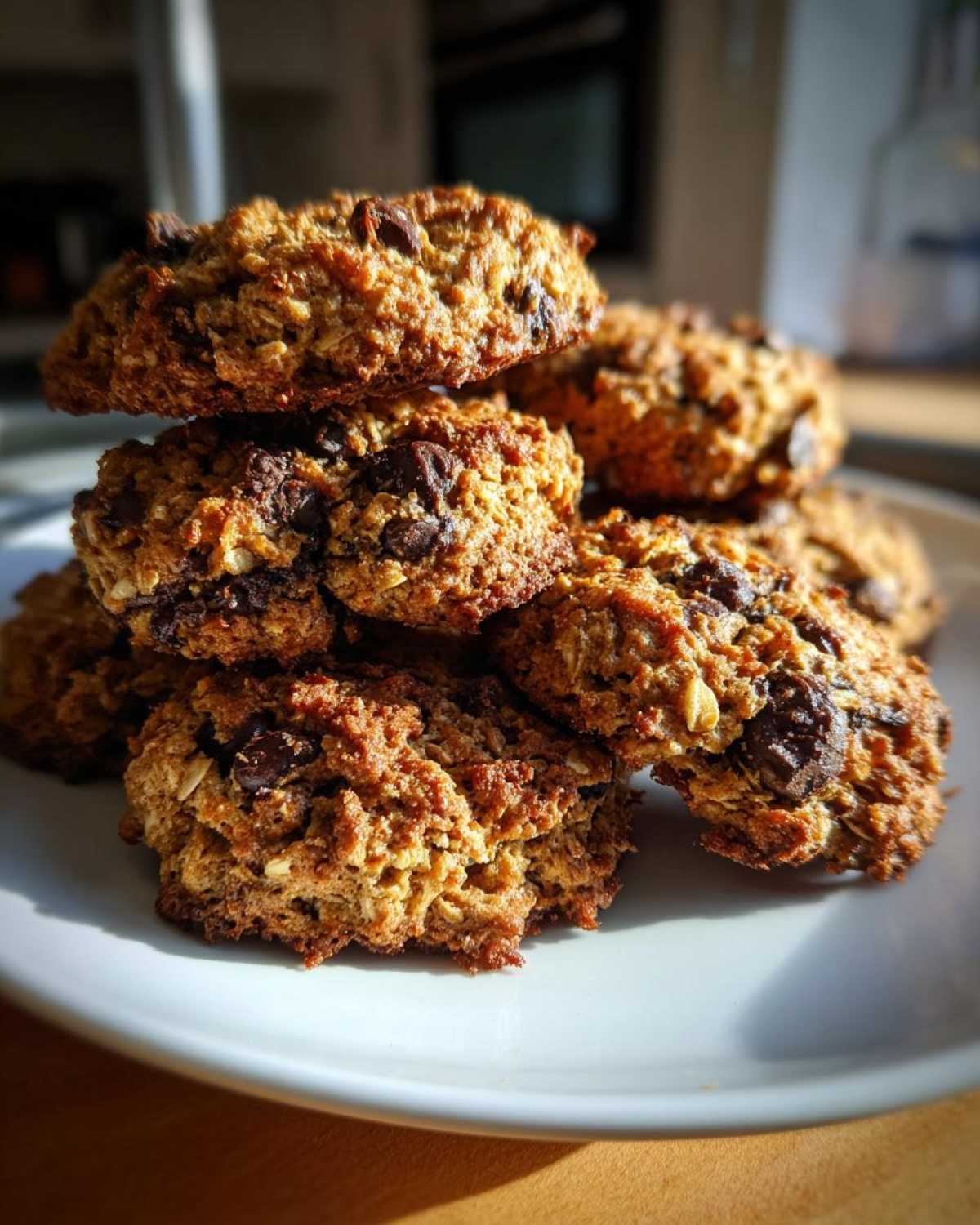
If you’re going for the chocolate chip route, please, please use good quality chips. I’m a huge fan of semi-sweet because the slight bitterness cuts through the sweetness of the brown sugar perfectly. Don’t just throw them in—fold them in gently at the very end so you don’t crush them! If you love chocolate, you have to check out my chocolate-dipped orange shortbread recipe when you’re done here, too!
Making Oatmeal Raisin Cookies Soft and Chewy
Raisins can sometimes bake up small and hard, and nobody wants that in their oatmeal raisin cookies soft and chewy experience. My trick is simple: take your raisins and soak them in a little warm water for about ten minutes while you’re measuring the flour. I cheat sometimes and use a tiny splash of dark rum if I’m feeling festive! Just pat them gently dry before you fold them into the dough so they don’t add extra liquid to the mix.
Storage and Keeping Your Oatmeal Cookie Fresh
These cookies are so good, you might actually have leftovers, lucky you! But if you do, keeping that perfect soft texture is key. Nobody wants a stale cookie the next day, right? I’ve got my foolproof methods for keeping them tasting like they just came out of the oven, even three days later. This little bit of planning ensures every batch is a winner, which is important for me when I share these homemade oatmeal cookies from scratch!
Make‑Ahead and Freezer Tips for Cookie Dough
Listen, sometimes you just don’t have 27 minutes to whip up a batch! Cookie dough freezes like a dream, so I always make extra. Once your dough is mixed—and before you add the oats—you can wrap it tightly and stick it in the fridge for up to three days. But if you want to save it for weeks, scoop the dough into balls onto a parchment-lined tray. Stick that tray straight into the freezer until the balls are rock solid. That’s the flash freeze, and it stops them from sticking together!
Once those little dough balls are frozen solid, toss them into an airtight freezer bag. When the craving hits, remember two things: First, don’t thaw them! You bake them straight from frozen. Second, you just need to add a few extra minutes to the bake time—I usually add about 3 to 4 minutes to the standard 10 to 12. They bake up perfectly chewy right through the middle. It’s the best secret for having fresh cookies anytime!
Addressing Common Oatmeal Cookie Questions (FAQ)
I get so many messages floating around about baking troubles, and honestly, I love helping troubleshoot! Sometimes people try to turn this recipe into something it’s not, and that’s when things go a little sideways. So, let’s clear up some of the most frequent things I hear about making these oatmeal cookie masterpieces. If you have other questions, you can always check out my main recipe index, but usually, the answers are right here!
Can I make this a healthy oatmeal cookies recipe?
Oh, bless your heart, you always want to sneak in the good stuff, don’t you? You can absolutely tweak this to be a bit healthier, but you have to accept that your texture will shift a little. If you want to cut down on fat, the recipe notes mentioned swapping out half the butter for unsweetened applesauce. It works! The cookie will be softer and less rich, more like a breakfast item. You can also swap half the white flour for whole wheat flour, but that will make the finished cookie a little heartier and definitely chewier. It changes the whole profile of this recipe, though, so approach with caution!
Why did my oatmeal cookie spread too much?
This is the number one sad story I hear, and it almost always boils down to one thing: the butter was too warm! If your butter is greasy or melted, you lose all that crucial air you whipped in during the creaming stage. When it hits the heat, it just collapses into a puddle. Another reason is if you didn’t use enough oats or flour relative to the fat. If the dough feels almost wet when you scoop it, it’s going to melt right over the pan. Next time, make sure that butter is just soft enough to indent slightly, but still feels cool to the touch!
What is the best type of oat for a chewy oatmeal cookie?
If you want the very best chewy oatmeal cookie—the one with texture, the one that stands up to being dunked in milk—you simply have to stick with old-fashioned rolled oats. Those are the standard, hearty flakes you buy in the canister. They keep their shape during baking, giving you that satisfying bite. Quick oats turn mushy because they are rolled thinner and partially cooked. And forget steel-cut oats; those are rock hard! Stick to the old-fashioned kind for any recipe where chewiness is the goal.
Estimated Nutritional Data for This Oatmeal Cookie
Okay, I know some of you are watching those numbers, and I totally get it! While baking is all about joy, it’s good to know what you’re eating, especially when these go down so easily. I’ve put together a little chart here for you based on what the recipe yields. Please remember this is just an educated guess, folks! If you use dark chocolate instead of semi-sweet, or if you pour on a heavy layer of frosting later (which I highly recommend!), these numbers will certainly change. This is just for one of those amazing, soft cookies right from the standard batch.
Here’s the breakdown for about one cookie:
- Serving Size: 1 cookie
- Calories: 180
- Fat: 9g (with 5g of that being saturated—butter!).
- Carbohydrates: 24g
- Protein: 3g
- Sugar: 12g (That’s the brown sugar doing heavy lifting!)
It’s a pretty decent snack for having that satisfying oatmeal base, I think! They aren’t low-sugar by any stretch, but they are packed with flavor that lasts, unlike those sad empty-calorie things out there.
Share Your Perfect Oatmeal Cookie Creations
That’s it! You have officially made what I believe is the blueprint for the classic oatmeal cookie recipe. Hopefully, your kitchen smells as amazing as mine does right now. But I never want to just send you off without a happy little nudge to come back and share your success!
Seriously, I live for hearing how these turned out for you. Did you decide to go half chocolate chip and half raisin? Did you try chilling the dough for an extra chewy result? Drop a star rating right down there—it helps other bakers find this perfect recipe, and honestly, I get so excited seeing those stars light up!
If you want to send me photos, ask a specific question, or just tell me how fast they disappeared, head over to my contact page! Happy baking, everyone. Now go enjoy that amazing, soft, chewy goodness!
PrintClassic Soft and Chewy Oatmeal Cookies
Make the best chewy oatmeal cookies from scratch using this easy one bowl recipe. These homemade oatmeal cookies are moist and perfect for a snack or dessert.
- Prep Time: 15 min
- Cook Time: 12 min
- Total Time: 27 min
- Yield: About 3 dozen cookies
- Category: Dessert
- Method: Baking
- Cuisine: American
- Diet: Vegetarian
Ingredients
- 1 cup (2 sticks) unsalted butter, softened
- 1 cup packed light brown sugar
- 1/2 cup granulated sugar
- 2 large eggs
- 1 tablespoon vanilla extract
- 1 1/2 cups all-purpose flour
- 1 teaspoon baking soda
- 1 teaspoon ground cinnamon
- 1/2 teaspoon salt
- 3 cups old-fashioned rolled oats
- 1 cup semi-sweet chocolate chips or raisins (optional)
Instructions
- Preheat your oven to 350°F (175°C). Line baking sheets with parchment paper.
- In a large bowl, cream together the softened butter, brown sugar, and granulated sugar until light and fluffy.
- Beat in the eggs one at a time, then mix in the vanilla extract.
- In a separate medium bowl, whisk together the flour, baking soda, cinnamon, and salt.
- Gradually add the dry ingredients to the wet ingredients, mixing on low speed until just combined. Do not overmix.
- Stir in the rolled oats. If using, fold in the chocolate chips or raisins.
- Drop rounded tablespoons of dough onto the prepared baking sheets, spacing them about 2 inches apart. For thicker cookies, press the dough balls down slightly.
- Bake for 10 to 12 minutes, or until the edges are golden brown and the centers are still slightly soft.
- Let the cookies cool on the baking sheet for 5 minutes before transferring them to a wire rack to cool completely.
Notes
- For extra chewy oatmeal cookies, slightly underbake them. They will set as they cool.
- If you prefer crispier edges, increase the baking time by 1-2 minutes.
- You can substitute applesauce for half the butter to make a slightly healthier oatmeal cookies recipe.
Nutrition
- Serving Size: 1 cookie
- Calories: 180
- Sugar: 12
- Sodium: 110
- Fat: 9
- Saturated Fat: 5
- Unsaturated Fat: 4
- Trans Fat: 0
- Carbohydrates: 24
- Fiber: 1
- Protein: 3
- Cholesterol: 30