

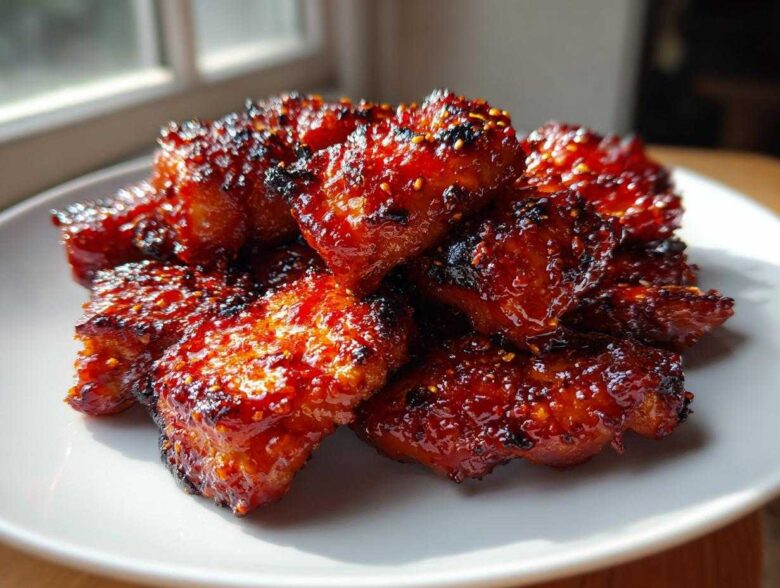
Oh, friend, do I know the weeknight dinner struggle! You want something exciting, something that tastes like hours of careful cooking, but you only have about thirty minutes before everyone starts asking what’s for dinner. I used to just default to boring Tuesday fare, but not anymore! This Sticky Honey Gochujang Chicken has completely changed my life. I swear, it hits the sweet spot, the spicy spot, and the ‘I need takeout flavor right now’ spot all at once. It’s my go-to recipe when I need a super fast Korean Inspired Dinner on the table without breaking a sweat. Seriously, this gochujang chicken is pure magic!
Why This Sticky Honey Gochujang Chicken Recipe Works (Easy Weeknight Chicken)
When I first tried to nail down a proper Korean-inspired dish during the week, I kept running into recipes that demanded marinating overnight. Who has time for that on a Wednesday? This gochujang chicken cuts through all that waiting! We’ve balanced the flavors so perfectly here that you don’t need to marinate for hours to get that amazing depth. Trust me, this flavor combination is tried, tested, and certified for maximum weeknight dinner satisfaction.
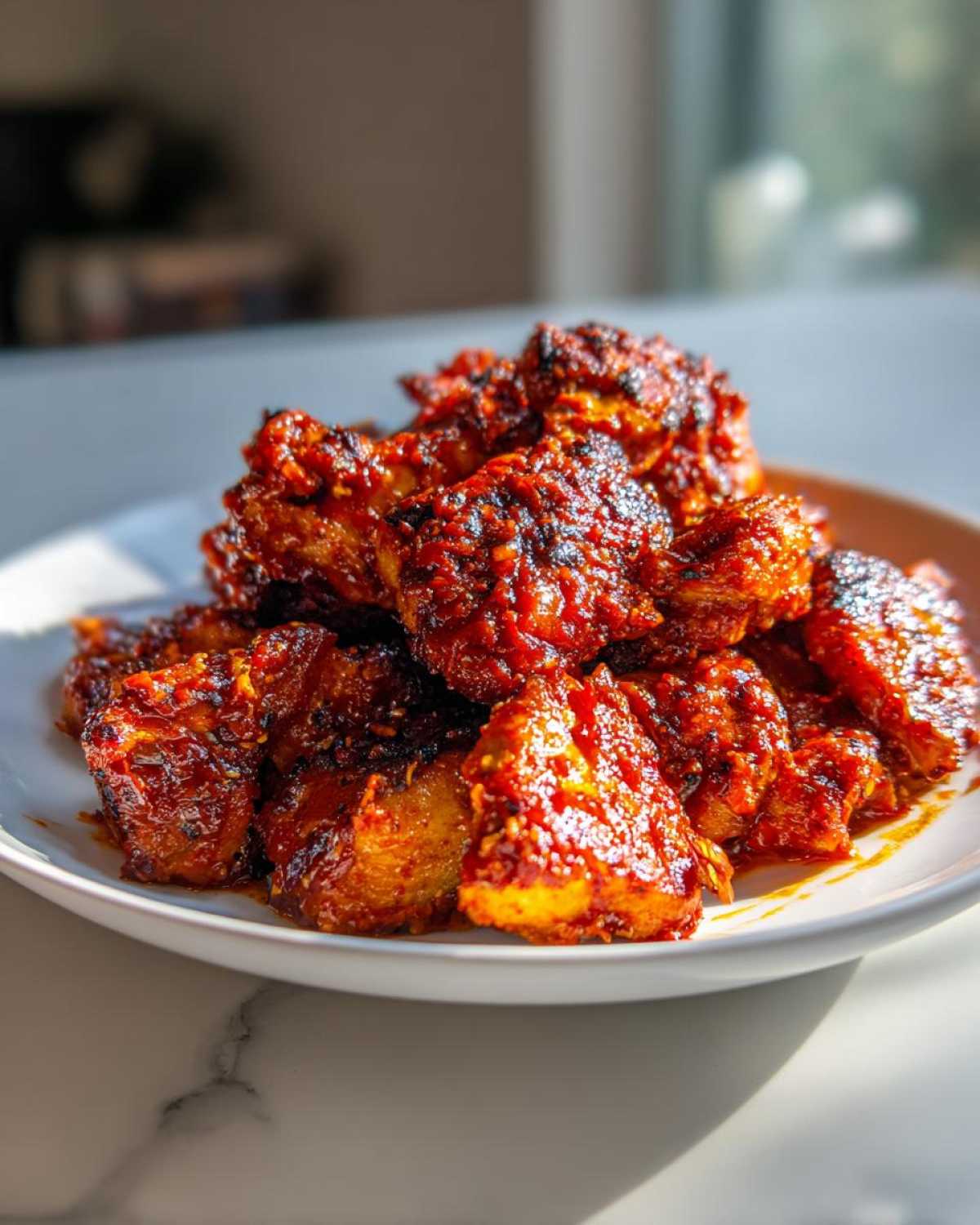
- This recipe clocks in around 30 minutes total, making it one of my fastest Weeknight Chicken options.
- It delivers that deeply satisfying sweet and spicy experience everyone craves from this style of dish.
- We use chicken thighs because they stay incredibly juicy under the sauce, which means you get tender, juicy chicken every time.
Quick Prep for Your Korean Chicken Dinner
Honestly, the prep is next to nothing. You’re only chopping the chicken into bite-sized pieces, mincing a couple of garlic cloves, and grating a little ginger. That’s it! Because we use chicken thighs that sit right in the pan, there’s very little cleanup involved. That’s why I call this my ultimate Easy Weeknight Chicken—less time prepping means more time relaxing after dinner.
Achieving the Perfect Sweet and Spicy Chicken Glaze
This is where the magic happens! The balance is crucial here, which is why I underline the honey and the gochujang. You need the floral sweetness of the honey to temper the sharp heat of the chili paste. Then, we use a tiny bit of cornstarch mixed with water—that slurry is the secret ingredient that turns a runny sauce into a thick, unbelievably glossy coating that clings beautifully to every piece of chicken. It’s what makes the final dish look like it came straight from a great Korean restaurant. If you loved the simple shine this gives, you should check out how I get that same stickiness in my honey garlic chicken recipe—it uses a similar technique!
Ingredients for Your Best Gochujang Chicken
When putting together this Gochujang Chicken Recipe, the quality of your ingredients really shines through, even though it’s so quick to make. Don’t worry about complicated marinades; we build the flavor right in the pan! I always like laying out everything before I start cooking because timing is everything, especially when that sauce starts thickening up fast.
Use good quality gochujang—that’s key for that authentic flavor! If you’re looking for ways to prep chicken ahead of time for speedier meals overall, my guide on easy chicken marinade techniques has some great ideas, though this recipe is quick enough to do from scratch!
- 1.5 lbs boneless, skinless chicken thighs, cut into 1-inch pieces
- 1 tablespoon neutral oil (like canola or vegetable)
- 2 cloves garlic, minced
- 1 teaspoon fresh ginger, grated
- 1/4 cup gochujang (Korean chili paste)
- 3 tablespoons honey
- 2 tablespoons soy sauce
- 1 tablespoon rice vinegar
- 1 teaspoon sesame oil
- 1/4 cup water
- 1 teaspoon cornstarch
Step-by-Step Instructions for Sticky Gochujang Sauce Chicken
Okay, let’s get this incredible Gochujang Chicken on the stove! This whole process moves quickly once you get started because we’re relying on high heat and instant sauce thickening. I like to have my rice ready to go before I even hit the stovetop. If you’re looking for a fantastic way to serve this sticky goodness over rice, make sure you check out my tips for making killer chicken fried rice!
Preparing and Searing the Chicken
First things first: grab those chicken thighs and pat them aggressively dry with paper towels. Seriously, don’t skip this! Dry chicken sears beautifully; wet chicken steams, and we want that gorgeous golden-brown color. Heat your oil in a big skillet over medium-high heat—it needs to be hot enough to sizzle when the chicken goes in. Toss the pieces in and let them cook undisturbed for about five to seven minutes until they’re nicely browned on all sides. Once they are cooked through and look ready, scoop them out and set them aside for a minute.
Building the Flavorful Sticky Gochujang Sauce
Now, keep that heat on medium—we’re making an aromatic base now. Toss in your minced garlic and grated ginger. They only need about 30 seconds to start smelling amazing, so stand right there! While those are warming up, quickly whisk together the gochujang, honey, soy sauce, vinegar, sesame oil, and water in a separate little bowl. Pour that whole mixture right into the pan. Let it bubble for a moment, and then comes the secret to the gloss: cornstarch slurry! Mix one teaspoon of cornstarch with one tablespoon of cold water, whisk it into the sauce, and stir constantly. It’ll thicken up like magic in about a minute.
Finishing the Honey Gochujang Chicken
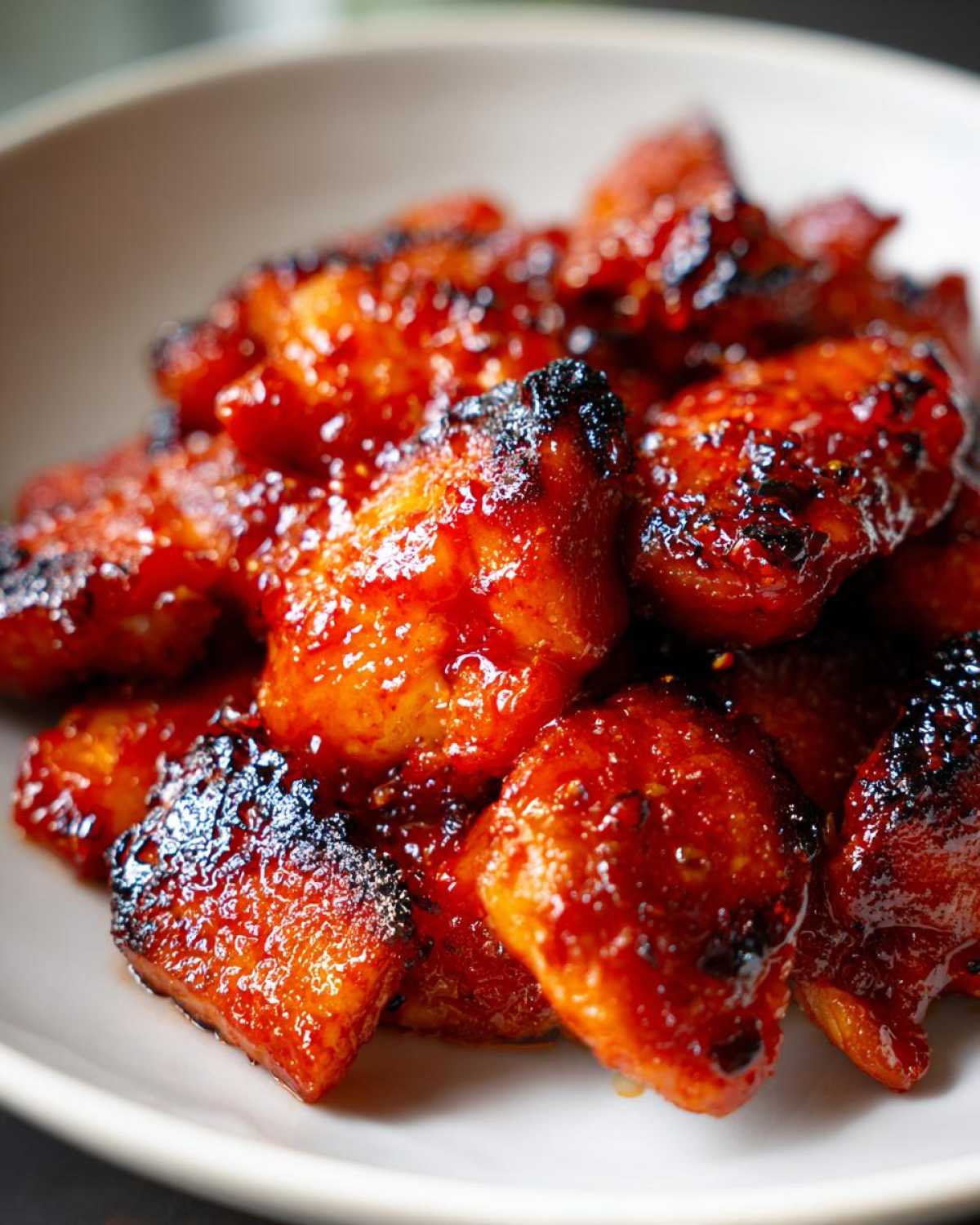
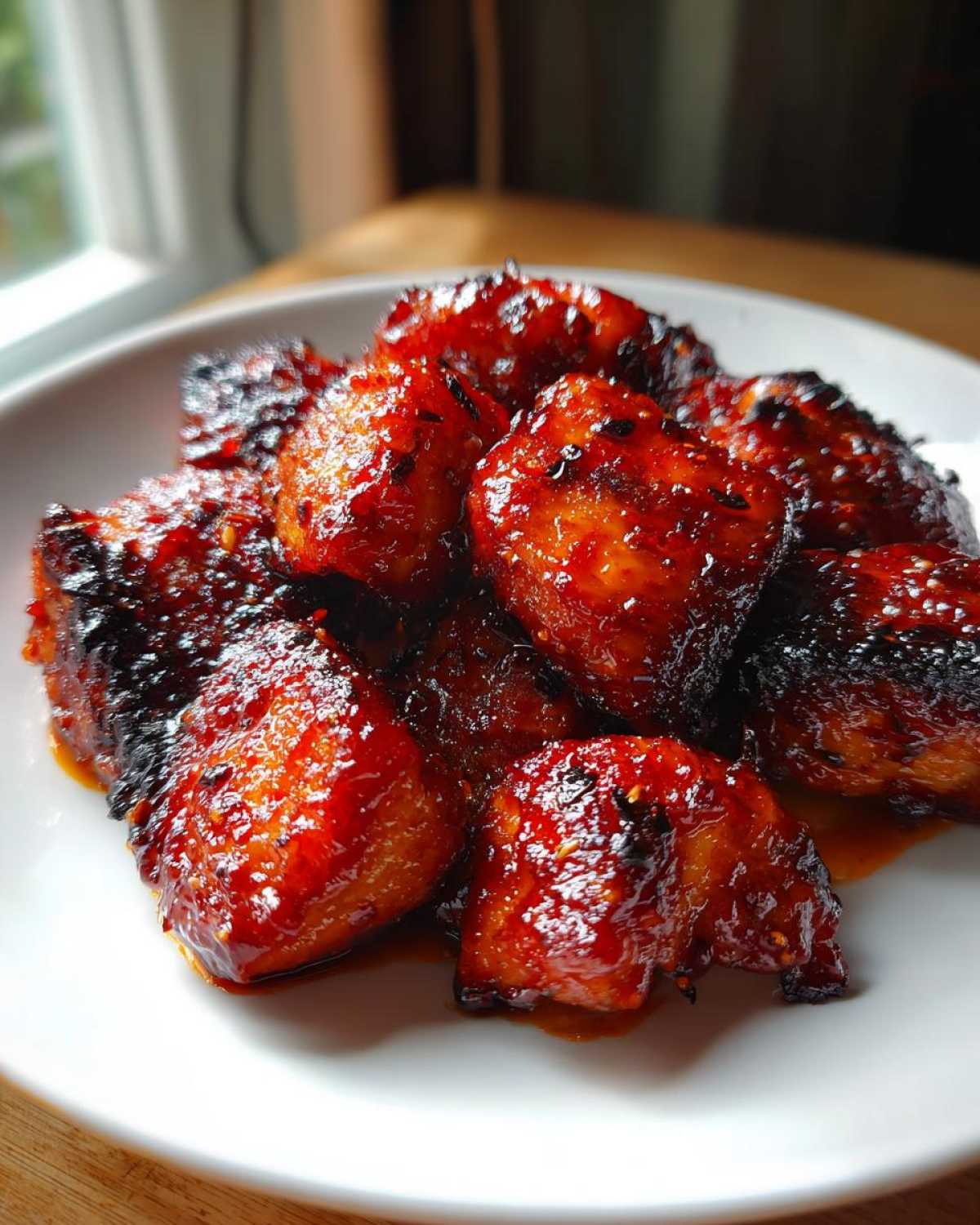
Once that sauce is looking thick and beautiful, return all your seared chicken pieces back into the pan. Now, you just toss and coat! Make sure every single piece is swimming in that beautiful, sticky coating. Let it cook for just one or two final minutes, stirring occasionally, until everything is sizzling hot and super glossy. That’s it! You’ve made the Best Gochujang Chicken in under 30 minutes. Don’t let it sit too long, though; that sauce is best enjoyed right when it’s hot and super sticky!
Tips for the Most Flavorful Chicken Dinner
Listen, making just good chicken is one thing, but making truly memorable gochujang chicken takes a couple of little secrets I’ve picked up over the years. This isn’t just about following steps; it’s about understanding the ingredients. If you want that deep, layered heat that defines great Korean cooking, listen up! I’ve found a few tweaks that really elevate this dish beyond a simple sweet-and-spicy coating, ensuring you get bold flavor every single time. Sometimes I even pair this with techniques I use for my amazing juicy Greek chicken, just focusing on keeping the protein tender!
Ingredient Notes and Substitutions (Gluten Free Gochujang Chicken Option)
First off, that gochujang paste—it varies! If you buy one that’s super dark and thick, you’re probably getting a more intense flavor, which is great for that Authentic Gochujang Flavor. If you find your particular batch is a little too spicy for your liking, don’t panic! Just swap out a tablespoon of the gochujang for maple syrup or a little extra honey. It smooths out the heat beautifully. And for my friends who can’t do gluten, here’s the easy fix: just swap the soy sauce for tamari. It acts exactly the same way in the sauce, keeping your Gochujang Chicken dish perfectly safe and delicious.
Baking Variation for Crispy Gochujang Chicken
If you’re not in the mood to stand over the skillet and stir, you can absolutely bake this! It gives you a slightly different texture—less intensely sticky right away, but still wonderfully flavorful. Toss your raw chicken pieces with about half of the total sauce mixture first, just enough to coat them lightly. Then, spread them out on a baking sheet. I bake mine at 400°F (200°C) for about 15 minutes. Then, take them out, toss them with the remaining sauce, and pop them back in for 5 more minutes. They come out amazing, slightly firmer, and you get closer to that Crispy Gochujang Chicken vibe!
Serving Suggestions for Your Gochujang Chicken Bowls
So, you’ve got this incredible, glossy, sticky gochujang sauce clinging perfectly to every piece of chicken. Now what? You need a base that can soak up all that deliciousness! The most natural way to serve this is over warm, fluffy white rice—it’s the perfect canvas for our Honey Gochujang Chicken. Seriously, stack that rice high!
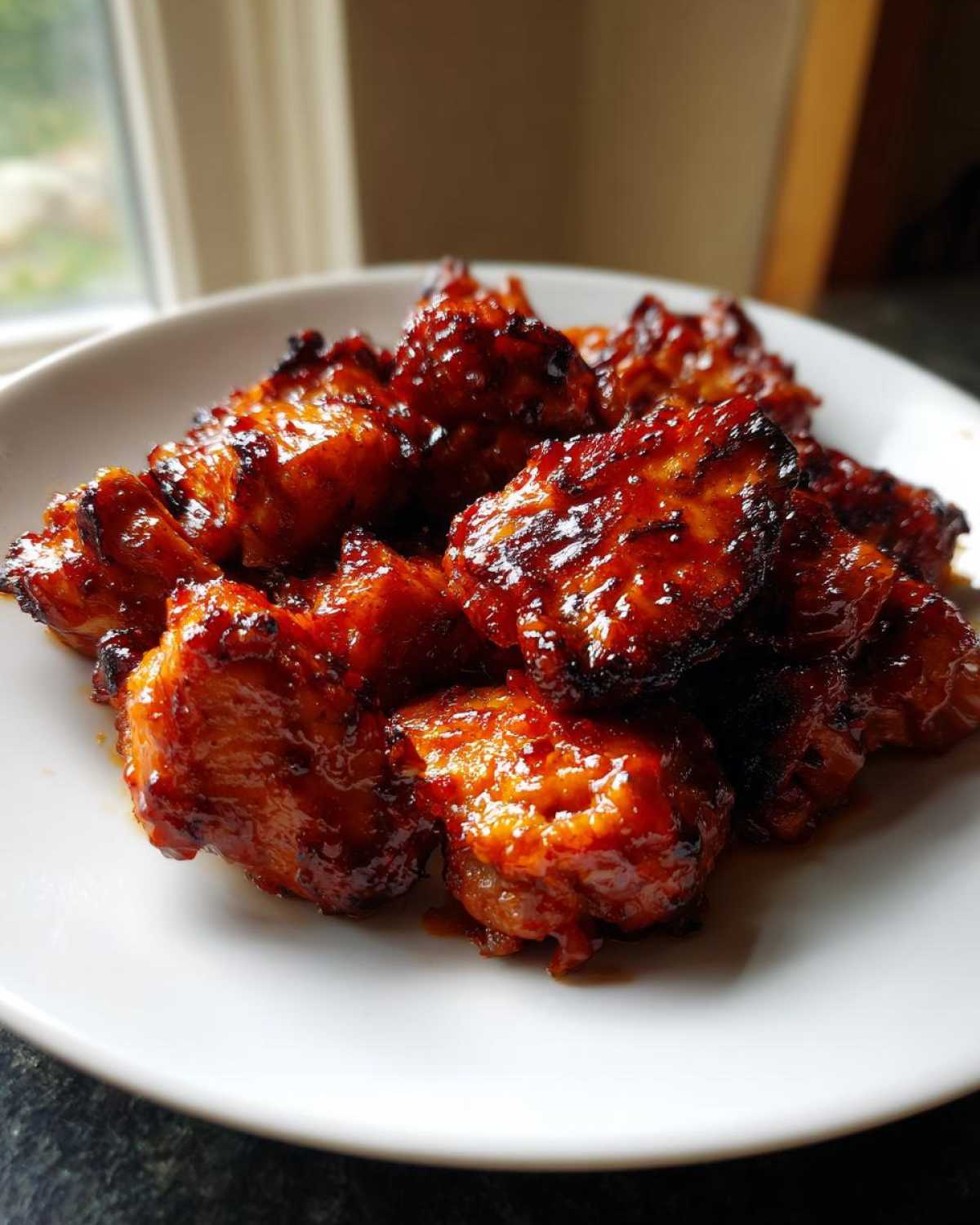
If you want to make it a full meal, tossing in some blanched broccoli or quick-pickled cucumber slices makes fantastic Gochujang Chicken Bowls. Presentation matters, even on a busy night, so don’t forget the garnishes. A sprinkle of toasted sesame seeds and thin slices of bright green onion on top just takes it over the edge. It adds texture and keeps the whole plate feeling fresh. For more robust bowl ideas, you can see how I build out structure in my cheeseburger bowl recipe—the component theory applies here too!
Storage and Reheating Instructions for Leftover Spicy Korean Chicken
The best thing about this gochujang chicken? It actually tastes even better the next day! When those flavors have a chance to mingle overnight, wowza! But you have to store it right so you don’t end up with soggy, sad chicken the next day. Always let the leftovers cool down completely before you put them away; stuffing a hot container into the fridge can cause condensation, which is the enemy of a good, sticky glaze.
I use glass containers with tight-fitting lids, making sure everything is sealed up properly. It stays perfectly good for about three days in the refrigerator. If you’re planning way ahead, you can definitely freeze it, but I usually try to eat it within a couple of days because it tastes so fresh. For reheating, skip the microwave if you can! The microwave is fierce and tends to make that beautiful glaze turn watery or overly thick. I prefer reheating it on the stovetop in a clean skillet over medium heat. That little bit of sizzle brings back the shine and gets the texture just right.
If you find yourself with too much leftover chicken and not enough time to eat it all, you can totally repurpose it! Instead of reheating it plain, shred it up and toss it into some tortillas with some slaw. You get amazing leftovers that turn into an entirely new, quick meal, kind of like how I transform shredded chicken for my easy chicken tacos. Either way, this Spicy Korean Chicken holds up beautifully!
Frequently Asked Questions About This Gochujang Chicken Recipe
I know when you’re deep into a new recipe, your brain lights up with little questions! That’s totally normal, especially when you’re trying to adapt things for your own kitchen. I’ve pulled together the things people ask me most often about this Honey Gochujang Chicken. Don’t worry if your pantry doesn’t match mine perfectly; we can usually make great swaps!
Can I use chicken breast instead of thighs?
Yes, you absolutely can swap chicken breast for the thighs, but you have to be careful with timing! Chicken breast is much leaner and really easy to dry out when you’re cooking it fast on high heat like this. If you use breast pieces, make sure they are cut slightly thicker, and watch them closely when searing. You want them golden brown, but pull them out of the pan about a minute sooner than the thighs, because they’ll finish cooking quickly once you toss them back in the sauce.
How long does gochujang keep once opened?
That big tub of red, spicy goodness lasts forever, mostly! Once you open your jar of gochujang, it should be stored in the refrigerator. Honestly, if you keep it tightly sealed, it can easily last for six months to a year. You’ll know it’s gone bad if you see mold or if it starts smelling sour, but usually, it’s still good long after the date on the jar. It’s super shelf-stable, which is great for stocking up for recipes like this Flavorful Chicken Dinner!
What is the best way to make this Air Fryer Gochujang Chicken?
Oh, I love the convection magic of the air fryer! This is very similar to the baking method I mentioned earlier. The key to making this Air Fryer Gochujang Chicken successful is coating the raw chicken pieces with only about half the sauce mixture before they go in. Toss them in the basket without overcrowding them! Run the air fryer at 380°F (195°C) for about 10-12 minutes. Then, pull them out, drizzle them with the remaining *uncooked* sauce, and cook for just 2-3 more minutes until that glaze really sets up. For more air fryer inspiration, check out my guide on making crispy air fryer parmesan chicken—the technique is similar for getting that final crisp!
Can I make this a Gluten Free Gochujang Chicken Option easily?
Yes, making this gluten-free is super simple! As I mentioned in the tips section, the only ingredient you usually need to worry about is the soy sauce. Just substitute it 1:1 with Tamari, which is essentially gluten-free soy sauce. That way, you still get all the salty, savory depth you need for the sauce without worrying about wheat. Gochujang paste itself is usually gluten-free, but always double-check the label on your jar just to be safe!
Estimated Nutritional Data for This Quick Asian Dinner
I always get asked about the macros, especially since this Gochujang Chicken Recipe uses lean chicken thighs and is relatively low in overall fat compared to deep-fried versions. Keep in mind that this is just an estimate based on the ingredients listed, and the nutrition will change a bit depending on how much glaze you actually use up in the pan!
If you are watching your intake, you’ll be happy to see that this recipe keeps the protein high while keeping the carbs manageable.
- Serving Size: 1 serving
- Calories: 380
- Protein: 40g
- Fat: 12g
- Carbohydrates: 25g
- Sugar: 18g (That’s where the honey comes in!)
- Sodium: 750mg
Please remember these numbers are just an estimate. If you serve it over a huge bed of rice, that’s adding to the total caloric load, naturally! For other low-carb ideas, you can look at how I structure my high-protein waffles recipe for balance.
Share Your Sticky Gochujang Chicken Success
Once you try this Chicken Thighs Recipe Korean Style, I desperately want to hear about it! Did you manage to get that perfect, glossy coat on your chicken? Did your family devour it in five minutes flat? Let me know! The very best part of sharing these quick, reliable recipes is seeing your results.
If you made this, please take a moment to leave a star rating right below this section. It helps out the blog so much! And if you snap a photo of your finished dish—maybe served up in one of those beautiful Gochujang Chicken Bowls—tag me on social media! I love seeing how you serve up your kitchen creations. Now go enjoy that incredible sweet and spicy chicken!
Estimated Nutritional Data for This Quick Asian Dinner
I always get asked about the macros, especially since this gochujang chicken recipe uses lean chicken thighs and is relatively low in overall fat compared to deep-fried versions. Keep in mind that this is just an estimate based on the ingredients listed, and the nutrition will change a bit depending on how much glaze you actually use up in the pan!
If you are watching your intake, you’ll be happy to see that this recipe keeps the protein high while keeping the carbs manageable.
- Serving Size: 1 serving
- Calories: 380
- Protein: 40g
- Fat: 12g
- Carbohydrates: 25g
- Sugar: 18g (That’s where the honey comes in!)
- Sodium: 750mg
Please remember these numbers are just an estimate. If you serve it over a huge bed of rice, that’s adding to the total caloric load, naturally! For other low-carb ideas, you can look at how I structure my high-protein waffles recipe for balance.
Share Your Sticky Gochujang Chicken Success
Once you try this Chicken Thighs Recipe Korean Style, I desperately want to hear about it! Did you manage to get that perfect, glossy coat on your chicken? Did your family devour it in five minutes flat? Let me know! The very best part of sharing these quick, reliable recipes is seeing your results.
If you made this, please take a moment to leave a star rating right below this section. It helps out the blog so much! And if you snap a photo of your finished dish—maybe served up in one of those beautiful Gochujang Chicken Bowls—tag me on social media! I love seeing how you serve up your kitchen creations. Now go enjoy that incredible sweet and spicy chicken!
PrintSticky Honey Gochujang Chicken
Make this quick, sweet, and spicy Gochujang Chicken for an easy weeknight dinner. The sauce creates a thick, glossy coating on pan-seared chicken thighs.
- Prep Time: 10 min
- Cook Time: 20 min
- Total Time: 30 min
- Yield: 4 servings
- Category: Dinner
- Method: Pan-Seared
- Cuisine: Korean Inspired
- Diet: Low Fat
Ingredients
- 1.5 lbs boneless, skinless chicken thighs, cut into 1-inch pieces
- 1 tablespoon neutral oil (like canola or vegetable)
- 2 cloves garlic, minced
- 1 teaspoon fresh ginger, grated
- 1/4 cup gochujang (Korean chili paste)
- 3 tablespoons honey
- 2 tablespoons soy sauce
- 1 tablespoon rice vinegar
- 1 teaspoon sesame oil
- 1/4 cup water
- 1 teaspoon cornstarch
Instructions
- Pat the chicken pieces dry with paper towels. Heat the oil in a large skillet over medium-high heat. Add the chicken and cook until browned on all sides, about 5-7 minutes. Remove chicken from the skillet and set aside.
- Reduce heat to medium. Add the minced garlic and grated ginger to the skillet. Cook for 30 seconds until fragrant.
- In a small bowl, whisk together the gochujang, honey, soy sauce, rice vinegar, sesame oil, and water until smooth.
- Pour the sauce mixture into the skillet. Bring to a simmer.
- In a separate small bowl, mix the cornstarch with 1 tablespoon of cold water to create a slurry. Whisk the slurry into the simmering sauce. Cook, stirring constantly, until the sauce thickens, about 1 minute.
- Return the cooked chicken to the skillet. Toss the chicken pieces until they are fully coated in the sticky sauce.
- Cook for 1-2 minutes more until the chicken is heated through and the glaze is glossy. Serve immediately over rice or in bowls.
Notes
- For a gluten-free option, substitute the soy sauce with tamari.
- If you prefer baked chicken, toss the raw chicken with half the sauce, bake at 400°F (200°C) for 15 minutes, then toss with the remaining sauce and bake for 5 more minutes.
- Garnish with sesame seeds and sliced green onions before serving.
Nutrition
- Serving Size: 1 serving
- Calories: 380
- Sugar: 18
- Sodium: 750
- Fat: 12
- Saturated Fat: 3
- Unsaturated Fat: 9
- Trans Fat: 0
- Carbohydrates: 25
- Fiber: 1
- Protein: 40
- Cholesterol: 110