

Mornings can be chaos, right? Between getting everyone moving and trying to find a matching sock, sometimes breakfast feels like the last thing you need to stress about. But breakfast deserves love, even on a Tuesday!
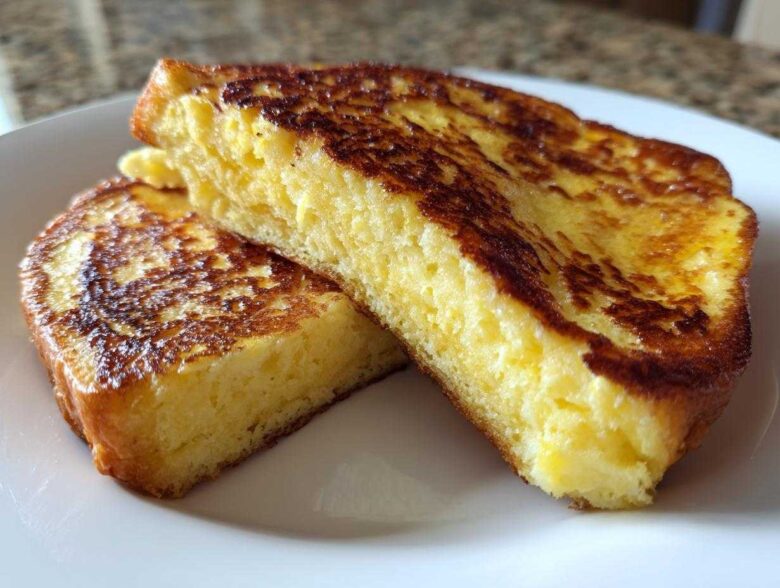
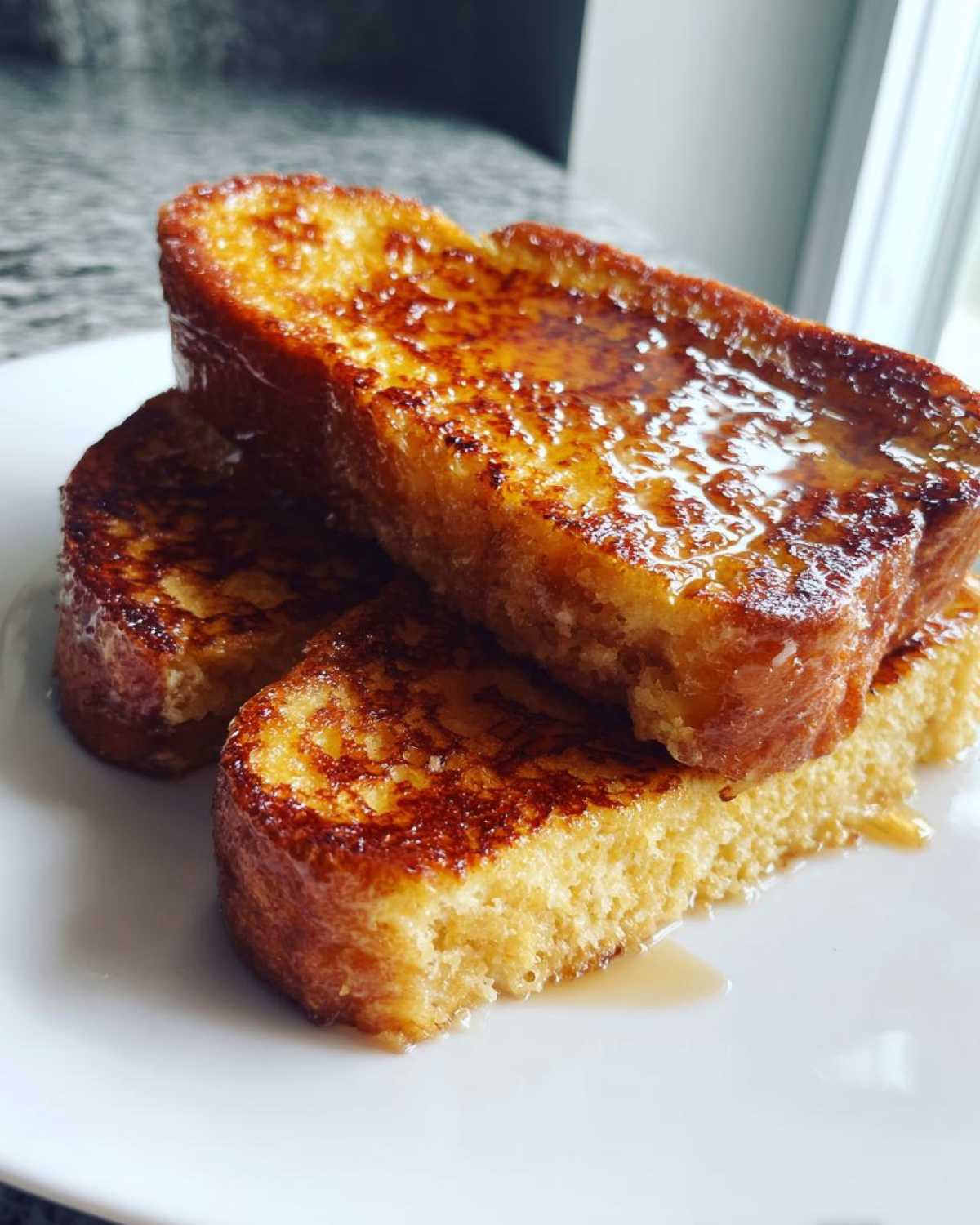
This is why I perfected my ultimate easy french toast recipe. Seriously, this isn’t some fussy restaurant version. We’re talking thick, perfectly golden-brown slices with that melt-in-your-mouth, custardy center that screams weekend brunch, yet it comes together in less than 20 minutes total. I spent way too many mornings dealing with soggy, uneven French toast before I cracked the code on the perfect soak time. Trust me, this staple breakfast is now my guaranteed win for a happy start to the day.
Why This is the Best Easy French Toast Recipe for Busy Mornings
I truly believe we shouldn’t have to sacrifice flavor for speed. That’s why this recipe is my go-to when the alarm clock feels a little too aggressive. It’s the absolute best when you need a quick french toast recipe that genuinely feels like a treat. We’re talking about a legitimate 15 minute breakfast, start to finish!
I remember one Sunday when we slept way too late, and everyone was starving before running out the door for sports practice. I whipped up a batch of this, and it looked and tasted like I’d been carefully planning it all morning. The kids were thrilled, and it saved my sanity. It’s simple, reliable, and always delivers that beautiful texture you see in cookbooks. If you need reliable breakfast staples, this little hack is a lifesaver.
Ingredients for Your Easy French Toast
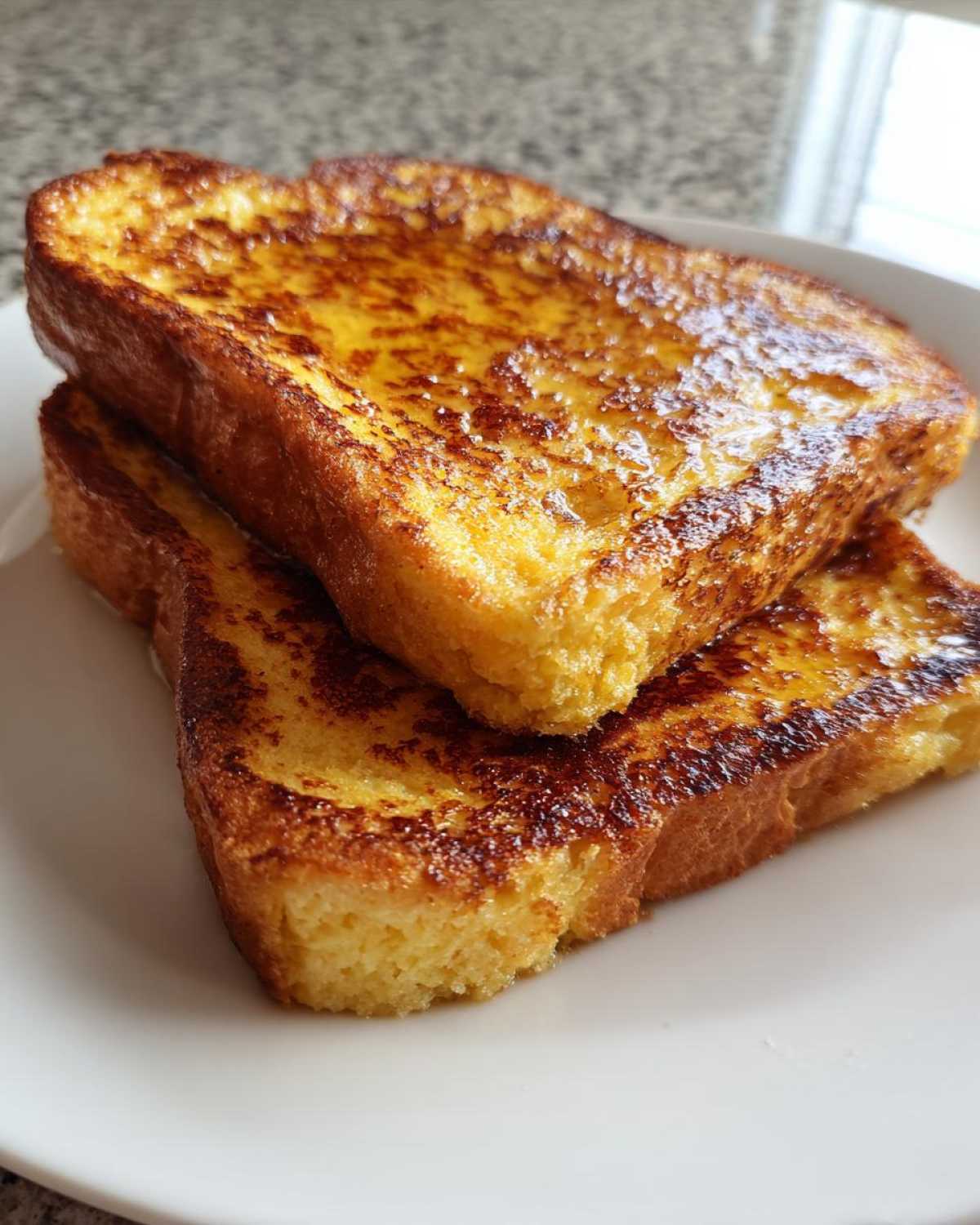
Okay, the beauty of this recipe is that it uses what you probably already have in your fridge! We aren’t messing around with fancy liqueurs or anything that requires a special trip to the market. For six slices of gorgeous, fluffy French toast, here’s what you’ll need:
- 6 slices thick bread (I prefer challah or brioche, you know the fluffy stuff!)
- 3 large eggs
- 1/2 cup whole milk (whole milk makes the best custard, seriously)
- 1 teaspoon vanilla extract
- 1/2 teaspoon ground cinnamon
- 1 tablespoon granulated sugar
- 1 tablespoon butter, for cooking (don’t skimp on the butter!)
If you’re looking for other easy morning options, check out this cinnamon baked oatmeal when you want something you can bake ahead.
Bread Selection for Optimal Results
The bread choice is huge for this easy french toast! You really, really want something thick—like an inch thick if you can manage it. Thin white bread will just turn into soup in that gorgeous classic french toast batter. If your bread is fresh, just leave it on the counter for an hour or so before you start. Slightly stale bread soaks up the custard better; it holds its shape and prevents that dreaded soggy middle.
Creating the Classic French Toast Batter
This is where the magic starts, but it’s so easy you’ll feel like you’re cheating! Grab a shallow dish—I use an 8×8 square pan—because it lets the bread soak evenly. Whisk those three eggs, whole milk, vanilla, cinnamon, and the tablespoon of sugar together until they are completely mixed. I mean it, you want zero streaks of clear egg white hanging around the bottom of the bowl.
If you see any unmixed egg, you risk little pockets of scrambled egg in your beautiful toast, and nobody wants that! We are aiming for that smooth, pale yellow liquid that promises incredible, custardy french toast every single time.
Step-by-Step Stovetop French Toast Instructions
This process is so straightforward, I promise you’ll be sitting down to eat before the coffee finishes brewing. We are using the stovetop for maximum speed and control to ensure that perfect texture.
- First things first: Get your skillet or griddle heating up over medium heat. This is important—too hot, and we burn on the outside and the inside stays raw.
- Once it’s warming, add half of your butter. You’ll know it’s ready when that butter melts quickly and starts to sizzle just gently against the pan.
- Now for the quick dip! Take one slice of that gorgeous bread and fully submerge it into your classic french toast batter. Let it sit for a solid 15 to 20 seconds on the first side, then flip and do the same for the second side.
- Carefully place that soaked bread onto your hot, buttery skillet.
- Let it cook patiently for about 3 to 4 minutes on that first side. Don’t press it down! We want it to rise up beautifully.
- Flip it gently and cook the second side for another 3 to 4 minutes. Remove it when it looks beautifully finished, which brings us to the heat management secret! Keep the leftover slices warm while you cook the rest, adding a tiny bit more butter for that fresh sizzle between batches.
- Serve immediately! If you’re making a big brunch, you can throw cooked slices on a baking sheet inside a 200°F oven while you finish the last few pieces.
If you skip overnight soaking but still want delicious results without all the morning fuss, check out this guide to cinnamon raisin overnight french toast—just not for this specific quick stovetop version!
Achieving Perfect Golden Brown French Toast
This is the critical part of making truly easy french toast that looks restaurant-worthy! You absolutely need medium, consistent heat. People always ruin this by cranking it up to medium-high, which results in charcoal edges and cold centers.
When you add that pat of butter to the pan, watch it closely. The second you see it melt and start to produce a fine, steady sizzle—that’s your signal. That sizzle means the heat is perfect for caramelizing the sugar coating on the batter without scorching it. If the butter browns instantly, your pan is smoking hot, so pull it off the burner for 30 seconds before adding the bread. That patience guarantees you get that perfect, even golden brown french toast all the way around.
Tips for Making Truly Fluffy French Toast Tutorial
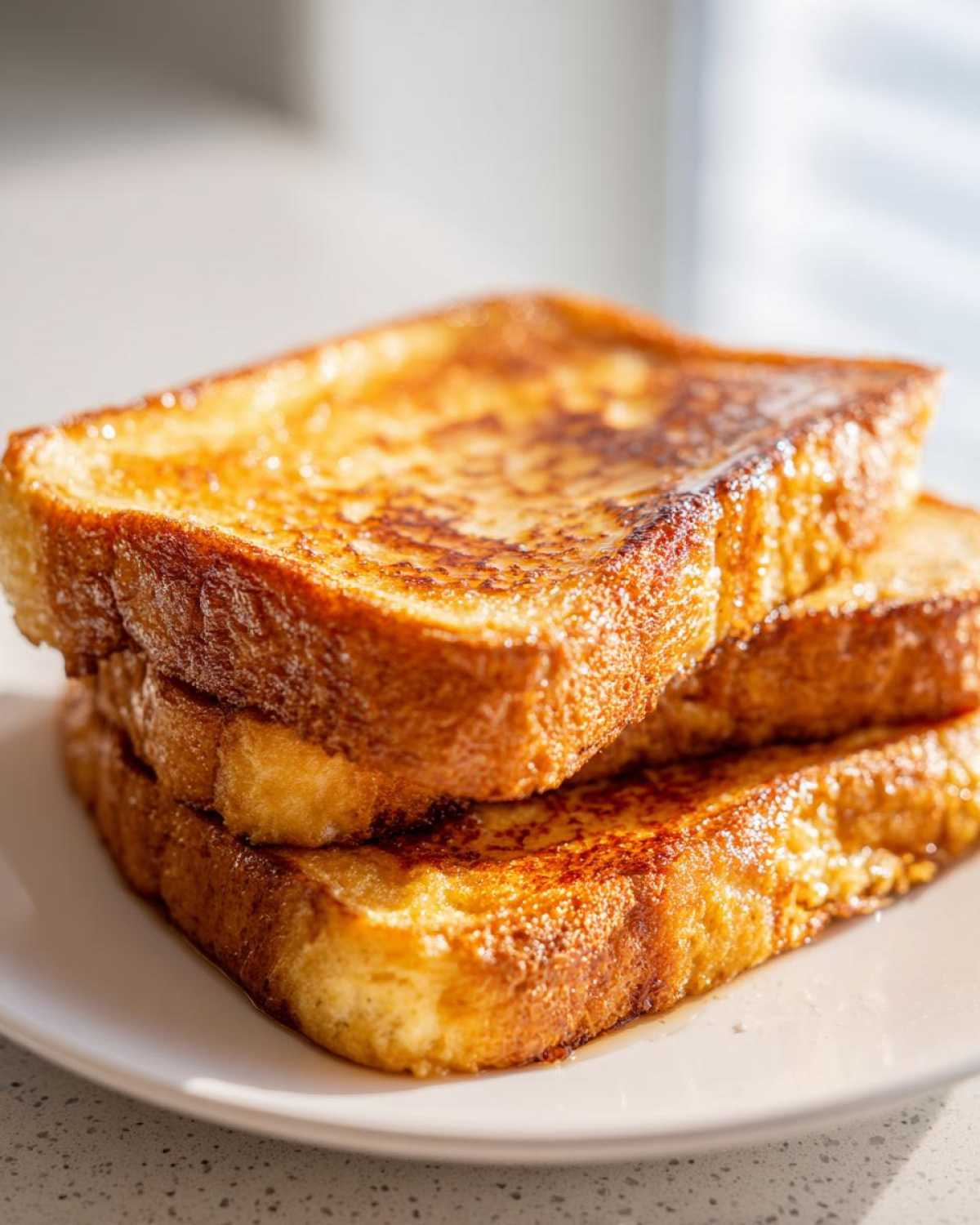
If you want that gorgeous rise and that truly fluffy french toast tutorial texture, it’s not just about the recipe; it’s about technique! Since this is meant to be your best guide, let me share the little things that make a huge difference for that tender interior.
First, I already mentioned it, but I’ll say it again: use thick bread! Thick slices give the batter time to soak in and create that satisfying custard without dissolving before it hits the heat. Also, make sure that tablespoon of sugar in the batter is fully dissolved. That sugar is what caramelizes against the butter to give you those crispy, flavorful edges that set off the soft center.
My absolute must-do is using high-quality vanilla extract. Seriously, don’t use the cheap imitation stuff here! The aroma alone makes the whole house smell amazing. And please, don’t overcrowd your pan! If the slices are touching, they steam instead of sizzle, and steaming guarantees soggy results. Give them space to breathe so they turn out perfectly light. If you love zesty morning flavors, you might want to check out these lemon ricotta pancakes sometime too!
Variations on Your Easy French Toast
Now listen, while this recipe stands perfectly on its own—it’s the gold standard for easy french toast—sometimes you need a little shake-up to keep things interesting, especially if you make it often like I do!
Spice variations are my favorite little trick. You already have cinnamon, but try adding just a tiny pinch of nutmeg. Wow! It adds this warm, cozy depth that feels extra luxurious, even though it took zero extra time. If you’re feeling a little wild, even a tiny dash of allspice blends beautifully with the cinnamon and sugar.
For the texture, if you ever find yourself with only thinner bread, don’t panic! Just reduce your soak time to about 10 seconds per side. You want it barely coated, not swimming. Or, if you want to really amp up the richness, try swapping out half of that whole milk for heavy cream. That tiny bit of extra fat gives you an unbelievably rich and creamy interior without turning it into a whole new complicated project. It’s still fast, still easy french toast, just with a little glow-up!
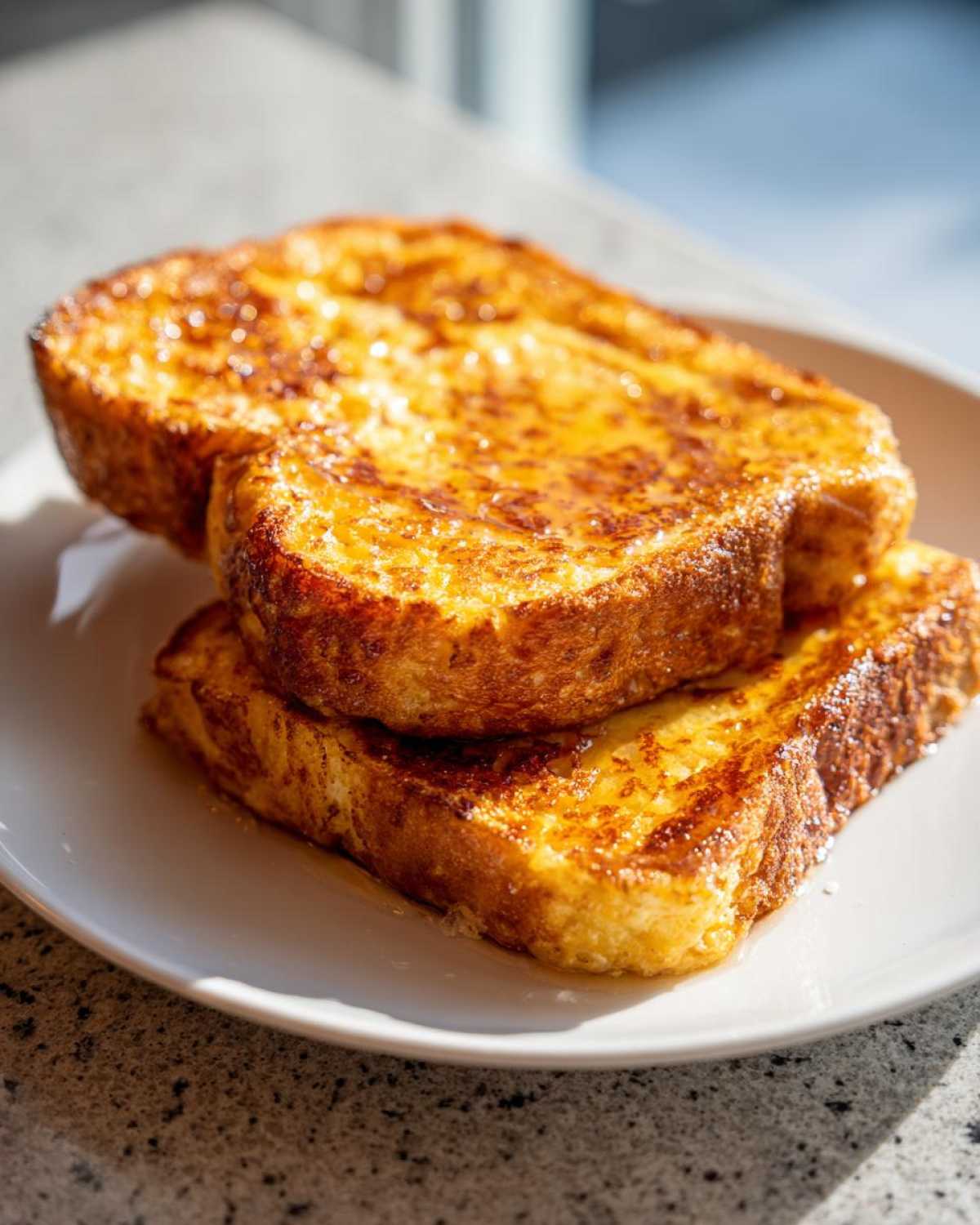
If you are ever ready to move beyond the skillet and want a sheet-pan wonder, you absolutely have to look into making a baked version. I highly recommend checking out this recipe for eggnog french toast casserole when you need to feed a crowd!
Serving Suggestions for Your Weekend Brunch Recipes
The French toast is off the griddle, it’s golden, and it smells incredible. Now? We talk toppings! This is where you personalize it and turn a simple morning meal into a proper weekend brunch centerpiece.
You absolutely must have real maple syrup. None of that corn syrup stuff—the real stuff soaks into the little pockets and creates pure happiness. I always keep a small bowl of mixed berries on standby; strawberries and blueberries add a beautiful color and freshness that cuts right through the richness of the egg batter.
If you want to keep it super traditional, just dust the whole plate lightly with powdered sugar. It looks so elegant, and it’s probably the quickest way to serve! But if you’re feeling a bit fancier, try adding a small dollop of whipped cream alongside some sliced bananas.
For those who love a little tang with their sweet, squeeze a tiny bit of fresh lemon juice over some whipped cream—it wakes everything up! If you’ve managed to tackle this quick stovetop recipe, maybe you’re ready to try something slightly more involved next time, like these blueberry lemon pancakes!
Storing Leftovers of Your Easy French Toast
Even though this easy french toast disappears fast, sometimes you make too much, or maybe you want leftovers ready for tomorrow. Don’t just shove it in a plastic bag! That ruins the texture.
For the best results, let any cooked slices cool down completely first. Then, store them in a single layer in an airtight container lined with a paper towel in the fridge. This buys you maybe two days.
To reheat, skip the microwave—that’s a disaster! Pop the slices directly into the toaster for a couple of minutes or bake them on a rack in a 350°F oven until they are warm and slightly crispy again. It brings back that wonderful texture!
Frequently Asked Questions About Making Easy French Toast
I get so many questions in my DMs about this recipe, which just proves how many people need a great, reliable breakfast that doesn’t take forever! Here are the things I hear most often when people try this recipe for the first time. If you have more questions, you can always check out my general recipe index!
What is the Best Bread for Custardy French Toast?
Hands down, thick-cut bakery bread—like challah, brioche, or even Texas toast—gives you the absolute best results. You need that thickness so the bread can fully absorb the classic french toast batter and turn beautifully custardy french toast inside. Thin bread just turns mushy because it gets soaked through too fast before it even hits the pan.
Can I use regular sandwich bread for this Simple Breakfast Idea?
You totally can, but you have to adjust your technique! Remember how I told you regular bread can get soggy? If that’s all you have, dramatically cut down your soak time. Give it maybe 5 to 8 seconds on each side, just enough to coat it. You won’t get that deep custard center, but you will prevent the bread from tearing apart on your spatula. This is a good hack for a quick simple breakfast idea when you’re in a pinch!
How do I prevent sogginess when making this easy french toast?
Sogginess usually happens for two reasons, and neither has anything to do with the batter itself! First, make sure your pan is at the right temperature—medium heat is essential. If the heat is too low, the bread sits in the melted fat too long and absorbs too much oil, making it greasy, not soggy. Second, don’t stack the cooked slices on top of each other while you finish the batch. That trapped steam is the enemy! Keep them warm on a cooling rack set over a baking sheet in a low oven instead.
Can I Make This Simple Breakfast Idea Ahead of Time?
For this specific stovetop version, I really recommend making it right before you eat it for that perfect fresh, golden sizzle. However, you can definitely prep ahead! Whisk up your classic french toast batter the night before, cover it tightly, and keep it in the fridge. You can also slice all your bread and stack it in a container. Then, in the morning, you just mix, dip, and cook. It cuts your prep time down to basically zero—you’re already closer to having a 15 minute breakfast!
PrintQuick and Easy French Toast: Perfect Fluffy Texture

Make classic, custardy French toast quickly with this simple recipe. It delivers golden brown results perfect for any morning.
- Prep Time: 5 min
- Cook Time: 10 min
- Total Time: 15 min
- Yield: 3 servings
- Category: Breakfast
- Method: Stovetop
- Cuisine: American
- Diet: Vegetarian
Ingredients
- 6 slices thick bread (like challah or brioche)
- 3 large eggs
- 1/2 cup whole milk
- 1 teaspoon vanilla extract
- 1/2 teaspoon ground cinnamon
- 1 tablespoon granulated sugar
- 1 tablespoon butter, for cooking
Instructions
- In a shallow dish, whisk together the eggs, milk, vanilla extract, cinnamon, and sugar until well combined. This is your classic French toast batter.
- Heat a large skillet or griddle over medium heat. Add half of the butter and let it melt until it sizzles slightly.
- Dip one slice of bread into the egg mixture, letting it soak for about 15 to 20 seconds per side. Do not over-soak if using thin bread.
- Place the soaked bread onto the hot skillet. Cook for 3 to 4 minutes per side, until golden brown and cooked through.
- Remove the cooked French toast and keep warm while you cook the remaining slices, adding more butter to the pan as needed.
- Serve immediately with your favorite toppings.
Notes
- For a richer flavor, substitute half the milk with heavy cream.
- Use slightly stale bread; it absorbs the batter better without becoming soggy.
- If you want extra crispy edges, cook the slices in a thin layer of melted butter.
Nutrition
- Serving Size: 2 slices
- Calories: 280
- Sugar: 10
- Sodium: 250
- Fat: 12
- Saturated Fat: 6
- Unsaturated Fat: 6
- Trans Fat: 0
- Carbohydrates: 30
- Fiber: 1
- Protein: 14
- Cholesterol: 150