

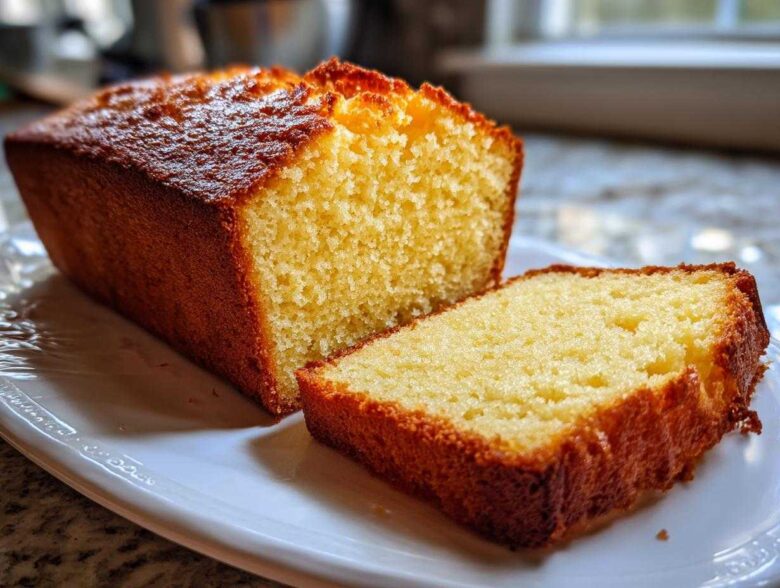
There’s just something about a classic cake, isn’t there? I mean, butter, sugar, eggs—it sounds simple, but when you get it right, it’s pure magic. For me, the absolute pinnacle of that rich, satisfying dessert experience is the Cream Cheese Pound Cake. Forget those dry, crumbly versions you sometimes find; we are aiming for that velvet texture here.
I remember the first time I tried baking this recipe without relying on a box mix. I was trying to impress my toughest critic—my Aunt Carol—and I totally bombed the first two attempts, ending up with heavy bricks! But after tweaking ingredient temperatures and finding that perfect balance of richness, I finally pulled out a cake that just melted in your mouth. That’s the goal today: the ultimate moist and dense texture that only quality ingredients and a little patience can deliver. This recipe is going to be your new favorite; you can see more from my kitchen adventures over at our cooking adventures!
Why This Cream Cheese Pound Cake Recipe Works (Moist Pound Cake Secrets)
When people ask me how they can achieve that perfect crumb in their baking, I always point them back to the fundamentals of a great Cream Cheese Pound Cake. It’s not just dumb luck; there are real secrets to making sure this cake stays incredibly moist and doesn’t sink in the middle. The cream cheese itself is a powerhouse ingredient that gives us that signature smooth, almost fudgy lift we look for when aiming for a Dense Pound Cake Texture.
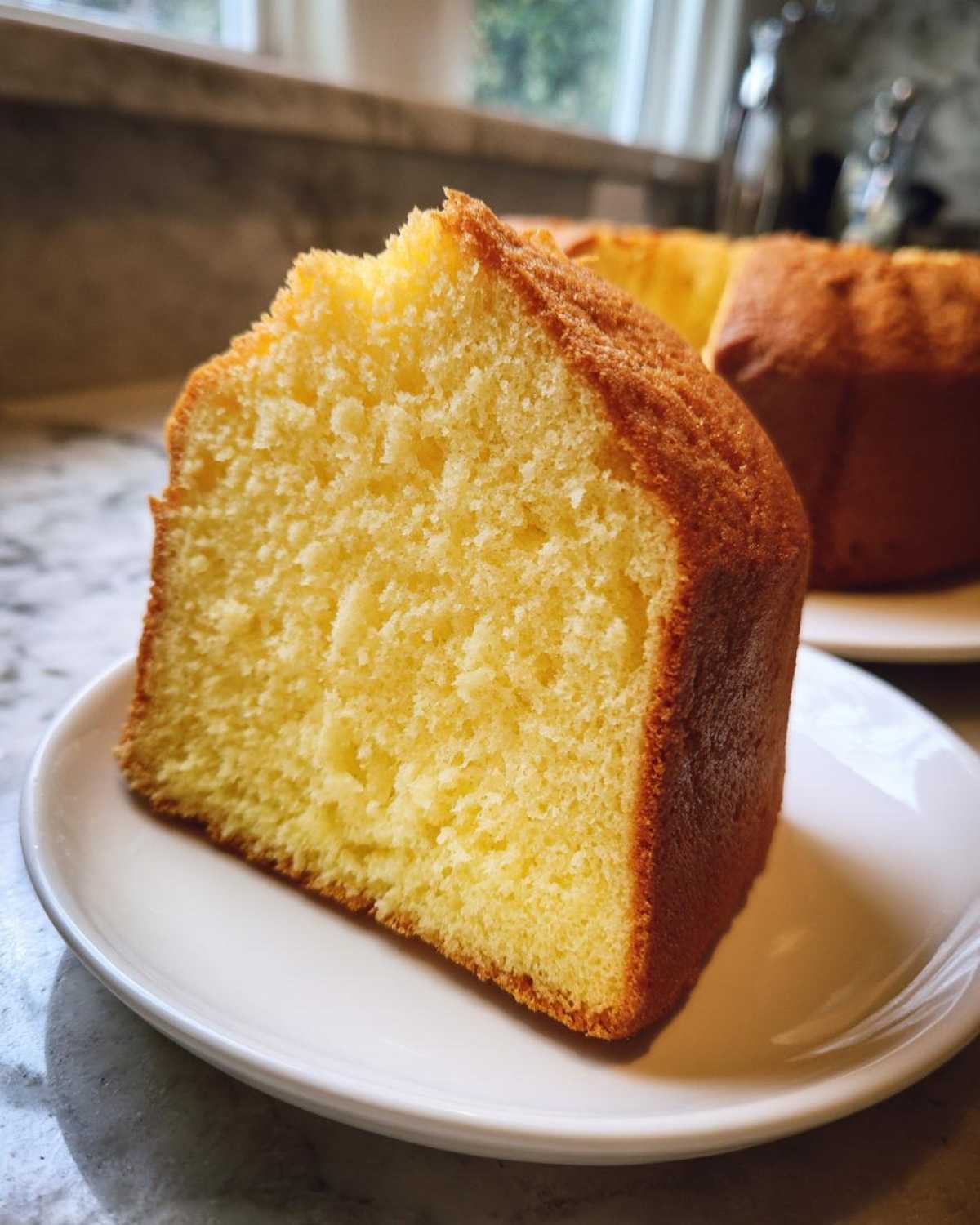
These pointers are what separate a good cake from the one everyone asks you to bring to the party. These are my personal Moist Pound Cake Secrets:
- The cream cheese acts like an insurance policy against dryness. Because it contains fat and acid, it tenderizes the crumb beautifully as it bakes.
- We use slightly more sugar than some traditional recipes, which helps retain moisture by binding the water content.
- We are very strict about not overbeating once the flour goes in—that’s how you get tunnels or a tough texture!
If you want more insights on keeping cakes soft and delicious long after they leave the oven, check out my favorite tips for moist cake baking.
The Importance of Room Temperature Ingredients for Your Cream Cheese Pound Cake
Trust me on this one: if the butter, eggs, and especially the cream cheese are cold, your batter will look curdled, and that ruins the whole structure! Room temperature ingredients combine easily into a uniform, smooth emulsion. This perfect blending is key to a beautiful lift and that fine, velvety crumb you want in your Cream Cheese Pound Cake.
Gathering Ingredients for Your Classic Pound Cake Recipe
Okay, now that we know why this cake is so special, let’s get our ducks in a row. Baking a perfect Cream Cheese Pound Cake is all about preparation, and that starts right here with quality ingredients. We aren’t skipping steps, and we aren’t swapping things out willy-nilly if we want that signature texture. Remember, this is your Classic Pound Cake Recipe basis, so treat the ingredients with respect!
You absolutely must have everything softened—I mean really softened—especially that 8 ounces of cream cheese and the full two sticks of butter. Also, please, please sift your flour! It sounds fussy, but it makes a noticeable difference in keeping the final texture light. I keep the vanilla and almond extracts handy, ready to go in together.
Ingredient Notes and Substitutions for Cream Cheese Pound Cake
If you absolutely hate almond extract, I’ve got you covered. You can swap it out 1-for-1 with fresh lemon zest for a brighter flavor profile. Some folks ask if they can use sour cream instead of milk for a tangier experience, which leads us toward a hybrid Sour Cream Pound Cake Alternative. While that works for other recipes, for this specific benchmark recipe, stick precisely to the whole milk listed; the cream cheese already provides the necessary richness.
If you are looking for ideas once the cake is done, I have an amazing recipe for best cream cheese frosting, but this cake truly shines with just a dusting or a very simple glaze!
Step-by-Step Instructions for the Best Cream Cheese Cake Baking
Alright, the moment of truth! We have our perfectly softened ingredients ready, and now we turn that prep work into batter magic. Follow these steps closely because the order of operations is everything when you’re aiming for the Best Cream Cheese Cake Baking results. We want that rich, heavy yet tender crumb that screams quality, and that starts with how we combine everything.
Preparing the Pan and Oven for Your Cream Cheese Pound Cake
First things first: get that oven preheating to 325 degrees F. This is a lower, slower bake, which is exactly what a dense cake like our Cream Cheese Pound Cake needs. Don’t skimp on the pan prep! I always use a 10-inch tube pan if I have one, but a sturdy Bundt pan works great too. You need to grease and flour the pan thoroughly. I mean *really* coat every nook and cranny, otherwise, this beautiful monster will stick, and we can’t have that!
Mixing the Batter for a Perfect Dense Pound Cake Texture
Let’s get creaming! Grab your biggest bowl. Beat the softened butter and the softened cream cheese together until they look perfectly smooth and happy—no lumps allowed. Then, slowly, gradually, introduce the sugar. You need to beat this mixture until it gets genuinely light and fluffy. This takes a few minutes, and it’s where you build up necessary air for that slightly lighter element within the Dense Pound Cake Texture.
Next up are the eggs. This is critical: add them one at a time, waiting until the first one is fully incorporated before even thinking about adding the second. Beat well after each addition! Once the eggs are in, splash in your vanilla and almond extracts and give it one quick final whisk around.
Now for the dry stuff. In a separate bowl, make sure you whisk your sifted flour and salt together. We are going to alternate adding the dry ingredients and the milk. Start by adding about a third of your flour mix and mix it on low speed until it’s just combined. Then, drizzle in half the milk. Repeat this pattern: dry, milk, dry. The absolute final addition should always be the last of the dry ingredients.
Here is where so many people mess up their Cream Cheese Pound Cake! Once you add that flour, you mix on low speed until you *just* see everything come together. If you start seeing streaks of dry flour, stop! Overmixing develops gluten, and gluten makes a tough, bread-like cake, not a tender pound cake. We want smooth, but unmixed is better than overworked, got it? Gently scrape down the sides one last time, pour that glorious batter into your prepared pan, and get it into that 325°F oven. You can find more fun dessert ideas like this sweet potato alternative if you’re feeling adventurous later!
Baking Times and Temperature for Your Cream Cheese Pound Cake
This beautiful, dense Cream Cheese Pound Cake needs a patient oven. Since we are working with a heavy batter designed to be rich and moist, the baking temperature is lower than a standard cake—we set it at 325 degrees F for a reason. We want to cook it through without burning those gorgeous edges.
The time commitment here is significant, so plan ahead! Generally, you are looking at 1 hour and 15 minutes, possibly pushing up to 1 hour and 30 minutes, depending on your 10-inch tube pan or Bundt pan. And here is my biggest piece of advice for any dense cake:
DO NOT PEEK! I mean it. During the first 45 minutes, resist the urge to open that oven door for anything. Even a slight rush of cool air can cause the entire center of that delicate structure to collapse, and we absolutely cannot have sinking! That dense texture we worked so hard for will deflate.
When you think it’s close, test it carefully with a thin wooden skewer inserted right near the center. The skewer shouldn’t come out perfectly clean; that means it’s overdone. You want a few moist, tender crumbs clinging to it. If you pull a wet batter mess out, just close the door and give it 10 more minutes. If you are struggling with pan specifics, I have a quick guide on Bundt pan pound cake instructions that might help!
Cooling and Serving Your From Scratch Pound Cake
The hard part is over! You’ve successfully navigated the mixing and the long bake needed for a sturdy Cream Cheese Pound Cake. But don’t rush this cooling part; it’s just as important as the baking process for a perfect From Scratch Pound Cake!
Once you pull that beautiful cake from the oven, you need to let it sit in the pan on a wire cooling rack for exactly 15 minutes. Why 15? If you try to turn it out immediately, the sides haven’t had a chance to firm up around the edges yet, and the whole thing might just slump over. Fifteen minutes lets those crusts set just enough to hold their shape.
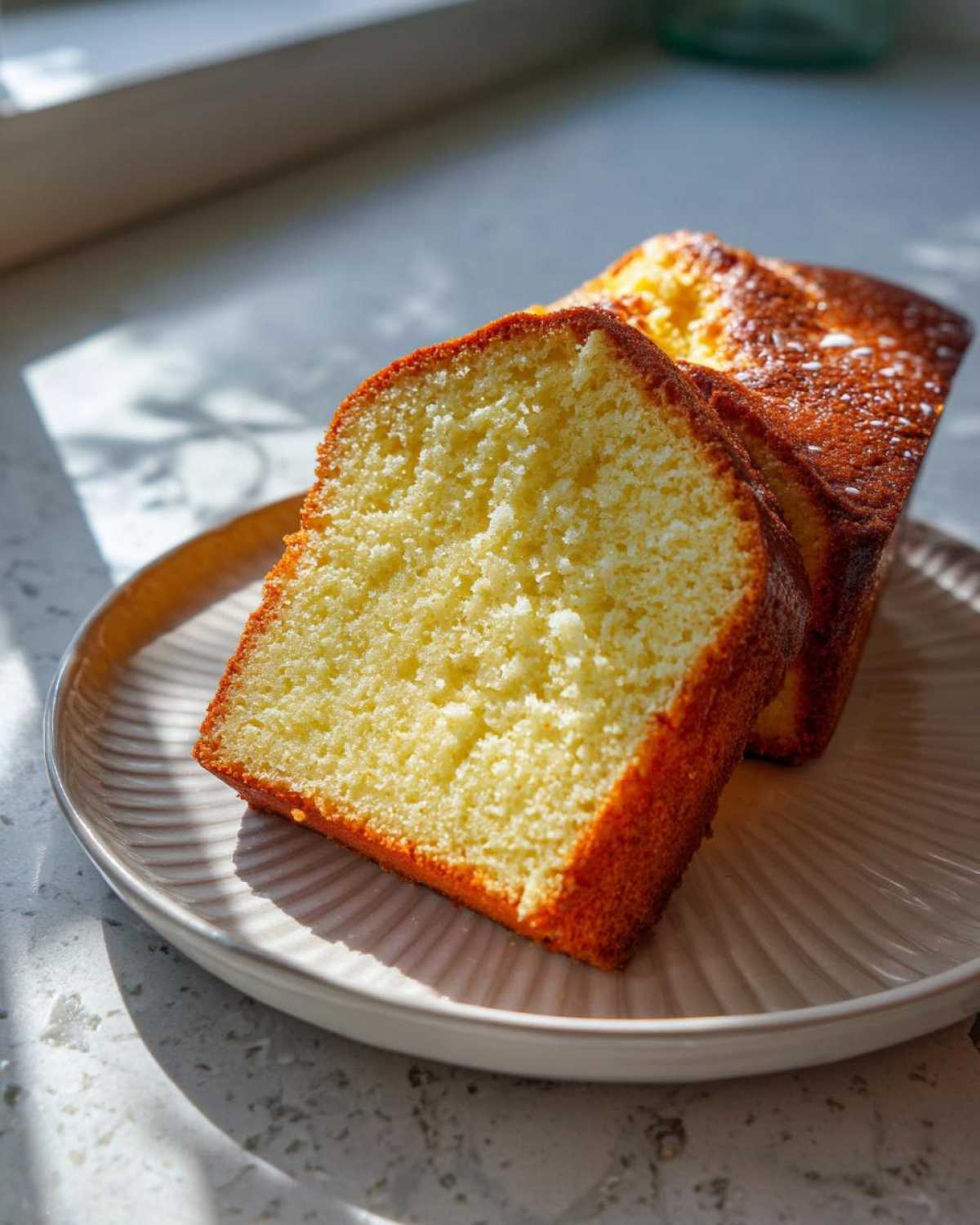
After that sweet spot, it’s time to invert it onto your cooling rack. You might have to give the bottom of the pan a gentle tap or two—sometimes it needs a little encouraging to let go! Once it’s fully inverted, leave it alone until it is completely, 100% cool to the touch. Trying to glaze or slice a warm pound cake results in messy, gummy results. That dense, rich texture is best appreciated when fully cooled.
If you want to dress it up, remember the simple glaze option we talked about? It’s perfect for this cake because it doesn’t overpower the amazing flavor of the cream cheese. If you were looking for something maybe a bit fluffier, I’ve got a great vanilla buttercream frosting recipe, but honestly, simple is best for this classic!
Making a Simple Glaze for the Cream Cheese Pound Cake
Okay, you’ve pulled off a masterpiece! Your Cream Cheese Pound Cake is cooled, it smells incredible, and it has that perfect dense weight to it. Now, you might want to drizzle something sweet over the top, right? I know some folks go overboard with fancy frostings, but honestly, this rich cake doesn’t need much fuss. We want a glaze that complements the density, not one that overtakes it.
If you’ve got time, you can always whip up a full-on cream cheese frosting, but honestly, the easiest way to get that pretty, crackly finish—which is what I always aim for—is dead simple. This is how you get the Perfect Pound Cake Glaze that sets up nicely.
Take one full cup of powdered sugar and put it in a small bowl. Then, measure out two tablespoons of whole milk—no more, no less, unless you are adjusting for thickness later. Stir those together quickly, and then add just a half teaspoon of pure vanilla extract. Whisk it until you get a smooth, pourable ribbon. If it looks too thick, add milk by the half teaspoon until it drips slowly off your whisk.
The trick here is temperature! Make sure this glaze goes onto a completely cool cake. If your Cream Cheese Pound Cake is even slightly warm, the glaze will just melt right in and soak away instead of sitting beautifully on top. Drizzle it back and forth quickly, and then just let it set up. Seriously, that’s it for dressing up your rich, homemade dessert!
Storage & Reheating Instructions for Cream Cheese Pound Cake
I know you probably want to eat this entire magnificent Cream Cheese Pound Cake right now, but let’s talk about saving some for later—because trust me, it tastes even better the next day once the flavors have really settled into that dense crumb!
Because this cake is so rich with butter and cream cheese, it handles storage really well, which is why it makes such a fantastic Holiday Pound Cake Dessert. You should never put a pound cake directly into the fridge uncovered. That cold air is the enemy of moisture! Keep slices or the entire cake wrapped tightly in plastic wrap first, and then slip that package into an airtight container. Stored this way at cool room temperature, it stays fantastic for three, maybe four days. The cream cheese actually helps keep it stable!
If you’ve had to slice a piece off, just press plastic wrap directly against the cut surface before wrapping the whole thing up. That prevents those cut edges from drying out. If you are making this ahead for a party, room temperature storage is your best bet for maintaining that perfect texture.
Now, if you must reheat a slice (maybe you want that ‘just baked’ warmth?), don’t stick it in the microwave for a minute—that will make it rubbery fast. Instead, I zap mine for just 10 to 15 seconds max, or better yet, wrap the slice loosely in a slightly damp paper towel and warm it in the oven at 300 degrees F for about five minutes. That little bit of steam goes a long way to reviving that amazing quality in your homemade Cream Cheese Pound Cake.
Frequently Asked Questions About Making Cream Cheese Pound Cake
I know you’re probably ready to get baking, but hold on just a second! It’s totally normal to have a few jitters when you tackle such a classic recipe. People ask me the same things all the time when they are attempting their first perfect batch of Cream Cheese Pound Cake. I’ve rounded up the most common worries so you can go into this feeling like a total pro!
Why did my cream cheese pound cake sink in the middle?
Ugh, the great pound cake tragedy! Nine times out of ten, sinking happens for two main reasons when baking a dense cake like this. First, you opened the oven door too early—remember that 45-minute window? Second, you may have slightly underbaked the center. We are looking for moist crumbs, not wet batter, but pulling it out even five minutes too soon can cause that dreaded collapse. Ensure your oven thermometer is accurate too; sometimes the oven runs cooler than the dial says!
Can I use a loaf pan instead of a Bundt pan for this recipe?
Yes, you absolutely can! If you are making the full recipe, you might need two standard loaf pans, or one larger one. Just remember that deeper pans mean longer baking times. If the top starts getting too dark before the middle is done, cover it loosely with aluminum foil. This is a great way to make smaller portions perfect for gifting—a real Holiday Pound Cake Dessert idea!
Is this recipe similar to a traditional Southern Style Pound Cake?
It is, but it’s definitely richer! A true Southern Style Pound Cake relies heavily on butter and often uses just four ingredients (butter, sugar, eggs, and flour). Our recipe amps up the richness and moisture using that full block of cream cheese. It gives you the same incredible density but with a slightly smoother, more luxurious mouthfeel. It’s pound cake dialed up to eleven, in my opinion! I’ve written extensively about the traditions behind the classic pound cake recipe if you want to compare notes!
Can I substitute sour cream for milk in this Cream Cheese Pound Cake?
That’s a great question, especially if you’re familiar with other recipes! While that step could move you toward a great Sour Cream Pound Cake Alternative, for this specific benchmark recipe, I really advise sticking to the whole milk listed. The cream cheese already brings the necessary lactic acid and fat for tenderness. Swapping the milk for sour cream might throw off the balance of wet-to-dry ingredients we carefully calibrated for that incredible No Fail Pound Cake result.
What’s the best way to store leftovers for the best texture?
Because it’s so rich, this cake holds up beautifully! Always keep it airtight at room temperature for the first couple of days. Don’t refrigerate it unless you’re keeping it for more than four days, as the cold air dries out the crumb faster. If you’ve had to slice a piece off, just press plastic wrap directly against the cut surface before wrapping the whole thing up. Stored this way, this Cream Cheese Pound Cake stays fantastic for days!
Sharing Your Cream Cheese Pound Cake Experience
I poured my heart into making sure this recipe for Cream Cheese Pound Cake delivers everything you need—that perfect density, that incredible moisture, and that wonderful, rich flavor profile. Now it’s your turn to get down to business and bring this beauty to life! When you bake it, please let me know how it goes!
Did it achieve that melt-in-your-mouth texture you were hoping for? Leave a comment below telling me what you thought, whether you opted for the simple glaze or something else! And if you took a picture of your gorgeous cake sitting out on the counter, I’d absolutely love to see it. Tag me in your photos; sharing our baking successes is the best part of this whole adventure! You can also check out my steps for making our amazing naan bread next time you’re feeling adventurous!
PrintClassic Cream Cheese Pound Cake
A recipe for a rich, dense, and moist pound cake made with cream cheese for superior texture.
- Prep Time: 25 min
- Cook Time: 90 min
- Total Time: 115 min
- Yield: 12 servings
- Category: Dessert
- Method: Baking
- Cuisine: American
- Diet: Vegetarian
Ingredients
- 1 cup (2 sticks) unsalted butter, softened
- 8 ounces cream cheese, softened
- 3 cups granulated sugar
- 6 large eggs, room temperature
- 1 teaspoon pure vanilla extract
- 1/4 teaspoon almond extract
- 3 cups all-purpose flour, sifted
- 1/2 teaspoon salt
- 1/4 cup whole milk
Instructions
- Preheat your oven to 325 degrees F. Grease and flour a 10-inch tube pan or Bundt pan.
- In a large bowl, beat the softened butter and cream cheese together until smooth.
- Gradually add the sugar to the butter mixture, beating until light and fluffy.
- Add the eggs one at a time, beating well after each addition. Mix in the vanilla and almond extracts.
- In a separate bowl, whisk together the sifted flour and salt.
- Gradually add the dry ingredients to the wet ingredients, mixing on low speed until just combined. Do not overmix.
- Slowly mix in the milk until the batter is smooth.
- Pour the batter into the prepared pan.
- Bake for 1 hour and 15 minutes to 1 hour and 30 minutes, or until a wooden skewer inserted near the center comes out clean.
- Let the cake cool in the pan on a wire rack for 15 minutes.
- Invert the cake onto the wire rack to cool completely before slicing or glazing.
Notes
- For a denser cake, use room temperature ingredients.
- To prevent sinking, do not open the oven door during the first 45 minutes of baking.
- For a simple glaze, whisk together 1 cup powdered sugar with 2 tablespoons of milk and 1/2 teaspoon vanilla extract. Drizzle over the cooled cake.
- If you prefer a lemon flavor, substitute 1 teaspoon of lemon zest for the almond extract.
Nutrition
- Serving Size: 1 slice
- Calories: 420
- Sugar: 35
- Sodium: 180
- Fat: 26
- Saturated Fat: 16
- Unsaturated Fat: 10
- Trans Fat: 0.5
- Carbohydrates: 44
- Fiber: 1
- Protein: 5
- Cholesterol: 110