

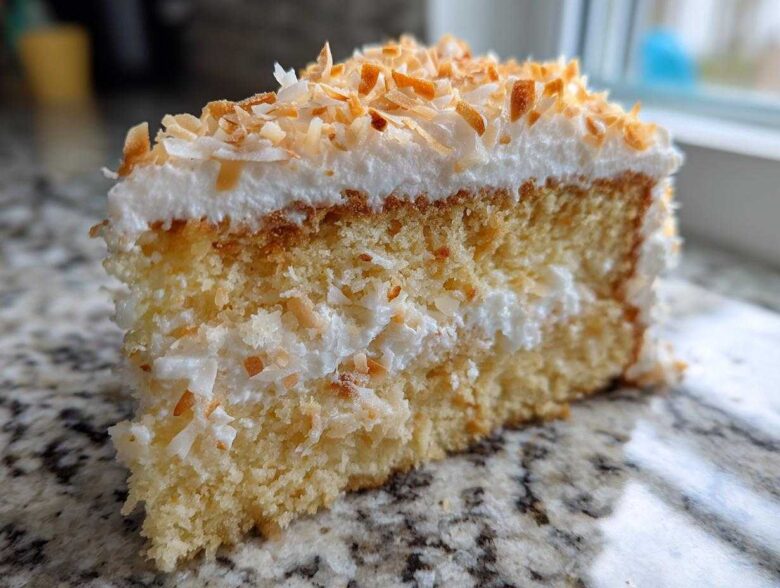
Oh, honey, let me tell you something right now: forget those dry, sad little cakes you might have tried once! When I tell you the secret to the best coconut cake recipe, I’m not kidding—this is the one that brings people to tears. We’re talking about a genuine, melt-in-your-mouth Southern Coconut Cream Layer Cake from Scratch. I spent years trying to duplicate the texture from that little bakery downtown, and finally, I cracked the code.
It’s all about getting that perfect combination: unbelievably moist, yet sturdy enough to stack high, and cloud-like fluffy. Trust me, after I finally nailed the frosting-to-cake ratio here, my family stopped asking for anything else at holidays. This isn’t just dessert; it’s an event!
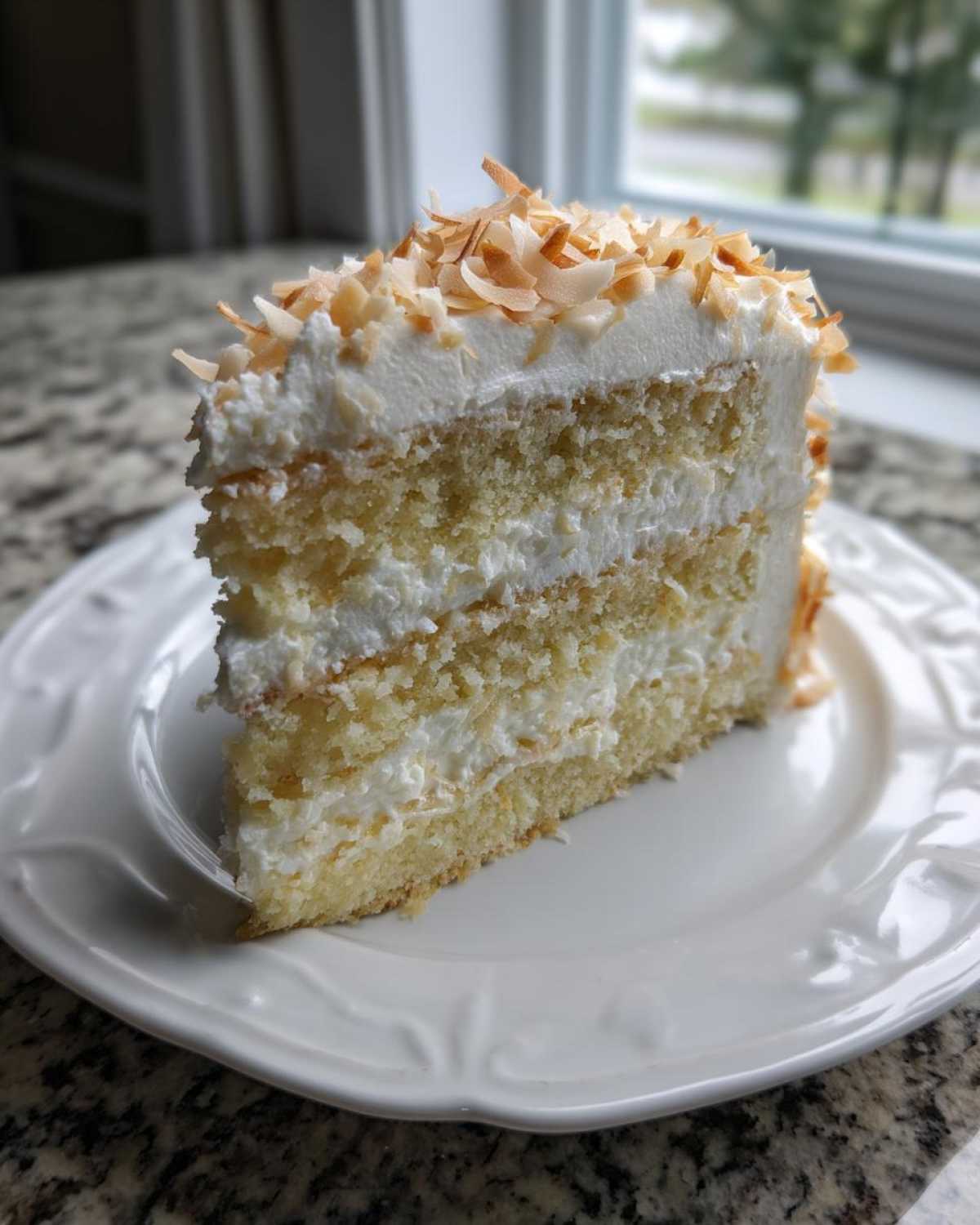
If you’ve been dreaming of a bakery-quality slice of heaven, stop scrolling. This single recipe will be the only coconut cake recipe you ever save. You can check out how I make my fluffy vanilla cupcakes if you need another soft cake inspiration in the meantime, but trust me, start here!
Why This is the Best Coconut Cake Recipe for a Tender Dessert
If you’re looking for a cake that feels light as air but still has substance, you’ve found your winner. This coconut cake recipe is specifically engineered for pure tenderness. I know you want that cake that feels like it was baked in a fancy Southern kitchen, and that’s exactly what we’re getting here.
- You get incredible, deep coconut flavor without any gritty texture.
- This cake stays wonderfully moist for days—if it lasts that long!
- It’s sturdy enough for stacking but breaks apart softly on your fork.
- The frosting is creamy, rich, and perfectly balanced, unlike overly sweet alternatives. You can see how I make incredible cream cheese frosting separately, but here, it blends perfectly with the coconut cream.
Achieving the Perfect Fluffy Coconut Layer Cake Texture
How do we avoid that dense, heavy crumb? It comes down to two main things in the batter. First, we are creaming the softened butter and sugar for ages—seriously, don’t rush it! That step whips air into the foundation. Second, we use a specific type of pure coconut cream in the batter. It acts like liquid gold, locking in moisture and keeping those crumb cells open and airy for that true fluffy result.
Ingredients for Your Southern Coconut Cake Recipe
Okay, let’s get down to brass tacks! A showstopper cake like this needs good components, but don’t panic—it’s all simple pantry stuff, mostly. You want to make sure your butter is truly softened, almost squishy, which is crucial for that fluffy texture we talked about. When you look at this list, notice we have two kinds of coconut going on—they serve very different but equally important jobs here.
- 2 1/2 cups all-purpose flour
- 1 1/2 cups granulated sugar
- 1 tablespoon baking powder
- 1/2 teaspoon salt
- 1 cup unsalted butter, softened
- 4 large eggs
- 1 cup whole milk
- 1 teaspoon vanilla extract
- 1/2 cup unsweetened shredded coconut, finely ground (this goes IN the batter!)
- 1 cup cream of coconut (like Coco Lopez) (Yes, the sweet stuff!)
- **For the Frosting:**
- 1/2 cup unsalted butter, softened
- 4 cups powdered sugar, sifted
- 1/2 cup cream cheese, softened
- 1/4 cup heavy cream
- 1 teaspoon coconut extract
- 1 cup sweetened flaked coconut, toasted (this is for the outside decoration)
Ingredient Notes and Substitutions for this Coconut Cake Recipe
This is where the real magic happens, so listen up! The cream of coconut is non-negotiable for that intense, sweet coconut flavor and moisture. Do not swap this for regular, watery coconut milk—that will ruin the structure. Cream of coconut is thick like syrup, and it’s what makes this cake sing.
Now, for the toasted coconut topping: you *have* to toast it! Spread that one cup of sweetened flaked coconut thinly on a baking sheet. Pop it in the oven at 350°F for maybe 5 to 8 minutes. Watch it like a hawk because it goes from golden brown to charcoal in a blink. It adds flavor AND the perfect crunch contrast to the tender cake underneath.
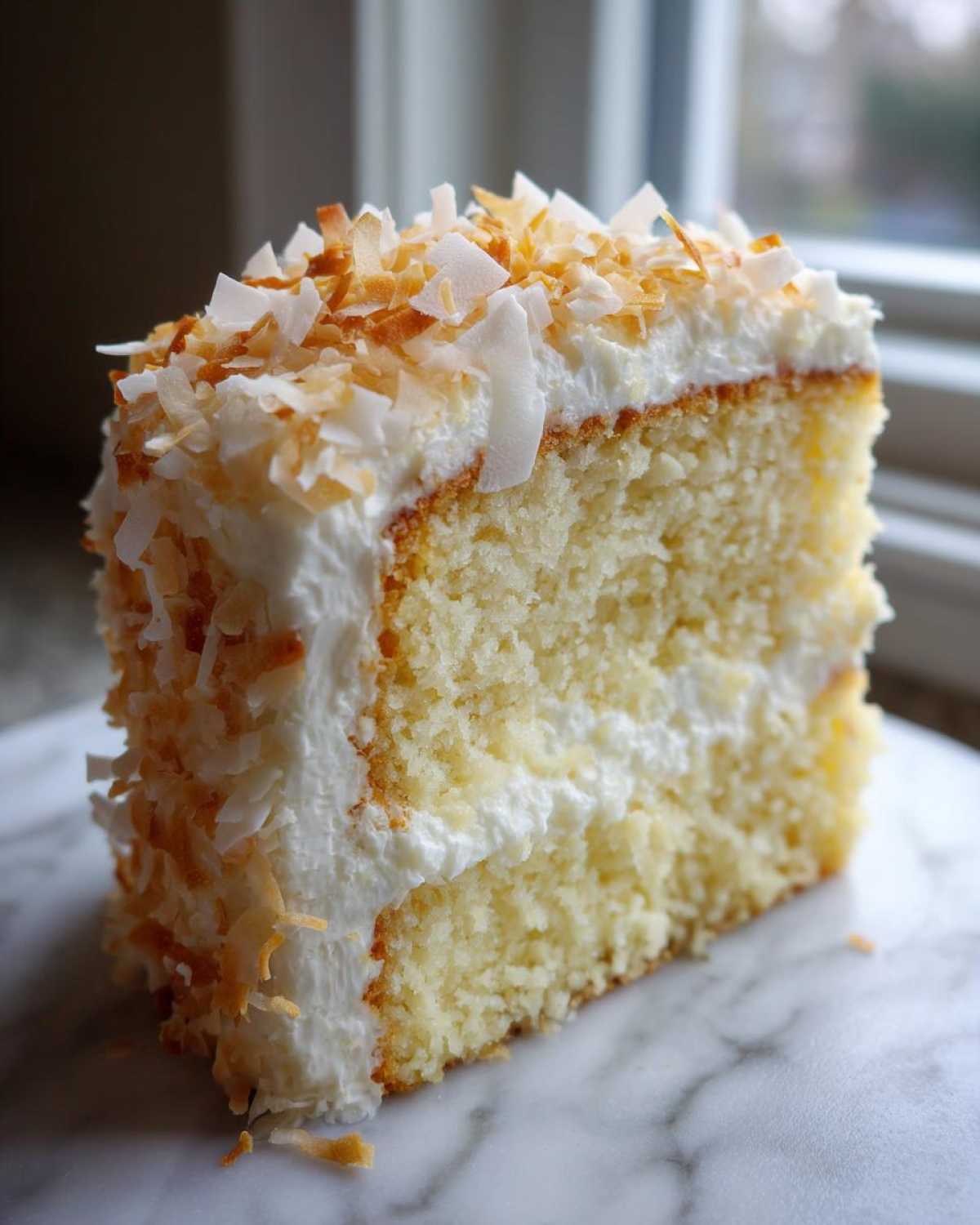
If you ever need extra frosting later on—maybe you want to cover the whole thing in a much thicker blanket—check out my notes on making extra cream cheese frosting, but stick to this exact amount for layering between the layers!
How to Prepare the Ultimate Coconut Cake Recipe From Scratch
This is the part where the magic turns into an actual cake! It seems like a lot of steps, but honestly, once you get into the rhythm of combining wet and dry ingredients, this coconut cake recipe comes together so fast. The key here is gentle folding at the end—we want to keep all those tiny air bubbles we worked so hard to create in the butter!
Baking the Moist Coconut Cake Layers
First things first, preheat that oven to 350°F (175°C) and make sure those two 9-inch pans are greased and floured perfectly. Seriously, take your time greasing the sides and bottom!
In your big bowl, mix the dry stuff first—flour, sugar, baking powder, salt. Then, add that softened butter and mix it on low speed until it looks like coarse sand. That’s blending the fat in properly. Next, gently stream in your eggs, milk, and vanilla mixture, mixing only until you don’t see streaks of flour anymore. Right at the end, fold in that finely ground coconut. Don’t you dare bring out the electric mixer for this last step!
Divide that batter evenly, and get those babies into the oven for about 30 to 35 minutes. Once it smells heavenly, test for doneness. My trick is the three-part test: toothpick comes out clean, the sides pull away slightly from the pan, AND I give the center a gentle tap—if it springs back, you’re done! Let them cool in the pan for just 10 minutes before turning them out onto a rack. Cooling is non-negotiable; hot cake equals sad, melted frosting.
Making the Rich Coconut Cream Cheese Frosting Cake
While those layers cool down—which is the hardest part of any baking adventure—we make the frosting. You might think this is just a standard cream cheese frosting, but that addition of cream of coconut makes it so much richer, which is perfect against the light cake.
Start by beating the softened butter and the softened cream cheese until they are completely smooth and fluffy—no lumps allowed! Slowly mix in the sifted powdered sugar. Once it looks powdery and combined, switch to your liquids: heavy cream and coconut extract. Whip it on high speed for a good couple of minutes until it’s visibly lightened in color and texture. That fluffiness is what we want for that bakery look!
Assembling Your Fluffy Coconut Layer Cake
Once those layers are truly cool—I mean, room temperature cool, or they’ll slide right off—it’s time to build! Place one layer down, and spread about a third of your frosting evenly across the top. Put the second layer gently on top of that.
Now for the fun part: frosting the whole thing. Use the rest of the frosting to cover the top and sides completely. Get it as smooth as you can manage! Finally, take that beautiful toasted coconut you made earlier and gently press it onto the top and sides. I like to press it on firmly so it really sticks everywhere. This final layer of texture seals the deal on this beautiful cake!
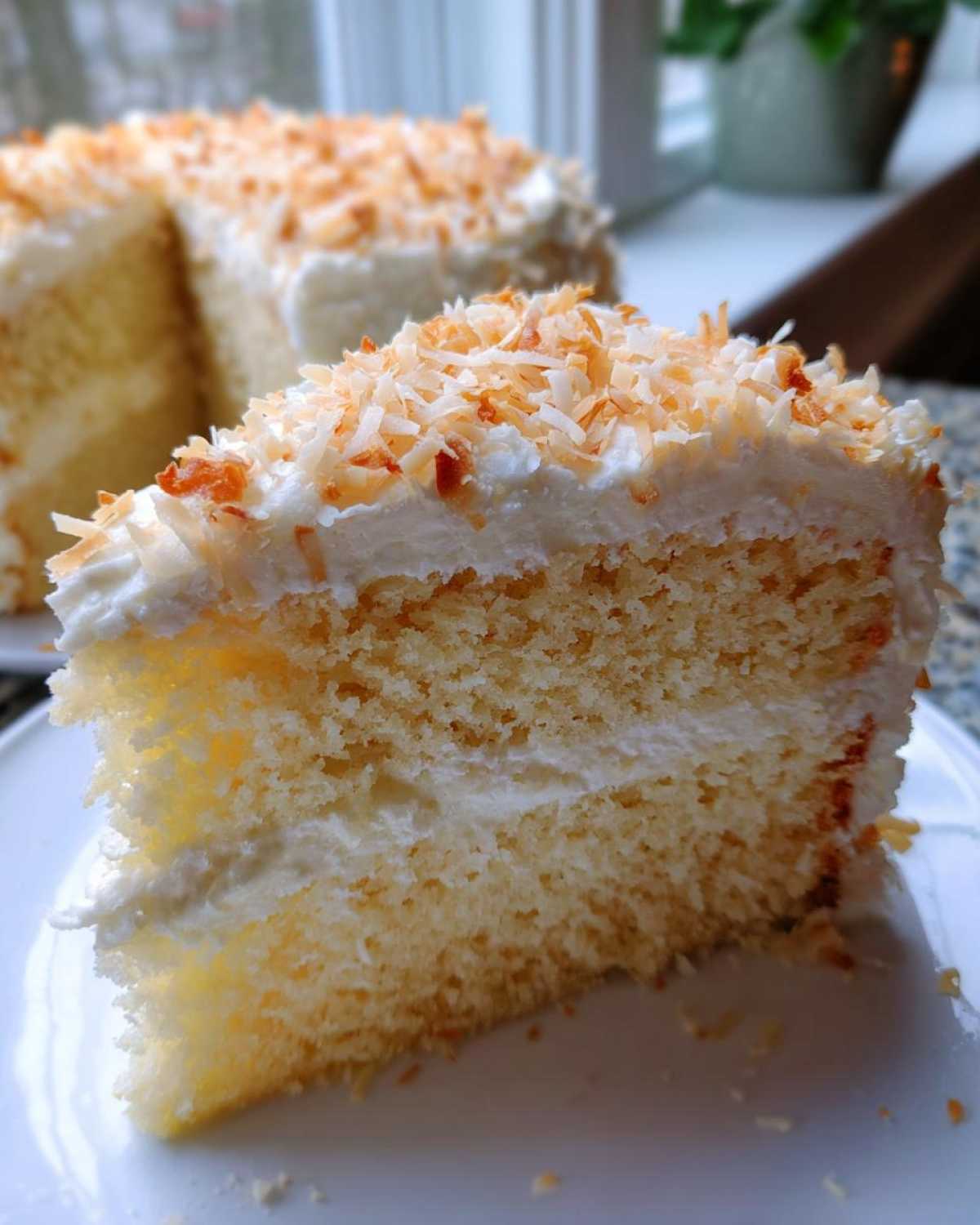
Tips for Success Making a Bakery Style Coconut Cake Recipe
Even with the best instructions, sometimes things sneak up on you in the kitchen! If you follow this coconut cake recipe carefully, you should be golden, but here are a few sneaky tips I’ve learned over the years to guarantee that bakery-style perfection.
If your frosting seems just a tad too soft and soupy—maybe your kitchen is really warm—don’t panic! You can always pop the bowl into the fridge for about 15 minutes before beating it again. That slight chill firms up the butter and cream cheese just enough to hold its shape when you stack those layers. Also, if you are having trouble with dry spots, try brushing the cooled layers with a little milk mixed with a splash of extra cream of coconut before frosting. That extra moisture boost ensures your finished cake stays incredibly tender.
For an amazing flavor boost, you can lightly toast your flour and ground coconut mixture for about five minutes before adding the wet ingredients. It really wakes up the coconut flavor! If you want to see how I handle another favorite frosting, check out my tips for vanilla buttercream—the creaming principle is the same!
Storage and Reheating Instructions for This Coconut Cake Recipe
Now that you’ve made this spectacular tower of tropical goodness, we need to talk about keeping it perfect! Because we used cream cheese and that heavenly cream of coconut in the frosting, this coconut cake recipe absolutely needs to live in the refrigerator if you have leftovers (and if you do, you’re a better person than I am!).
Place your finished cake under a cake dome or cover it loosely with plastic wrap. Don’t press the wrap directly onto the coconut flakes on top, or they’ll stick and smear your beautiful work! It should stay nice in the fridge for about three to four days. I find the flavor actually improves on day two, which is wonderful.
BUT—and this is the huge secret to keeping that tender quality—you can’t serve it cold! When cake comes straight from the fridge, the butter and cream cheese in the frosting firm right up, and the crumb gets tight. That’s a tragedy!
So, before serving, take the entire cake out onto the counter about one to two hours before you plan to slice it. That resting time gives the butter in the frosting just enough warmth to soften up beautifully, and it lets the cake itself relax. When it comes to room temperature, that lovely texture you worked so hard for comes right back, making every bite feel like it just came out of the mixer!
Variations on the Classic Coconut Cake Recipe
Once you master this basic coconut cake recipe, you feel like you can conquer the world, right? It’s so fun to start playing around a bit! While I always go back to the classic Southern version, I have tried a couple of fun updates when I need something a little different for a party.
My absolute favorite twist is adding white chocolate. You can melt about 4 ounces of high-quality white chocolate and fold it right into the batter along with the cream of coconut. It adds this beautiful, subtle sweetness and richness. You can even find out how I combine those flavors in my white chocolate coconut cake recipe if you want a dedicated version!
Another popular one is turning it into a poke cake! After the layers are baked and cooled slightly, use whatever skewer you have handy and poke holes all over the top. Then, instead of frosting immediately, drizzle a mixture of extra cream of coconut thinned with a little milk over the top. Let that soak in for a few hours before you frost it. You get the MOST incredibly moist coconut cake that way!
Serving Suggestions for Your Celebration Cake Recipe
You’ve made the most heavenly, tender cake, and now it’s time to present it! This Southern Coconut Cake is so rich and flavorful that honestly, it stands up beautifully on its own. It really shines when paired with something that cuts through that sweetness just a little bit, or something warm and comforting.
If you’re serving this after dinner, skip the heavy desserts. A tiny side of fresh, lightly macerated strawberries is perfection. Just slice them up and sprinkle them with a tiny bit of sugar an hour before serving. Those tart berries are an amazing counterpoint to the creamy frosting.
For beverage pairings, you can’t go wrong with fantastic coffee. But for something special, I absolutely love serving this cake alongside a nice, warm mocha. If you haven’t tried it, check out how I make my Pistachio Mocha—the hint of nutty warmth just elevates the toasted coconut flavor perfectly. It makes it feel even more like a fancy holiday or celebration cake!
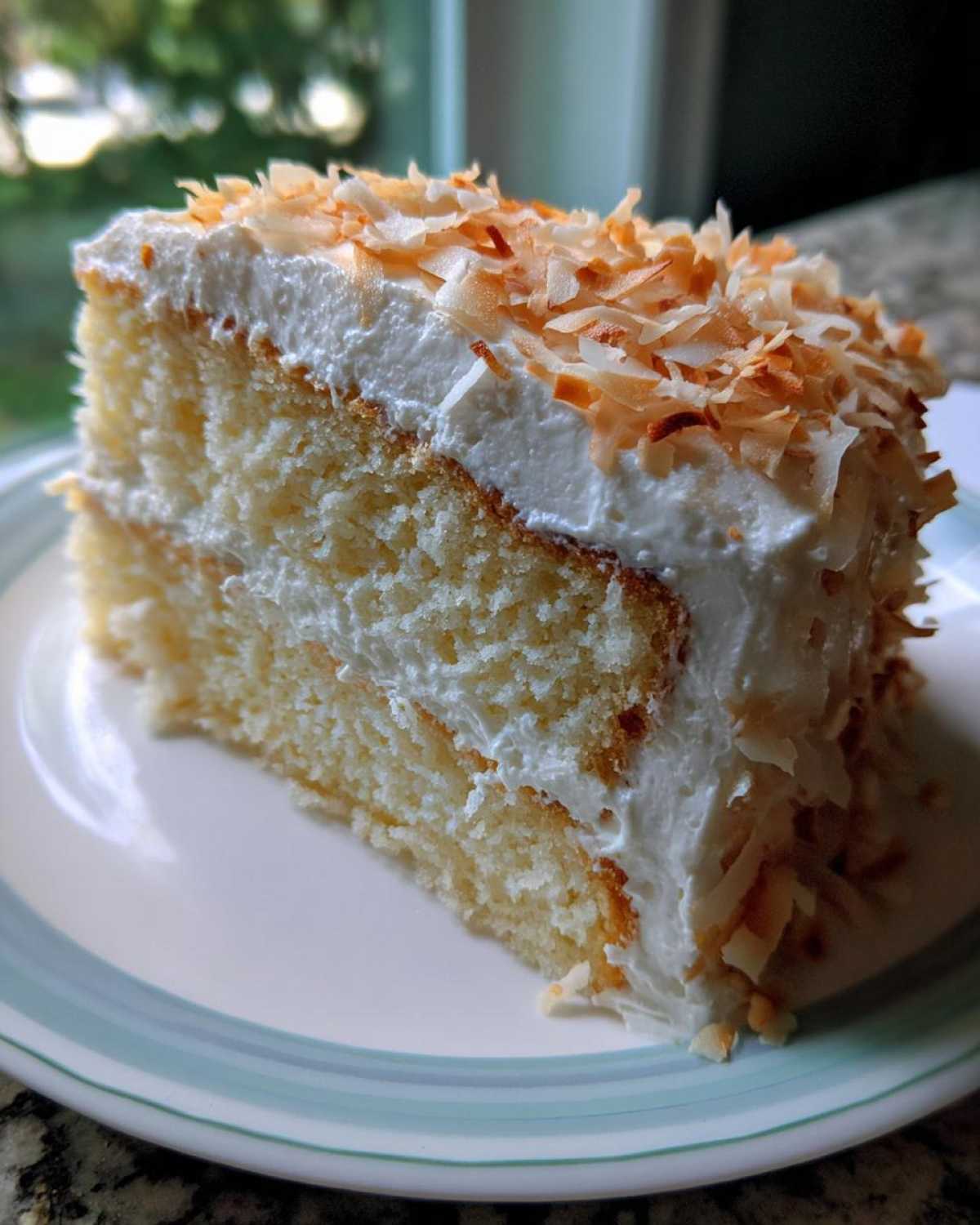
For a lighter feel, just a glass of ice-cold whole milk works wonders, especially if the kids are eating it. It reminds me of when I was little, eating cake right off the cooling rack!
Frequently Asked Questions About This Coconut Cake Recipe
I know you read through all those steps, but sometimes you still have little questions buzzing around. That’s okay! When you’re aiming for the best coconut cake recipe, details matter. Here are the five things people ask me most often about keeping this cake fluffy and perfect.
Can I use cake mix to simplify this coconut cake recipe?
You absolutely *can* use cake mix if you’re in a huge pinch or just don’t have time to bake from scratch. Cake mixes are getting better all the time! However, if you’re aiming for that incredibly tender, light structure we achieved here, nothing beats mixing those dry ingredients yourself. The specific ratios of flour, baking powder, and sugar we use in this from scratch coconut cake are what create the signature fluffy texture that box mixes just can’t quite replicate.
How do I ensure my coconut cake is extra moist?
Moisture is the number one goal here! While the cream of coconut and the eggs do the heavy lifting, remember those little notes I gave you on preparation? The biggest guaranteed moisture bomb is brushing those cooled layers before frosting, using that little mix of milk and extra cream of coconut. That step is optional, but it ensures you get a deeply moist coconut cake every single time, even if you overbake the exterior by a minute or two!
What is the best way to get a truly Southern Coconut Cake?
To get that true Southern coconut cake experience, you need a thick, rich frosting, which is why we went with cream cheese and cream of coconut in ours. It gives you that delightful tang against the sweet cake. Make sure you are using an entire cup of the cream of coconut in the frosting, and then don’t forget to completely cover the sides with toasted flakes—the more coconut, the more Southern it feels!
Can I make the layers ahead of time?
Yes, and I actually recommend it! Baking ahead cuts down on stress the day of your big celebration. Once the layers are completely cool, wrap each one tightly in plastic wrap—like saran wrap your life around it, you don’t want air getting to them! You can keep them wrapped on the counter overnight if your kitchen isn’t too hot, or pop them into the fridge for up to two days. Just make sure they are fully unwrapped and back to room temperature before you apply the coconut cream cheese frosting.
Why does one question mention a ‘poke cake’ variation?
Ah, that ties back to the moisture boost idea! A coconut poke cake basically means you poke holes all over the baked, cooled layers and then pour something delicious into those holes so the cake soaks it all up. For this recipe, poking holes and drizzling in extra cream of coconut is a surefire trick if you tend to bake on the hotter side, guaranteeing you get that ultimate fluffy coconut layer cake experience.
Share Your Experience with This Coconut Cake Recipe
Whew! We did it! You now have everything you need to create the most incredible, tender, and moist coconut cake recipe your friends and family have ever tasted. I honestly cannot wait to see your gorgeous layers!
Please, please, please come back and tell me how it went. Did the frosting get just as fluffy? Were your layers perfectly tender? Drop a comment below and let me know your verdict, or tell me if you added any twists of your own! If you shared photos on social media, tag me—I love seeing these beauties come to life!
If you loved this recipe and want to explore more fantastic baking adventures, make sure you check out the rest of my baking chronicles over on the main blog page. Happy baking, sweet friends!
PrintSouthern Coconut Cream Layer Cake from Scratch
A recipe for a moist, fluffy, and tender Southern-style coconut layer cake featuring rich coconut flavor and a creamy frosting.
- Prep Time: 30 min
- Cook Time: 35 min
- Total Time: 65 min
- Yield: 12 servings
- Category: Dessert
- Method: Baking
- Cuisine: American
- Diet: Vegetarian
Ingredients
- 2 1/2 cups all-purpose flour
- 1 1/2 cups granulated sugar
- 1 tablespoon baking powder
- 1/2 teaspoon salt
- 1 cup unsalted butter, softened
- 4 large eggs
- 1 cup whole milk
- 1 teaspoon vanilla extract
- 1/2 cup unsweetened shredded coconut, finely ground
- 1 cup cream of coconut (like Coco Lopez)
- 1/2 cup unsalted butter, softened (for frosting)
- 4 cups powdered sugar, sifted
- 1/2 cup cream cheese, softened
- 1/4 cup heavy cream
- 1 teaspoon coconut extract
- 1 cup sweetened flaked coconut, toasted (for topping)
Instructions
- Preheat your oven to 350°F (175°C). Grease and flour two 9-inch round cake pans.
- In a large bowl, whisk together the flour, sugar, baking powder, and salt.
- Add the softened butter and mix on low speed until the mixture resembles coarse crumbs.
- In a separate bowl, whisk together the eggs, milk, and vanilla extract. Gradually add the wet ingredients to the dry ingredients, mixing until just combined.
- Stir in the finely ground unsweetened coconut. Divide the batter evenly between the prepared pans.
- Bake for 30 to 35 minutes, or until a toothpick inserted into the center comes out clean. Let the cakes cool in the pans for 10 minutes before inverting them onto a wire rack to cool completely.
- While the cakes cool, prepare the frosting: Beat the 1/2 cup softened butter and cream cheese until smooth. Gradually beat in the powdered sugar until combined.
- Add the heavy cream and coconut extract. Beat on high speed until the frosting is light and fluffy.
- Gently fold in the cream of coconut until incorporated.
- Once the cakes are completely cool, place one layer on a serving plate. Spread a layer of frosting over the top. Place the second layer on top.
- Frost the top and sides of the entire cake with the remaining frosting.
- Press the toasted flaked coconut onto the top and sides of the cake.
Notes
- To toast the flaked coconut, spread it in a single layer on a baking sheet and bake at 350°F (175°C) for 5 to 8 minutes, watching closely to prevent burning.
- For an extra moist cake, brush the cooled cake layers lightly with a mixture of 1/4 cup milk and 1 tablespoon of cream of coconut before frosting.
- If you prefer a firmer frosting, reduce the heavy cream to 2 tablespoons.
Nutrition
- Serving Size: 1 slice
- Calories: 480
- Sugar: 55g
- Sodium: 250mg
- Fat: 28g
- Saturated Fat: 17g
- Unsaturated Fat: 11g
- Trans Fat: 0.5g
- Carbohydrates: 58g
- Fiber: 2g
- Protein: 5g
- Cholesterol: 110mg