

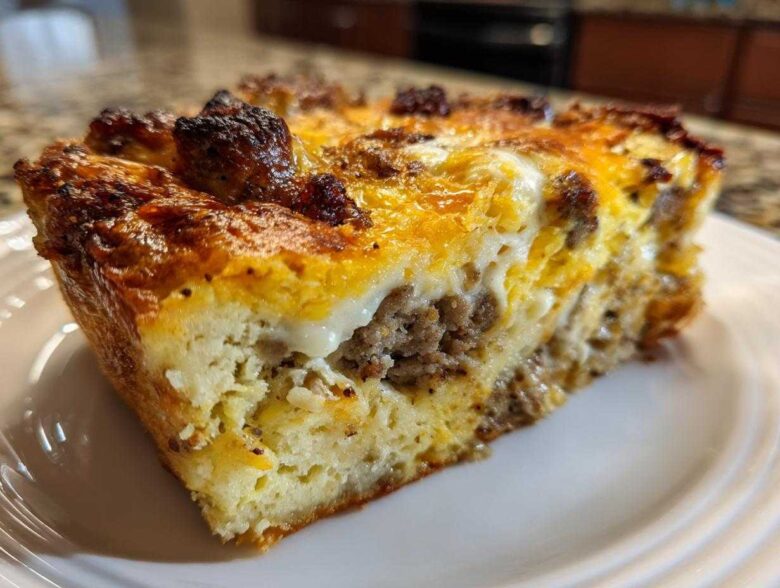
Christmas morning! The magic is definitely there, but let’s be honest, so is the chaos. You’re trying to keep the kids occupied, the coffee is brewing, and suddenly you remember you have to *cook*. That’s exactly why Zola and I developed this system for our Christmas Breakfast Casserole. I bring the structure—making sure every cube of bread soaks up that creamy custard perfectly—and Zola brings the vision: a hearty, savory meal ready to go right when we need it. This isn’t just any bake; it’s our Ultimate Make-Ahead Recipe, designed to give you back precious minutes when you need them most. We swear by this version because it guarantees a warm, satisfying meal without needing me to stand over a bowl of eggs while presents are being ripped open. It’s our little slice of holiday peace, built on solid technique! For more make-ahead strategies that keep your mornings calm, check out my tips on this easy egg bake recipe.
Why This Ultimate Make-Ahead Christmas Breakfast Casserole Saves Your Morning
When I look back at past Christmases, the memories that stick are the ones where we weren’t rushing. That’s the main reason this christmas breakfast casserole is king in our house. Zola isn’t a morning person, so the fact that this is ready to go is huge for us! It’s all about swapping out panic for peace.
Here’s what makes this savory strata the absolute best choice for your holiday:
- It’s ready! We mix it up completely the night before, so all we do is uncover and bake.
- The sourdough base gets perfectly soaked without turning into mush—that’s my technical training paying off!
- It smells incredible while baking, filling the house with a warm holiday vibe without a ton of work from you.
We developed this recipe to give you more time to sip coffee and less time wrestling with pots and pans. Enjoy some of our other best make ahead brunch recipes if you love this concept too!
Stress-Free Christmas Morning Food
For me, the difference between a chaotic morning and a cozy one is preparation. Having this savory strata assembled means zero cooking stress when the house wakes up. When you’re focused on the magic and not the oven temperature, that’s true holiday success! It truly is easy Christmas morning food because it’s already done. Seriously, just pop it in the oven and forget about it until the timer goes off.
Perfect for a Crowd: Serves 10 Guests
We usually have a few extra relatives drop by, so cooking for one or two just doesn’t cut it. This recipe is built for volume. It comfortably feeds 8 to 10 people, which takes a huge weight off my shoulders. You never have to worry about some guests getting served seconds while others wait awkwardly. This brunch casserole for guests is portioned perfectly for hearty appetites!
Ingredients for Your Make-Ahead Christmas Breakfast Casserole
Okay, Zola always says that the beauty of a make-ahead bake is that the ingredient list looks long, but really, it’s just dividing everything into two main categories: the stuffing and the soak. Having everything measured out the night before means assembly is breezy—no scrambling for milk or having to measure spices when you’re half-asleep! Trust me when I say, using the right bread here is important; we need something sturdy for that overnight chill. For more easy savory ideas, you might want to check out how we whip up our cream cheese sausage balls!
Here is what you need to gather for this powerhouse breakfast strata:
- 1 pound breakfast sausage, cooked and drained
- 1 loaf (about 1 pound) sourdough bread, cut into 1-inch cubes
- 1 1/2 cups shredded Gruyère cheese
- 1 cup shredded sharp Cheddar cheese
- 10 large eggs
- 2 1/2 cups whole milk
- 1 teaspoon Dijon mustard
- 1/2 teaspoon salt
- 1/4 teaspoon black pepper
- 1/4 teaspoon ground nutmeg
Notice the nutmeg? That’s our little secret to making it feel truly festive without resorting to cinnamon sugar territory. Also, make sure your sausage is fully drained—we need that grease gone so it doesn’t weigh down the sourdough cubes!
Mastering the Overnight Christmas Breakfast Casserole Assembly
This is where the magic of the overnight breakfast casserole truly happens! We want to build this beauty the night before so come Christmas morning, all we’re doing is baking. The key here, and I learned this the hard way when I rushed things, is layering. You need that sourdough base soaking up the mixture completely, but you don’t want the sausage all clumped in one spot, right? We want balanced flavor in every single piece of that christmas breakfast casserole! For more tips on keeping things smooth, check out my advice on an easy egg bake recipe to make sure your custard sets right.
I always recommend using a 9×13 inch dish—it gives us the best surface area for even baking. Once everything is layered, you need to press it down. Seriously, use a spatula or even just your clean hands. Push that bread down gently! That’s my expert tip: really coaxing the bread to meet the bottom of the dish helps it absorb the liquid evenly overnight. If you skip this step, you might find dry pockets later, and nobody wants that on Christmas!
Layering the Sausage and Cheese Breakfast Casserole
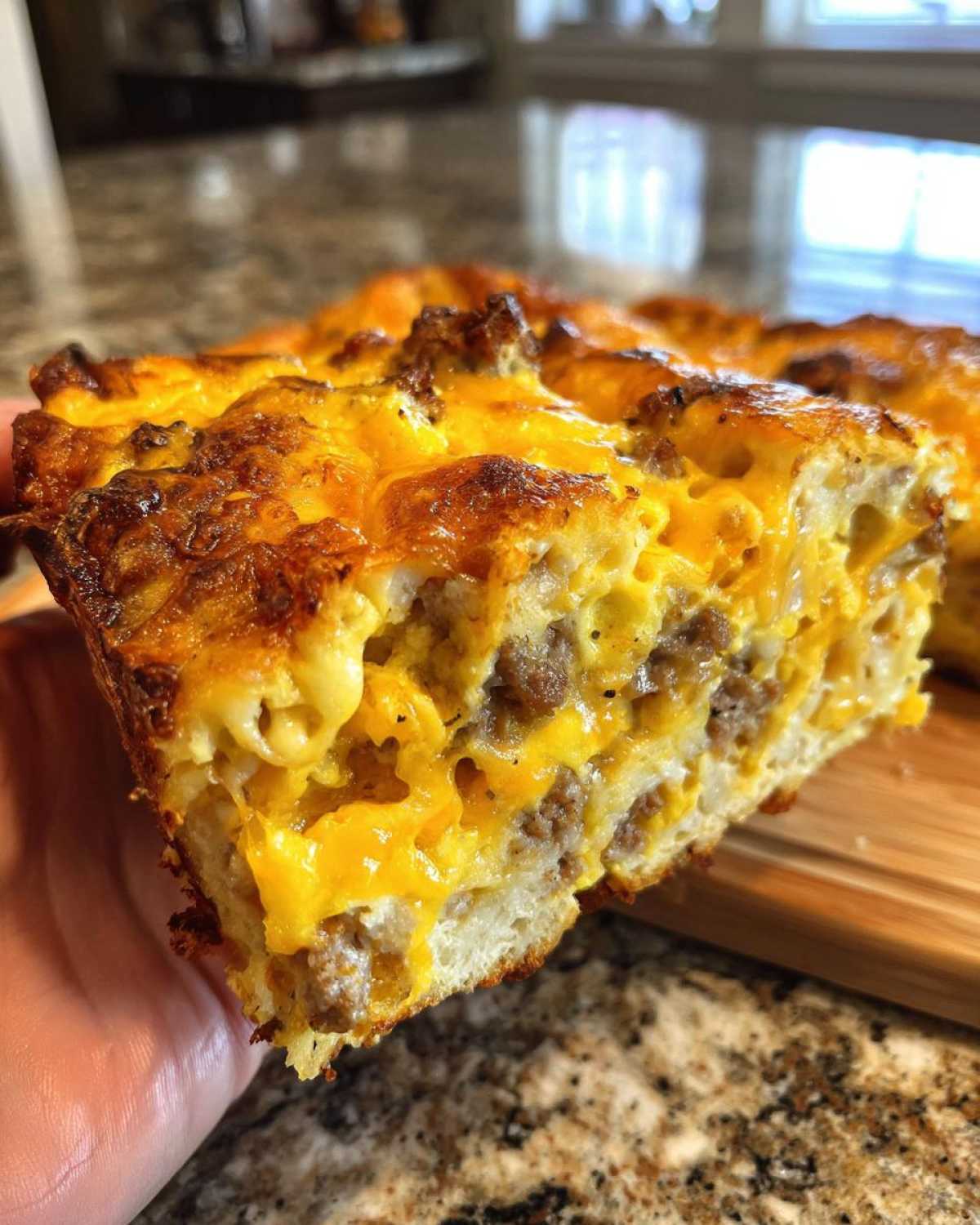
Organization is key for smooth layering. Start by spreading half of your sourdough cubes across the bottom of that greased dish. Next, we scatter half of that crispy sausage over the bread—try to spread it out edge-to-edge! Then, we divide the Gruyère and Cheddar, sprinkling half of the cheese mixture right on top of the meat. Then, we repeat! More bread, the rest of the sausage, and the rest of the cheese. This sandwiching effect locks in moisture and flavor beautifully.
Creating the Perfect Savory Holiday Breakfast Custard
Now for the egg soak. Grab your biggest bowl! We’re whisking the eggs and milk together until they are just combined. You don’t want to over-whisk them to a froth; we’re going for uniformity. Add in that Dijon mustard—it adds a little background tang that cuts through the richness. Immediately whisk in your salt, pepper, and our little festive secret, that touch of nutmeg. Pour this liquid slowly and evenly over all those lovely layers you just built. If you pour too fast, it rushes to the bottom! Take your time; this savory holiday breakfast needs a slow introduction to the dairy and eggs.
Baking Your Hearty Christmas Morning Meal
The night before assembly is over, and now it’s Christmas morning! Even though this is the overnight christmas breakfast casserole, we still have a little bit of baking to do. Don’t panic, though; this is the easiest part because it’s totally hands-off. While you’re busy wrapping last-minute small things or just enjoying the quiet, your oven is doing all the heavy lifting.
First things first: tell your oven to get ready. You need to preheat it to 350 degrees Fahrenheit (or 175 Celsius). That temperature is perfect for letting the casserole puff up slowly and the cheese melt gorgeously on top without burning the edges.
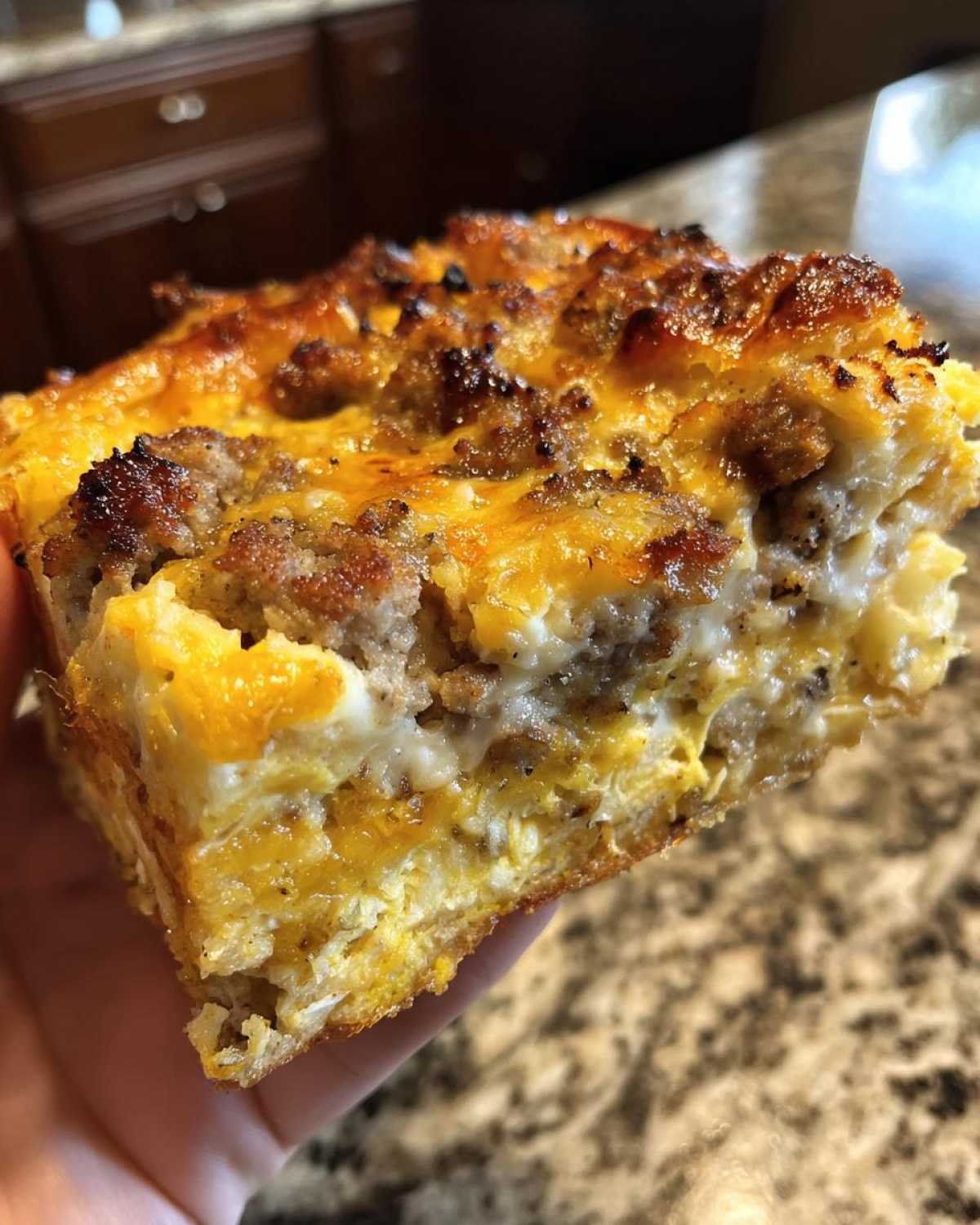
Once it’s preheated, take that plastic wrap off the dish. We need the heat to hit that remaining cheese we sprinkled on top right before we put it in. Bake the casserole uncovered for about 50 to 60 minutes. I know, I know, waiting through that hour feels like forever when you’re hungry, but remember, this is the trade-off for opening presents without stressing about scrambled eggs!
You have to watch for those visual cues. When it looks puffed up and golden brown on top, that’s a good sign. The ultimate test, of course, is inserting a knife near the center—if it comes out clean, you’re golden! We’re aiming for a fluffy, cooked egg center, not a jiggly one. If you need more assurance on timing for your egg bakes, I have lots of tips for one easy egg bake recipe that shares similar structural rules.
Here is the most critical step for presentation, guys: let it rest! Pull that beautiful, hearty Christmas morning meal out, and let it sit on the counter for a full 10 minutes before you even think about slicing into it. If you cut it right away, it will deflate and maybe get a little runny in the center. That 10 minutes lets the structure set up perfectly. Trust me, that small wait makes the difference between a lovely slice and a breakfast puddle!
Ingredient Notes and Variations for Your Christmas Breakfast Casserole
Even though this is a tested recipe, I know Zola would never let me serve a dish without offering a few ways to make it our own, and I’m sure you feel the same! Since we are aiming for that hearty, savory holiday breakfast strata feel, the ingredients we use here are pretty key to its texture. But if you’re missing something or just want to change it up for tradition’s sake, we’ve got options. You know how sometimes the name on the recipe sparks an idea? People often reference Martha Stewart’s fantastic holiday bakes, and if you’re looking specifically at how she structures her flavor profiles, you’ll see how important the bread choice is here.
If you’re swapping meats, that’s totally easy. We used sausage, but I know many folks prefer bacon or ham for their festive meals. You can absolutely use a pound of cooked, crumbled bacon instead of sausage, or even cubed ham if that’s what you served for Christmas Eve dinner! Just make sure whatever you use is fully cooked before it goes into the dish, like we detailed in the assembly steps. If you’re interested in other great savory swaps, peek at how we handle meat in our famous ham and cheese sliders recipe.
For the cheese, Gruyère gives us that sophisticated, slightly nutty melt—it’s a winner. But if you only have Monterey Jack or smoked Gouda, go for it! The key is having enough cheese to create those gooey, stretchy layers throughout the structure, which is vital for any good strata.
Sourdough Bread vs. Hash Browns in a Make Ahead Morning Bake
I see this question pop up all the time when people are looking for make ahead morning bake ideas: sourdough or hash brown crust? This recipe absolutely relies on the sourdough cubes. Why? Because the sourdough has the structure to absorb that wet egg custard overnight without dissolving into mush. It puffs up beautifully and gives us those slightly chewy, savory tops and bottoms.
If you use hash browns—and I love them in other breakfast bakes, don’t get me wrong—they tend to release a lot of moisture into the casserole, which often leads to an overly wet center, especially for an overnight breakfast casserole situation. If you truly must use hash browns, I strongly suggest you squeeze every drop of moisture out of the thawed potatoes before layering them, or simply use the baked sourdough texture that holds up so well. For inspiration on Martha’s classic methods like this, you can look into some of her published ideas, like this one I found about a slightly different take on a breakfast bake here. For us, the sourdough is the secret weapon for that perfect strata outcome.
Tips for Success with Make Ahead Brunch Recipes
Alright, we’ve covered assembly, and now we’re moving into the crucial part: making sure that assembly job you did the night before actually comes out perfect in the morning. Preparing something ahead of time is a huge time saver, but you have to respect the process, or your beautiful make ahead brunch recipes can turn into one giant, slightly liquid mess. The biggest enemies here are sogginess and undercooked centers. That’s why Zola and I live by a couple of easy rules for successful overnight bakes, ensuring this christmas breakfast casserole is as good as fresh!
First up: saturation time. You absolutely must give that bread enough time to drink up that custard. Eight hours is the minimum, but overnight is better, like a full 12 hours if your schedule allows. If you press down hard enough during assembly—remember that trick?—the bread can handle it, but it needs time!
Second tip is all about the transition from cold fridge to hot oven. You can’t just toss a deeply chilled casserole into a 350-degree oven and expect everything to cook evenly. Take the dish out about 30 to 45 minutes before you plan to put it in the oven. Let it sit on the counter while the oven preheats. This slight tempering time helps prevent the edges from cooking way too fast while the center is still icy cold. If the top starts browning too quickly before the center is set, that’s when you bring in the foil!
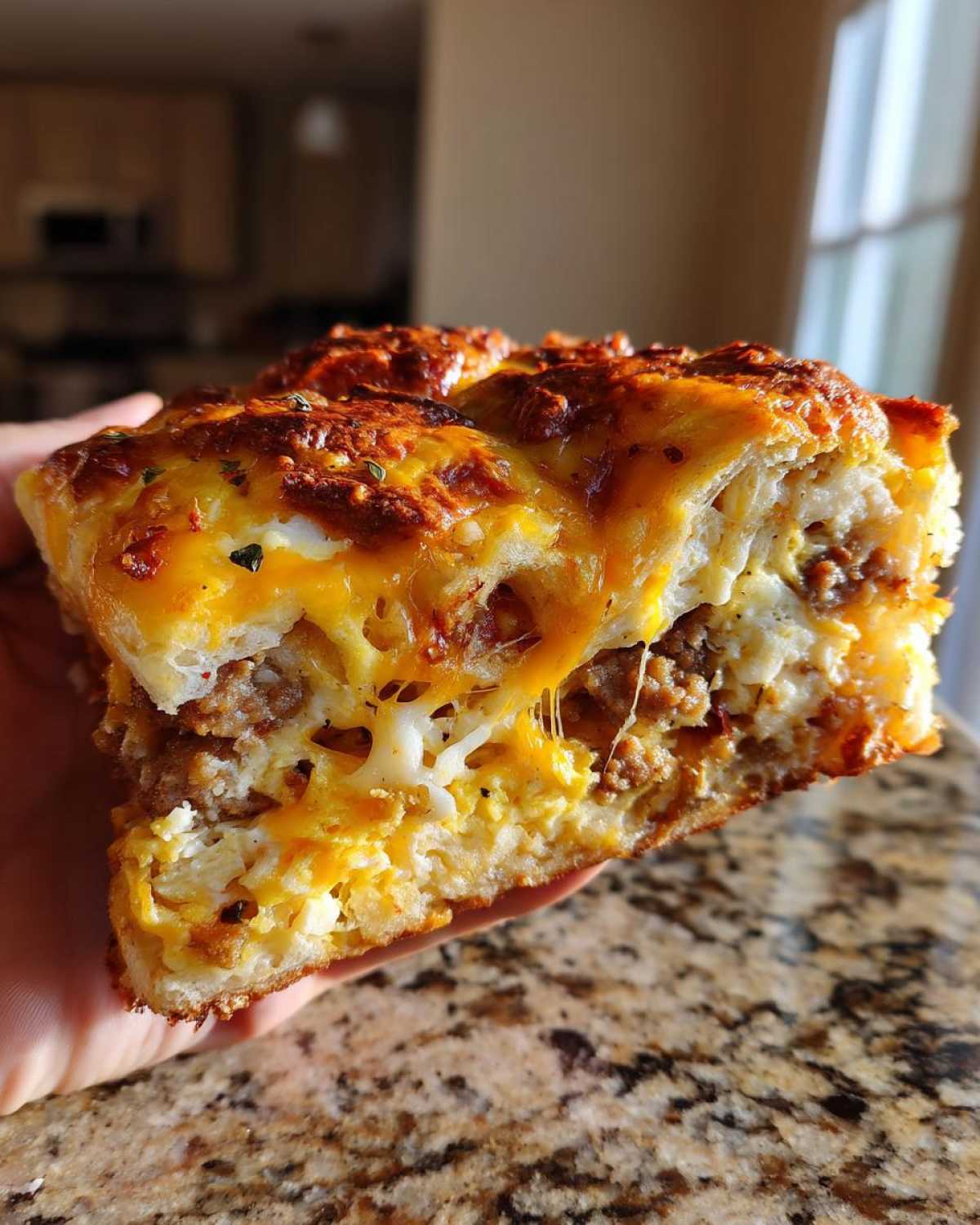
I call this the “Foil Cover Playbook.” For the first 35 to 40 minutes of baking, keep that dish covered tightly with a layer of aluminum foil. The foil traps the steam, letting the interior heat up gently and ensuring that egg cooks all the way through without drying out or burning the cheese on top. Once the casserole has puffed up nicely—usually around the 40-minute mark—pull that foil off! This allows the remaining moisture to escape and lets that gorgeous Gruyère and Cheddar get golden brown and slightly crispy. It maximizes the texture we want!
If you love achieving perfect texture in your bakes, you might also enjoy figuring out the science behind fluffy treats like my recipe for fluffy buttermilk scones. Knowing these small technical rules makes holiday cooking so much smoother!
Serving Suggestions for a Festive Egg Bake
Even though this christmas breakfast casserole is a whole meal tucked into one pan—it’s hearty, it’s savory, and it’s loaded with cheese—it still loves some company on the plate! But Zola and I agree: on Christmas morning, we aren’t busting out the stand mixer for seven different side dishes. We need simple pairings that don’t require any extra oven time or dirty pots. The goal is to balance the richness of the sausage and Gruyère we baked into the strata.
Since the casserole is so rich and fills you up fast, simple freshness is the key for our festive egg bake setup. Think about things you can set out on a counter minutes before serving, or recipes that are super minimal fuss. If you like fluffy sides that complement this casserole perfectly, you have to check out our recipe for best fluffy buttermilk pancakes—but honestly, we usually skip the pancakes in favor of fresh fruit!
Here are the easy sides we always serve with our overnight strata:
- Fresh Fruit Platter: This is non-negotiable for cutting through the richness. Pile up some bright, colorful fruit. Think sliced winter oranges, bright red raspberries, sliced kiwi, and green grapes. They add color to the table and a light, cleansing flavor between bites of casserole.
- Simple Baked Goods: Since we don’t want to stress over baking, we often rely on store-bought or simple mini muffins. If you have time, a quick batch of easy scones (no fussy folding required!) can be nice, but usually, we just grab quality croissants or crusty rolls. They’re great for grabbing a little extra cheese off the plate!
- A Little Something Sweet (Optional): If you didn’t put glaze on the casserole itself, a small bowl of whipped maple cream or a jar of high-quality berry jam on the side is lovely for those who want just a tiny sweet hit, but honestly, most people don’t need it because the casserole is perfect on its own.
Keep the sides bright, simple, and ready to go, and you’ll find that your main event—that delicious, prepped casserole—is more than enough for a satisfying holiday brunch!
Storing and Reheating Your Make-Ahead Morning Bake
Okay, if you manage to have leftovers—which is rare in my house because everyone dives in!—you want to treat them right. You’ve worked hard making this amazing breakfast, so we don’t want to compromise the texture when reheating. Since this is an egg-based strata, it needs a little care, but it holds up really well, which is one of the great things about using that sturdy sourdough base we talked about earlier.
For storage, keep it simple. Once the casserole has cooled down to room temperature—and this is important, don’t put piping hot casseroles directly into the fridge, as that can cause condensation and mushiness—cover the dish tightly. I usually just use heavy-duty plastic wrap, making sure it seals well against the edges so it doesn’t dry out in the fridge. It will keep beautifully for about three to four days. If you want even more ideas on making components ahead of time, you might enjoy checking out how I use leftovers in my hearty vegetable beef soup!
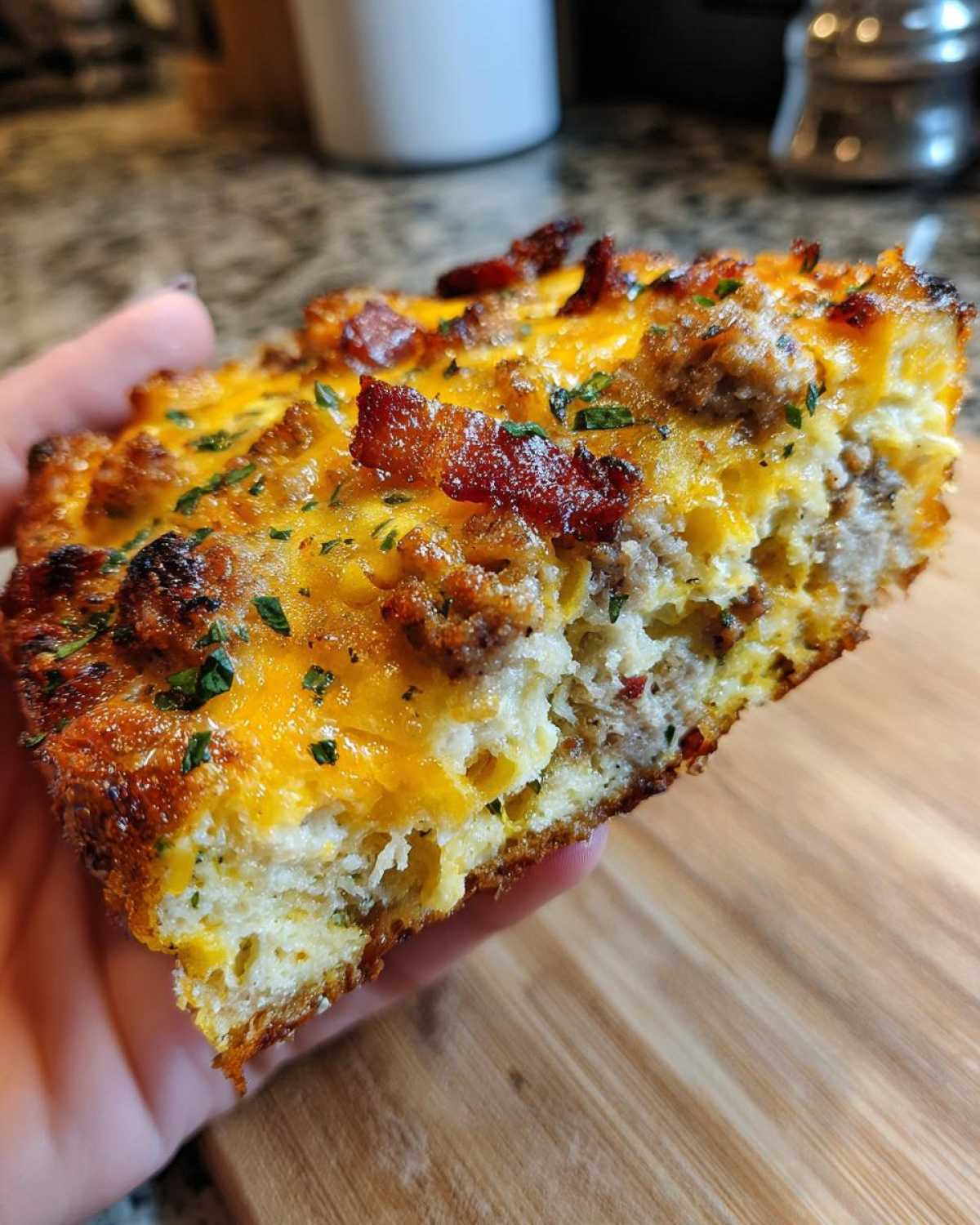
When you’re ready for round two of cheesy, savory goodness, you have a couple of reheating options. The oven is always my first preference for reheating casseroles like this because it restores that wonderful, slightly browned top layer that we worked so hard to achieve!
The Best Way to Reheat Baked Casserole Slices
If you’re just reheating a single slice or two, the microwave is your friend for speed. Pop the portion onto a microwave-safe plate and heat it in short, 30-second bursts. You might notice that the texture softens a bit more than it was fresh, but it’s quick and convenient for a fast breakfast.
For reheating the entire dish, or maybe half of it, go back to slow and steady heat. Pop the covered casserole dish back into a 325°F oven. Cover it with foil again to keep the moisture locked in while it heats through gently. Give it about 20 to 30 minutes, depending on how cold it was coming out of the fridge. Once it’s warmed through to the center, remove the foil for the last five minutes just to crisp up the top cheese layer again. That way, it tastes almost as good as it did on Christmas morning!
Making Ahead: Can I Freeze Portions?
This is a great question, especially if you’re trying to prep for New Year’s Day too! Yes, you absolutely can freeze this once it’s already baked. Once cooled, slice the casserole into individual portions or meal-sized squares. Wrap each portion tightly first in plastic wrap, and then wrap it again in aluminum foil or place it into a freezer-safe bag. This double wrapping prevents freezer burn, which is essential!
When you want to eat a frozen piece, move it to the fridge to thaw overnight if you can. Then, reheat slowly in the oven, covered with foil, at 325°F until piping hot. If you need it faster, you can microwave it directly from frozen, but the texture won’t be quite as fluffy, so plan ahead if you want the best results from your make ahead morning bake!
Frequently Asked Questions About This Christmas Morning Breakfast Casserole
I get so many notes from readers after the holidays, and usually, it’s about timing or substitutions! That’s totally normal when dealing with a big meal like this. Since this christmas breakfast casserole is technically a strata, it behaves a little differently than a quick egg scramble, but if you nail the prep, it’s foolproof. We want to address those last-minute doubts so you can feel totally confident preparing this fantastic savory holiday breakfast! If you have any other questions that aren’t covered here, feel free to get in touch with us via our contact page.
Can I freeze this overnight breakfast casserole?
That is a smart question, especially since you’re already thinking ahead! Yes, you absolutely can freeze this, but I recommend freezing it before you bake it for the very best texture later. Cover the assembled, unbaked casserole tightly with plastic wrap, then wrap it really well in foil. Freeze it flat for up to a month. When you want to bake it, move it to the fridge the night before to thaw slightly, remove the plastic, cover with foil, and add about 15 to 20 minutes to the baking time. Baking from frozen works too, but it takes ages and the structure might weep a bit more! Freezing baked leftovers isn’t as good; the egg texture gets a little spongy when thawed.
What if I want a different meat than sausage in my savory holiday breakfast?
Oh, absolutely! Sausage gives a lovely richness, but sometimes you have a ham leftover from Christmas Eve, or maybe you just prefer bacon. If you want to switch it up, use one pound of cooked, crumbled bacon or 10 ounces of finely diced ham. The key thing to remember is that whether you use sausage, bacon, or ham, it *must* be fully cooked before you layer it in. If you use bacon, make sure you drain off almost all that grease; we want savory flavor, not a soggy bottom! This swap works perfectly every time and creates a fantastic variation on the traditional brunch casserole for guests.
How do I ensure the center of my brunch casserole for guests is fully cooked?
This is the perennial panic point for any make-ahead bake, right? You’ve waited until Christmas morning to bake it, and you’re praying it’s not liquid in the middle! We have three checks for success here. First, trust your visual cue: it needs to be puffed up. Second, do the knife test—insert a thin knife near the center; it must come out clean, with no wet batter clinging to it. If you see wetness, push the foil back on and give it 5-10 more minutes uncovered. Third, and this is the final step where Zola insists I have vision: let it rest for 10 minutes after it comes out of the oven. I know you’re excited to dig in, but that rest minute allows any residual steam to settle and firm up the center without turning it into rubber. That resting period ensures you get perfect slices for all your brunch casserole for guests!
PrintUltimate Make-Ahead Christmas Breakfast Casserole

Prepare this hearty, savory breakfast strata the night before for a warm, delicious, and stress-free start to your Christmas morning. It feeds a crowd easily.
- Prep Time: 20 min
- Cook Time: 60 min
- Total Time: 140 min
- Yield: 10 servings
- Category: Brunch
- Method: Baking
- Cuisine: American
- Diet: Vegetarian
Ingredients
- 1 pound breakfast sausage, cooked and drained
- 1 loaf (about 1 pound) sourdough bread, cut into 1-inch cubes
- 1 1/2 cups shredded Gruyère cheese
- 1 cup shredded sharp Cheddar cheese
- 10 large eggs
- 2 1/2 cups whole milk
- 1 teaspoon Dijon mustard
- 1/2 teaspoon salt
- 1/4 teaspoon black pepper
- 1/4 teaspoon ground nutmeg
Instructions
- Lightly grease a 9×13 inch baking dish.
- Spread half of the sourdough bread cubes in an even layer in the prepared dish.
- Sprinkle the cooked sausage evenly over the bread layer.
- Top the sausage with half of the Gruyère and half of the Cheddar cheese.
- Arrange the remaining bread cubes over the cheese layer.
- In a large bowl, whisk together the eggs, milk, Dijon mustard, salt, pepper, and nutmeg until fully combined.
- Pour the egg mixture slowly and evenly over the bread and sausage layers in the baking dish. Gently press down on the bread to help it absorb the liquid.
- Cover the dish tightly with plastic wrap. Refrigerate for at least 8 hours, or overnight.
- When ready to bake, preheat your oven to 350 degrees Fahrenheit (175 degrees Celsius). Remove the plastic wrap.
- Sprinkle the remaining Gruyère and Cheddar cheese over the top of the casserole.
- Bake uncovered for 50 to 60 minutes, or until the casserole is puffed, golden brown, and a knife inserted near the center comes out clean.
- Let the casserole rest for 10 minutes before slicing and serving for a truly memorable festive meal.
Notes
- For a Martha Stewart inspired twist, use high-quality sourdough bread as the base.
- If you prefer bacon over sausage, substitute 1 pound of cooked, crumbled bacon.
- This recipe is perfect for a crowd; it easily serves 8 to 10 people.
- To make this an easy Christmas morning food, assemble everything the night before and keep it covered in the refrigerator.
Nutrition
- Serving Size: 1 slice
- Calories: 450
- Sugar: 3
- Sodium: 750
- Fat: 30
- Saturated Fat: 14
- Unsaturated Fat: 16
- Trans Fat: 0
- Carbohydrates: 25
- Fiber: 1
- Protein: 22
- Cholesterol: 210