

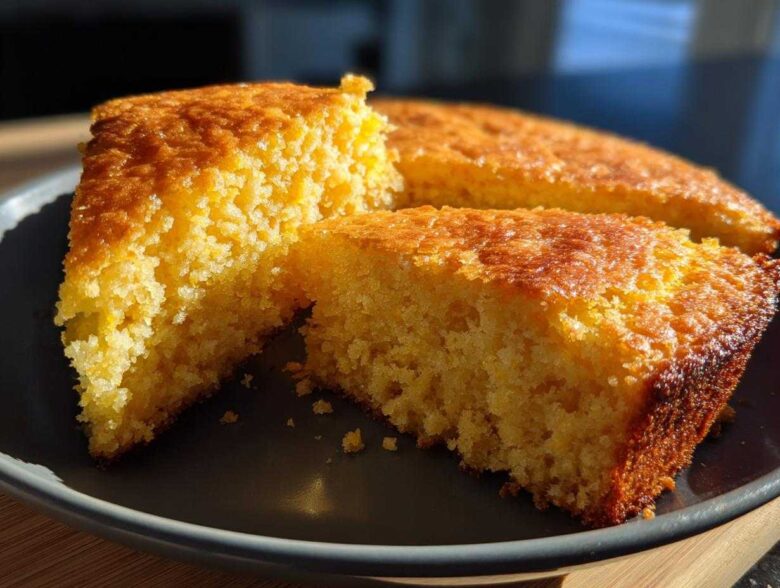
Oh, you know that smell? That warm, comforting, slightly earthy aroma that just screams home? That’s the smell of a perfect batch of buttermilk cornbread baking, and honestly, nothing else comes close. I’ve tried every recipe under the sun, believe me, but if you want that truly tender, fluffy texture with the perfect slightly crisp edge, you have to do it right. This isn’t just *any* cornbread; this is the ultimate moist and fluffy Southern buttermilk cornbread recipe. My secret comes from a long line of bakers who understood that the secret isn’t just the ingredients, but how you treat them—especially that sizzle when the batter hits the hot fat in the skillet. Trust me, once you try this version, you’ll stop buying the box mix forever, I promise!
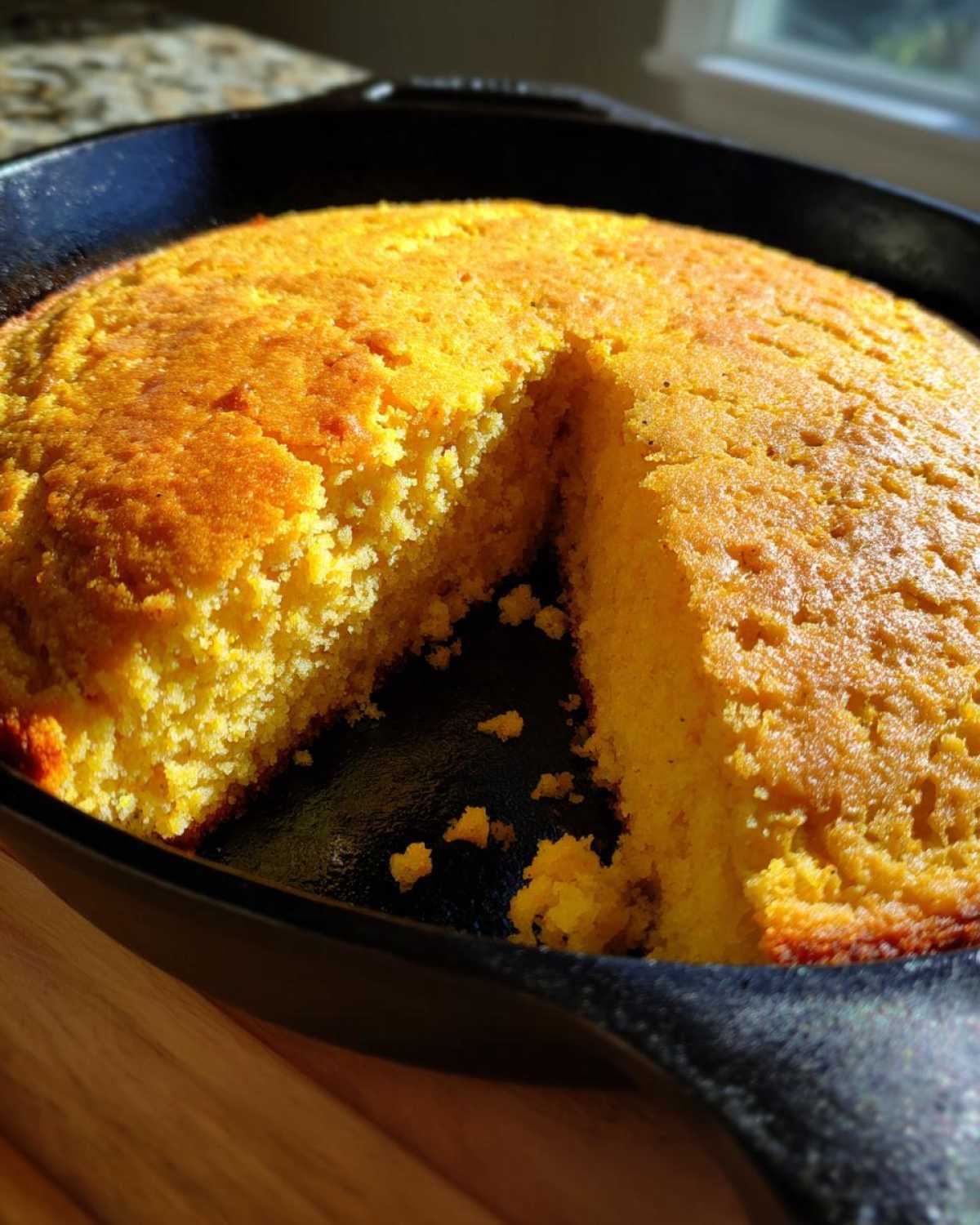
Why This Is the Best Buttermilk Cornbread Recipe (Moist & Fluffy)
Listen, I know a lot of recipes promise the world, but this one actually delivers that signature Southern feel. The magic really starts with two things: the buttermilk and the screaming hot skillet. That buttermilk is magic; its acidity works with the baking soda to give you an incredible lift, which is why you get that wonderfully fluffy cornbread instead of a dense hockey puck. If you love adding cheese and spice, you should check out my cheddar jalapeno cornbread recipe too, but for the classic, keep reading!
And that cast iron skillet preparation? That’s non-negotiable for the best moist cornbread. When you drop that batter into the sizzling hot fat, you instantly seal the bottom and sides, creating the crunchiest, most decadent crust you’ve ever had. It’s the difference between a side dish and an event!
Achieving True Southern Cornbread Flavor
Now, you have to decide which side of the Mason-Dixon line you fall on! My family likes just a little kiss of sugar—enough to balance the tang of the buttermilk without tasting like dessert. If you’re looking for a truly sweet buttermilk cornbread, feel free to add another tablespoon or two of sugar, but I stick to the recipe’s lower amount for dinner balancing. If you serve this with BBQ sauce or spicy chili, that light sweetness really shines without fighting the main course.
Ingredients for Perfect Buttermilk Cornbread
I always tell people that the best buttermilk cornbread starts with knowing your pantry layout. You don’t need a million fancy things here, just good measurements for our core components. Because we’re not using any mix, weighing your dry goods isn’t required, but measuring them carefully is key to that fluffy texture we want. The buttermilk is the star, so please use real, thick buttermilk if you can find it! If you want to see what I add when I want some real spice, check out my recipe for jalapeno cheddar cornbread, but for this base recipe, stick with these measurements.
- 1 1/2 cups yellow cornmeal (don’t skip the yellow, it’s classic!)
- 1 cup all-purpose flour
- 1/4 cup granulated sugar (this keeps it perfectly balanced)
- 1 tablespoon baking powder
- 1 teaspoon salt
- 1/2 teaspoon baking soda
- 1 cup buttermilk (the colder, the better when mixing)
- 2 large eggs (room temperature is slightly better, but just eggs work!)
- 1/4 cup vegetable oil
- 1/4 cup melted unsalted butter, plus extra for greasing (make sure the melted butter has cooled just a hair before adding it in!)
Essential Equipment for Your Cast Iron Cornbread
Okay, this recipe isn’t fussy, but you do need the right tools for the job, especially if you want that iconic crust. If you don’t own a cast iron skillet, now is the time to finally grab one! They truly make all the difference when baking quick breads. Seriously, the better the pan, the better the results!
You don’t need a stand mixer or anything fancy for this—I usually just use my favorite wooden spoon and elbow grease, which helps prevent overmixing, by the way. Here is the short list of what you’ll absolutely need to bake this perfectly:
- One sturdy, 10-inch cast iron skillet. This is our hero piece!
- Two mixing bowls—one large for the dry ingredients and one medium for the wet.
- A whisk for blending the liquid components.
- A good rubber spatula for folding everything together gently.
- Measuring cups and spoons—precision matters here!
That’s it! No stand mixer needed, just a few common items and that amazing hot skillet ready to create some serious crunch on your dinner bread.
Step-by-Step Instructions for Easy Buttermilk Cornbread
This is where we turn simple ingredients into the best easy cornbread recipe you’ll ever use! The whole process moves so fast once you get organized, which is why I love this for a weeknight side dish. But you have to respect the heat! If you rush the preheating step, you won’t get that crunch we’re aiming for. Follow these steps exactly, and you will have perfect, fluffy cornbread every single time. I always get everything measured out before I even turn the oven on so I can move quickly when it’s time to pour that batter in.
Preheating and Preparing the Cast Iron Skillet
This step is crucial! You absolutely have to preheat your 10-inch skillet right along with the oven to 400 degrees Fahrenheit. Think about it—we want the iron ripping hot so when the batter lands, it instantly sets. That high heat is responsible for the gorgeous golden-brown, crispy edges on your buttermilk cornbread. I usually let the skillet hang out in the oven for a good 15 minutes after the oven signals it’s ready, just to be absolutely sure it’s scorching.
Mixing the Batter: The Key to Moist Cornbread
Once your dry ingredients are whisked together—cornmeal, flour, baking powder, salt, and soda—you’re ready for the wet stuff. Whisk those buttermilk, eggs, and oil together gently. Now, listen close: pour the wet into the dry and mix *only* until the flour streaks just disappear. I mean it! Maybe ten or twelve gentle folds with the spatula. If you beat it into submission, you are developing gluten, and that leads straight to tough, dry bread, not the moist cornbread we crave! Remember, a few lumps are your friends here.
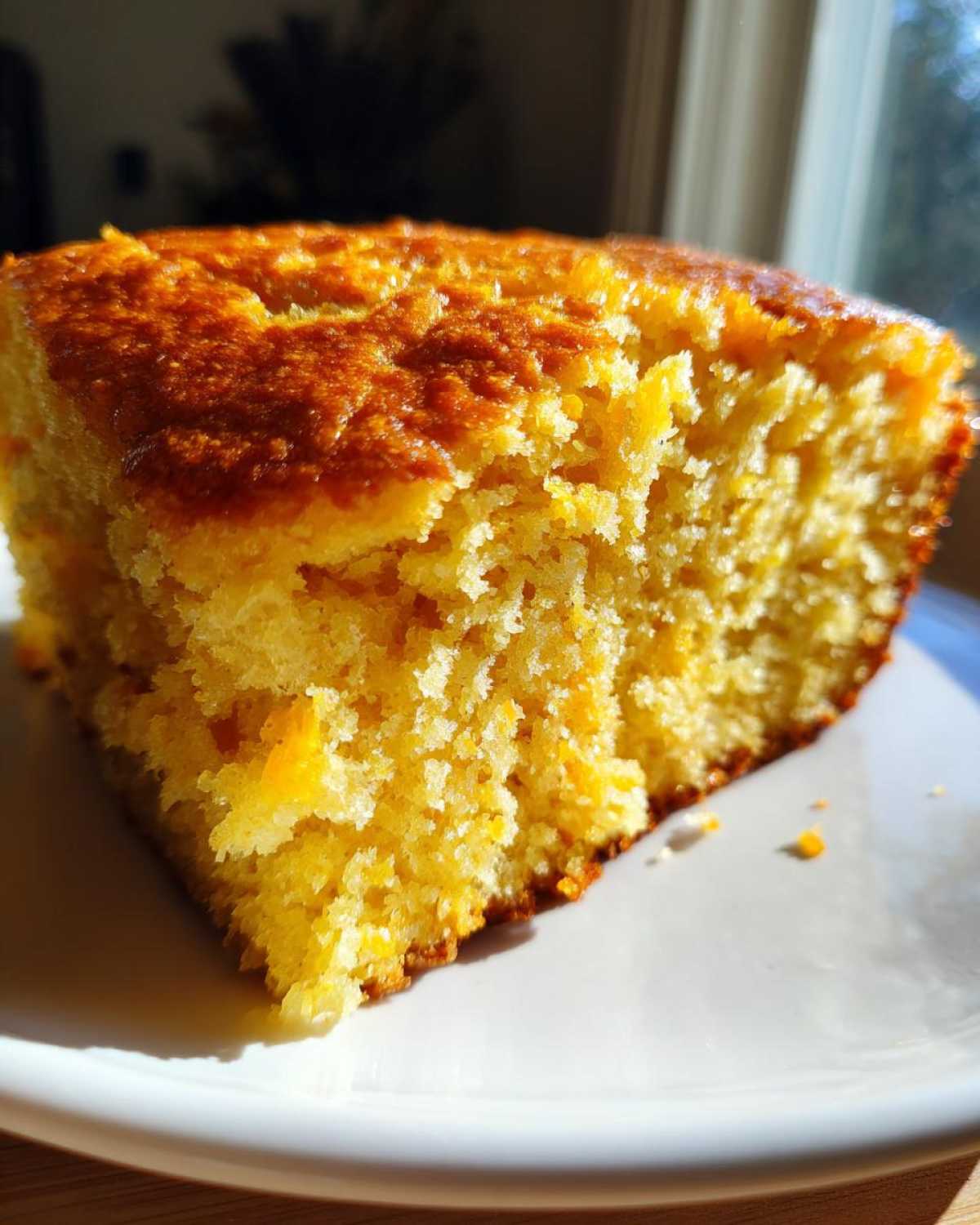
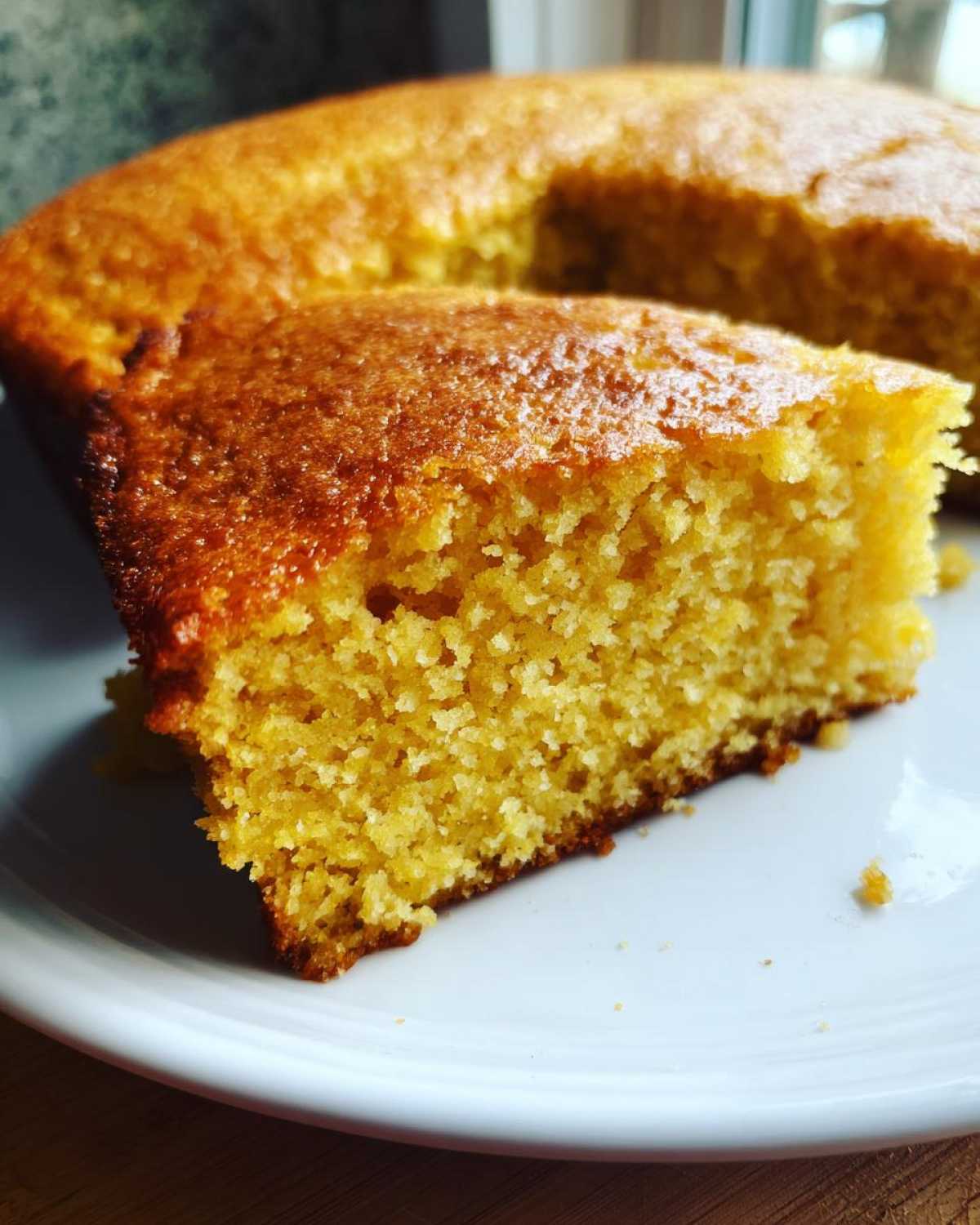
Next, we move lightning fast! Carefully take that skillet out—use great oven mitts!—and immediately swirl that quarter cup of melted butter around the whole thing. It should sizzle aggressively! That sizzling sound tells you everything is perfect. Pour your slightly lumpy batter right into that butter pool. Don’t hesitate! You want that initial sizzle. Pop it straight back into the oven. Bake for about 20 to 25 minutes until it smells utterly divine and a toothpick comes out clean, not wet. Resist cutting into it immediately; let it rest in that hot pan for five minutes before slicing. This final rest lets the structure set up perfectly, giving you that wonderful traditional cornbread texture.
If you’re looking for other quick baking inspiration, you might enjoy checking out my recipe for rosemary garlic skillet rolls—another dough that loves a hot pan!
Tips for the Best Homemade Buttermilk Cornbread
If you want to elevate this from a recipe you follow to a true piece of homemade cornbread history, you have to think like Grandma did! She never just followed the book; she made it fit the occasion. These little tweaks are what turn a simple quick bread into something really special and help nail that traditional cornbread flavor profile.
My absolute number one rule for getting the flavor right? Butter temperature, or rather, the substitute temperature. If you want that crispy golden crust that sings, skip the butter coating in the pan and go straight for bacon grease. Seriously, render some down and use that hot grease to coat your skillet before you pour in the batter. It adds an incredible depth of savory flavor that you just can’t get anywhere else. Don’t worry if you don’t have space for bacon grease, either—a good quality, high-heat oil works in a pinch, but bacon fat is peak deliciousness, trust me on this one!
For an even creamier interior, try warming your buttermilk slightly—just a quick 20 seconds in the microwave—before whisking it with the eggs. It seems minor, but it helps everything incorporate beautifully when mixing quickly with the cold dry ingredients. If you’re looking for other comforting baking inspiration, my cinnamon apple baked oatmeal cups are another quick win for breakfast!
Ingredient Adjustments for Savory Cornbread
Not every meal calls for a slightly sweet side. If you’re serving chili or a heavy stew, you might lean harder into the savory cornbread side of things. The easiest way to handle this is to cut the sugar in half—or even ditch it entirely! Then, feel free to throw in half a cup of sharp cheddar cheese or some chopped fresh chives right before it goes into the hot pan. It keeps the texture perfect while pushing the flavor profile savory and robust.
Serving Suggestions for Classic American Side Dish Buttermilk Cornbread
Seriously, there is nothing I look forward to more than slathering a thick wedge of this warm bread with butter when I know the main course is something hearty. This recipe turns into the ultimate classic American side dish that just hugs whatever you serve it with. You simply can’t beat it!
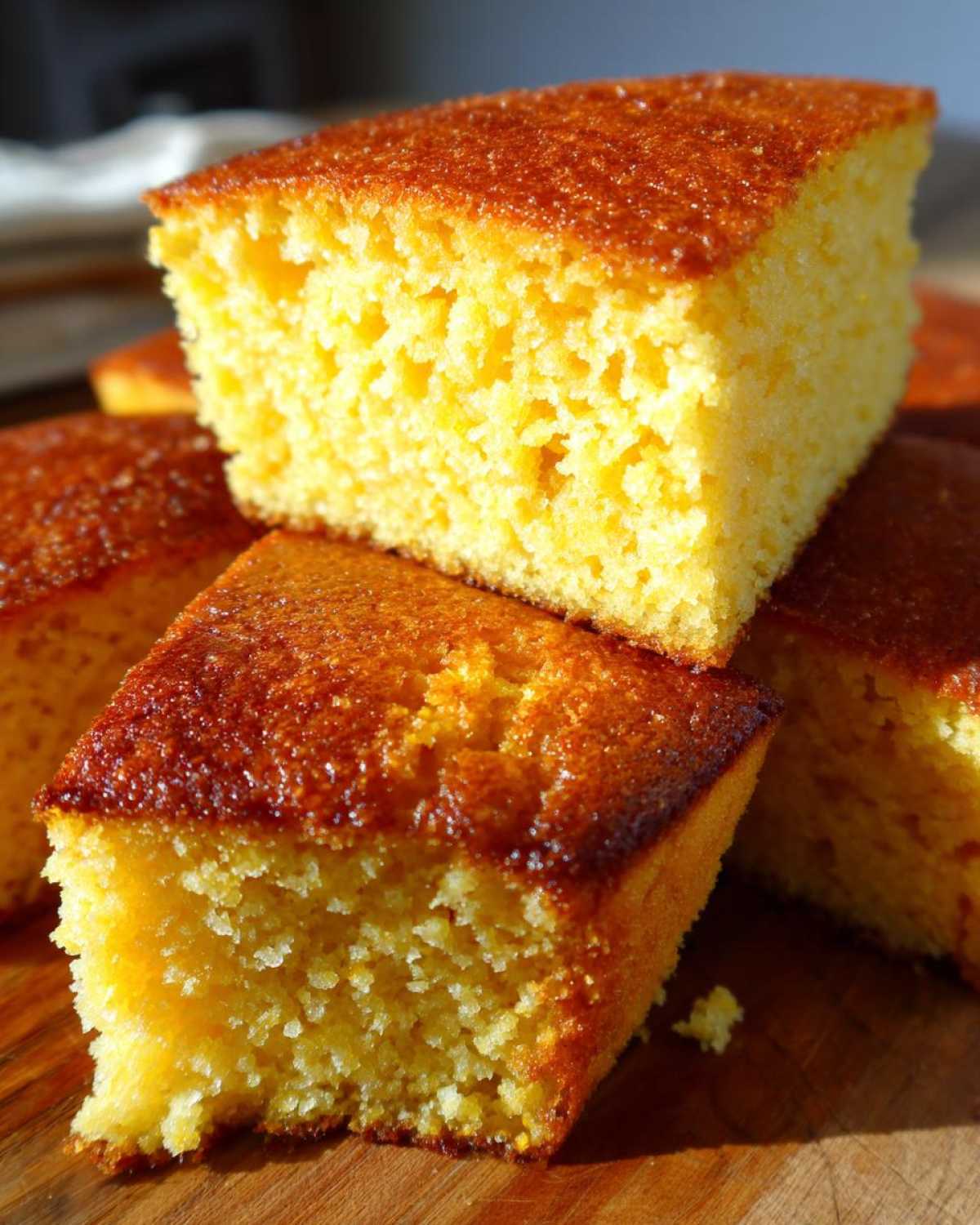
If you’ve made a big pot of chili simmering on the stove, you need this on the side for dipping. My go-to pairing is always a big bowl of hearty soup—the cornbread soaks up every last drop of broth beautifully. For those colder nights, try serving it alongside something rich like a beef stew. I have a wonderful recipe for winter beef and barley stew that begs for a slice of this bread! For BBQ nights, forget the plain rolls; this is the only bread that belongs on the table.
And speaking of soup, if you’re making something tomato-based, you absolutely have to try it with my creamy tomato soup recipe! That pairing is pure comfort food baking magic. You can check out my recipe for creamy tomato tortellini soup while you wait for your bread to bake. It’s the perfect combination for a chilly evening!
Storage and Reheating Buttermilk Cornbread
Don’t let leftovers go to waste! Since this buttermilk cornbread is so moist, it does pretty well. If you’re eating it within two days, keeping it tightly wrapped on the counter is fine. But if you need it to hang around longer, definitely wrap it well and stick it in the fridge to keep that buttermilk fresh. The real secret to reviving it is heat! Don’t microwave it—that makes it spongy. Instead, wrap your slice in foil and pop it back into a 350-degree oven for about ten minutes. That little trip back to heat brings that crisp crust right back to life!
Frequently Asked Questions About Buttermilk Cornbread
I get so many questions about this recipe—and honestly, that tells me you guys love making homemade cornbread as much as I do! Here are the things folks ask most often when they are trying to master that perfect tender crumb.
Can I use regular milk instead of buttermilk for this recipe?
You technically *can*, but I would really, really urge you not to if you want the best results! Buttermilk is what gives this bread its signature tang and, more importantly, it reacts with the baking soda to make your Buttermilk Cornbread light and fluffy. If you absolutely must substitute, make your own by adding one tablespoon of white vinegar or lemon juice to one cup of regular milk and letting it sit for five minutes. It’s not totally the same, but it’s the next best thing!
Why is my cornbread dense instead of fluffy?
Oh, I’ve been there! If your bread comes out like a brick, nine times out of ten, you overmixed the batter. Remember what I said about stopping when the dry streaks *just* disappear? If you keep stirring until everything is perfectly uniform, you activate too much gluten and starch, leading to density. Also, make sure your baking powder and baking soda are fresh—old leavening agents are a major culprit for flat, dense Dinner Breads.
Should I use yellow or white cornmeal?
For that quintessential Southern Cornbread look and taste that I love, yellow cornmeal is the way to go. White cornmeal tends to result in a lighter color and sometimes a slightly softer crumb, which is fine, but yellow gives you that classic hearty texture and color that looks so perfect coming out of the cast iron skillet! If you’re looking for more quick and easy baking ideas, check out my roundup of quick bread recipes!
Is this supposed to be sweet or savory cornbread?
That is the eternal debate, isn’t it? My recipe lands right in the middle—it’s slightly sweet, which I think is perfect for general serving (especially with chili). If you prefer a truly unsweetened, pure Savory Cornbread that’s more traditional in some deep Southern styles, just cut the 1/4 cup of sugar completely out. It won’t affect the rise at all!
Estimated Nutritional Data for Buttermilk Cornbread
Listen, I just want to be straight with you upfront about the numbers. Every single ingredient can change the final count, especially those little variations in how much butter you use to grease that skillet!
Because we’re using real butter, oil, and that delicious buttermilk, the nutritional breakdown is going to vary from batch to batch. I always advise folks who are tracking calories or macros to use an online calculator with the exact brands you used.
The data I show elsewhere on the post is just an estimate for one serving size (one wedge). It’s a general guide, not a guarantee—especially since you might be using bacon grease instead of butter for extra flavor, which, let’s be honest, is totally worth it!
For all the nitty-gritty details on how I calculate these kinds of figures, you can always check out my full disclaimer page here: I explain everything I know about rough nutritional estimates. Just remember, this bread is comfort food, so we eat it with joy and don’t sweat the little numbers too much!
PrintThe Best Moist Southern Buttermilk Cornbread
Follow this easy recipe for classic Southern buttermilk cornbread. This recipe yields a moist, tender, and slightly sweet cornbread baked perfectly in a hot cast iron skillet.
- Prep Time: 10 min
- Cook Time: 25 min
- Total Time: 35 min
- Yield: 8 servings
- Category: Side Dish
- Method: Baking
- Cuisine: American
- Diet: Vegetarian
Ingredients
- 1 1/2 cups yellow cornmeal
- 1 cup all-purpose flour
- 1/4 cup granulated sugar
- 1 tablespoon baking powder
- 1 teaspoon salt
- 1/2 teaspoon baking soda
- 1 cup buttermilk
- 2 large eggs
- 1/4 cup vegetable oil
- 1/4 cup melted unsalted butter, plus extra for greasing
Instructions
- Preheat your oven to 400 degrees Fahrenheit. Place a 10-inch cast iron skillet in the oven while it preheats.
- In a large bowl, whisk together the cornmeal, flour, sugar, baking powder, salt, and baking soda.
- In a separate medium bowl, whisk together the buttermilk, eggs, and vegetable oil.
- Pour the wet ingredients into the dry ingredients. Mix until just combined; do not overmix.
- Carefully remove the hot skillet from the oven. Add the 1/4 cup of melted butter to the hot skillet, swirling to coat the bottom and sides completely. The butter should sizzle.
- Pour the cornbread batter immediately into the hot, buttered skillet.
- Bake for 20 to 25 minutes, or until the top is golden brown and a toothpick inserted into the center comes out clean.
- Let the cornbread cool in the skillet for 5 minutes before slicing and serving warm.
Notes
- For a crispier crust, use bacon grease instead of butter to grease the hot skillet.
- If you prefer a less sweet cornbread, reduce the sugar to 2 tablespoons.
- This cornbread pairs well with chili, soup, or barbecue.
Nutrition
- Serving Size: 1 wedge
- Calories: 250
- Sugar: 7
- Sodium: 350
- Fat: 14
- Saturated Fat: 4
- Unsaturated Fat: 10
- Trans Fat: 0
- Carbohydrates: 28
- Fiber: 1
- Protein: 5
- Cholesterol: 65