


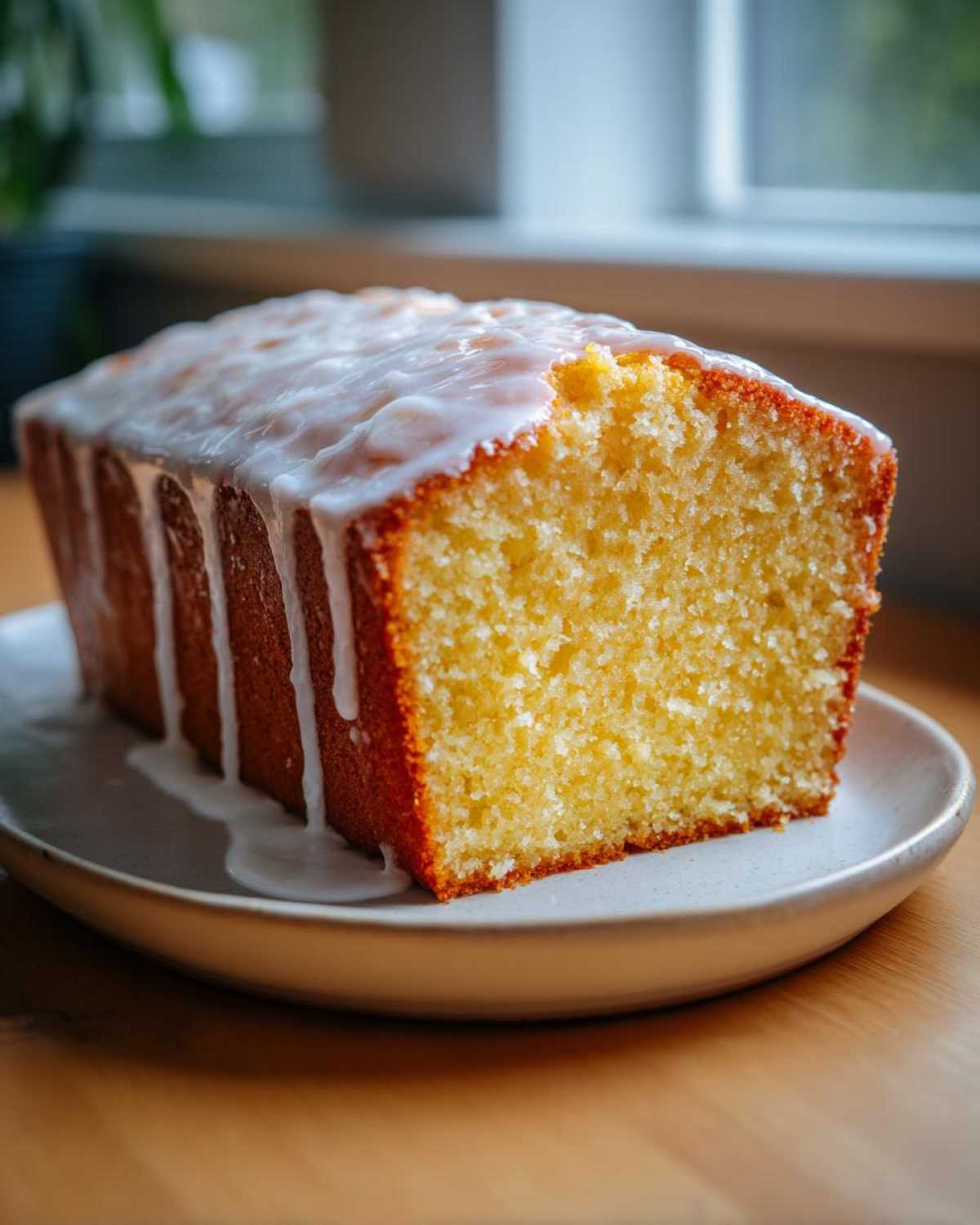
Oh, honey, you need this cake in your life right now! When the weather warms up, I swear nothing hits the spot quite like a slice of bright, tangy sunshine, and that’s exactly what you get with my ultimate lemon pound cake. Forget those dry, sad cakes you’ve had before. This recipe is the result of years of fiddling—especially getting that perfect, buttery creaming method just right—so you end up with the most incredibly rich and tender crumb. It’s dense, but somehow fluffy, and absolutely bursting with true lemon flavor from using fresh fruit. If you love bright citrus, you should definitely check out my blueberry lemon yogurt loaf for another springtime favorite! Trust me when I say this moist lemon pound cake recipe is going to become your go-to for every single brunch and tea party you ever host.

Why You Will Bake This Moist Lemon Pound Cake Recipe
Seriously, why choose another recipe when this one solves every pound cake problem? It’s everything you want in a homemade cake:
- The texture is unbelievably moist and dense—that classic, satisfying pound cake feel!
- It delivers a powerful, bright lemon punch that screams sunshine and spring.
- It uses a traditional, foolproof method that guarantees a slice of sweet and tart cake every time.
- This is the specific, can’t-fail moist lemon pound cake recipe you’ve been searching for!
Essential Ingredients for the Best Lemon Pound Cake
Okay, let’s talk about what actually goes into this show-stopper. The secret to getting that incredible zing isn’t cheating with fake flavor; it’s all about maximizing the real stuff. You absolutely must use fresh lemons here. Seriously, don’t even look at that bottled juice, okay? The depth of flavor we get is directly tied to the quality of our butter and the amount of zest we pack in.
Here is what you need for the cake base itself. Make sure your butter is perfectly softened—not melted, just happy and pliable!
- 1 cup unsalted butter, softened
- 3 cups granulated sugar (yes, a full three cups; that’s the pound cake secret!)
- 4 large eggs, room temperature if you can manage it
- 1 tablespoon fresh lemon zest (from about 2 lemons—don’t skip grating that yellow part!)
- 1/4 cup fresh lemon juice
- 1 teaspoon vanilla extract
- 2 3/4 cups all-purpose flour
- 1 teaspoon baking powder
- 1/2 teaspoon salt
- 1 cup whole milk
Ingredients for the Zesty Lemon Glaze
This glaze is what pulls the whole thing together! It’s the perfect sweet and tart finish that really screams “lemon.” Just whisk these together until perfectly smooth. If you’re thinking of swapping out the glaze for something richer later, you can check out my thoughts on other toppings here: best cream cheese frosting recipe.
- 2 cups powdered sugar
- 1/4 cup fresh lemon juice (use that leftover juice!)
Step-by-Step Instructions for Your Lemon Pound Cake
This process uses the classic creaming method, which sounds fancy, but it’s really the backbone of a great from scratch pound cake. Follow these steps exactly, and you won’t have any trouble, promise! It’s honestly pretty simple once you get into the rhythm. If you love soaking cakes, my method for buttermilk cornbread has some great tips on moisture retention: buttermilk cornbread best moist southern recipe.
Preparing the Batter for a Foolproof Lemon Pound Cake
First things first, get that oven humming at 325 degrees F. You need to prepare your pan—I use a 10-inch tube pan, greased and floured really well. Don’t panic about overdoing the grease; this cake likes to stick if you skimp!
Now, we cream! Use your mixer (or elbow grease!) to beat that softened butter and sugar until it looks pale and fluffy—that takes a good few minutes. Beat in those eggs one at a time. Once incorporated, gently mix in all your lemon juice, the zest, and vanilla.
In a separate bowl, mix your dry stuff—flour, baking powder, and salt. Here’s the critical part for a foolproof lemon pound cake: gradually add the flour mixture, alternating it with the whole milk. Start and end with the flour. Mix it until it’s *just* combined. If you see a few small streaks of flour, that’s perfect! Stop beating it right then, or you’ll end up with a tough cake.
Baking and Glazing the Lemon Pound Cake
Scrape all that gorgeous batter into your prepared pan and make sure it’s level. Bake it for about 60 to 75 minutes. Because this is a denser lemon pound cake, it takes longer than a standard layer cake.

When you stick a wooden skewer in the center and it comes out clean—bingo! Let it cool in the pan for just 15 minutes. This waiting period is vital so it doesn’t fall apart when you flip it onto the cooling rack. Once it’s fully cooled (and I mean *fully cool*—the glaze will just melt otherwise), whisk up your glaze ingredients and drizzle that bright topping all over the top. Let that glaze set up before you slice into your prize-winning lemon pound cake.
Expert Tips for the Perfect Lemon Pound Cake Texture
If you want this buttery pound cake to achieve that perfect, rich texture it’s famous for, you have to pay attention to temperatures before you even start mixing. I learned the hard way that rushing ingredients is the enemy of a great bake!
Make sure your butter is genuinely room temperature—soft enough to press your finger into easily, but not shiny or greasy. Cold butter won’t cream properly, and that’s where all the necessary air bubbles for a tender crumb get formed in your from scratch pound cake. Speaking of temperature, let your eggs sit out for about thirty minutes too. Room temperature eggs incorporate much smoother into the creamed butter, which stops the batter from curdling!

Don’t forget the zest, which is my big flavor tip. Use a microplane if you have one! You only want the bright yellow layer, not that bitter white pith underneath. That fresh zest is what makes this a far superior citrus dessert. And if you want to elevate your pancake game while you wait for the cake to cool, you should check out these tips for best fluffy old-fashioned buttermilk pancakes!
Variations on the Classic Lemon Pound Cake Recipe
While this original lemon pound cake, using whole milk, is magnificent, I know sometimes you want to experiment! Don’t worry, experimenting with dairy is a fantastic way to tweak texture. It’s actually super common for folks to use something richer than milk in their pound cakes, and it works perfectly here.
If you want a slightly tangier, ultra-tender crumb, try swapping that cup of whole milk for a cup of full-fat sour cream—instant sour cream pound cake! The fat content guarantees an even moister bake, almost like a velvety texture. Or, if you really want to go decadent, use 8 ounces of softened cream cheese cut into cubes instead of the milk. That creates a rich, almost cheesecake-like density, giving you the best cream cheese pound cake hybrid.
Just remember, when you swap dairy, you’re adding fat and richness. Those variations are delicious, but they might bake up a tiny bit differently than this classic version!
Serving Suggestions for Your Bright Lemon Dessert
So, you’ve managed to keep your hands off the whole cake until it’s time to serve—kudos to you! This bright citrus moment works beautifully for so many occasions. It’s my favorite easy item for a dessert for brunch because it feels light, even though it’s rich.
For a more refined feel, slice it thin and serve it up as the perfect tea time cake alongside a cup of Earl Grey. I love serving mine with a small side of fresh raspberries or blackberries; the little burst of berry tartness plays so nicely against the lemon glaze. If you’re looking for something similar to serve alongside, you absolutely have to try my best scones recipe! It captures that lovely afternoon feel.
Storage and Reheating Instructions for Lemon Pound Cake
The great news about a dense lemon pound cake like this one is that it keeps wonderfully! Since we topped it with that delicious, simple glaze, you want to keep it covered tightly at room temperature. A sealed cake dome or just wrapping the whole thing snugly in plastic wrap works like a charm.
I find the flavor actually deepens slightly the next day! Avoid the fridge if you can, because that cold air can dry out the crumb quickly. However, if you have a huge amount leftover, you can absolutely freeze it! Wrap individual slices tightly in plastic wrap, then toss them in a freezer bag. When you want a slice later, just let it thaw on the counter. If you’re looking for another great make-ahead item, check out my favorite date nut bread recipe; it freezes beautifully too!
Frequently Asked Questions About Making Lemon Pound Cake
Why did my lemon pound cake turn out dense and heavy instead of light?
This usually comes down to two things! First, if you stopped creaming the butter and sugar too soon, you didn’t create enough air pockets, leading to a heavy bake. Second, and this is a big one for any lemon pound cake, check your mixing in Step 6! If you just dumped all the flour in at once or kept mixing after the flour went in, you overdeveloped the gluten. That gluten traps the air you worked so hard to create and makes the cake tough and dense. Slow and low mixing is key!
Can I use bottled lemon juice instead of fresh for this recipe?
You absolutely *can*, but I really, really advise against it if you want the best lemon pound cake experience. Bottled juice is often processed and loses that bright, sharp acidity we crave. For the cake itself, using bottled juice is fine if that’s all you have, but for the zest, you MUST use fresh lemons. That’s where the essential oils live, giving you that incredible aromatic punch that makes this a far superior citrus dessert recipe.
How do I make my zesty lemon glaze super shiny and smooth?
That shiny finish just comes down to the ratio of sugar to liquid, my friend! If your glaze looks dull or grainy, it probably needs more liquid or a better whisking job! Make sure you are using powdered sugar that isn’t super old or clumpy. Whisk the powdered sugar and lemon juice together slowly until there are zero lumps. If it’s too thick (which often happens if you use too much of that wonderful fresh lemon juice!), add liquid one teaspoon at a time. If it’s too thin and running right off, add a tablespoon more powdered sugar.
My cake sank in the middle after baking. What went wrong?
Oh, the dreaded sinkhole! This usually means the cake wasn’t quite done when you pulled it out. Because pound cakes are so heavy, the center needs more time to set structurally. Even if the toothpick comes out clean on the first try, sometimes the center is still too weak. Next time, try baking it an extra five minutes and check again. Or, it could be that you opened the oven door too early in the process! That rush of cold air can collapse the center structure of your homemade lemon cake.
What about making this a lemon loaf cake instead of a tube pan cake?
That’s a great shift for portability! If you switch to two standard loaf pans, you should definitely cut the baking time down—maybe start checking around 45 minutes instead of the full 60-75. Since the batter is deeper in a loaf pan, it takes longer for the center heat penetration, so be careful! For easier removal, I always line my loaf pans with parchment paper that hangs over the sides, making a sling you can just lift right out. It’s foolproof! Speaking of making things from scratch, if you ever need help with a great pastry crust, I have a wonderful lemon meringue pie recipe from scratch that relies on a perfect shortcrust!
Nutritional Estimates for This Citrus Dessert Recipe
Now, I hate to put a damper on the pure joy of eating a massive slice of this amazing lemon pound cake, but since we are talking about a proper, buttery, three-cup-of-sugar *pound cake*, we need to be honest that it isn’t exactly diet food! This is a celebratory dessert, built on butter and sugar, and that’s what makes it so divine.
These numbers are just estimates, mind you; they really do depend on the brand of butter you used and how much of that amazing glaze you decide to pile on! Keep this in mind when you’re serving it up, especially if you have a lineup of other great things, like my blueberry banana bread recipe.
Here is the breakdown based on 12 generous slices:
- Serving Size: 1 slice
- Calories: 380
- Fat: 21g
- Saturated Fat: 12g
- Total Carbohydrates: 48g
- Sugar: 35g
- Protein: 4g
- Sodium: 180mg
It’s a treat, for sure, but gosh, it is the best treat!
PrintClassic Moist Lemon Pound Cake with Zesty Glaze

This recipe yields a rich, dense, and very moist lemon pound cake featuring fresh lemon zest and topped with a bright, tart lemon glaze.
- Prep Time: 20 min
- Cook Time: 70 min
- Total Time: 90 min
- Yield: 12 servings
- Category: Dessert
- Method: Baking
- Cuisine: American
- Diet: Vegetarian
Ingredients
- 1 cup unsalted butter, softened
- 3 cups granulated sugar
- 4 large eggs
- 1 tablespoon lemon zest (from about 2 lemons)
- 1/4 cup fresh lemon juice
- 1 teaspoon vanilla extract
- 2 3/4 cups all-purpose flour
- 1 teaspoon baking powder
- 1/2 teaspoon salt
- 1 cup whole milk
- For the Glaze: 2 cups powdered sugar
- For the Glaze: 1/4 cup fresh lemon juice
Instructions
- Preheat your oven to 325 degrees F. Grease and flour a 10-inch tube pan or a standard loaf pan.
- In a large bowl, cream together the softened butter and granulated sugar until light and fluffy.
- Beat in the eggs one at a time, mixing well after each addition.
- Stir in the lemon zest, 1/4 cup lemon juice, and vanilla extract.
- In a separate bowl, whisk together the flour, baking powder, and salt.
- Gradually add the dry ingredients to the wet ingredients, alternating with the whole milk, beginning and ending with the flour mixture. Mix until just combined; do not overmix.
- Pour the batter into the prepared pan.
- Bake for 60 to 75 minutes, or until a wooden skewer inserted into the center comes out clean.
- Let the cake cool in the pan for 15 minutes before inverting it onto a wire rack to cool completely.
- While the cake cools, prepare the glaze: Whisk together the powdered sugar and 1/4 cup lemon juice until smooth. Add more powdered sugar if the glaze is too thin, or more lemon juice if it is too thick.
- Drizzle the glaze evenly over the cooled cake. Allow the glaze to set before slicing and serving.
Notes
- For the most intense lemon flavor, use fresh lemons for both the zest and juice.
- To ensure a moist cake, do not overbake. Check for doneness early if using a loaf pan instead of a tube pan.
- If you prefer a less sweet cake, reduce the glaze sugar slightly.
Nutrition
- Serving Size: 1 slice
- Calories: 380
- Sugar: 35
- Sodium: 180
- Fat: 21
- Saturated Fat: 12
- Unsaturated Fat: 9
- Trans Fat: 0.5
- Carbohydrates: 48
- Fiber: 1
- Protein: 4
- Cholesterol: 85