

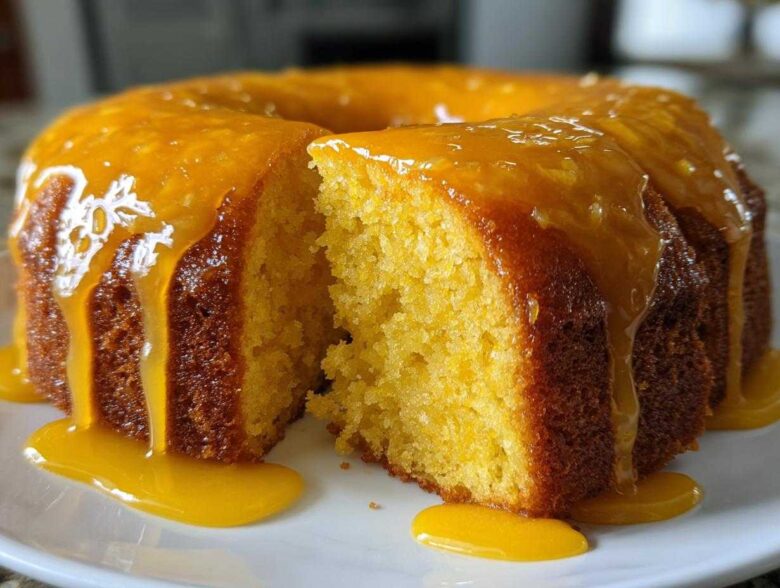
Oh, you know those desserts that just *scream* sunshine? Every time I get a big, beautiful bag of oranges, my mind immediately goes to cake! Forget those sad, dry citrus bakes you sometimes find; we’re not messing around here. Today, I’m sharing my absolute favorite recipe for an Incredibly Moist orange juice cake with Bright Citrus Glaze, and we’re making it completely from scratch. Trust me, using that fresh oil and juice—not the bottled stuff—is the secret sauce that locks in incredible flavor and guarantees a tender crumb. If you want a true orange juice cake that tastes bright and zesty, this is the one you need in your rotation!
I’ve spent years tinkering to get the citrus balance perfect. Bottled juice just can’t give you that natural zing! I always grate my zest first, then squeeze the juice right before I start mixing. It’s a little extra work, but when you taste how moist this cake is, you’ll see exactly why I insist on fresh ingredients. It’s the perfect simple bake for brunch or just an afternoon treat, and it pairs perfectly with a cup of coffee—almost as good as those fluffy buttermilk pancakes I make on Sundays!
Why This orange juice cake Recipe Stands Out (The Secret to Moisture)
So, what makes my moist orange cake recipe the one you should bake? It boils down to two things: fat content and fresh acid. Most store-bought mixes or even some old family recipes skip out on moisture because they use imitation flavorings. Not us! This cake is loaded with soft butter and those two large eggs, which give it a beautiful structure that holds onto moisture. It truly is the best tangy orange cake you’ll ever make!
The real key, though, is the juice. When you use juice straight from a fresh orange, you get natural oils and a vibrant acidity that hits different than concentrated bottled orange juice. That zest and juice kickstart the leavening process a tiny bit, but more importantly, they saturate the flour perfectly, resulting in a crumb that stays tender and never dries out. If you loved how incredibly moist that sweet potato pound cake turned out, you’ll appreciate the science here!
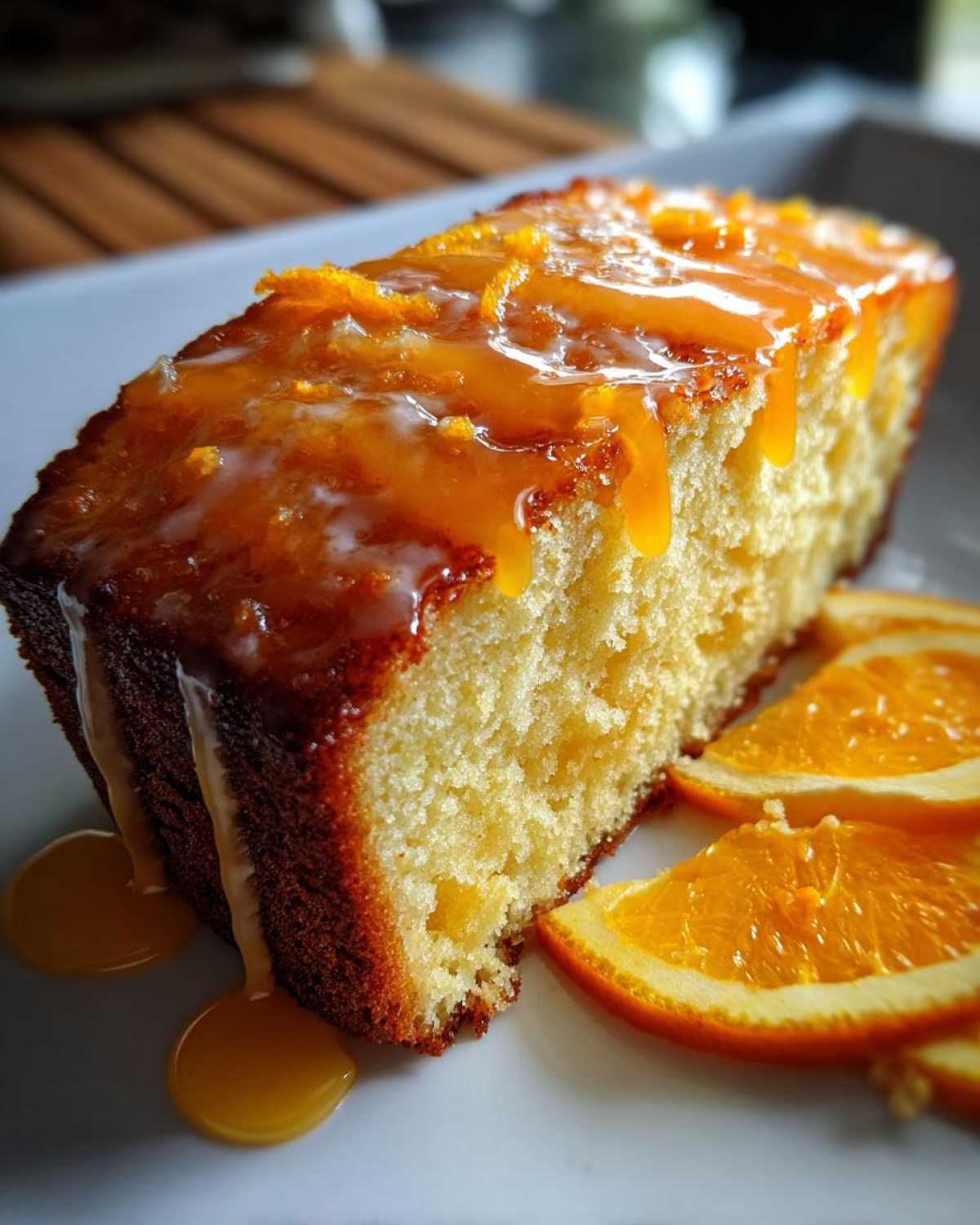
Gathering Ingredients for Your orange juice cake
Okay, gathering is the fun part! This is a wonderfully simple orange cake from scratch, so you probably have most of this in the pantry already. Remember, the quality of that orange juice really sets the tone for the whole dessert, so grab your juiciest-looking fruit. I’ve listed everything nice and clear below, separated into the cake base and that gorgeous, shiny glaze. You’ll want to make sure your butter is *perfectly* softened—not melted, but soft enough that your finger leaves a clear path when you press it. That’s key for proper creaming later!
If you’re looking for something delicious to top this later, maybe check out my guide on making the best cream cheese frosting, though for this bright cake, the simple glaze is really all you need.
For the orange juice cake Batter
- 1 3/4 cups all-purpose flour
- 1 1/2 teaspoons baking powder
- 1/2 teaspoon salt
- 1 cup granulated sugar
- 1/2 cup (1 stick) unsalted butter, softened to room temperature
- 2 large eggs, room temperature is best!
- 1/2 cup fresh orange juice, strained to remove seeds
- 1/4 cup whole milk
- 1 teaspoon vanilla extract
For the Bright Citrus Glaze
- 1 1/2 cups powdered sugar, sifted if lumpy
- 3 tablespoons fresh orange juice
- 1 teaspoon orange zest—make sure this is just the brightly colored part!
Step-by-Step Instructions for the orange cake from scratch
Even though this is a cake made with orange juice from scratch, the method is wonderfully straightforward. We’re aiming for light and airy, so pay attention to your mixing speeds! We’re working toward that perfect, easy citrus cake result here, so no need to panic about complicated techniques. Just follow along, and you’ll see how quickly this flavor bomb comes together.
Preparing the Pan and Dry Mix
First things first, get that oven warmed up! We need a steady 350°F (175°C) heat before anything else goes in. While it’s coming up to temperature, grab your 9-inch round pan—or if you’re making a loaf, get that ready too—and grease and flour it really well. Then, in a separate bowl, whisk together your flour, baking powder, and salt. You want these dry components evenly distributed so the cake rises consistently. Set that bowl aside, and let’s get to the creamy stuff!
Mixing the Wet Ingredients and Creaming
This is where the moisture magic starts! In your large mixing bowl, you need to cream that softened butter and all that beautiful granulated sugar together. Don’t rush this! Beat it until it’s genuinely light and fluffy—pale yellow, almost white. It should look airy, which means those important little air pockets are forming. Once you hit that perfect fluffy stage, beat in your eggs, one at a time, making sure the first is fully incorporated before adding the second. This foundational step dictates how tender your final orange juice cake will be.
Combining Batter Components and Baking
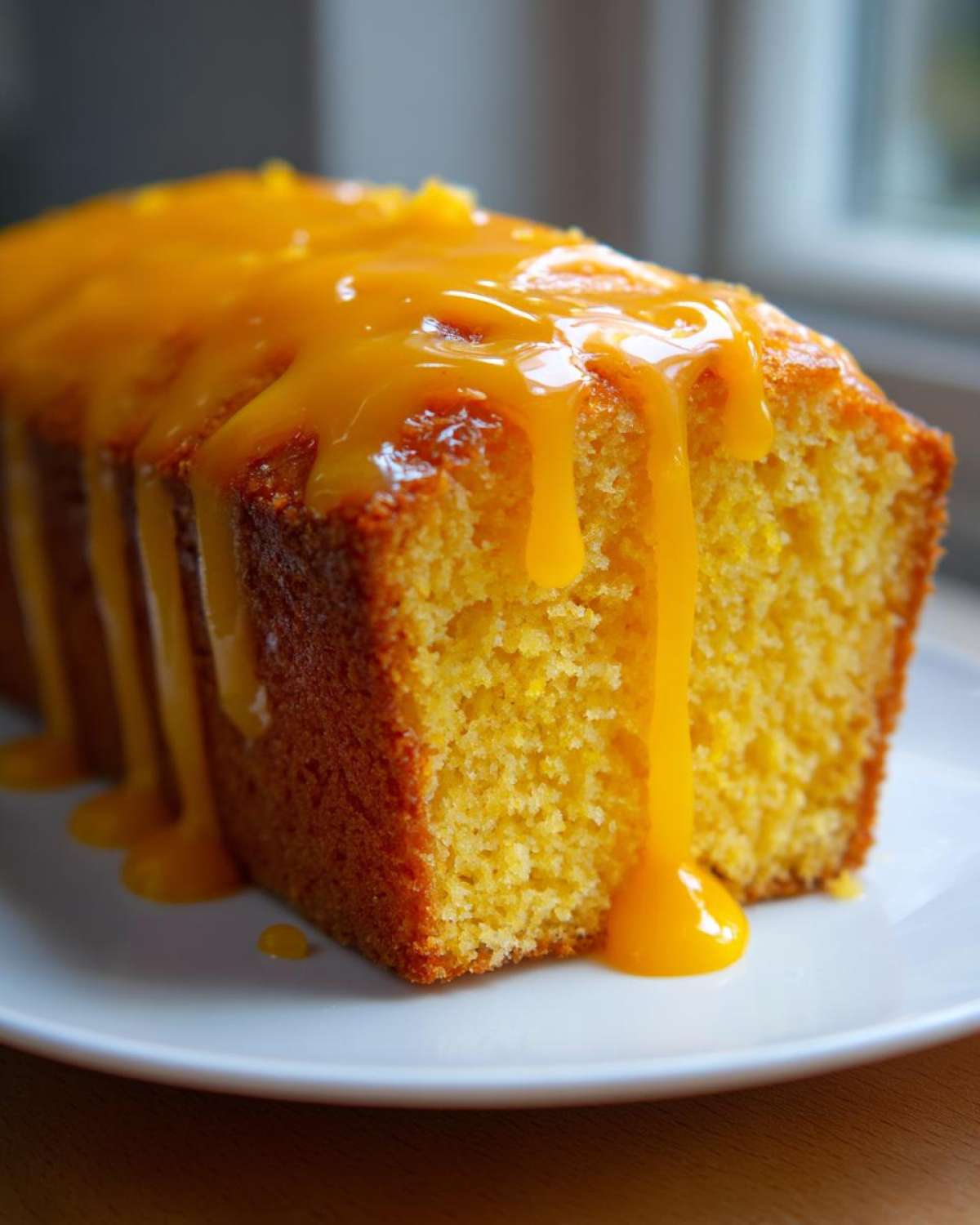
In a little cup, easily whisk together your 1/2 cup of fresh orange juice, the milk, and vanilla extract. Now for the crucial part: we alternate! You’ll add the dry ingredients in three additions, alternating with the liquid mixture in two additions. Always start and end with the dry stuff. Add a third of the flour mix, mix *just* until streaks disappear, then half the liquid, mix gently, and repeat. Stop mixing as soon as everything is combined—overmixing develops gluten and makes your beautiful cake tough! Pour that batter into your prepared pan. If you used a round pan, plan on about 30 to 35 minutes. If you went for the loaf pan, it’ll take longer, closer to 45 to 55 minutes. Use the toothpick test!
Making and Applying the orange glaze cake Topping
We need patience here! Once the cake is done, let it hang out in the pan for about 10 minutes. Don’t be tempted to rush it out! Then, gently invert it onto a wire rack to cool completely. I cannot stress this enough: if you try to put the glaze on a warm cake, it will dissolve right into the surface instead of sitting on top with that gorgeous shine. While it cools, whisk the powdered sugar, the remaining 3 tablespoons of fresh orange juice, and that zesty orange zest until it’s smooth. If it seems thick, add juice a teaspoon at a time. Once the cake is totally cool, drizzle that bright topping all over. If you want to check out how I make a nice vanilla buttercream for other bakes, swing by that post!
Tips for the Perfect Tangy orange cake
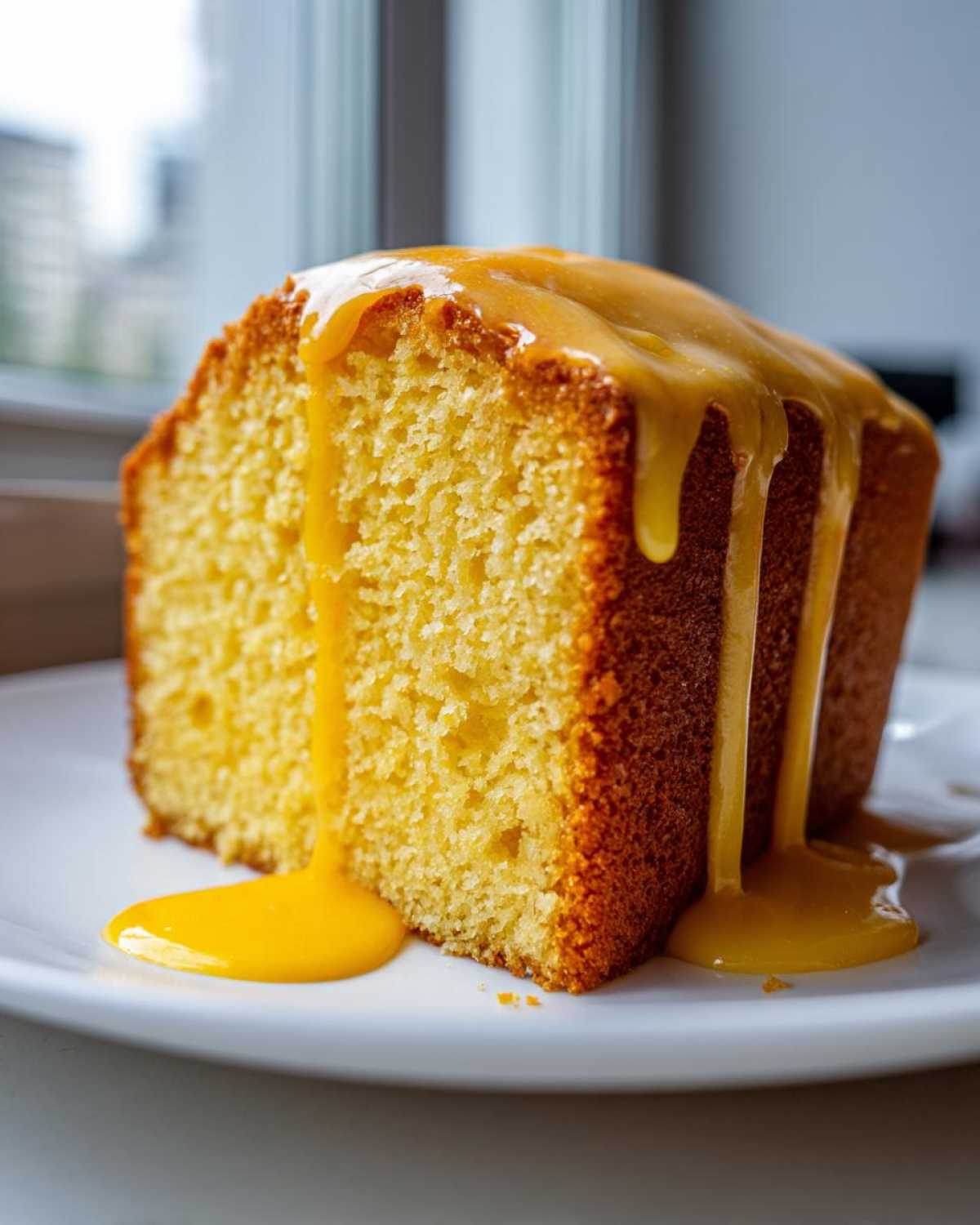
You’ve baked it, it smells amazing, now let’s make sure every bite lives up to the hype! Since this recipe is so versatile, you might be wondering about pan variations. If you opt for a standard Bundt pan instead of the round cake pan, you’ll likely need to bump that baking time up toward the 50-minute mark. Keep an eye on it, because those deep crevices hold heat differently. Remember what I said about fresh juice? If you aren’t using fresh juice, you’ll miss out on all the true citrus magic in this zesty homemade cake.
Here’s a little trick I learned: always zest your oranges *before* you bother cutting them open to juice them! It’s so much easier to get those bright oils off the skin when the fruit is whole. Also, since this cake is slightly rich, if you want an extra pop of tang for your tangy orange cake, try swapping out the milk for buttermilk. It reacts beautifully with the baking powder, giving you a super tender crumb. If you love baking with buttermilk, you have to check out my recipe for moist buttermilk cornbread!
Serving Suggestions for Your Simple orange bake
This brunch orange cake is so much more than just a dessert, honestly! Because it’s so light and refreshing, it’s absolutely perfect for a slow weekend morning with coffee, or cutting a small slice as a summery afternoon snack. The bright flavor shines when it’s served slightly warm, or completely cooled with that set glaze. If you want to dress it up for company, you can’t go wrong with a side of fresh, sweet summer berries—think raspberries or thinly sliced strawberries. A little dollop of fresh whipped cream right on top just elevates the whole thing without feeling too heavy. It’s simple, elegant, and exactly what you need when you want a fresh orange dessert!
If you are looking for other simple baked goods to serve alongside it, my recipe for fluffy buttermilk scones is another winner for brunch hour!
Storage and Reheating Instructions for this fresh orange dessert
You’ll be happy to know this fresh orange dessert keeps really well! Since the glaze seals in some moisture, I actually recommend keeping it stored right on the counter. Find an airtight cake container or cover a plate holding the cake loosely with plastic wrap, but don’t wrap it too tightly or the glaze might get sticky. It stays perfectly fresh at room temperature for a good three days. I generally avoid the fridge unless my kitchen is getting super hot and humid, because sometimes the cold can dull the wonderful citrus flavor just a bit.
If you somehow manage to have leftovers after day three, it freezes beautifully! Wrap individual slices tightly in plastic wrap, then slide them into a freezer bag. When you want one, just let it thaw on the counter for about an hour. Honestly, I’ve never tried reheating slices—this orange juice cake is so good at room temperature it never seems to last long enough to need warming up!
Frequently Asked Questions About orange juice cake
Can I use a box cake mix instead of making this orange juice cake from scratch?
I get why you’d ask that! Box mixes are fast, but honestly, they water down the beautiful, vibrant flavor we’re chasing here. Making this cake from scratch lets you control the acidity and moisture so perfectly. If you absolutely must use a mix, pick a lemon or vanilla flavor and use your fresh orange juice instead of the water listed on the box, and maybe add an extra egg yolk for richness. But trust me, this zesty homemade cake is worth the extra 15 minutes of mixing!
How do I adapt this recipe for an orange bundt cake idea?
That’s a great way to present this easy citrus cake! For a standard 10-cup Bundt pan, you can absolutely use this exact batter volume. The main difference is baking time. Since the batter is deeper and relying on a central tube for even heat, you’ll need to extend your baking time significantly—plan on checking it around 45 minutes and potentially going up to 55 minutes. Make sure you grease and flour that Bundt pan like your life depends on it; those detailed edges are notorious for sticking!
What if my citrus glaze cake topping turns out too thin?
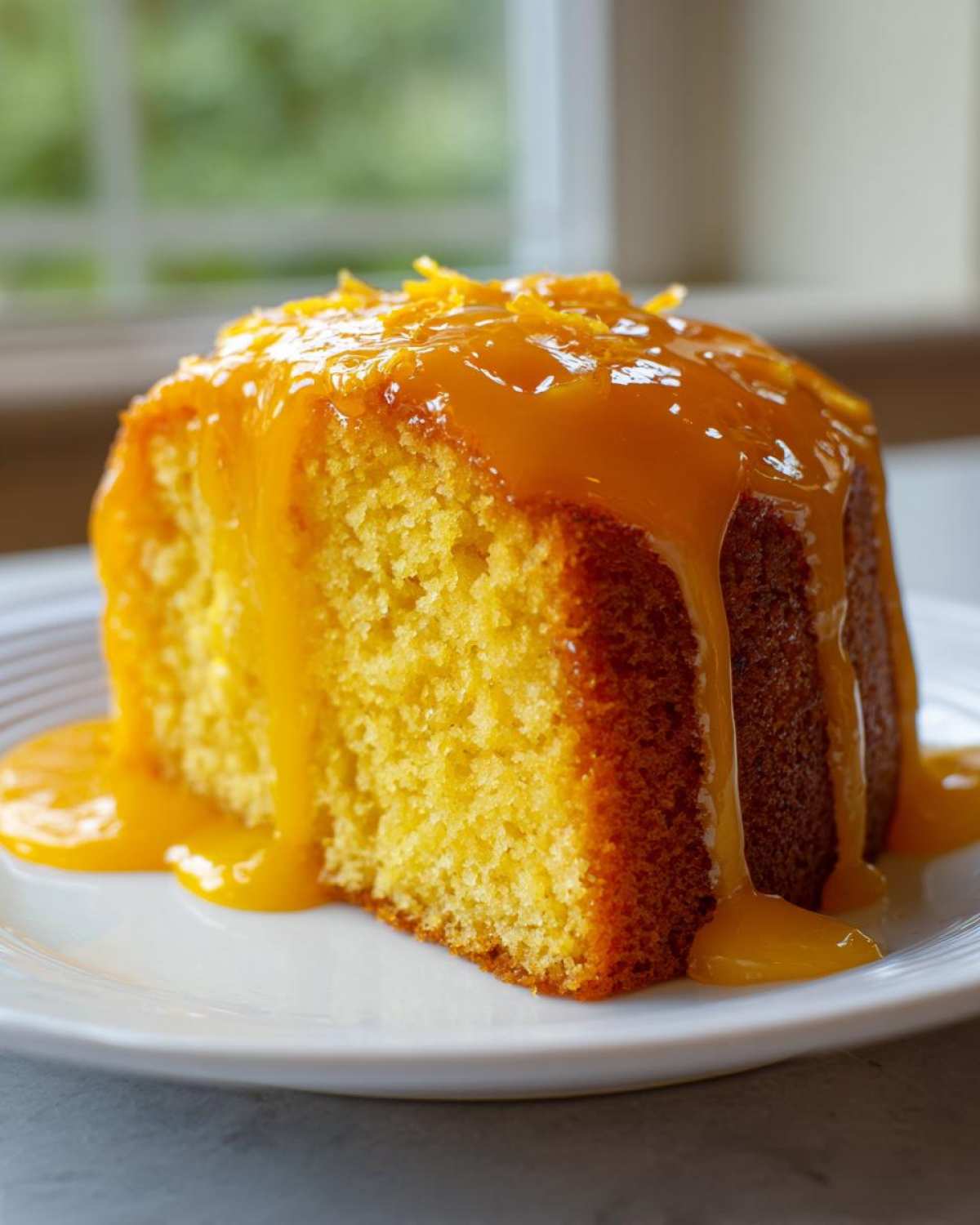
Oh, that thick, drippy orange glaze cake look is the best, isn’t it? Don’t panic if your initial mix is too runny! Glazes are incredibly forgiving. If it’s too thin, just slowly whisk in more powdered sugar, one tablespoon at a time, until you hit that beautiful, slow-pour consistency. You want it thick enough that it coats the back of your spoon but still drips enticingly down the sides. If you’re in a rush and need to make it set faster, you can pop the glazed cake into the fridge for about 20 minutes!
Can I substitute the butter with oil for a different type of moist orange cake recipe?
You certainly can change the fat source, but you will change the character of the cake! Butter gives you that wonderful richness, a subtle milky flavor, and helps create the structure when you cream it with sugar. If you swap it all for neutral oil, you’ll get an incredibly moist cake—maybe even more so—but it loses that classic, slightly dense pound cake chew. If you do swap, use a neutral oil like canola, and skip the creaming step altogether; just mix it in wet with the juice and eggs. It’s a different recipe entirely, but still tasty! If you love learning about bread techniques, check out how I adapt ingredients when I make my fluffy naan bread!
Estimated Nutritional Data for orange juice cake
Okay, so because we are making this amazing orange juice cake entirely from scratch, the nutrition facts can vary a little bit based on the size of your eggs or exactly how much zest you got from your oranges! But I pulled together my best estimates based on the ingredient list provided here. Remember, this is for one satisfying slice, and honestly, this cake is so rich and bright, you might not need a huge piece!
We keep track of this stuff because while this is absolute comfort food cake, it’s nice to know what we’re enjoying. It’s loaded with sugar, of course, that’s what makes it cake, but it has a decent hit of B vitamins from all those fresh oranges! Here is a breakdown of what you can generally expect from a single serving of this simple orange bake:
- Serving Size: 1 slice
- Calories: 310
- Fat: 13g
- Saturated Fat: 8g
- Carbohydrates: 47g
- Sugar: 35g
- Protein: 4g
- Cholesterol: 65mg
- Sodium: 180mg
Just a friendly little disclaimer, though: these numbers are calculated using the standard measurements I provided in the recipe. If you decide to double the glaze, or maybe you used buttermilk instead of milk, the stats will shift a tiny bit! Enjoy every last bite of this wonderful, tangy treat!
Share Your Zesty Homemade Cake Experience
Now it’s your turn! I poured all my passion for bright citrus into this orange juice cake, and I seriously want to see yours. Did you get that perfect, drippy glaze? Let me know how you liked it! Please leave a rating below—it helps other bakers find this recipe, which really matters to me.
If you made this beauty, snap a picture! Tag me on social media so I can oooh and ahhh over your work. I love seeing this zesty homemade cake show up in everyone’s kitchens. For more simple baking adventures, don’t forget to explore the rest of the blog!
PrintIncredibly Moist Orange Juice Cake with Bright Citrus Glaze

You make this simple cake from scratch using fresh orange juice for a moist crumb and a bright, tangy glaze.
- Prep Time: 15 min
- Cook Time: 35 min
- Total Time: 50 min
- Yield: 10 servings
- Category: Dessert
- Method: Baking
- Cuisine: American
- Diet: Vegetarian
Ingredients
- 1 3/4 cups all-purpose flour
- 1 1/2 teaspoons baking powder
- 1/2 teaspoon salt
- 1 cup granulated sugar
- 1/2 cup (1 stick) unsalted butter, softened
- 2 large eggs
- 1/2 cup fresh orange juice
- 1/4 cup whole milk
- 1 teaspoon vanilla extract
- For the Glaze: 1 1/2 cups powdered sugar
- For the Glaze: 3 tablespoons fresh orange juice
- For the Glaze: 1 teaspoon orange zest
Instructions
- Preheat your oven to 350°F (175°C). Grease and flour a 9-inch round cake pan or a standard loaf pan.
- In a medium bowl, whisk together the flour, baking powder, and salt. Set aside.
- In a large bowl, cream the softened butter and granulated sugar together until light and fluffy.
- Beat in the eggs one at a time, mixing well after each addition.
- In a small bowl, combine the 1/2 cup orange juice, milk, and vanilla extract.
- Gradually add the dry ingredients to the wet ingredients, alternating with the liquid mixture, beginning and ending with the dry ingredients. Mix until just combined; do not overmix.
- Pour the batter into your prepared pan.
- Bake round cake for 30 to 35 minutes, or loaf cake for 45 to 55 minutes, or until a toothpick inserted into the center comes out clean.
- Let the cake cool in the pan for 10 minutes before inverting it onto a wire rack to cool completely.
- While the cake cools, prepare the glaze: Whisk together the powdered sugar, 3 tablespoons of orange juice, and orange zest until smooth. Add more juice, 1 teaspoon at a time, if the glaze is too thick.
- Drizzle the glaze evenly over the cooled cake. Allow the glaze to set before slicing and serving.
Notes
- For a Bundt cake, bake for 45 to 55 minutes and use a simple powdered sugar glaze.
- Use fresh orange juice for the best flavor in both the cake and the glaze.
- You can substitute buttermilk for the milk for a slightly tangier crumb.
Nutrition
- Serving Size: 1 slice
- Calories: 310
- Sugar: 35g
- Sodium: 180mg
- Fat: 13g
- Saturated Fat: 8g
- Unsaturated Fat: 5g
- Trans Fat: 0.3g
- Carbohydrates: 47g
- Fiber: 1g
- Protein: 4g
- Cholesterol: 65mg