

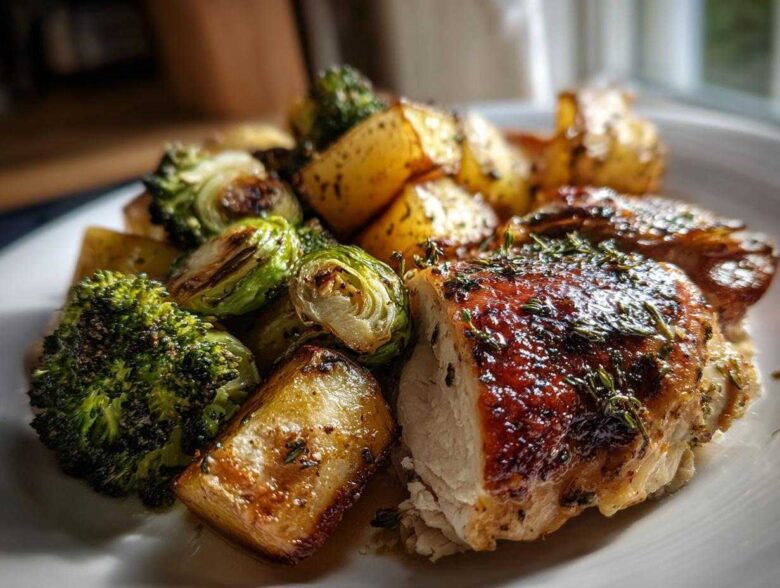
If you’re anything like me, weeknights demand maximum flavor without any fuss—you know, that one-tray miracle dinner? Well, I finally cracked the code on getting that gorgeous, savory, deep crust on everything without burning the garlic to a crisp. This Garlic Herb Roasted Chicken and Vegetables recipe isn’t just another sheet pan dinner; it’s truly my blueprint for simplicity. I spent years battling scorched herbs, especially when roasting potatoes, but I figured out the perfect fat ratio and the right temperature to coax out all that amazing flavor from thyme and rosemary. Check out some other great ideas on my blog! Trust me, once you master this technique, you’ll be doing a full Garlic Herb Roasted meal at least once a week. It’s unbelievably easy, and you can start cooking right now!
Assembling Your Perfect Garlic Herb Roasted Flavor Base
This is where the real magic happens—it’s all about building that intensely savory core flavor for your Garlic Herb Roasted dinner. Forget those dusty old spice jars! The secret weapon here isn’t fancy; it’s simply using the right ratio of robust herbs mixed with glorious, pungent garlic and good olive oil. Rosemary and thyme are non-negotiable for me; they stand up to the heat of the oven like champs and give you that earthy aroma you just can’t beat.
Speaking of garlic, it must be minced finely, otherwise, you end up with big chunks that burn before the chicken is done. I found that using the right oil helps, too. You need a good quality olive oil to carry all those flavors. For super concentrated flavor, try this trick: mix your dried herbs right into the oil for about 10 minutes before adding the garlic and salt. Letting them soak, or ‘bloom’ as the fancy chefs say, wakes them right up!
Detailed Ingredient Breakdown for the Garlic Herb Roasted Rub
Stick to the written measurements here—it really matters when you’re creating a rub that has to coat everything perfectly. Here’s exactly what you’ll need to create that powerhouse flavoring:
- Four cloves of garlic, minced super fine—don’t skimp!
- Two tablespoons of nice, green olive oil.
- One full tablespoon of dried rosemary.
- One full tablespoon of dried thyme.
- One teaspoon of dried oregano for that subtle depth.
- One teaspoon of salt and half a teaspoon of black pepper.
If you’re looking for more marinade ideas in general, I tried a wonderful citrus-garlic one for pork chops I shared recently, too over here!
Ingredient Notes and Substitutions for Your Garlic Herb Roasted Recipe
I use dried herbs because they are consistent, but if you have fresh rosemary and thyme growing wild in your garden, totally use them! Just remember the golden rule: if you swap dried for fresh, you need about three times the amount to get the same punch. Fresh herbs release moisture differently, so keep an eye on your roasting time if you make that switch.
If you’re trying to keep this vegetarian or are just out of chicken thighs, don’t panic. This seasoning blend is fantastic on thick slices of firm tofu or a pork tenderloin. I’ve used these same ratios on pork with amazing results!
Step-by-Step Guide to Incredible Garlic Herb Roasted Chicken and Vegetables
Okay, now that we have our incredible flavor base mixed up, it’s time to actually cook! This is the part where you move from prep genius to master roaster. Remember, the key to any truly great Garlic Herb Roasted dish is high, dry heat. We aren’t stewing these ingredients; we want crispy skin on that chicken and those veggies slightly caramelized on the edges.
We are aiming for powerful flavor delivery here, so pay attention to how you treat the chicken versus the veggies. They cook a little differently, and getting them all done at the same time is the final hurdle! Don’t stress if your baking sheet feels crowded; we’ll talk about fixing that right up.
Preparing the Oven and Creating the Garlic Herb Roasted Seasoning
First things first: get that oven hot! We need 400 degrees Fahrenheit. You absolutely need to let the oven preheat fully before anything goes in. If you put your gorgeous chicken into a lukewarm oven, you might as well boil it—we’re aiming for browning, not steaming! While the oven is cranking up, check your rub one more time. Make sure that minced garlic is evenly distributed through the oil.
That combination of oil, herbs, and garlic becomes your ultimate Garlic Herb Roasted coating. You want it ready to go the second the oven dings!
Coating the Chicken and Arranging for Optimal Garlic Herb Roasted Results
Take your chicken pieces and toss them right in a big bowl with that entire rub mixture. Use your hands and make sure every nook and cranny of the skin is coated. This is how you seal in the juices! Once the chicken is seasoned, lay out your potatoes and carrots—the dense stuff—on your large baking sheet. Drizzle them with a little bit of plain olive oil and toss them quickly.
Now for the arrangement part. Spread those seasoned chicken pieces out among the vegetables. This is critical, folks: do not let anything pile up! If your sheet pan is too crowded, the steam gets trapped, and everything ends up soggy. We want air circulating around every single piece for that perfect texture. If you have to use two pans, use two pans! It’s worth the extra cleanup to secure that beautiful, deeply flavored final product.
For more technical tips on how to handle savory meats in the oven, I dive deep into the science of perfect roasting techniques on another post.
Roasting Techniques for Perfect Garlic Herb Roasted Texture
We’ve done all the hard work building that incredible flavor base, so we absolutely cannot mess it up in the oven! Getting the texture right is what separates a good weeknight meal from a spectacular one. For this Garlic Herb Roasted dish, we need high heat to crisp things up, but we have to be smart about it. Learning proper roasting techniques for savory meats meant I stopped serving dry chicken years ago, and you’re about to learn my secrets too. If you want to see some advanced tips on how to roast meat perfectly, check out that guide!
The general rule is 400°F for about 35 to 45 minutes, but you have to use your tools to verify. Trusting the clock alone is risky!
Knowing When Your Garlic Herb Roasted Meal is Done
The absolute final word on chicken doneness is temperature, not time. You must pull out that meat thermometer! Chicken needs to hit 165 degrees Fahrenheit internally. Stick that probe right into the thickest part of the thigh or breast, avoiding the bone. If your vegetables—especially those potatoes—are tender when you poke them with a fork, you’re usually safe. If the chicken is done but the carrots feel rock hard, pull the chicken off, let it rest, and put the veggies back in for 5 or 10 more minutes. We don’t want mushy chicken!
The Essential Rest Period After Garlic Herb Roasted Cooking
This step is non-negotiable. I know you’re hungry, but you have to fight that urge! Once the chicken hits 165°F, pull the whole pan out of the oven. Transfer the chicken pieces to a clean cutting board—don’t worry about the veggies yet—and tent them loosely with foil. Let them sit there for five minutes minimum. Why? Because those juices, which have been happily simmering under the heat, need time to redistribute throughout the meat. If you slice into it immediately, all that gorgeous moisture just floods out onto the board, and you are left with dry meat. Trust me on this; resting is part of the cooking process for juicy results!
Tips for Next-Level Garlic Herb Roasted Side Dishes
While the chicken soaks up all that flavor from the main rub, we can totally focus on making the vegetables the stars of the side dish show! A great Garlic Herb Roasted meal means treating those potatoes and florets right. These vegetables deserve their own moment to shine, and that’s how you turn this simple dinner into a feast of flavorful roasted side dishes.
Remember I mentioned keeping things from getting crowded? That’s the trick for crispiness! For the absolute best texture on your potatoes or broccoli, try tossing them in their own little bowl with just a drizzle of olive oil and maybe half of the main herb mix before they even see the chicken. This helps them sear and brown instead of steaming underneath the meat.
If you really want maximum crunch on those potatoes, you have to check out my dedicated guide on roasted potatoes with garlic and herbs. It goes into detail about par-boiling potatoes first—that’s a total game-changer if you want that fluffy inside/shatteringly crisp outside texture!
Making Ahead and Storing Your Garlic Herb Roasted Leftovers
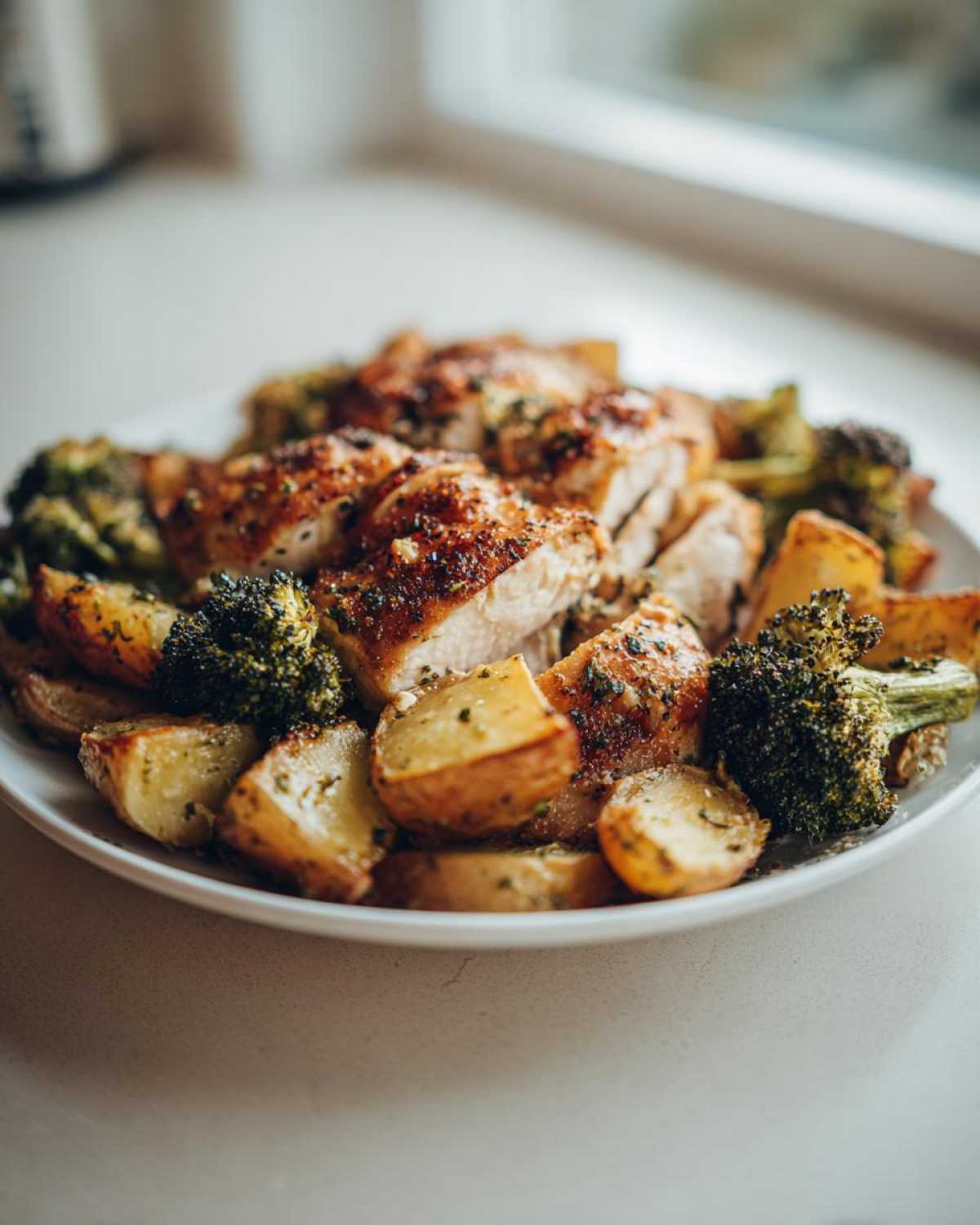
I know we make this for dinner, but honestly, these leftovers are even better the next day! I’m a huge fan of meal prepping, especially when it comes to things that roast well, like this Garlic Herb Roasted chicken and veggies. You get two full meals out of one cooking session, which just makes my weeknights so much calmer.
The most important thing to remember when storing leftovers is separation. Chicken holds moisture differently than potatoes do, so if you can, store the chicken pieces in one container and the vegetables in another. This stops the veggies from getting totally soggy sitting next to the meat juices.
If you want to get ahead, you can even mix up that entire dry herb blend a week in advance and store it in an airtight jar. It’s such a great time saver! For more tips on making food ahead of time, I have a great guide on make-ahead breakfasts, but the storage principles are the same—keep things dry and sealed!
When it comes time to reheat, I find the oven or an air fryer is always the best way to bring that flavor back to life. If you microwave it, yes, it’ll be hot, but you’ll lose that beautiful crispiness we worked so hard to achieve. Pop the chicken and veggies in a single layer on a baking sheet at about 350 degrees Fahrenheit for 10 minutes. That warm-up time lets the garlic and herb flavors bloom again without steaming the food to death!
Variations on the Classic Garlic Herb Roasted Profile
Part of the joy of developing a signature flavor like our Garlic Herb Roasted mix is realizing how many doors it opens! This isn’t just a one-hit wonder recipe; this savory blend is incredibly versatile. Once you have your base—rosemary, thyme, oregano, salt, pepper, and garlic—you can start playing around to create entirely new dinners on the fly. It’s about taking what works and giving it a little personality tweak.
My favorite trick when I’m roasting chicken or potatoes and want something brighter is adding lemon zest right into the oil mixture. You just grate the zest from one or two lemons straight into the bowl of herbs and oil. It cuts through the richness of the olive oil and gives the whole dish a sunnier, fresher taste. It’s a fantastic option for spring or summer cooking!
If you’re looking for something much smokier and deeper, try spiking your mix with about a teaspoon of smoked paprika. It adds this beautiful reddish tint and an incredible depth of flavor that’s not spicy at all. It works miraculously well on root vegetables or if you decide to swap the chicken for pork tenderloin! Actually, if you want to see how lemon and garlic pair up in a different way, check out my Juicy Greek Chicken recipe—it hits similar bright notes.
Don’t forget vegetables! While the recipe calls for potatoes and carrots, this Garlic Herb Roasted rub is phenomenal on cauliflower florets or even green beans tossed in right at the end. Seriously, try tossing cauliflower in that mix and roasting it hard—it gets nutty and tender in just the right way!
Serving Suggestions for Your Weeknight Roasted Dinner Ideas
So, you’ve pulled out that platter of perfectly browned chicken and tender, savory vegetables. Amazing! But what do you serve alongside it to make this a complete, satisfying meal? That’s the fun part, because this Garlic Herb Roasted base is so strong, you really don’t need complicated sides. We’re sticking to easy cleanup for these weeknight roasted dinner ideas!
Keeping it simple is my motto when the main course has this much flavor already going on. My absolute favorite thing to serve with this is crusty bread, hands down. You need something fantastic to mop up those little pools of seasoned olive oil and chicken juices left on the plate. A good bakery loaf is perfect, but if you’re feeling ambitious, I have a recipe for easy homemade soft, fluffy naan bread that takes zero effort and elevates the whole meal!
If you need something lighter, a very simple green salad dressed with a bright vinaigrette works wonders. The fresh acidity of a lemon-based dressing totally cuts through the richness of the herbs and the chicken fat. You could also swap the bread for a simple bed of fluffy white rice or quinoa if you want to soak up those deep, savory flavors.
The beauty is that the vegetables are already on the pan, so you really only need one extra element. Keep it light, keep it quick, and enjoy digging into that incredible roasted goodness!
Frequently Asked Questions About Garlic Herb Roasted Cooking
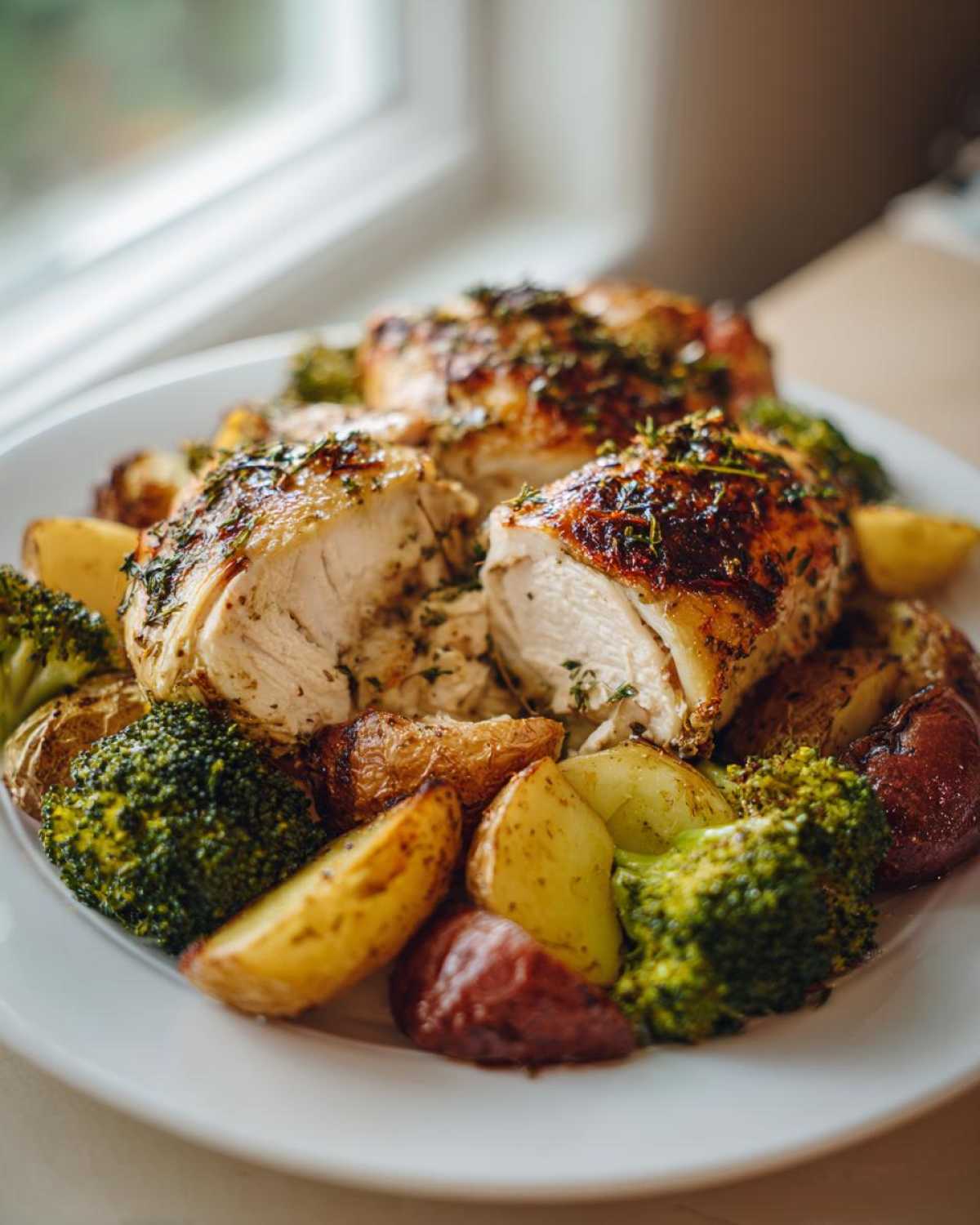
I totally get it; sometimes you read a recipe and a few little questions pop into your head the second you plan to start. That’s totally normal, especially when you’re dealing with direct roasting techniques! I’ve gathered up the most common things people ask me about getting that perfect Garlic Herb Roasted chicken and veggies just right. Hopefully, these pointers help you nail it on your first try!
Can I use fresh herbs instead of dried in this Garlic Herb Roasted recipe?
Oh yes, you absolutely can! Fresh herbs add a totally different dimension, sometimes brighter and greener feeling to your Garlic Herb Roasted meal. Just remember the magic conversion factor we talked about earlier: if the recipe calls for one tablespoon of *dried* herbs, you’ll need to use three tablespoons of *freshly chopped* herbs instead. It’s a big jump, but fresh herbs have so much more water content that they cook down to the right volume. Because they are wetter, your roasting time might be just a tiny bit longer, maybe five extra minutes total, so always go by tenting the chicken at that 165°F internal temp we discussed!
What is the best way to get crispy skin on the chicken during the Garlic Herb Roasted process?
Crispy skin is the Holy Grail of oven roasting, right? The number one thing you can do to guarantee yourself crispy, crackly skin—even under that delicious rub—is to make sure your chicken pieces are bone dry before you even start seasoning. I mean, pat them down with paper towels until they don’t feel sticky anymore. Moisture is the enemy of crispiness! After you rub them down with the oil and seasoning, make sure they are arranged in a single layer on the baking sheet with plenty of space. That high heat of 400°F is going to do the rest of the work, circulating around the skin, drying it out, and making it irresistible!
If you’re looking for other ways to crank up the crisp factor on chicken in general, you might want to check out my super popular air fryer chicken recipe—it’s all about maximizing crunch!
Can I use the Garlic Herb Roasted rub on other proteins?
This is my favorite question! The short answer is YES, a thousand times yes! This savory rub is pretty much universally good. It’s fantastic on a pork tenderloin or thick-cut pork chops, just adjust your cooking time accordingly. If you’re using fish, be very careful with the roasting time since fish cooks so much faster; you might want to roast the vegetables first, and only add the seasoned fish for the last 12–15 minutes. Honestly, toss some firm tofu cubes in there, too, and roast them right alongside your potatoes for an amazing vegetarian option. The flavor profile is just too classic to stick to just one protein!
Estimated Nutritional Snapshot for Garlic Herb Roasted Chicken and Vegetables
I always like to include a little note about the nutrition, just so you know exactly what you’re eating when you whip up this wonderful Garlic Herb Roasted meal. Now, you have to keep in mind that these numbers are just estimates. Since we cooked chicken thighs versus breasts, or if you used extra oil on your potatoes, the final analysis can shift a bit!
But based on the standard portion size we aimed for—about four servings—here’s what you can generally expect from one plate of this hearty, savory chicken and vegetables. It’s a really satisfying meal that packs a great punch of protein!
- Serving Size: 1 serving
- Calories: About 450 calories
- Protein: A huge 45 grams! Perfect for keeping you full.
- Fat: Around 22 grams, mostly the good unsaturated fats from the olive oil.
- Carbohydrates: Roughly 20 grams, mostly from our potatoes and carrots.
- Sugar: Only about 4 grams, which is great for a dinner recipe!
- Sodium: Approximately 450mg, which is something to watch if you are counting salt strictly.
For a simple roast that uses only basic spices and fresh produce, I think those numbers are fantastic for a satisfying weeknight meal. Enjoy knowing exactly what you’re eating!
PrintGarlic Herb Roasted Chicken and Vegetables
A simple recipe for roasting chicken pieces and mixed vegetables using a classic garlic and herb seasoning blend.
- Prep Time: 15 min
- Cook Time: 45 min
- Total Time: 60 min
- Yield: 4 servings
- Category: Dinner
- Method: Roasting
- Cuisine: American
- Diet: Low Fat
Ingredients
- 2 lbs chicken pieces (thighs or breasts)
- 1 lb mixed vegetables (potatoes, carrots, broccoli florets)
- 4 cloves garlic, minced
- 2 tablespoons olive oil
- 1 tablespoon dried rosemary
- 1 tablespoon dried thyme
- 1 teaspoon dried oregano
- 1 teaspoon salt
- 1/2 teaspoon black pepper
Instructions
- Preheat your oven to 400 degrees Fahrenheit (200 degrees Celsius).
- In a small bowl, combine the minced garlic, olive oil, rosemary, thyme, oregano, salt, and pepper to make the rub.
- Place the chicken pieces in a large bowl. Rub the garlic herb mixture evenly over all surfaces of the chicken.
- Place the mixed vegetables on a large baking sheet. Drizzle with 1 tablespoon of olive oil and toss lightly.
- Arrange the seasoned chicken pieces among the vegetables on the baking sheet, ensuring nothing is too crowded.
- Roast for 35 to 45 minutes, or until the chicken reaches an internal temperature of 165 degrees Fahrenheit and the vegetables are tender.
- Remove from the oven and let the chicken rest for 5 minutes before serving with the roasted vegetables.
Notes
- For crispier vegetables, toss them with the oil and seasoning separately from the chicken before roasting.
- If you use fresh herbs, triple the amount listed in the ingredients.
- You can substitute chicken with firm tofu or pork tenderloin using similar cooking times.
Nutrition
- Serving Size: 1 serving
- Calories: 450
- Sugar: 4
- Sodium: 450
- Fat: 22
- Saturated Fat: 5
- Unsaturated Fat: 17
- Trans Fat: 0
- Carbohydrates: 20
- Fiber: 4
- Protein: 45
- Cholesterol: 130