

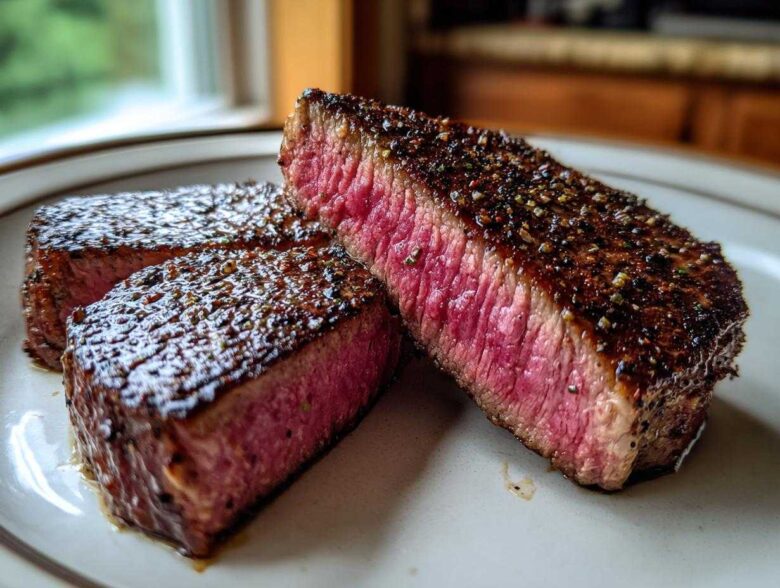
I don’t know about you, but sometimes that craving hits for a perfectly seasoned steak cooked hot and fast, the kind that tastes exactly like you’re sitting in a lively steakhouse. Forget driving out! My mission here is bringing that magic home, and I’ve cracked the code on the definitive Texas Roadhouse Steak experience. For years, I tried every salt blend under the sun to get that famous crust and tender center, especially on a thick sirloin. I’m telling you, after many slightly sad, mediocre attempts, I finally nailed the seasoning blend and the searing technique. This isn’t just *a* steak recipe; this is how you create restaurant-quality steak at home without needing a professional kitchen setup. Trust me, once you try this copycat version, you’ll be skipping the reservation line!
Why This Copycat Texas Roadhouse Steak Recipe Works
There are so many steak recipes out there, but this one genuinely locks in that signature taste we all drive over for. I’ve made this dozens of times, and the secret isn’t some obscure ingredient—it’s about technique and getting the balance right. You’ll be shocked how quickly you can pull this off on a weeknight.
- It uses the perfect cut: we focus on a great sirloin that takes the seasoning beautifully.
- The seasoning blend feels restaurant-level but uses spices you already have.
- The two-step cooking method ensures a deep, dark sear followed by a gentle finish.
- It’s much more affordable than eating out! I love getting restaurant quality steak at home without the bill.
Achieving the Secret to Texas Roadhouse Steak Flavor
Honestly, the flavor is 80% down to that seasoning blend we mix up. It’s savory, a little smoky from the paprika, and has just the right kick. You have to be generous with it—don’t be shy! But seasoning alone isn’t enough. The flavor is amplified by how we cook it. We use high heat in cast iron to create a crust, and then we baste it with butter, garlic, and rosemary. That basting step is what takes it from good to absolutely killer; it locks in the savory depth every time.
Ingredients for Your Texas Roadhouse Style Steak Recipe
Okay, let’s talk about what you need to pull this off. Forget fancy marinades for this specific recipe; it’s all about the rub and the butter bath. Having everything ready near the stove is crucial because the cooking moves fast once the pan gets ripping hot.
Here is the list. Make sure you grab that coarse salt—it makes a huge difference in texture when developing that crust! If you have fresh rosemary, please use it; it smells amazing while basting. You can check out my thoughts on other flavor bases later, but for this classic steak, stick to these exact measurements.
- 1 (10 ounce) sirloin steak, about 1 inch thick
- 1 tablespoon coarse salt
- 1 teaspoon black pepper
- 1 teaspoon garlic powder
- 1 teaspoon onion powder
- 1/2 teaspoon paprika
- 1/4 teaspoon cayenne pepper
- 2 tablespoons unsalted butter
- 1 sprig fresh rosemary (optional, but highly recommended!)
- 2 cloves garlic, smashed (just tap the side of your knife on them lightly)
How to Cook Steak Like Texas Roadhouse: Step-by-Step Instructions
This is where the magic happens, and where following the steps exactly builds that deep, restaurant-worthy crust. It feels fast, so have everything ready to go before you even turn on the burner! We use a combination of the stove for the sear and the oven for that gentle internal cook, which is how they keep the center perfectly tender.
We start by totally drying that steak off. Seriously, pat it down until it feels almost dusty. Moisture is the enemy of a good, dark sear, and we want that rich brown color, not a sad grey steak, right? Don’t worry about cooking it all the way through on the stovetop; that’s the oven’s job. If you’re ever looking for even simpler ways to deal with beef, check out these crockpot steak recipes later!
Preparing the Copycat Steak Seasoning Blend
Grab a tiny bowl and mix up all those spices—salt, pepper, garlic, onion, paprika, and that pinch of cayenne. Mix it up really well so the heat is evenly distributed, not just a big clump of cayenne in one bite! Once mixed, really rub that blend all over every surface of your dry steak. Don’t be timid here; you want a solid coating. Now, the most important, but hardest, part: let that seasoned steak hang out on the counter for about 30 minutes. This lets the seasoning start doing its work and brings the meat closer to room temperature so it cooks evenly.
Mastering the Sear and Baste for Perfect Texas Roadhouse Steak
Get your heaviest skillet—my cast iron is the only thing I use for this—screaming hot. I mean shimmering high heat! Drop half of your butter in. When it foams, gently lay that seasoned steak down. You shouldn’t have to push it; it should sizzle angrily the second it hits the pan. Leave it alone for 2 to 3 minutes! Don’t touch it! Then, flip it. Now, quickly toss in the rest of the butter, those smashed garlic cloves, and the rosemary sprig. Tilt the pan and use a spoon to scoop that melted herb butter over the top of the steak repeatedly for 1 to 2 minutes. That constant basting is what gives you that incredible moisture and flavor depth.
Once that crust is set and you’ve basted it plenty, immediately move that whole hot skillet into your preheated 400-degree oven to finish cooking to your preferred doneness. And please, no matter how tempting, let it rest after it comes out! You can check out these fajita ideas if you want to slice it up right away, but resting is key for juicy results here.
Tips for Success with Your Texas Roadhouse Style Steak Recipe
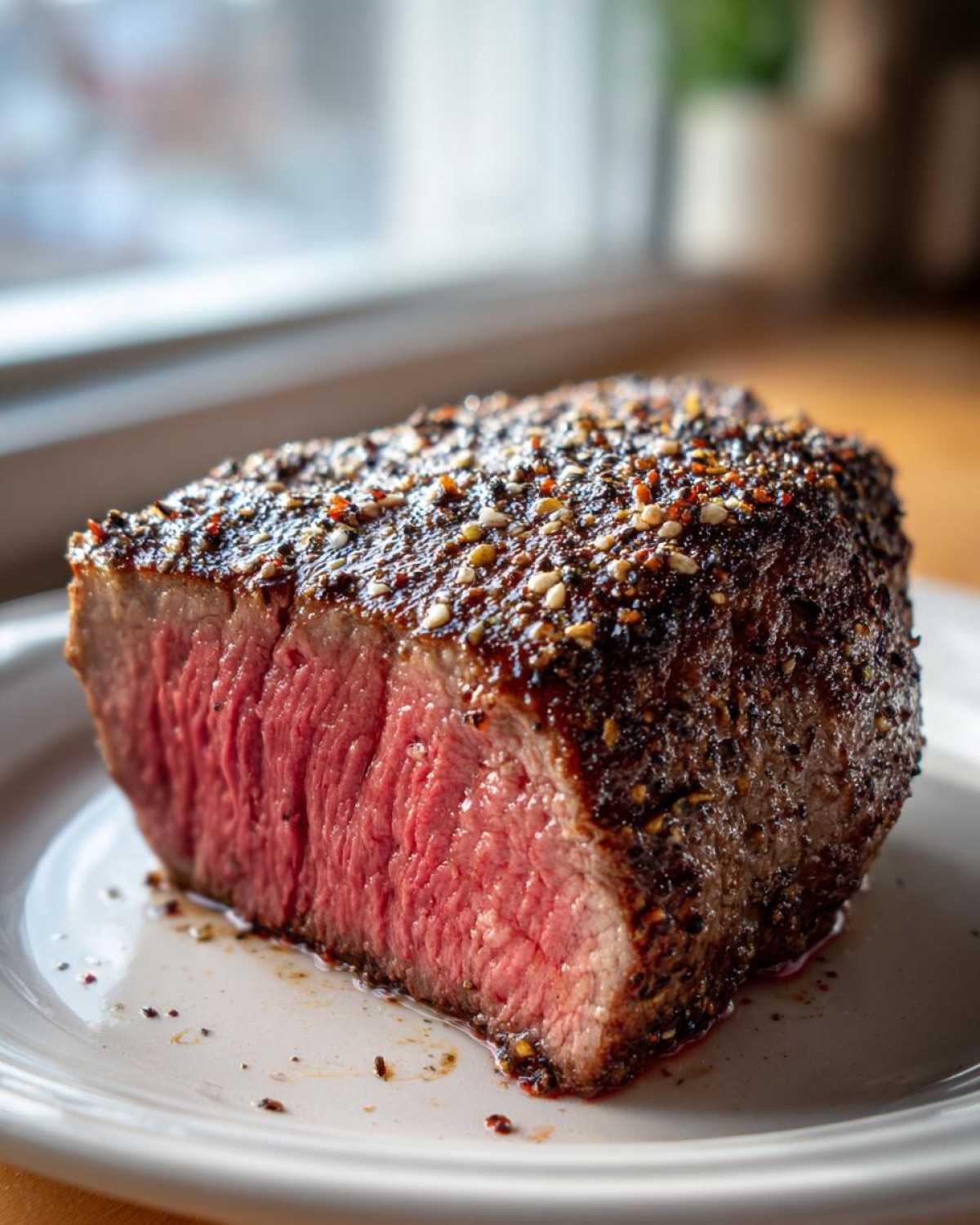
I’ve learned a few tricks over the years to ensure this works perfectly every single time, even when I’m feeling a little rushed. First, ditch the idea of cooking without a thermometer. Seriously, your eyesight and guesswork only get you so far when aiming for that perfect medium-rare bang for your buck. Grab one; it’s the only way to guarantee you don’t accidentally overcook this tender cut.
The biggest mistake people make is overcrowding the pan, which causes the steak to steam instead of sear. If you’re making more than one steak, cook them one at a time! You need that space for the high heat to work its magic creating that crust. If you’re curious about making other staples at home, I have a wild recipe for fluffy scrambled eggs that requires the same kind of heat control.
Also, remember to really let that skillet get hot, hot, hot before that first pat of butter goes in. If you see smoke, that’s usually a good sign that you’re ready for searing! That initial contact creates that beautiful, flavorful crust that mimics the restaurant experience perfectly.
Ingredient Notes and Substitutions for Texas Roadhouse Steak
Let’s talk specifics because choosing the right meat makes a huge difference when aiming for that authentic taste. We are absolutely focused on the sirloin here, and I’ll tell you why! Sirloin is the unsung hero of steakhouse meals because it’s flavorful, still relatively tender, and stands up beautifully to the high-heat searing and spice rub we use in this copycat method. It has a great chew that you don’t always get with something super lean like filet mignon.
If you can’t find a good 1-inch thick sirloin, don’t panic. A good Top Blade steak or even a well-cut New York Strip works in a pinch, but you might need to slightly adjust your oven time since they cook differently. Just try to keep the thickness consistent so your timing stays true!
When it comes to the seasoning, you have a little wiggle room, but don’t stray too far from the core flavor profile! If you happen to be out of smoked paprika, regular paprika is fine, but you lose that lovely depth—so try to keep the smoked version on hand. Also, if you’re feeling spicy one day and want to amp up the heat even more than we already have, you could try mixing in a tiny pinch of chipotle powder along with the cayenne. If savory herb flavor is lacking, remember my post on other flavor bases; those aromatic ideas can sometimes swap into the basting butter if you run out of rosemary!
For the butter, if you are worried about the milk solids burning during the sear phase, you can absolutely use clarified butter or ghee—it has a higher smoke point, which is perfect for that initial blast of heat!
Serving Suggestions for Your Texas Roadhouse Steak Dinner
So you’ve got this perfect, juicy steak sitting there resting, and now you need the rest of the meal to match that steakhouse vibe, right? That perfectly seasoned meat loves bold, comforting sides. I always think of what I’d order if I were actually sitting in that saddle chair waiting for my meal!
When I’m making the skillet cornbread to go with it, I use my cast iron pan for that too, getting a super crispy bottom crust that’s divine with the steak juices. It’s such a classic pairing, and it’s so easy to make while the steak is resting.
If you want something a little heavier and decadent—and trust me, you deserve it after going through all that effort to make the perfect steak—you absolutely have to try my recipe for twice-baked potatoes. It’s over-the-top cheesy and creamy, and it soaks up the run-off butter from the steak masterfully. It gives you that rich, steakhouse dinner feeling.
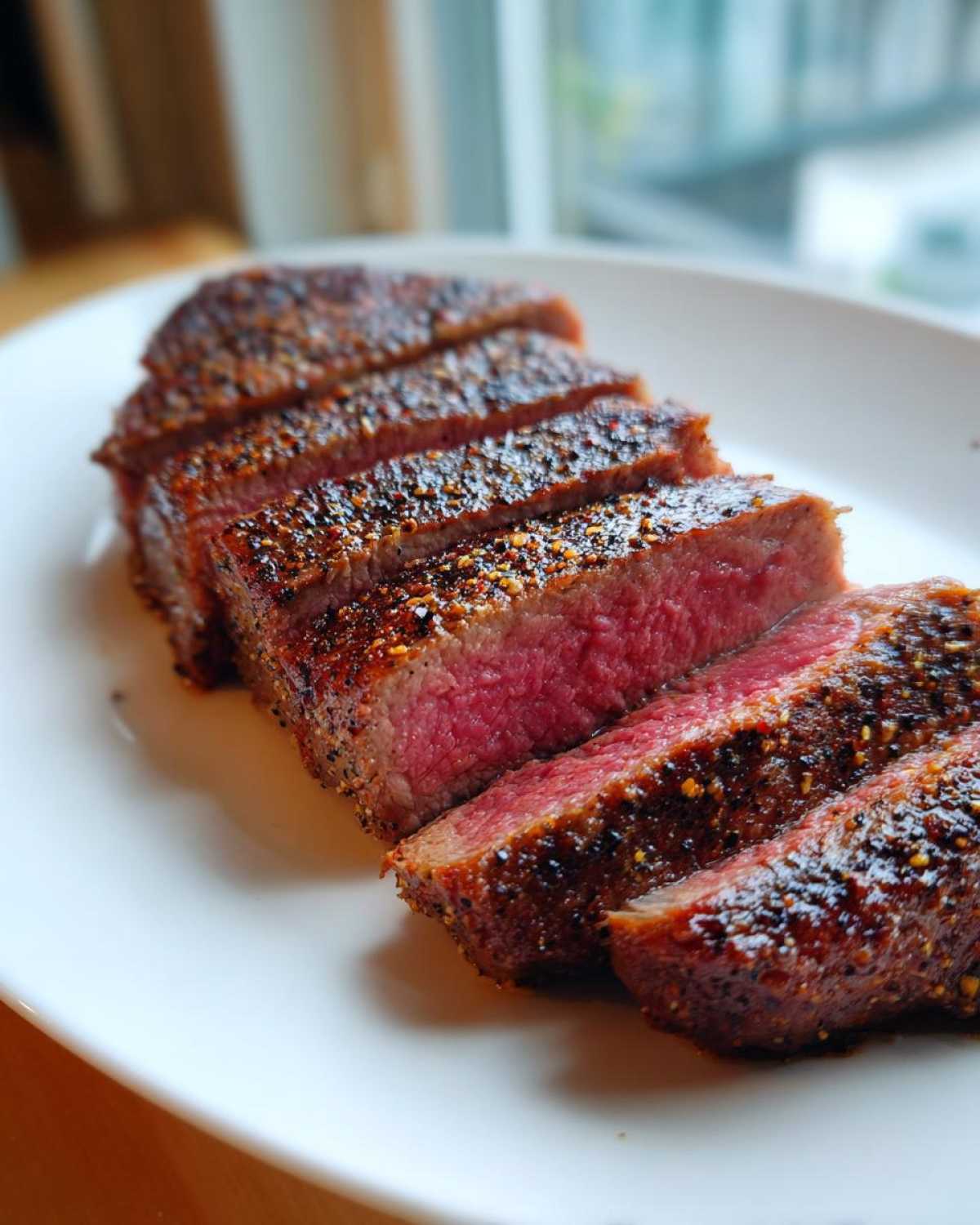
For something green to cut through all that richness, you can’t go wrong with a simple side salad that has a little vinegary punch, or maybe some green beans sautéed quickly with a bit of garlic. The goal is to have sides that complement the bold flavor of our copycat steak without taking center stage. Think of it as building the ultimate steakhouse plate right there on your dinner table!
Storage and Reheating Instructions for Leftover Texas Roadhouse Steak
Don’t you just hate throwing away leftover steak? It’s a crime, especially when you nailed that perfect medium-rare cook! The key to storing leftovers that taste almost as good as fresh is minimizing moisture loss and avoiding that grey appearance you get when you just nuke it.
The best way to store any leftover steak is to let it cool down completely first. Then, wrap it tightly, maybe even wrapping it in plastic wrap and then foil. This keeps the air out, which is what makes it look dull and dry in the fridge. This steak holds up really well for about three days tucked away properly.
When you’re ready to eat it again, we need to gently bring back that juiciness without destroying the internal cook or losing that crust we worked so hard for. Forget the microwave; that’s a guaranteed path to tough rubber bands of meat! I’d much rather make a whole new recipe, like a quick creamy seafood salad, than ruin good steak!
For reheating the Texas Roadhouse style steak, the slow and low method works best. Preheat your oven to just 250 degrees—super low. If you have any of those pan drippings or the leftover basting butter, save it! Place the steak in a small, oven-safe dish and pour just a teaspoon or two of that butter or a tiny bit of water/broth over it. Loosely tent it with foil. Every five minutes, check the temp. You just want it warm all the way through, not cooking more. Pull it out around 115 degrees before taking it out of the oven. It should only take about 8 to 12 minutes total!
If you absolutely must pan-sear it again, heat a bare (no extra oil or butter) skillet over medium-low heat. Place the pre-sliced steak in the pan for just 30 seconds per side, just enough to warm it up. Slicing it first lets the heat penetrate faster, avoiding overcooking!
Frequently Asked Questions About Texas Roadhouse Steak
I know you might still have questions swimming around, especially when you’re trying to nail down a copycat recipe for something you love eating out! It takes a little practice, but these quick answers should clear up any worries you have about your next attempt at making your own Texas Roadhouse style steak recipe.
What is the best Texas Roadhouse steak cut to replicate at home?
We focused on the sirloin in this recipe because it’s flavorful, stands up to seasoning beautifully, and is usually easier on the wallet than a Ribeye. Honestly, for achieving that specific savory, slightly charred crust, the sirloin is your best bet. If you want something richer, a New York Strip is a close second, but you’ll need to watch the heat a little more carefully since it has more marbling!
How do I make sure I cook steak like Texas Roadhouse?
The core technique is a two-phase cooking adventure! First, you must get a heavy skillet—cast iron is non-negotiable if you want that quick, hard sear—and let it get screaming hot before putting the seasoned steak down. That creates the crust, which holds the flavor in. Second, you can’t skip the butter basting with the aromatics (garlic and rosemary) mid-sear. That rich infusion of flavored fat is what seals the deal on the flavor profile. Then, you finish it gently in the oven so the inside cooks evenly to your desired temperature.
Can I grill my Texas Roadhouse style steak instead of pan-searing?
Oh, absolutely, you can use the grill! If you go the grilling route, keep that signature steak seasoning blend the same—don’t change that part! Just ensure your grill grates are super clean and oiled so you get those nice char marks without the steak sticking. You’ll want to sear it over direct, high heat for a couple of minutes per side to build that crust like we did in the skillet. Then, move it over to indirect heat (medium or low) to finish cooking through. Skip the butter basting unless you’re managing flare-ups like a pro, or keep that basting step for the very end before you pull it off the grates!
Can I use these seasonings on chicken or pork chops?
You totally can! That savory, slightly spicy blend works brilliantly on so many things. It’s very versatile. For pork chops, I usually go a little lighter on the cayenne, but the salt, pepper, garlic, and onion powder combo is fantastic. If you’re looking for different ways to use rubs on other meats, you might enjoy some of the inspiration I found on other flavor pairings for future adventures!
Estimated Nutritional Data for This Steak Preparation
Here is a rough idea of what you’re looking at nutritionally for one 10-ounce sirloin steak prepared exactly like the recipe above, including the basting butter. Keep in mind that this is an estimate, and if you use a leaner cut or skip some of that delicious basting butter, the numbers will change!
- Serving Size: 1 steak
- Calories: 450
- Protein: 48g
- Fat: 28g (Includes about 15g Saturated Fat from the butter used for basting)
- Carbohydrates: 1g
- Sodium: 850mg (Remember, the salt in the rub contributes significantly here!)
Overall, this is a fantastic high-protein, low-carb meal. If you’re watching your sodium, remember that the coarse salt in the rub accounts for a huge chunk of that number, so feel free to dial that back slightly and substitute with more pepper or garlic powder!
Estimated Nutritional Data for This Steak Preparation
Here is a rough idea of what you’re looking at nutritionally for one 10-ounce sirloin steak prepared exactly like the recipe above, including the basting butter. Keep in mind that this is an estimate, and if you use a leaner cut or skip some of that delicious basting butter, the numbers will change!
- Serving Size: 1 steak
- Calories: 450
- Protein: 48g
- Fat: 28g (Includes about 15g Saturated Fat from the butter used for basting)
- Carbohydrates: 1g
- Sodium: 850mg (Remember, the salt in the rub contributes significantly here!)
Overall, this is a fantastic high-protein, low-carb meal. If you’re watching your sodium, remember that the coarse salt in the rub accounts for a huge chunk of that number, so feel free to dial that back slightly and substitute with more pepper or garlic powder! If you want to explore other high-protein options for breakfast sometime, have a look at this high-protein waffles recipe for a fun change of pace.
PrintCopycat Texas Roadhouse Style Steak
Make a steak at home that tastes like the famous Texas Roadhouse Sirloin using a simple seasoning blend and proper searing technique.
- Prep Time: 30 min
- Cook Time: 10 min
- Total Time: 40 min
- Yield: 1 serving
- Category: Main Course
- Method: Pan-Sear and Bake
- Cuisine: American
- Diet: Low Fat
Ingredients
- 1 (10 ounce) sirloin steak, about 1 inch thick
- 1 tablespoon coarse salt
- 1 teaspoon black pepper
- 1 teaspoon garlic powder
- 1 teaspoon onion powder
- 1/2 teaspoon paprika
- 1/4 teaspoon cayenne pepper
- 2 tablespoons unsalted butter
- 1 sprig fresh rosemary (optional)
- 2 cloves garlic, smashed (optional)
Instructions
- Pat the steak completely dry with paper towels. This helps create a good crust.
- In a small bowl, mix the salt, pepper, garlic powder, onion powder, paprika, and cayenne pepper to create the steak seasoning blend.
- Generously coat all sides of the steak with the seasoning blend, pressing it lightly into the meat. Let the steak sit at room temperature for 30 minutes before cooking.
- Heat a heavy, oven-safe skillet (cast iron works best) over high heat until it is very hot.
- Add half of the butter to the hot skillet. When the butter melts and begins to foam, carefully place the seasoned steak into the pan.
- Sear the steak for 2 to 3 minutes without moving it to develop a dark brown crust.
- Flip the steak. Add the remaining butter, rosemary sprig, and smashed garlic cloves to the pan. Tilt the pan slightly and use a spoon to continuously baste the melted butter mixture over the top of the steak for 1 to 2 minutes.
- Transfer the skillet to a preheated oven at 400 degrees Fahrenheit.
- Cook until the steak reaches your desired internal temperature: 125 degrees Fahrenheit for rare, 135 degrees Fahrenheit for medium-rare, or 145 degrees Fahrenheit for medium. This usually takes 3 to 6 minutes depending on thickness.
- Remove the steak from the oven and place it on a cutting board. Tent it loosely with foil and let it rest for 5 to 10 minutes before slicing against the grain.
Notes
- For an extra rich flavor, use clarified butter or ghee instead of regular butter for basting.
- If you prefer a milder flavor, omit the cayenne pepper from the seasoning mix.
- Always use a meat thermometer to gauge doneness accurately.
Nutrition
- Serving Size: 1 steak
- Calories: 450
- Sugar: 0
- Sodium: 850
- Fat: 28
- Saturated Fat: 15
- Unsaturated Fat: 13
- Trans Fat: 0
- Carbohydrates: 1
- Fiber: 0
- Protein: 48
- Cholesterol: 140