

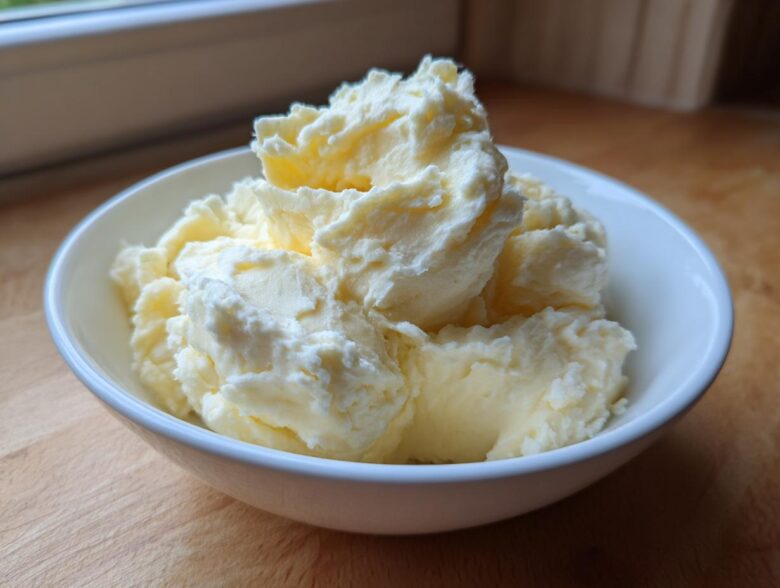
Oh, hello there! Welcome to the corner of my kitchen where comfort food reigns supreme. If you’re searching for that hug-in-a-bowl feeling, you’ve come to the right spot. Forget everything you thought you knew about side dishes because we are mastering the Best Creamy & Fluffy Mashed Potatoes today. Seriously, this is the recipe I rely on for every single holiday meal—Thanksgiving, Christmas, even just a Tuesday when the world feels a little heavy. Making truly perfect mashed potatoes is less about magic and more about technique, and I’m going to walk you through my every secret so yours turn out flawlessly smooth every time.
Why This Recipe Makes The Best Mashed Potatoes
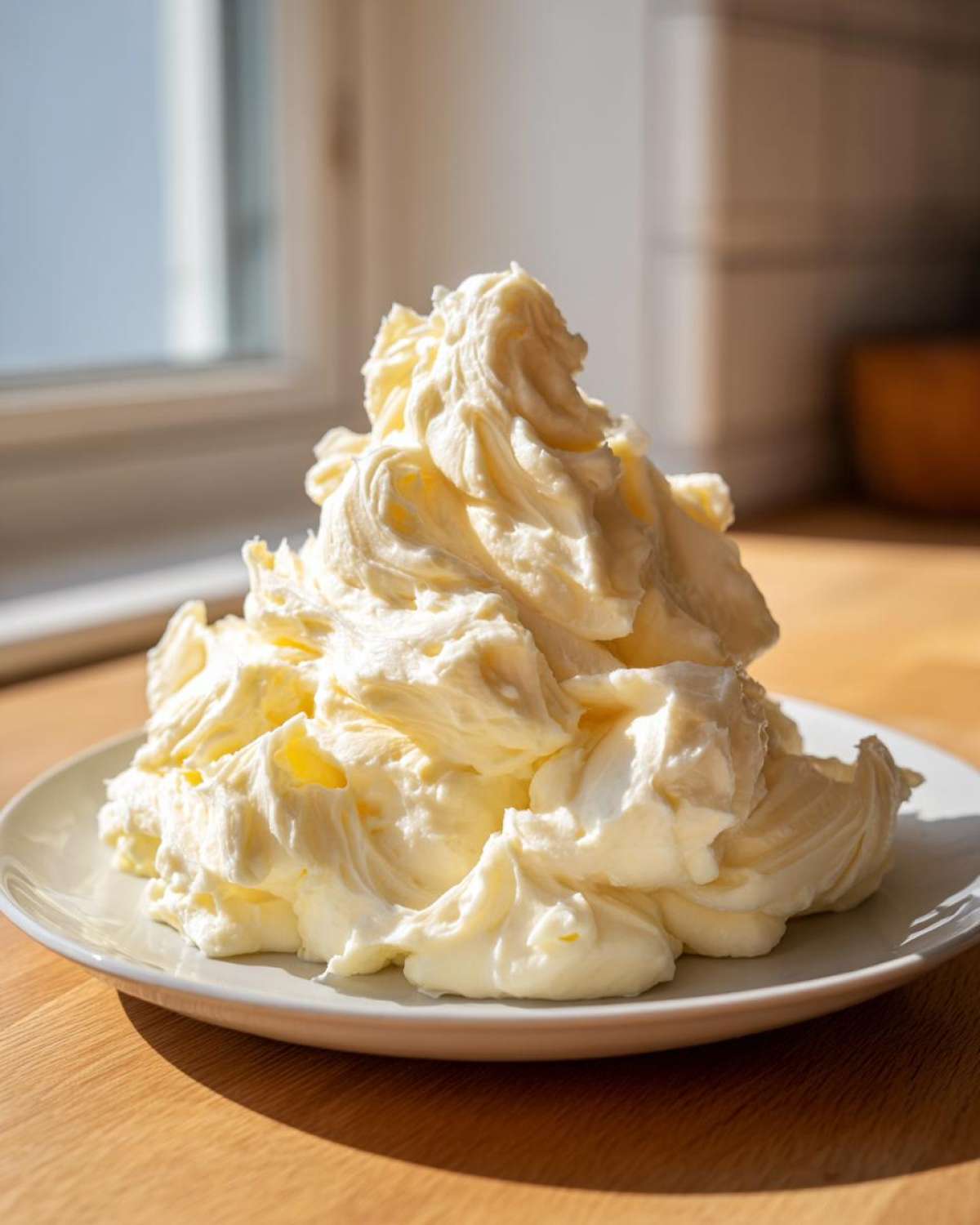
I’ve tried every shortcut out there, trust me. But when the goal is that incredible melt-in-your-mouth texture, you have to respect the process. This technique guarantees you avoid the gluey, watery mess that ruins a good dinner plate. We’re aiming high here for the ultimate side dish!
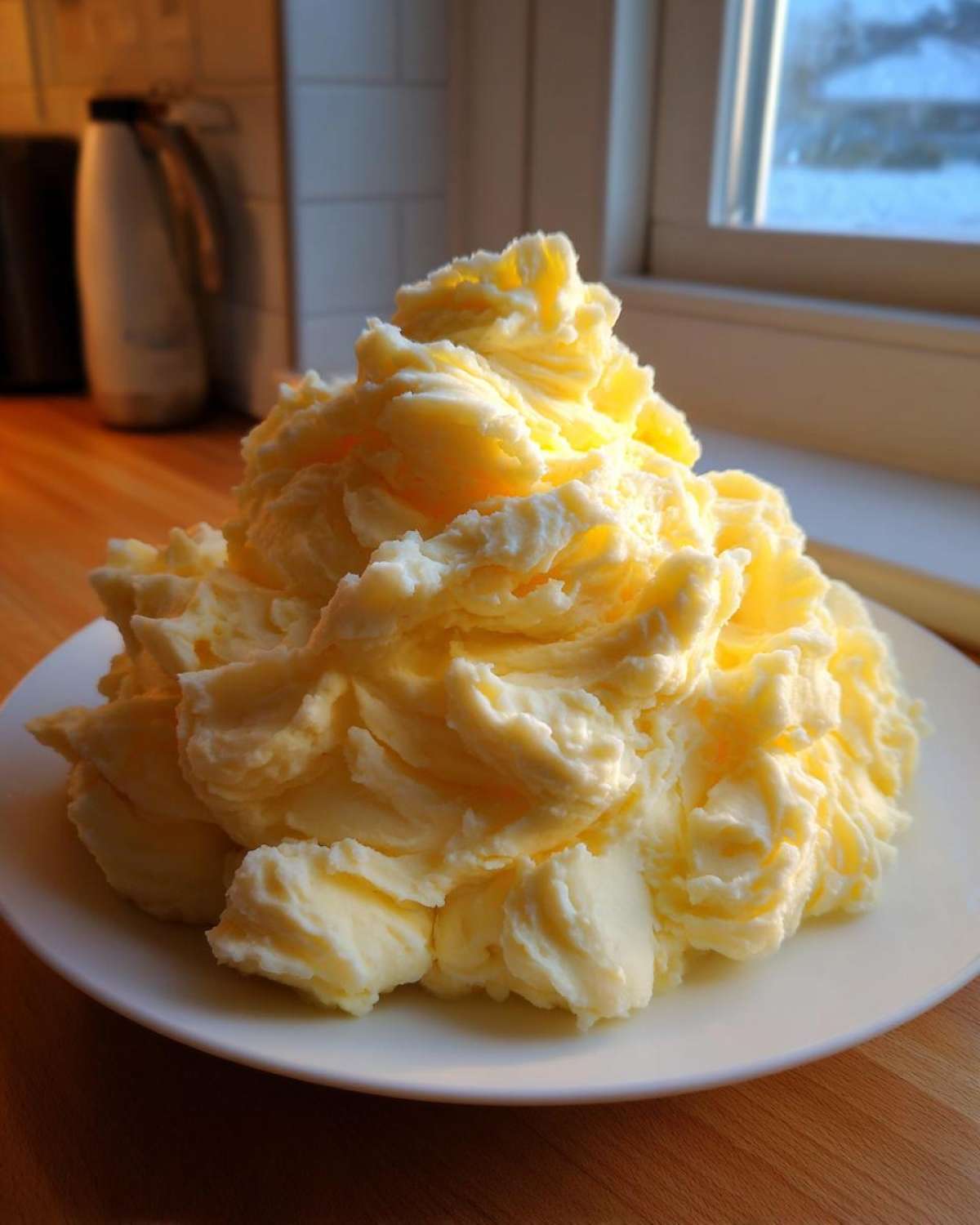
- Unbeatable Creaminess: Guaranteed smooth results every single time.
- Perfectly Buttery: The butter-to-potato ratio is simply heavenly.
- Easy Enough for Weeknights: Once you know the steps, they come together fast!
We unlock this texture by being stubborn about our potatoes and patient with our drying process. Seriously, don’t skip the step where we let the steam escape—it’s the real MVP move here. If you ever want to make pancakes that live up to their name, check out my tips for the Best Fluffy, Old-Fashioned Buttermilk Pancakes, because the principle of treating your star ingredient right is the same!
Achieving Ultimate Creamy Mashed Potatoes Texture
It all starts at the grocery store, my friend. I swear by Yukon Golds for this recipe. They have a naturally buttery flavor and a lower starch content, which means they break down beautifully when boiled, resulting in that naturally creamy mashed potatoes texture we are chasing.
Now, Russets are lovely too—they’re higher in starch, which makes them fantastic if you prefer a fluffier, slightly drier mash that really soaks up gravy. But for this specific recipe, where we want smooth, luxurious mounds, stick with the Yukon Golds. They just cooperate better with the warm milk and butter we add later.
Quick Tips for Perfect Mashed Potatoes Every Time
If you want to guarantee your mashed potatoes skip the gluey phase, remember these three things. First, always, always start your potatoes in cold water. If you drop them into boiling water, the outside turns to mush before the inside is cooked through, leading to uneven texture.
Second, drain them completely and let them steam dry for a few minutes. This is critical! Water is the enemy of creamy potatoes. Third, only mash them until they are *just* combined. Overworking them starts releasing too much starch, and poof—you have paste!
Essential Ingredients for Creamy Mashed Potatoes
Okay, let’s talk about what goes into this masterpiece. I want you to gather these items before you even think about turning on the stove. Quality matters here, especially with so few ingredients involved. You can’t hide mediocre butter in a potato dish!
You’ll need:
- 3 lbs Yukon Gold potatoes, peeled and quartered
- 1 cup whole milk
- 8 tablespoons unsalted butter, cut into pieces
- 1 teaspoon salt, plus more for boiling water
- 1/2 teaspoon black pepper
See how simple that is? Warm up your butter and milk before adding them in—it keeps your final dish piping hot. If you’re looking for a great baking recipe, my guide to fluffy buttermilk scones has some great tips on keeping dairy smooth!
Step-by-Step Instructions for Homemade Mashed Potatoes
Alright, here’s where the rubber meets the road! These instructions aren’t just steps; they’re my tried-and-true method for turning humble potatoes into the ultimate savory side. We move logically from the boil to the mash without rushing the important parts, which keeps everything tasting rich and not watery. This is how you master homemade mashed potatoes.
Preparing and Cooking Your Mashed Potatoes
First things first: put those peeled and quartered potatoes into a good-sized pot. Cover them with cold water—and I mean *cold*—by about an inch over the top. Now, add a good tablespoon of salt to the water; the potatoes need to flavor up from the inside out! Bring that whole pot up to a rolling boil, then step it back to a steady simmer. You’re looking for about 15 to 20 minutes until they are ridiculously easy to pierce with a fork. If a fork slides right through with no resistance, they’re authoritative cooked!
Drying the Potatoes for Smooth Mashed Potatoes
This part is non-negotiable if you want smooth mashed potatoes! As soon as they are tender, drain them completely in a colander, but don’t walk away! Let them sit there for a solid five minutes so all that built-up steam can escape. Honestly, water clinging to the potatoes is the number one way to ruin the final texture.
Once they’re steamed off, return the drained potatoes to that same hot, empty pot. Put it back on the lowest heat setting for just one minute, gently shaking the pot. This last little bit of dry heat really removes residual moisture. If you mess this up, your mashed potatoes will be sad.
Warming Dairy and Finalizing Your Mashed Potatoes
While the potatoes are drying, gently warm your milk and butter in a little saucepan until the butter is fully melted. Do *not* let it boil, just get it warm. Pour that warm, buttery goodness straight into the dried potatoes along with your salt and pepper. I always use a basic hand masher; avoid using a big electric mixer unless you truly want glue!
Mash until everything looks integrated and fluffy. Seriously, stop just before you think you should stop. You want to see just tiny bits of potato texture remaining—that tells you you haven’t overworked them. If you want to see how I get incredible results with other simple bases, check out my tips for the easiest soft naan bread imaginable, because the mixing technique is key there too. For scrambled eggs that are just as fluffy, I use similar heat management here: Check out my fluffy scrambled eggs!
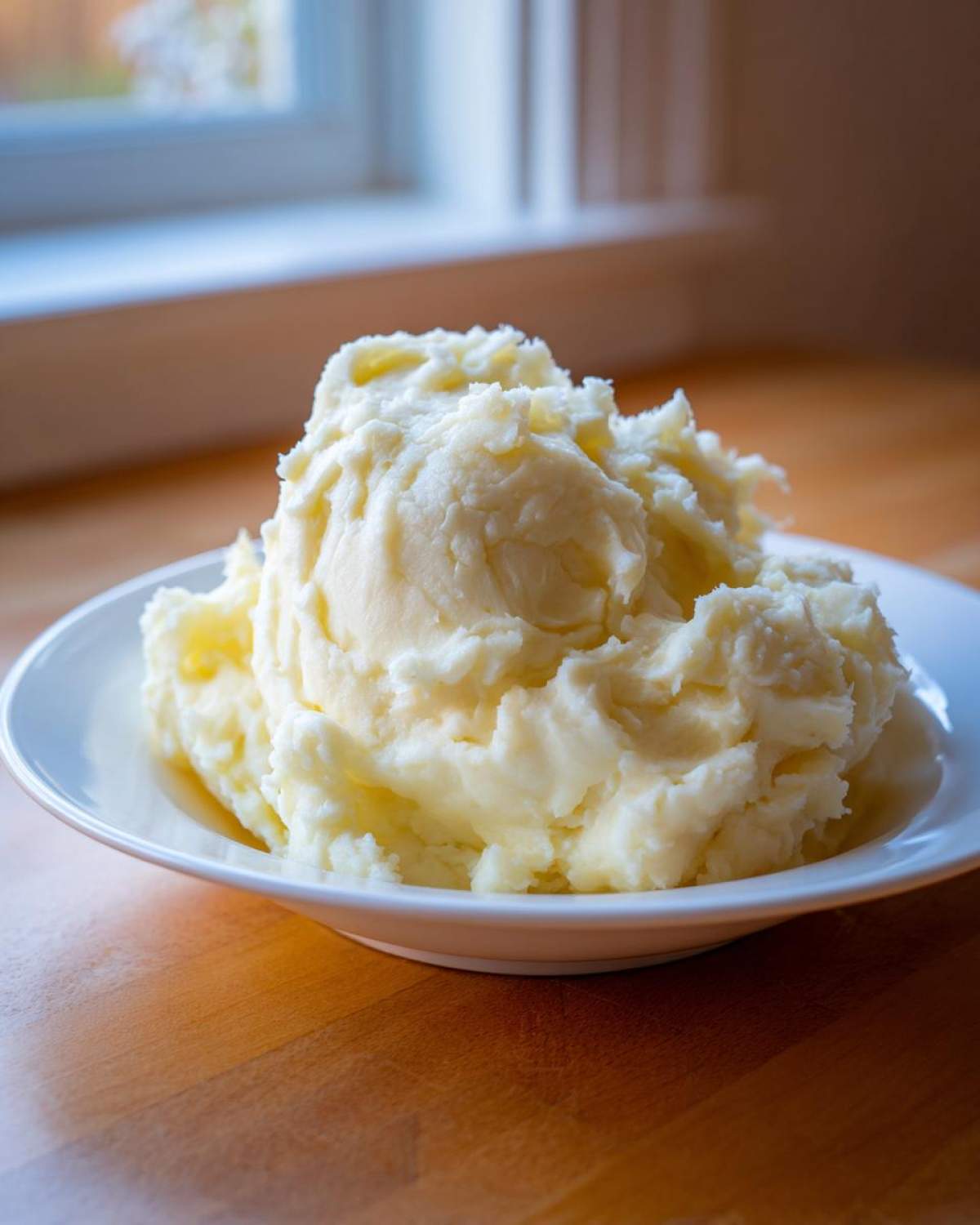
Ingredient Notes and Substitutions for Mashed Potatoes
We touched on Yukon Golds being my go-to, but I know life happens, and pantries aren’t always stocked perfectly. When we talk about making the best mashed potatoes, we have to talk about flexibility. If you only have Russets on hand, go for it! They will yield a fluffier result, but you might want to lean slightly heavier on the butter and milk—maybe add an extra ounce or two—to keep that creamy factor high.
Dairy substitutes are super common too! If you’re dairy-free or just out of whole milk, heavy cream is an upgrade, not a substitution; it adds richness that just can’t be beat. If you use heavy cream, you’ll need less of it, so fold it in slowly!
For my vegan or dairy-averse friends, look for high-quality vegan butter blocks (not the soft tub stuff, please!) and substitute the milk with rich oat milk or cashew milk. They provide the fat structure the potatoes need without watering down the flavor. Honestly, these swaps work like a charm, and if you’re making my flaky buttermilk biscuits, you already know how good rich dairy (or good butter substitutes) makes everything taste!
Variations on Classic Mashed Potatoes
We’ve nailed the perfect base recipe, and now it’s time to play! This simple potato foundation is just begging for mix-ins. If you want to elevate these from weeknight hero side dish to holiday showstopper, you have so many fun options to try out.
My absolute favorite upgrade? Roasting a whole head of garlic until it’s soft and sweet, then squeezing those creamy cloves right into the mash. Hello, deeply flavorful garlic mashed potatoes! You just won’t believe the depth that adds.
Another must-try is adding cheese. Shredded sharp white cheddar or a good salty Parmesan melts beautifully in the residual heat. Mix it in at the very end, right before serving, for incredible cheesy mashed potatoes. We actually make a fantastic Garlic Parmesan Chicken Bake if you want another dish that features that salty, savory profile!
Really simple herbs like finely chopped chives or a teaspoon of fresh thyme also brighten everything up if you’re looking for something a little lighter!
Serving Suggestions for Your Mashed Potatoes
Now that you have the silkiest, most divine mashed potatoes known to humankind, what in the world are you going to serve them with? This recipe is practically a blank canvas for comfort! These are absolutely essential for any big holiday spread, especially because they reheat so well for second helpings.
For a classic Sunday dinner, you simply cannot go wrong pairing them with a perfectly roasted chicken or a slow-cooked pot roast. The potatoes are sturdy enough to handle all those savory pan drippings—don’t even try to resist making gravy!
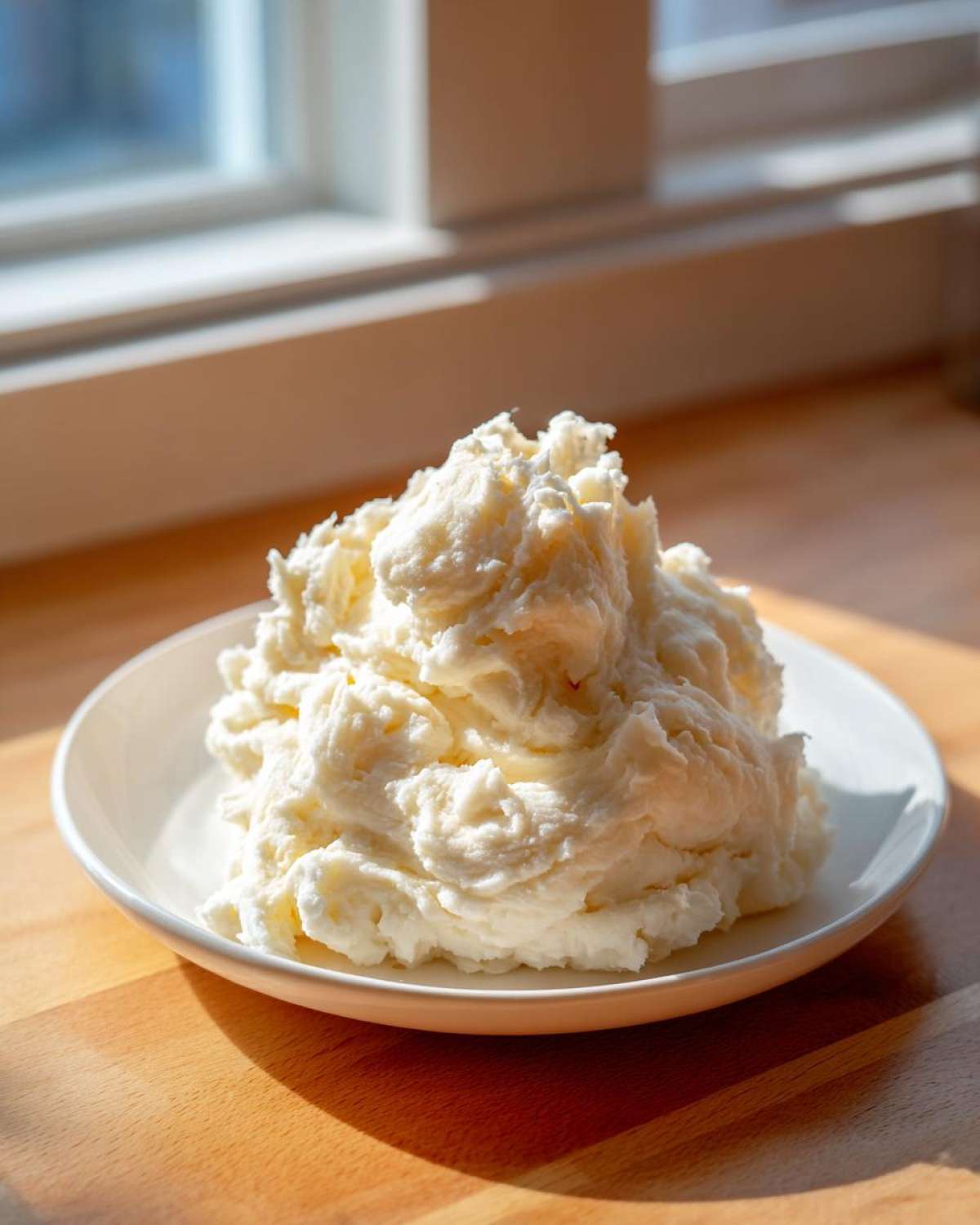
If you’re planning for Thanksgiving, these potatoes disappear first, I promise you that. They stand up beautifully next to turkey and stuffing, and they make the base for the ultimate bite containing everything else on the plate. If you need a hearty, one-pot meal to balance out all the sides, I highly recommend checking out the recipe for Vegetable Beef Soup; it’s the perfect down-home partner for a starch this rich.
And if you’re feeling adventurous around the holidays, these potatoes are a wonderful base for my favorite Mississippi Pot Roast Sliders! Seriously, make a batch of these potatoes, and you’ve basically solved dinner for three nights.
Storage and Reheating Instructions for Mashed Potatoes
Listen, sometimes you just make too much food, right? That’s practically tradition when you’re making something this delicious. Good news: these mashed potatoes store surprisingly well, but you have to treat them right when you want to reheat them, otherwise, they can get a little sad and stiff in the fridge.
For storage, let any leftovers cool down slightly—don’t put a steaming hot container straight into the fridge, as that can cause food safety issues. Once they are cooled enough, pack them tightly into an airtight container. They’re good to go in the refrigerator for about three to four days. Any longer than that, and you risk texture weirdness.
The Best Way to Reheat Creamy Mashed Potatoes
The secret to bringing these back to life is adding moisture back in! Never, ever microwave them dry. When you’re ready for leftovers, put the potatoes into a saucepan over low to medium-low heat. Add a splash—maybe a tablespoon or two—of extra warm milk or cream. Stir constantly until they are heated through and creamy again. The low heat prevents scorching on the bottom.
If you absolutely must use the microwave, scrape the amount you want into a microwave-safe bowl, add a splash of warm milk, cover it loosely with a damp paper towel (this traps the steam!), and heat in 30-second bursts, stirring well in between each one. It’s faster, but the stovetop method gives you that luxurious texture back every single time.
If you’re looking for another great recipe that stores and reheats well, my easy creamy seafood salad is another perfect make-ahead item for parties!
Frequently Asked Questions About Mashed Potatoes
I get so many messages asking about texture or how to switch things up once I’ve shared my core recipe. It’s great that you all are experimenting! Since this recipe is meant to be an easy side dish recipe for any gathering, I figured I’d tackle the most common questions right here.
Can I make mashed potatoes ahead of time?
Yes, you absolutely can! And honestly, for big events like Thanksgiving, I highly recommend making them the day before. Store them in an airtight container in the fridge for up to three days. Just remember my reheating rule: when you bring them back to the stove, you must add extra warm milk or cream. Don’t try to reheat them dry; they’ll seize up on you instantly!
What is the trick to getting smooth mashed potatoes?
The trick is twofold, really, and it all ties back to technique. First, make sure your dairy—the milk and butter—is warm when you add it. Cold dairy drops the temperature of the potatoes, making them require more mashing to combine, which activates the starch. Second, and this is huge, you have to stop mashing when they look *just* combined. If you keep going until they look perfectly uniform, you’ve gone too far! A few little lumps are fine, but if you want truly smooth mashed potatoes, stop that masher just as the last streak of yellow butter disappears.
Can I use Russet potatoes instead of Yukon Gold for this recipe?
You totally can! Just know you’re swapping creamy for fluffy. Yukon Golds are naturally lower in starch, giving us that luscious, buttery texture the recipe is known for. Russets are very high in starch, so they break down into a lighter, fluffier mash—think clouds! If you use Russets, you might find you need a touch more butter or cream compared to the recipe amounts, just to make sure they don’t end up feeling dry.
If you love potato-focused meals, you have to try my recipe for Easy Creamy Loaded Potato Soup. It’s the perfect partner for a scoop of these leftovers!
Estimated Nutritional Data for Buttery Mashed Potatoes
Because we love our comfort food, sometimes we need a peek at what’s going into that fluffy goodness! I’ve pulled together the estimated nutritional breakdown for this recipe based on the amounts listed. Remember, these are just estimates, and if you decide to double up on the butter or add some roasted garlic, the numbers shift a little bit!
For one serving (based on 6 servings total):
- Serving Size: 1 serving
- Calories: 310
- Fat: 18g (Saturated Fat: 11g)
- Carbohydrates: 34g (Fiber: 3g, Sugar: 2g)
- Protein: 5g
- Sodium: 450mg
It’s important to remember that these glorious potatoes are rich because they are loaded with real butter and whole milk—that’s what makes them so incredible! If you’re looking for something lighter next time, but still packed with flavor, you might want to check out my recipe for Cottage Cheese Egg Cups with Spinach and Feta. They are surprisingly filling and much lower in carbs!
PrintThe Best Creamy and Fluffy Mashed Potatoes
Follow these steps to make smooth, buttery mashed potatoes using Yukon Gold potatoes for a perfect side dish.
- Prep Time: 15 min
- Cook Time: 25 min
- Total Time: 40 min
- Yield: 6 servings
- Category: Side Dish
- Method: Boiling and Mashing
- Cuisine: American
- Diet: Vegetarian
Ingredients
- 3 lbs Yukon Gold potatoes, peeled and quartered
- 1 cup whole milk
- 8 tablespoons unsalted butter, cut into pieces
- 1 teaspoon salt, plus more for boiling water
- 1/2 teaspoon black pepper
Instructions
- Place the peeled and quartered potatoes in a large pot. Cover them with cold water by about one inch. Add 1 tablespoon of salt to the water.
- Bring the water to a boil over high heat. Reduce heat to maintain a steady simmer. Cook for 15 to 20 minutes, or until the potatoes are easily pierced with a fork.
- Drain the potatoes completely in a colander. Let them sit for 5 minutes to allow excess steam to evaporate. This step helps prevent watery potatoes.
- Return the drained potatoes to the hot, empty pot. Place the pot over low heat for 1 minute, shaking gently, to dry them further. Remove from heat.
- In a small saucepan, gently heat the milk and butter together until the butter is melted. Do not boil the milk mixture.
- Add the melted butter and milk mixture to the potatoes. Add the salt and pepper.
- Mash the potatoes using a potato masher until they reach your desired consistency. For the creamiest texture, avoid over-mashing, which can make them gluey.
- Taste and adjust seasoning if needed before serving immediately.
Notes
- Use Yukon Gold potatoes for a naturally creamy texture. Russets work well if you prefer a fluffier, drier mash.
- Warm the milk and butter before adding them to the potatoes to keep the final mash hot.
- For garlic mashed potatoes, simmer 2 cloves of peeled garlic with the potatoes.
Nutrition
- Serving Size: 1 serving
- Calories: 310
- Sugar: 2
- Sodium: 450
- Fat: 18
- Saturated Fat: 11
- Unsaturated Fat: 7
- Trans Fat: 0
- Carbohydrates: 34
- Fiber: 3
- Protein: 5
- Cholesterol: 45