

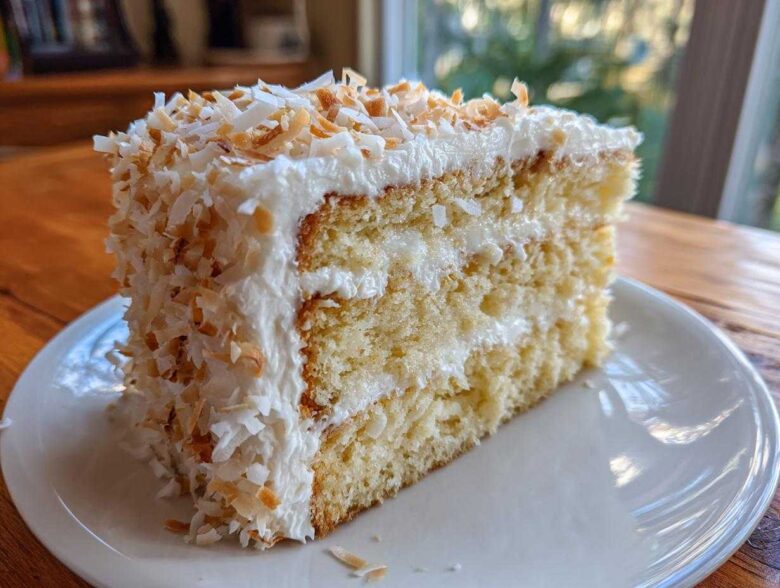
Listen, I know what you’re thinking. A truly dreamy, bakery-style coconut cake is always left to the professionals, right? Wrong! I spent years battling dry crumbs and lackluster frosting trying to nail that perfect Southern vibe. Well, I finally cracked the code, and I’m telling you, this is The Best Moist & Fluffy Southern Coconut Cream Cake Recipe you will ever try. Forget those flat, sad attempts; this coconut cake is rich, incredibly light, and packed with real coconut flavor because I’ve tested every little trick in the book to make it taste like it came straight from a five-star bakery.
Why This Southern coconut cake Recipe Delivers Maximum Flavor
If you want a cake that makes people stop talking when you bring it out, this is it. We aren’t messing around with mediocre flavor here. This coconut cake is famous in my family because it hits those high notes of moisture and fluffiness you just can’t fake.
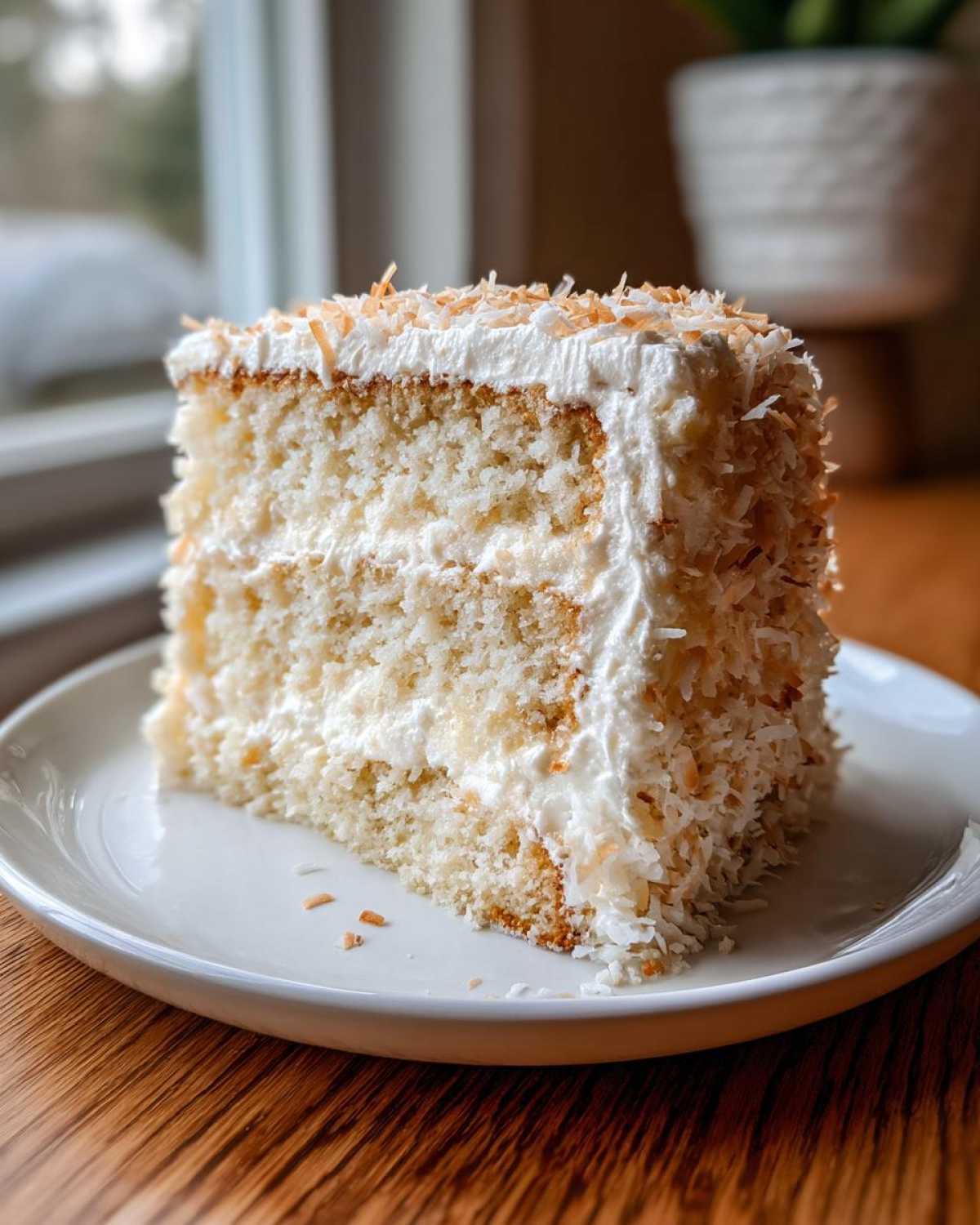
- This recipe uses both whole milk and cream of coconut, so you get saturation you can taste!
- We follow a specific mixing method that keeps the gluten development low, meaning cloud-like layers every single time.
Achieving the Perfect Moist coconut cake Crumb
The secret weapon for moisture? It’s not just the oil, though that helps! It’s the heavy dose of cream of coconut we put right into the cake batter itself. That extra richness seeps into every particle, making sure your coconut cake stays tender even overnight. Trust me, it makes a difference you can feel as you slice into it.
The Light and Fluffy coconut cake Texture
You know those bakery cakes that are light as air but still stand up tall? That’s what we’re aiming for. By adding the sugar and butter first and beating it until it’s pale, we trap tons of air. Then, when we alternate the liquids and dry ingredients afterward, we keep that air locked in. That careful mixing is why this cake is described as so fluffy coconut cake!
Gathering Ingredients for Your Best coconut cake
Okay, before we get messy, the quality of your ingredients really makes or breaks a classic coconut cake. This isn’t the time for shortcuts, especially with the butter—it absolutely needs to be softened, but not melty! That middle ground is what creates those crucial pockets of air in the batter. I always pull my butter out an hour before I plan to mix, and I let my eggs sit out too, because room temperature ingredients blend so much better. Don’t forget we need some of that sweet, sweet toasted coconut floating around in the middle layers!
Cake Layer Components
We need to prep our pans and make sure everything is measured out perfectly before we start whisking. Here is what you need for those stunning, light cake layers:
- 2 1/2 cups all-purpose flour
- 1 1/2 cups granulated sugar
- 1 tablespoon baking powder
- 1/2 teaspoon salt
- 1 cup unsalted butter, softened
- 4 large eggs (remember, room temp is best!)
- 1 cup whole milk
- 1 teaspoon vanilla extract
- 1/2 cup unsweetened shredded coconut, toasted, for filling
Creamy coconut frosting Homemade Components
The frosting is where we get that signature tropical punch! This isn’t your average vanilla buttercream; the cream of coconut takes it totally over the top. If you ever need a refresher on basic frosting techniques, you can check out my guide to best cream cheese frosting recipe, although this one is unique because of that special coconut addition.
- 1/2 cup unsalted butter, softened (more room temp goodness!)
- 4 cups powdered sugar, sifted
- 1/2 cup heavy cream
- 1 teaspoon coconut extract
- 1 cup cream of coconut (like Coco Lopez—this is NON-NEGOTIABLE!)
- 1/2 cup unsweetened shredded coconut, for coating
Step-by-Step Instructions for the Ultimate coconut cake
Alright, grab your mixer! We aren’t aiming for a quick dump-and-stir here; we need a little patience to get that picture-perfect result in this wonderful coconut cake. Make sure your oven is humming along at 350 degrees F (175 degrees C) before you even look at the whisk. Get those three 8-inch pans greased and floured. I usually use a swipe of butter and then a dusting of flour, making sure I get into every nook and cranny!
Preparing the Light Fluffy cake Layers
First things first: whisk together all your dry stuff—flour, sugar, baking powder, and salt—in your largest bowl. Now, add that softened butter. You’re going to mix this on low speed. It should look like coarse, wet sand. Don’t rush this step! While that’s going, whisk your wet things—eggs, milk, and vanilla—in a separate dish. Now, you add the wet to the dry, but keep the mixer on low and only mix until you see just barely no streaks of flour. Seriously, if you overmix, you’ll lose that beautiful fluff. Divide that batter super evenly between your pans. Bake them for about 25 to 30 minutes. They are done when a toothpick slides out clean. Let them chill in the pans for 10 minutes, then flip them onto a rack to cool completely. They have to be totally cool before we frost!
Making the Rich coconut cream cake recipe Frosting
While those layers are cooling down, let’s make the magic happen! Beat that softened butter in a clean bowl until it’s looking soft and creamy. Next, we add the powdered sugar bit by bit, alternating with the heavy cream and that little bit of coconut extract. Beat it until it’s looking smooth. The very last thing you do is fold in that glorious cream of coconut. Make sure it’s totally blended in. If you love buttercream, you can see how this stacks up against my basic vanilla buttercream frosting easy recipe, but the cream of coconut makes this frosting way richer!
Assembling Your Southern coconut cake
This assembly is what makes this Southern coconut cake stand out! Once the cakes are stone cold, take a small brush and lightly paint the top of the first layer with just a little bit of that extra cream of coconut you have leftover. Sprinkle some of that toasted coconut over the top—this acts like glue! Put down a nice, thick layer of frosting, and repeat with the second layer, brushing it with the cream and sprinkling the toasted bits again. Stack the third layer on top, and frost the whole thing lavishly. Finally, take that last half-cup of plain shredded coconut and gently press it onto the sides and top. Wow, what a stunner!
Tips for Success Making a Bakery Style coconut cake
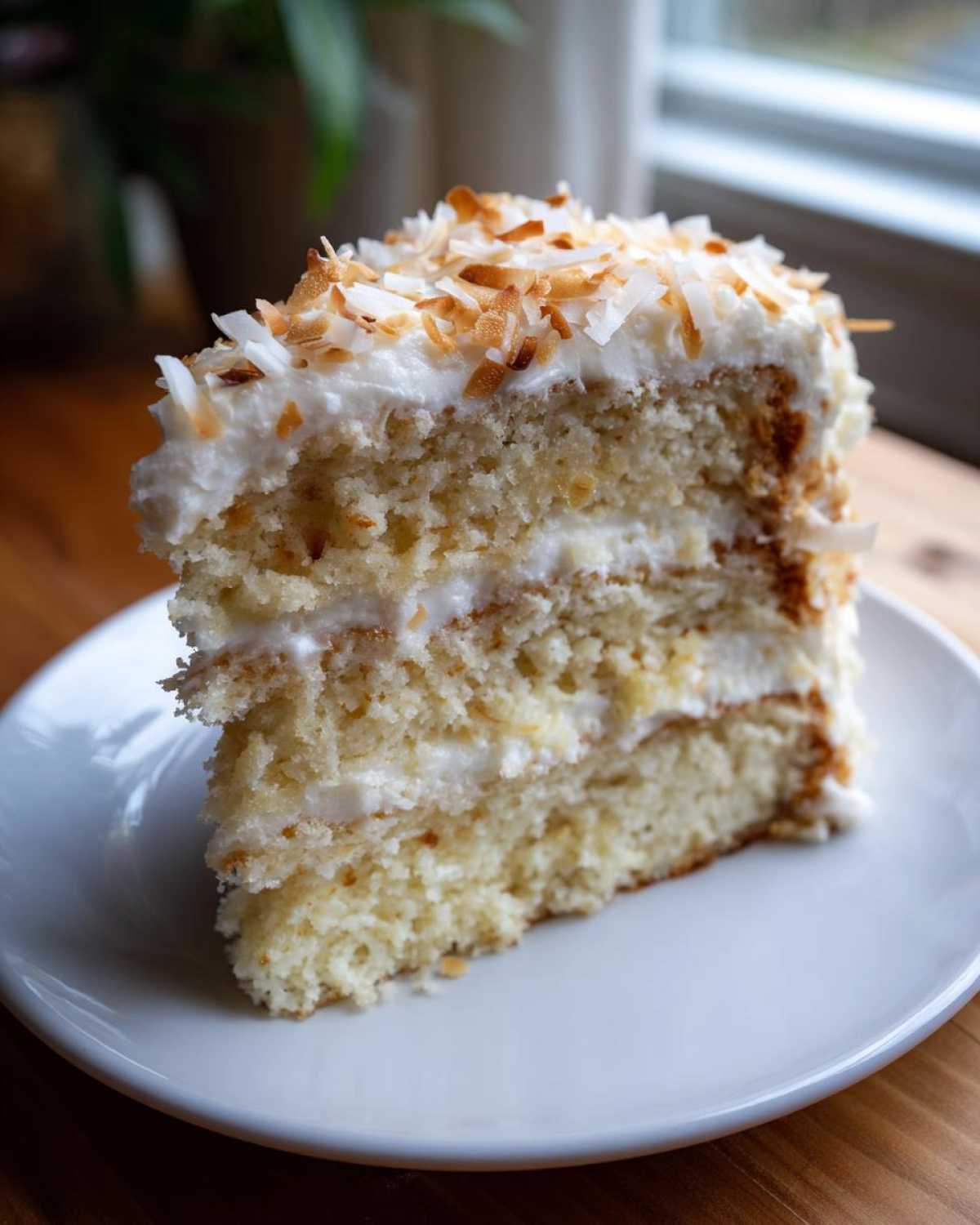
You’ve got the layers baked and the frosting whipped—awesome! Now, making sure this amazing coconut cake looks as good as it tastes takes just a couple of crucial finishing touches. These little bits of knowledge are what separate a good cake from something truly next-level amazing. Don’t skip these steps; they are how we guarantee that bakery look!
Properly Toasting Sweet Shredded coconut recipe
If you skip toasting the coconut, you are missing out on half the flavor! Don’t worry, it’s easy, but you have to watch it like a hawk because it burns fast. Spread that shredded coconut we use for the filling out onto a baking sheet in one thin layer. Pop it into that 350-degree oven we used for the cake, but only for about 5 to 8 minutes. Get ready to pull it out the second you smell that lovely toasted aroma, or it will turn black before you can blink!
Chilling for Clean Slices
I know you want to dig in right away, but this is for you! If you try to cut into this incredible moist coconut cake right after frosting, you’ll end up with a beautiful mess on the serving platter. The best move? Let that beautiful cake chill out in the fridge for at least 30 minutes after you’ve got the final coating of coconut on it. That little bit of cold time firms up the cream of coconut frosting perfectly. This way, when you cut those generous slices, they come out looking totally clean and professional. Everyone will think you bought it!
Variations for Your Tropical coconut dessert
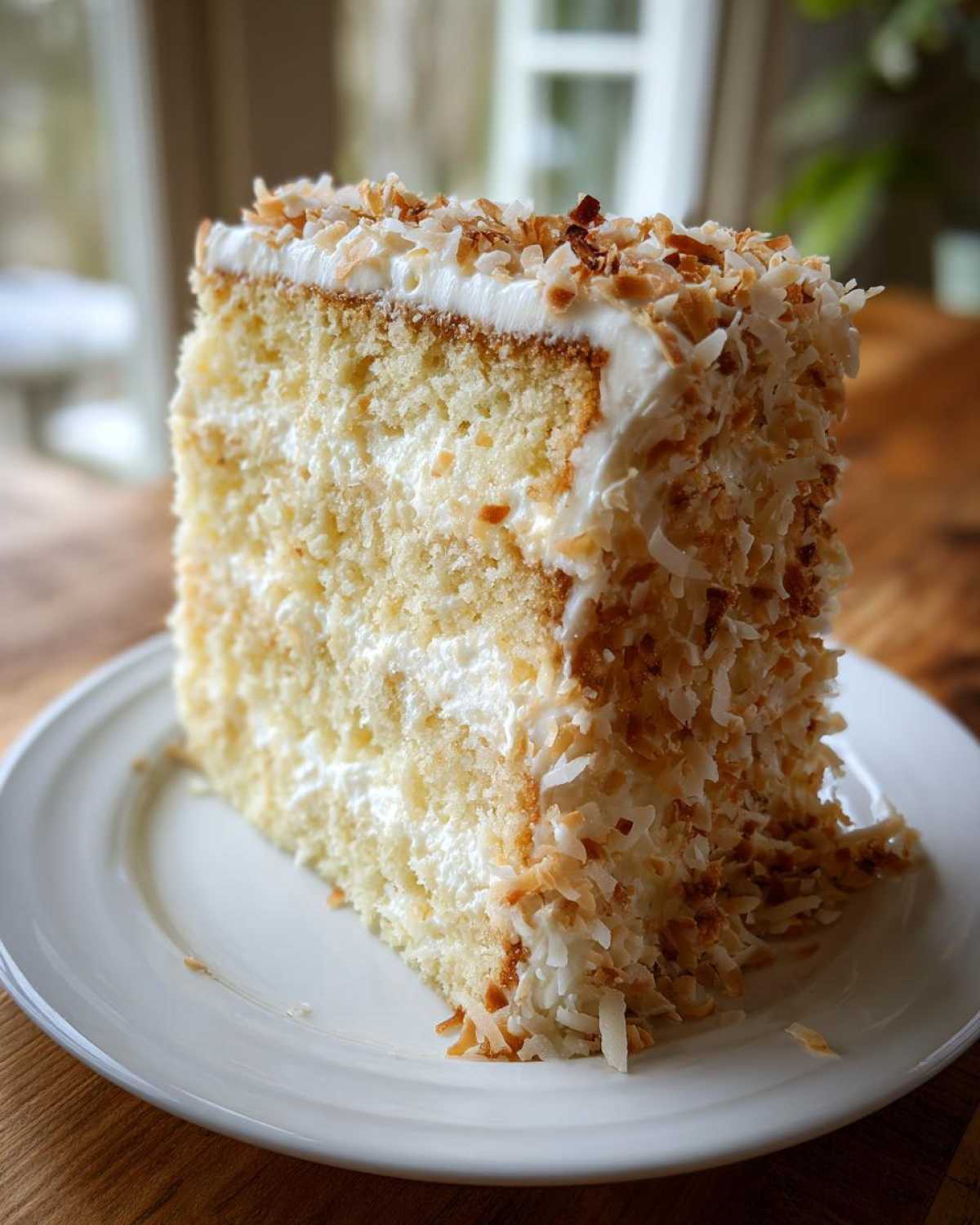
This amazing coconut cake isn’t just a one-trick pony, even though it’s perfected for layers! If you’re itching to try something different for a smaller crowd or just want a fun weekend bake, you can totally tweak this recipe. I love turning slightly drier leftover cake pieces into a coconut cream poke cake. Just use a fork to poke holes all over the cooled cake after baking, and pour a can of sweetened condensed milk or extra cream of coconut right over the top before frosting. If you’re looking for less fuss, this batter works wonderfully in a Bundt pan, though you might need to bake it about 10 to 15 minutes longer. If you’re curious about other decadent, moist variations, you might enjoy checking out my thoughts on sweet potato pound cake recipe moist for comparison!
Storage and Reheating Instructions for leftover coconut cake
Because this coconut cake uses so much real cream and coconut goodness in that glorious frosting, we definitely need to refrigerate leftovers. Don’t panic—it won’t dry out if you cover it right! Store any slices you don’t eat immediately in an airtight container in the fridge for up to three days. If you want that perfect bite back, just let a slice sit on the counter for about 20 minutes before serving. That lets the butter in the frosting soften up just enough to taste heavenly again. Avoid trying to microwave it; the texture goes a little weird with that much cream in the frosting!
Frequently Asked Questions About this moist coconut cake recipe
I always get so many questions when people see how tall and perfect this moist coconut cake recipe turns out! It’s natural to have worries when tackling a classic layer cake like this. Here are some of the questions I hear most often about keeping the crumb light and making sure the frosting stays dreamy.
Can I make this coconut layer cake ahead of time?
Yes, you absolutely can! Making this coconut layer cake ahead of time is actually a great idea. I typically bake the layers, wrap them tightly in plastic wrap once they are totally cool, and keep them sealed up at room temperature for up to two days. If you need longer, the fridge is fine, but bring them back to room temperature for an hour before frosting so they soften up. The amazing frosting holds up really well!
What is the difference between cream of coconut and coconut milk?
This is super important, so listen up! They are NOT the same substitute for this recipe. Cream of coconut (often sold in cans near mixers, like Coco Lopez) is very thick, heavily sweetened, and syrupy. That’s what gives our frosting and our cake layers that specific tropical sweetness and luxurious moisture. Coconut milk, on the other hand, is thin and unsweetened—it’s what you use to cook savory dishes or make smoothies. If you use coconut milk instead of cream of coconut in this recipe, your cake will be bland and your frosting will turn into soup!
If you’re planning on making more layer cakes soon, check out my tips on easy layer cake recipes for some simple inspiration!
Estimated Nutritional Data for this coconut cake
Okay, let’s talk fuel! I always post this data because I think it’s helpful, but remember, this is just my best guess for one slice of this glorious coconut cake. Since we use real butter and whole milk, we definitely get a rich result, but WOW, it’s worth it.
- Calories: 450
- Sugar: 55g
- Fat: 22g (Watch that saturated fat!)
- Carbohydrates: 60g
- Protein: 5g
Just a quick heads-up: these numbers are based on standard serving sizes and the brands I used. For the most accurate tracking, you’d need to plug in your specific ingredients. You can always read more about how we calculate these estimates on my disclaimer page!
Share Your Experience Making This Classic coconut cake
Now that you have the guide and all the secrets to making this phenomenal coconut cake, the best part is hearing from you! Did you try it for a birthday? Did your family finally agree on a holiday dessert centerpiece? I absolutely live for those success stories.
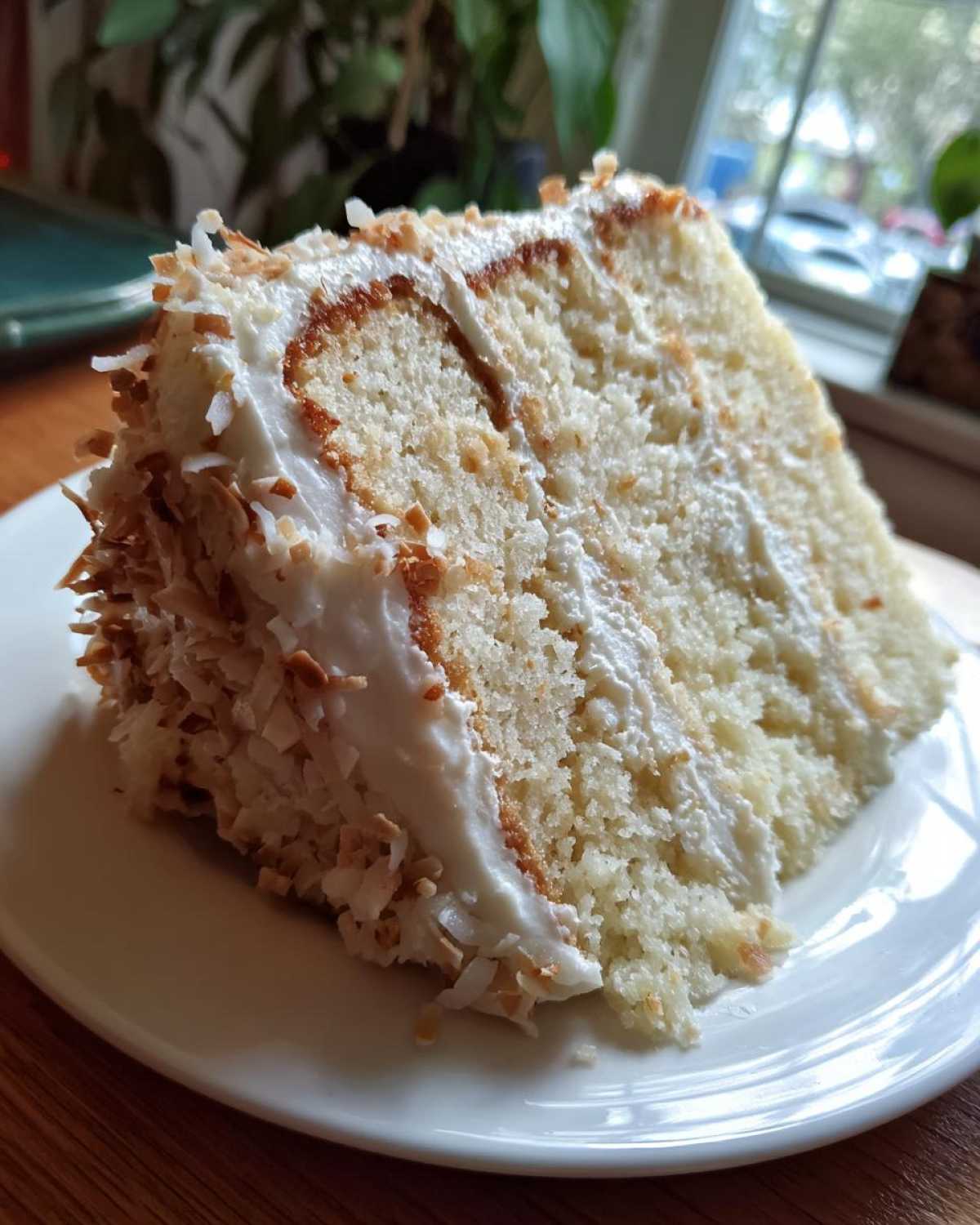
Don’t be shy! If you made my moist coconut cake recipe, please hop down to the comments section right now and tell me what you thought. Were the layers as light as you hoped? Did you use toasted coconut in the middle like I told you to?
If you loved it, if it blew the socks off your guests, please consider leaving a star rating—it really helps other bakers find this fantastic recipe. And if you snapped a picture of your gorgeous, fluffy creation, tag me on social media! I love seeing my recipes out in the world making people happy. Happy baking, everyone—I’m off to plan my next tropical dessert!
If you want to see what else I’ve been cooking up in my kitchen lately, you can check out my overall blog for more recipes that aim to make your home baking feel just like a professional bakery!
PrintMoist and Fluffy Southern Coconut Cream Cake
This recipe yields a moist, fluffy layer cake with rich coconut cream frosting, perfect for celebrations.
- Prep Time: 30 min
- Cook Time: 30 min
- Total Time: 60 min
- Yield: 12 servings
- Category: Dessert
- Method: Baking
- Cuisine: American
- Diet: Vegetarian
Ingredients
- 2 1/2 cups all-purpose flour
- 1 1/2 cups granulated sugar
- 1 tablespoon baking powder
- 1/2 teaspoon salt
- 1 cup unsalted butter, softened
- 4 large eggs
- 1 cup whole milk
- 1 teaspoon vanilla extract
- 1/2 cup unsweetened shredded coconut, toasted, for filling
- 1 cup cream of coconut (like Coco Lopez)
- 1/2 cup unsweetened shredded coconut, for coating
- 1/2 cup unsalted butter, softened (for frosting)
- 4 cups powdered sugar, sifted (for frosting)
- 1/2 cup heavy cream (for frosting)
- 1 teaspoon coconut extract (for frosting)
Instructions
- Preheat your oven to 350 degrees F (175 degrees C). Grease and flour three 8-inch round cake pans.
- In a large bowl, whisk together the flour, sugar, baking powder, and salt.
- Add the softened butter and mix on low speed until the mixture resembles coarse crumbs.
- In a separate bowl, whisk together the eggs, milk, and vanilla extract. Gradually add the wet ingredients to the dry ingredients, mixing until just combined. Do not overmix.
- Divide the batter evenly among the prepared pans. Bake for 25 to 30 minutes, or until a toothpick inserted into the center comes out clean.
- Let the cakes cool in the pans for 10 minutes before inverting them onto a wire rack to cool completely.
- While the cakes cool, prepare the frosting. Beat the softened butter until creamy. Gradually add the sifted powdered sugar, alternating with the heavy cream and coconut extract, beating until smooth and fluffy. Stir in the cream of coconut until fully incorporated.
- Once cakes are cool, brush the tops of each layer lightly with a small amount of the cream of coconut. Sprinkle the toasted shredded coconut over the cream.
- Place the first layer on a serving plate. Spread a layer of frosting over the top, then sprinkle with toasted coconut. Repeat with the second layer.
- Top with the final cake layer. Frost the top and sides of the entire cake with the remaining coconut cream frosting.
- Press the remaining unsweetened shredded coconut onto the sides and top of the cake for coating.
Notes
- To toast coconut, spread it on a baking sheet and bake at 350 degrees F for 5 to 8 minutes, watching closely to prevent burning.
- You can substitute buttermilk for whole milk for a slightly tangier crumb.
- Chill the cake for at least 30 minutes before slicing for cleaner cuts.
Nutrition
- Serving Size: 1 slice
- Calories: 450
- Sugar: 55g
- Sodium: 250mg
- Fat: 22g
- Saturated Fat: 14g
- Unsaturated Fat: 8g
- Trans Fat: 0.5g
- Carbohydrates: 60g
- Fiber: 2g
- Protein: 5g
- Cholesterol: 90mg