

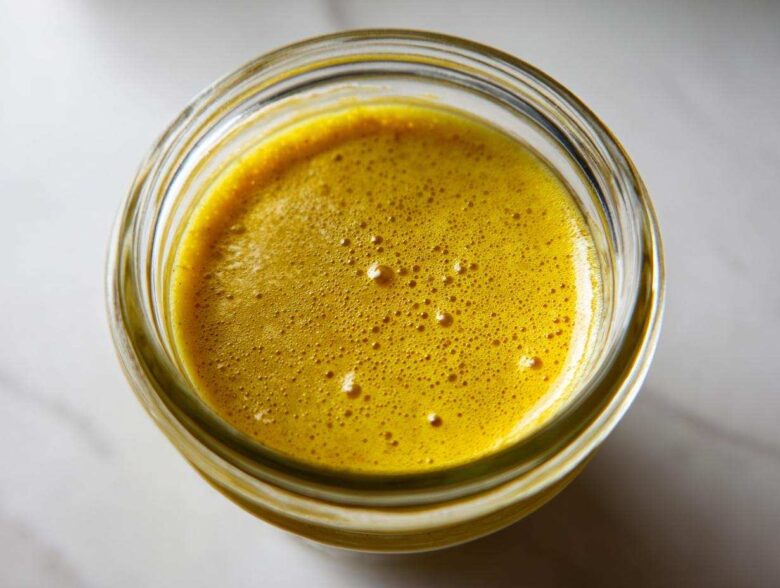
Okay, listen up! If you’re still reaching for that sad, gloppy bottle of store-bought anything, we need to have a chat. Seriously, throw it out! Zola always says recipes are just suggestions, right? That’s exactly how we treat the world of salad dressing. Why settle when you can whip up something incredible in five minutes flat? This collection is my go-to guide because it covers everything: a classic vinaigrette, something creamy, something bright, and a couple of flavor bombs. These five homemade salad dressing recipes are fast, delicious, and they prove that truly great flavor starts right in your own kitchen. You won’t go back, trust me on this one!
Why This Homemade Salad Dressing Collection is Your New Pantry Staple
Honestly, once you see how easy homemade salad dressing is, you’ll feel like you unlocked a secret level in the kitchen. This is all about mastering the simple ratios so you never need a recipe again. It’s empowering! We’ve focused these five here because they are quick salad dressing options that really pack a flavor punch while still qualifying as genuinely healthy salad dressing.
Speed and Simplicity: Making Salad Dressing in Minutes
Forget about messy blenders or complicated steps. Most of these recipes take less time than it takes to find a matching lid for your Tupperware containers! We’re talking 5 minutes, max, usually just shaking ingredients in a jar. These are truly simple salad dressing recipes that fit right into a busy weeknight schedule.
Controlling Ingredients for the Best Healthy Salad Dressing
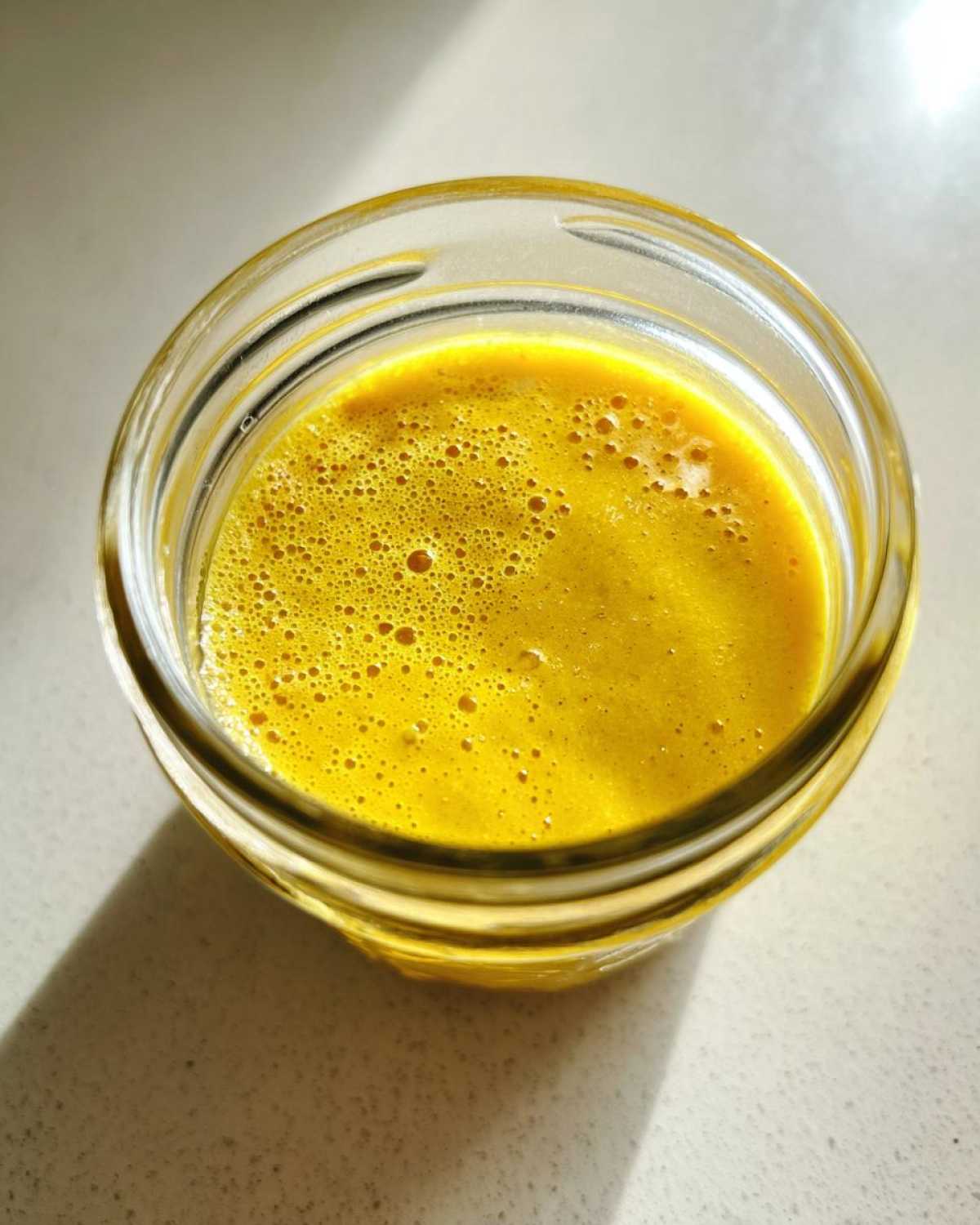
This is where we shine as editors, ensuring you know exactly what’s going onto your greens. When you make your own, there are zero weird gums or stabilizers lurking in there. You control the salt, you control the sugar, and you get to use that beautiful, flavorful olive oil you actually want to eat!
Gathering Ingredients for Your Versatile Salad Dressing Batch
Alright, this is where The Spark happens, David! Before we start shaking and whisking, we need to gather our supplies. Good news: these recipes rely almost entirely on things you should already have stashed away—it’s the perfect approach to maximizing those everyday pantry ingredient dressing staples. Having these basics on hand means you can decide you need fresh salad dressing five minutes before sitting down to eat, and boom, you’re already halfway done! Grab your little bowls and let’s see what we’re working with for these five flavor profiles.
Ingredients for Classic Vinaigrette Salad Dressing
This is the ultimate foundation dressing. If you only make one, make this one. It’s all about the quality fats and acids coming together!
- 3 tablespoons extra virgin olive oil
- 1 tablespoon red wine vinegar
- 1 teaspoon Dijon mustard (don’t skip this, it emulsifies!)
- 1/2 teaspoon honey or maple syrup
- Salt and black pepper to taste
Ingredients for Quick Creamy Salad Dressing (Yogurt Base)
This is our healthy take on creamy goodness, which means we skip heavy mayonnaise and go straight for that tangy Greek yogurt. It makes an amazing, bright dressing for salads.
- 1/2 cup plain Greek yogurt
- 1 tablespoon fresh lemon juice
- 1 tablespoon water (or more for thinning—we’ll adjust this later!)
- 1 small clove garlic minced (use a microplane if you have one, no one wants big garlic chunks!)
- 1/2 teaspoon dried dill
- Salt and pepper
Ingredients for Bright Lemon Vinaigrette Recipe
If you want something zingy that screams ‘sunshine,’ this lemon vinaigrette is it. It’s incredibly simple and tastes miles better than anything bottled!
- 1/4 cup olive oil
- 3 tablespoons fresh lemon juice
- 1 teaspoon maple syrup
- 1/2 teaspoon salt
- 1/4 teaspoon black pepper
Ingredients for Maple Mustard Dressing Salad Dressing
This one hits that perfect savory, sweet, and tangy spot. It’s fantastic on hardy greens like spinach or kale. We use apple cider vinegar here for a little extra brightness.
- 1/4 cup olive oil
- 2 tablespoons apple cider vinegar
- 1 tablespoon Dijon mustard
- 1 tablespoon maple syrup
- Salt and pepper
Ingredients for Flavorful Greek Dressing
This Greek dressing is my secret weapon for summer veggie salads. It’s powerful and herbaceous. We’re relying on dried herbs here which makes it last longer!
- 1/4 cup olive oil
- 2 tablespoons red wine vinegar
- 1 teaspoon dried oregano
- 1/2 teaspoon garlic powder
- Salt and pepper
Step-by-Step Instructions to Make Salad Dressing at Home
Since our primary method here is shaking or whisking, these instructions are super quick! The overall technique is simple, but getting the emulsification just right is how you move from a separated oil/vinegar mix to a proper, slightly thick salad dressing. Remember that for the vinaigrettes, we are shaking, and for the yogurt one, we are whisking to combine.
Preparing the Classic Vinaigrette Salad Dressing
Grab a small jar with a tight-fitting lid—this is the easiest way! Toss in the olive oil, red wine vinegar, Dijon, and honey. Seal that lid *tightly* and shake it like you mean it! Shake until it looks cloudy and a little thick—that means it’s emulsified. Once it looks right, taste it and add your salt and pepper right at the end. Shake one last time, and you’re done!
Mixing the Creamy Salad Dressing
For this yogurt-based one, use a small bowl and a whisk. Combine the yogurt, lemon juice, garlic, and dill first. You’ll notice it’s quite thick initially. Now, this is important: drizzle in your water *slowly*—just a teaspoon at a time—while you whisk constantly. Keep adding just until the dressing coats the back of a spoon nicely. Season it up!
Creating the Bright Lemon Vinaigrette Recipe
This one is so straightforward it almost feels like cheating. In a bowl, just combine the lemon juice, olive oil, maple syrup, salt, and pepper. Whisk it briskly until it smoothly comes together. Nothing fancy required! Using fresh lemon juice is what gives this fresh salad dressing that incredible, vibrant flavor.
Whipping Up the Maple Mustard Salad Dressing
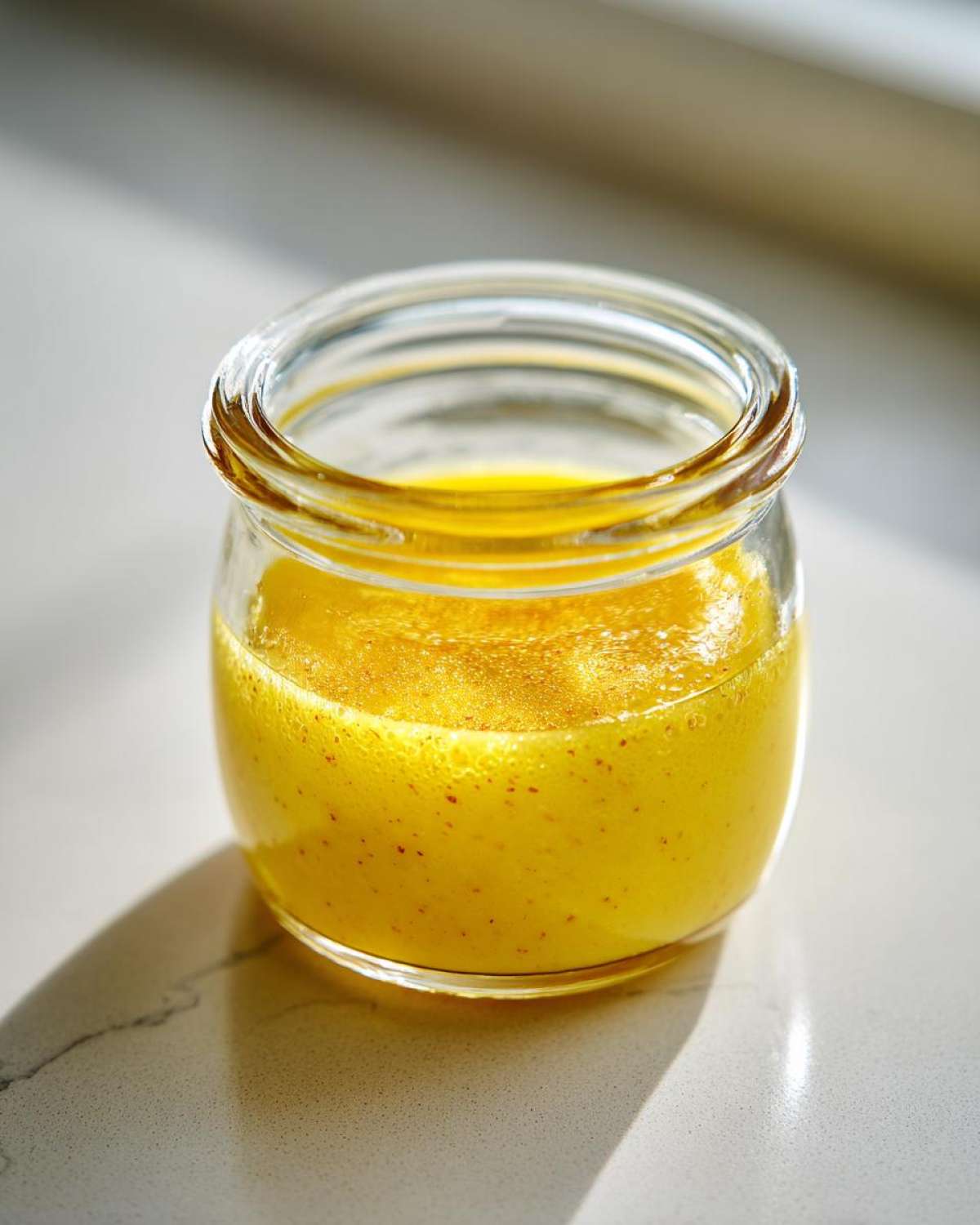
This needs a little more care to get that perfect thickness. In a bowl, mix the vinegar, mustard, sweetener, salt, and pepper first. Now, put the whisk down and pick up your whisk hand motion. You need to *slowly* drizzle that olive oil in a thin, steady stream while whisking furiously. This continuous motion is what makes the oil droplets suspend beautifully.
Assembling the Greek Dressing
Just like the classic vinaigrette, the jar method works perfectly for this robust flavor profile. Combine all your oil, vinegar, oregano, and garlic powder in a jar. Seal it up tight, and give it a really vigorous, hard shake. The oregano needs that agitation to distribute evenly throughout the oil. Taste test, adjust seasonings, and you’ve got a fantastic, flavorful *salad topping* ready to go.
Tips for Success with Every Homemade Salad Dressing You Make
Look, even with these super easy recipes, sometimes things go a little sideways, and that’s fine! That’s just part of making things from scratch. Knowing these little tricks is what separates a good homemade salad dressing from a truly great one. David and I actually learned these fixes the hard way, so you don’t have to!
Mastering the Vinaigrette Ratio for Perfect Salad Dressing
For any traditional oil and vinegar mix, like our Classic or Greek versions, there’s a basic guideline you should remember: three parts oil to one part acid. That 3:1 ratio is the cornerstone of a balanced vinaigrette recipe. If you taste it and think, “Whoa, that’s too tart,” you just add a little more oil or maybe a tiny touch more sweetener. If it tastes flat, add a drop more vinegar. It’s that easy to customize your perfect flavor!
Troubleshooting Separated Salad Dressing
Sometimes, especially if you’ve kept your dressing chilled for a few days, the emulsion breaks and the oil and vinegar separate out. Don’t panic and definitely don’t pour it out! Just let the jar sit on the counter for about 10 minutes to let everything warm up slightly. Then, seal it up tight and give it a serious shake again. It usually comes right back together, giving you a beautiful, smooth simple salad dressing every time.
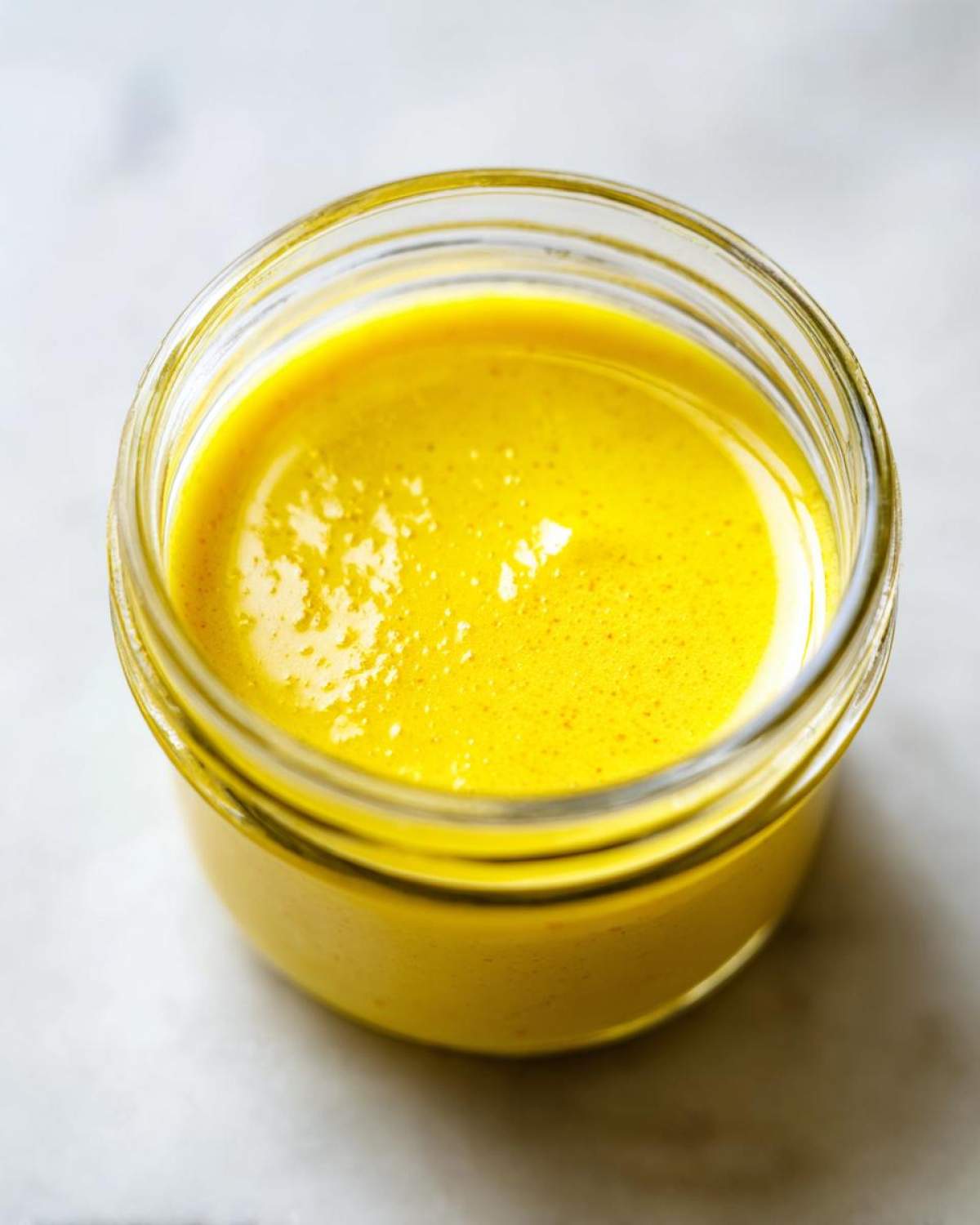
Serving Suggestions and Versatility for Your New Salad Dressing
I love how much personality these salad dressing recipes have. They aren’t just stuck in the world of lettuce leaves, trust me! Zola had this brilliant idea last week—we took the Maple Mustard one, which is amazing enough on arugula, and used the leftover bits as a marinade for chicken skewers we grilled. It worked unbelievably well! That sweet, tangy mustard coating turned the chicken golden brown. Who needs a separate marinade when your go-to dressing does double duty?
We designed these to be the ultimate kitchen multitaskers. Think beyond the bowl for your next meal. These simple salad dressing recipes can add moisture and zip to so many other things. If you’re looking for versatile dressing for salads, you’ve found the whole arsenal right here.
Using Your Salad Dressing as a Flavorful Salad Topper
Each dressing has its perfect playground. For instance, our Flavorful Greek Dressing? It’s too bold and delicious to keep just on romaine! I use the rest of the batch drizzled heavily over chopped cucumbers, tomatoes, and red onion—it makes a fantastic quick side dish that needs zero cooking. Or take the Lemon Vinaigrette; it’s divine over roasted asparagus or tossed with warm quinoa when you are building a grain bowl.
The Creamy Yogurt Dressing is amazing dolloped onto baked potatoes or used as a healthier dip for raw veggies instead of buying that heavy ranch or blue cheese dip. See? They are versatile salad toppers waiting for their next calling!
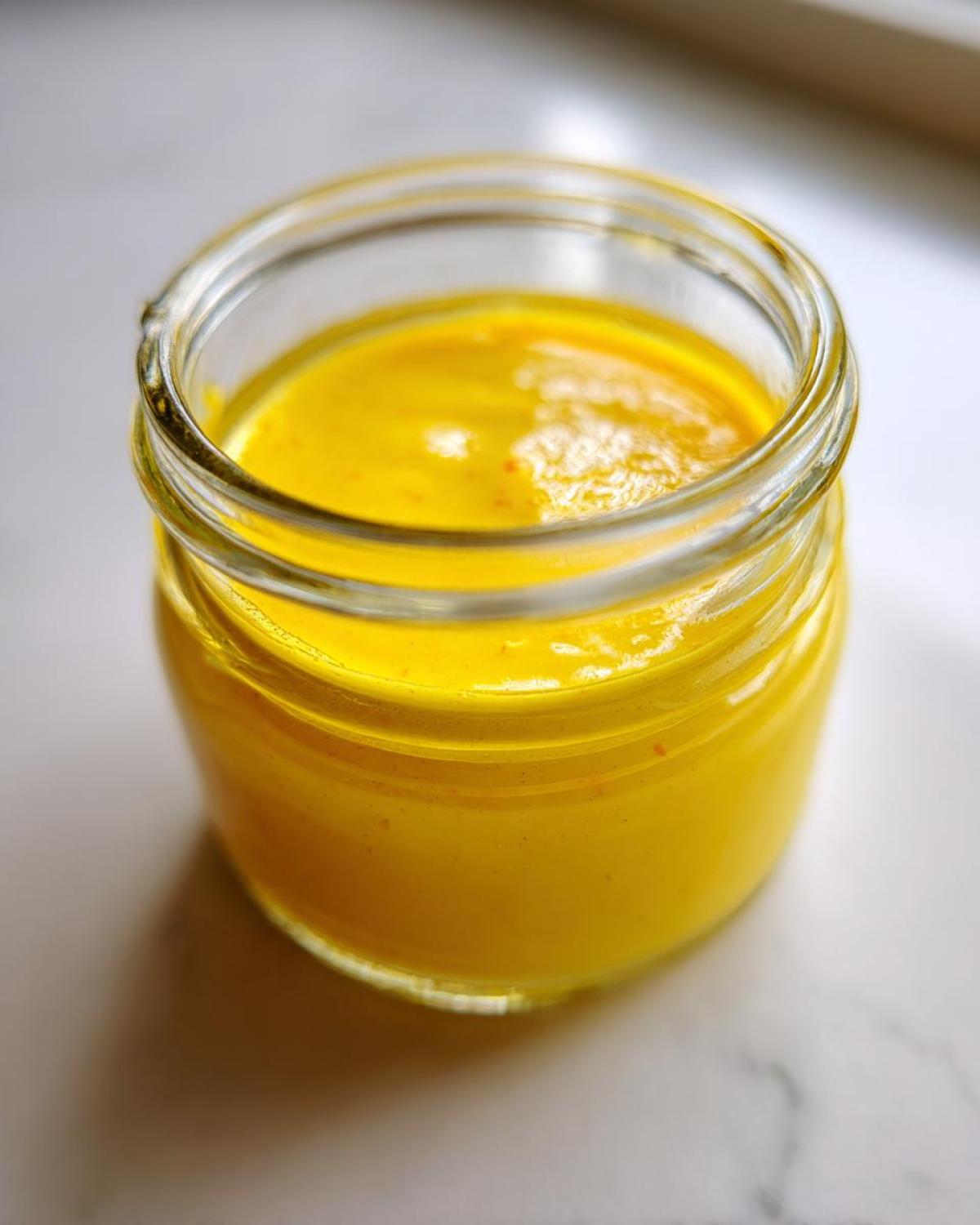
Storage and Reheating Instructions for Homemade Salad Dressing
Now that you have this amazing arsenal of five incredible homemade salad dressing options, the next question is, “How long do these last?” Because we aren’t using preservatives, storage is important, but it’s still wonderfully simple. You just need a good plan for keeping them fresh!
For the vinaigrettes—that’s the Classic, Lemon, Maple Mustard, and Greek ones—storage is a breeze. Pop them into an airtight jar, seal it up, and tuck them into the fridge. They are generally great for about two weeks, sometimes even three, because the acid acts as a natural preservative. You might notice they firm up a bit when cold, especially if you used fresh olive oil, but don’t worry about that—it just means they are chilling out!
The Creamy Yogurt Dressing is the one you want to watch most closely. Since that one has fresh dairy and actual garlic in it, I wouldn’t push it past about five to seven days. Keep it sealed tight, too.
And here’s the great thing about vinaigrettes, which I mentioned before: you never “reheat” them. If they get too stiff in the fridge, just take the jar out on the counter while you’re prepping your salad, let it hang out for 10 or 15 minutes to warm up just slightly, and then shake it hard. It’ll go right back to that perfect consistency. No mess, no fuss, just perfect simple salad dressing ready to go!
Frequently Asked Questions About Quick Salad Dressing
I know you might be wondering about a few things now that you have these five amazing recipes ready to go. It’s smart to ask! When you start to make salad dressing at home, you naturally have questions about swapping ingredients or how long they stay fresh. Here are a few things David and I hear all the time about our quick salad dressing collection.
Is the Bright Lemon Vinaigrette a Low Calorie Salad Dressing?
That’s a fantastic question, especially if you’re watching your intake! Yes, the Bright Lemon Vinaigrette definitely falls into the low calorie salad dressing category compared to the creamy one. Since it’s essentially just oil, lemon juice, and a tiny bit of maple syrup, it keeps the density and calories way down. The Creamy Yogurt Dressing, while healthier than mayo-based dressings, will naturally have more calories because of the thicker yogurt base. If you want the lightest option, go for the lemon!
Can I Substitute the Vinegar in the Classic Salad Dressing?
Absolutely, zero problem! The red wine vinegar we used in the Classic Vinaigrette recipe gives it a certain sharp flavor, but you can totally swap it if you don’t have any. White wine vinegar works beautifully and gives a slightly milder taste that’s super versatile. Champagne vinegar is another lovely choice if you have it lying around—it’s a bit more delicate. Just remember the 3:1 ratio we talked about! You can find more simple vinaigrette swaps over at Simple Vinaigrette Dressing Recipe, too.
How Long Do These Homemade Salad Dressing Recipes Last?
This is where the vinaigrettes beat out the creamy option every time. Remember what I said about storage? The Classic, Lemon, Maple Mustard, and Greek versions will hang out happily in the fridge for at least two weeks, thanks to that high acid content. The Creamy Yogurt Dressing, because it has fresh yogurt, is best used within the first week—five to seven days is my cutoff for those homemade salad dressing batches.
Nutritional Estimates for Your Homemade Salad Dressing
Okay, I want to preface this by saying that when you make things from scratch, nutrition labels are more like friendly ballpark estimates than strict rules, right? Because we are totally relying on the exact quality of your olive oil, the brand of Greek yogurt you buy, and how much salt you decide to sprinkle in—that all changes things!
However, David insisted I include at least a general idea of what you’re looking at per serving (which we defined as 2 tablespoons, since that’s usually enough for a decent salad). These numbers are a general guide across the lighter vinaigrettes, not necessarily the Creamy Yogurt Dressing, which runs a little higher!
This data is just for reference so you can feel good about ditching those store-bought bottles full of stuff you can’t pronounce. Here’s a quick look at what we estimate for a standard serving of these healthy salad dressing options:
- Serving Size: 2 tablespoons
- Calories: Around 120
- Fat: 13g (Mostly the good, unsaturated stuff!)
- Saturated Fat: About 2g
- Trans Fat: 0g (Yes!)
- Cholesterol: 0mg
- Carbohydrates: 1g
- Fiber: 0g
- Sugar: 1g (That’s just the tiny bit from the honey/maple syrup!)
- Protein: 1g
- Sodium: 150mg (This one is totally in your control, remember!)
See? When you’re making your own salad topping ideas, you can keep that sugar and sodium way lower than commercial dressings. It’s just good, clean flavor!
Share Your Taste Edition of This Salad Dressing Collection
So, that’s it! Five absolutely fantastic, super easy, homemade salad dressing recipes ready to transform your nightly greens. Now comes the best part, the true spirit of Taste Edition: I want to see what *you* do with them!
Please, make these recipes—try the Greek one on roasted potatoes, use the Maple Mustard on an apple slice snack, or just toss the Classic Vinaigrette on a huge mound of romaine. When you do, stop by the comments section below this post. I’d absolutely love it if you left a little note telling me which salad dressing was your personal favorite!
But more importantly: Did you make an edit? Did you decide that the Lemon Vinaigrette needed a pinch of cayenne pepper? Did you use fresh basil instead of dill in the yogurt dressing? That’s the magic! That’s your personal ‘Taste Edition.’ Tell us about your creative changes, because that’s how we all learn to see recipes as Zola does—as a starting point for something even better!
Go on, get shaking! And don’t forget to drop a star rating once you’ve tested your new go-to simple salad dressing!
Print5 Easy Homemade Salad Dressing Recipes: Your New Go-To Collection
Stop buying bottled dressing! Zola shares her favorite, quick, and healthy homemade salad dressing recipes, including a classic vinaigrette, a creamy option, and a bright lemon version. Make these simple salad dressing recipes at home in minutes.
- Prep Time: 5 min
- Cook Time: 0 min
- Total Time: 5 min
- Yield: About 1/2 cup per recipe
- Category: Condiment
- Method: Whisking/Shaking
- Cuisine: American
- Diet: Vegetarian
Ingredients
- For Classic Vinaigrette: 3 tablespoons extra virgin olive oil, 1 tablespoon red wine vinegar, 1 teaspoon Dijon mustard, 1/2 teaspoon honey or maple syrup, Salt and black pepper to taste
- For Creamy Yogurt Dressing: 1/2 cup plain Greek yogurt, 1 tablespoon fresh lemon juice, 1 tablespoon water (or more for thinning), 1 small clove garlic minced, 1/2 teaspoon dried dill, Salt and pepper
- For Bright Lemon Vinaigrette: 1/4 cup olive oil, 3 tablespoons fresh lemon juice, 1 teaspoon maple syrup, 1/2 teaspoon salt, 1/4 teaspoon black pepper
- For Maple Mustard Dressing: 1/4 cup olive oil, 2 tablespoons apple cider vinegar, 1 tablespoon Dijon mustard, 1 tablespoon maple syrup, Salt and pepper
- For Greek Dressing: 1/4 cup olive oil, 2 tablespoons red wine vinegar, 1 teaspoon dried oregano, 1/2 teaspoon garlic powder, Salt and pepper
Instructions
- Prepare the Classic Vinaigrette: Combine olive oil, red wine vinegar, Dijon mustard, and sweetener in a small jar. Seal the jar and shake well until fully emulsified. Season with salt and pepper.
- Make the Creamy Yogurt Dressing: In a small bowl, whisk together the Greek yogurt, lemon juice, water, minced garlic, and dill. Add more water slowly until you reach your desired consistency. Season with salt and pepper.
- Mix the Bright Lemon Vinaigrette: In a bowl, whisk together the lemon juice, olive oil, maple syrup, salt, and pepper until combined. This is a great low calorie salad dressing option.
- Whip up the Maple Mustard Dressing: Combine apple cider vinegar, Dijon mustard, maple syrup, salt, and pepper in a small bowl. Slowly drizzle in the olive oil while whisking constantly until the dressing thickens slightly.
- Create the Greek Dressing: Combine olive oil, red wine vinegar, oregano, garlic powder, salt, and pepper in a jar. Shake vigorously until mixed. This is a flavorful salad topper.
- Taste and adjust seasoning for all dressings before serving. Store leftovers in airtight containers in the refrigerator.
Notes
- For any vinaigrette, remember the basic ratio is 3 parts oil to 1 part acid. Adjust this ratio based on your preference for tanginess.
- If your vinaigrette separates during storage, let it sit at room temperature for 10 minutes, then shake again before using.
- You can use these simple salad dressing recipes on grain bowls or as marinades for grilled vegetables.
Nutrition
- Serving Size: 2 tablespoons
- Calories: 120
- Sugar: 1
- Sodium: 150
- Fat: 13
- Saturated Fat: 2
- Unsaturated Fat: 11
- Trans Fat: 0
- Carbohydrates: 1
- Fiber: 0
- Protein: 1
- Cholesterol: 0