

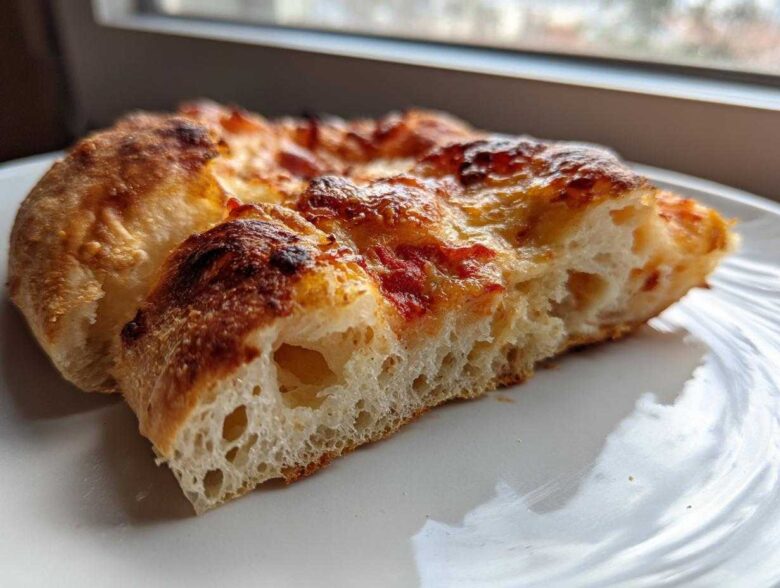
Oh, the sourdough discard dilemma! We all know the feeling—you fed your starter, it bubbled up into a beautiful, active beast, and now you’re left with that sad, tangy cup of leftovers staring you down. Please, don’t pour it down the sink! I’ve been managing my starter, affectionately named ‘Bubbles,’ for years, and I realized the absolute best way to handle that inevitable waste is through the magic of weeknight pizza.
This recipe for sourdough discard pizza dough is my ultimate secret weapon. Forget waiting 24 hours or nurturing a secondary rise; this dough comes together in about ten minutes of active work, making it perfect for those super busy evenings. You get that fantastic, complex flavor from the discard, but with baking powder doing the heavy lifting, you get an amazing chewy and crispy texture almost instantly. Trust me, this is the no-waste solution you’ve been searching for!
Why This Quick Sourdough Discard Pizza Dough Works (No Long Fermentation Needed)
I know what you’re thinking: pizza dough needs hours to rise, right? Nope! Not when we’re making sourdough discard pizza dough for a weeknight emergency like this. The real magic here is that we lean on chemical leaveners instead of the long, slow work of extra yeast.
Because we’re using unfed discard, we don’t have a super active yeast culture ready to go. So, I sneak in baking powder. This is what gives us that immediate lift, turning it into a legitimate quick sourdough discard crust without the wait. It’s totally yeast-free, which is awesome because you don’t need to worry about proofing times at all. This truly is the best recipe for no yeast pizza dough sourdough when you need dinner fast!
If you want to see some other tasty things you can whip up while you’re baking, check out some of my general baking tips over on the blog!
Gathering Ingredients for Your Sourdough Discard Pizza Dough
Okay, gather your supplies! Because this is a quick recipe, you don’t need a long list of fancy things, but sticking exactly to these measurements guarantees you get that killer discard pizza crust recipe flavor and texture we are aiming for.
Here is what you need for two decent-sized pizzas. Yes, you must measure these things; baking isn’t a place to guess, especially when we are trying to get that lovely sourdough discard pizza result!
- 150g sourdough discard (unfed starter)
- 180g all-purpose flour
- 1 teaspoon salt
- 1 teaspoon baking powder
- 1 tablespoon olive oil
- 60ml warm water (adjust as needed)
Ingredient Clarity for the Best Sourdough Discard Pizza Dough
I can’t stress this enough: that 150 grams of discard *must* be unfed starter—the stuff sitting in your fridge that looks really liquidy, not the beautiful, bubbly top layer you just spooned off. Making sure you use the right discard is crucial for a successful sourdough discard pizza dough.
Also, when I say warm water, I mean comfortably warm to the touch, maybe 100°F (38°C). Too cold and the dough won’t mix right, and definitely not hot, or we’ll kill any trace natural bacteria and mess with the baking powder action! This attention to detail is key when making pizza dough from starter leftovers, trust me.
Step-by-Step Guide to Making Sourdough Discard Pizza Dough
Alright, this is where the action happens! Getting that beautiful, slightly tangy flavor locked into your easy sourdough pizza dough is surprisingly fast. We are aiming for something that handles like a dream but bakes up crispy. Pay close attention to the initial mixing stage, because we absolutely do not want to develop too much gluten too early.
First, dump all your dry ingredients—that’s the flour, salt, and the crucial baking powder—into a bowl with your wet ones: the sourdough discard and the olive oil. Mix it all together with a spatula or wooden spoon until it just barely comes together. I mean it, *just combined*! If you see dry flour patches, that’s fine. If you mix this until it’s perfectly smooth now, you’ll end up with tough, difficult dough later. We want a shaggy mess at this point.
Next, we slowly add that warm water. Drizzle it in a little bit at a time while you keep folding everything together until you have what looks like a rough, messy ball. Now, turn that dough out onto a lightly floured surface. It’s time for a very quick workout. If you want to see a truly amazing meatless recipe to pair with your pizza night, pop over and check out my creamy mushroom stroganoff!
Kneading and Resting the Sourdough Discard Pizza Dough
This kneading part is brief but important for developing the structure you need for a great crust. You need to work that dough for about three to five minutes. You’re looking for it to transition from bumpy and dry to smooth and elastic in your hands. It should feel slightly tacky but not stick all over you.
But here’s the absolute non-negotiable step, whether you want a chewy sourdough discard crust or a thin-and-crispy one: you must let the dough rest for 15 minutes after kneading. Seriously, cover it with a clean bowl or a tea towel. This rest lets the gluten relax. If you try to shape it now, it will just fight you and shrink back immediately. Giving it that 15 minutes makes shaping so much easier, guaranteeing a better final sourdough discard pizza dough result.
Shaping and Baking Your Crispy Sourdough Discard Pizza
Okay, the dough is rested and feeling cooperative—what a win! Now we get to the best part: turning this into actual pizza! Since we are aiming for that fantastic, slightly charred, crispy sourdough discard pizza experience, oven heat control is your main mission. You need high heat to get that nice oven spring and the crunch you crave.
Get that oven cranked up to 475 degrees Fahrenheit, or 245 Celsius if you’re metric! If you have a pizza stone or baking steel, put it in *now* so it gets scorching hot while the oven preheats. That transfer of heat is what makes the bottom of your sourdough discard pizza dough so much better than just baking on a sheet pan.
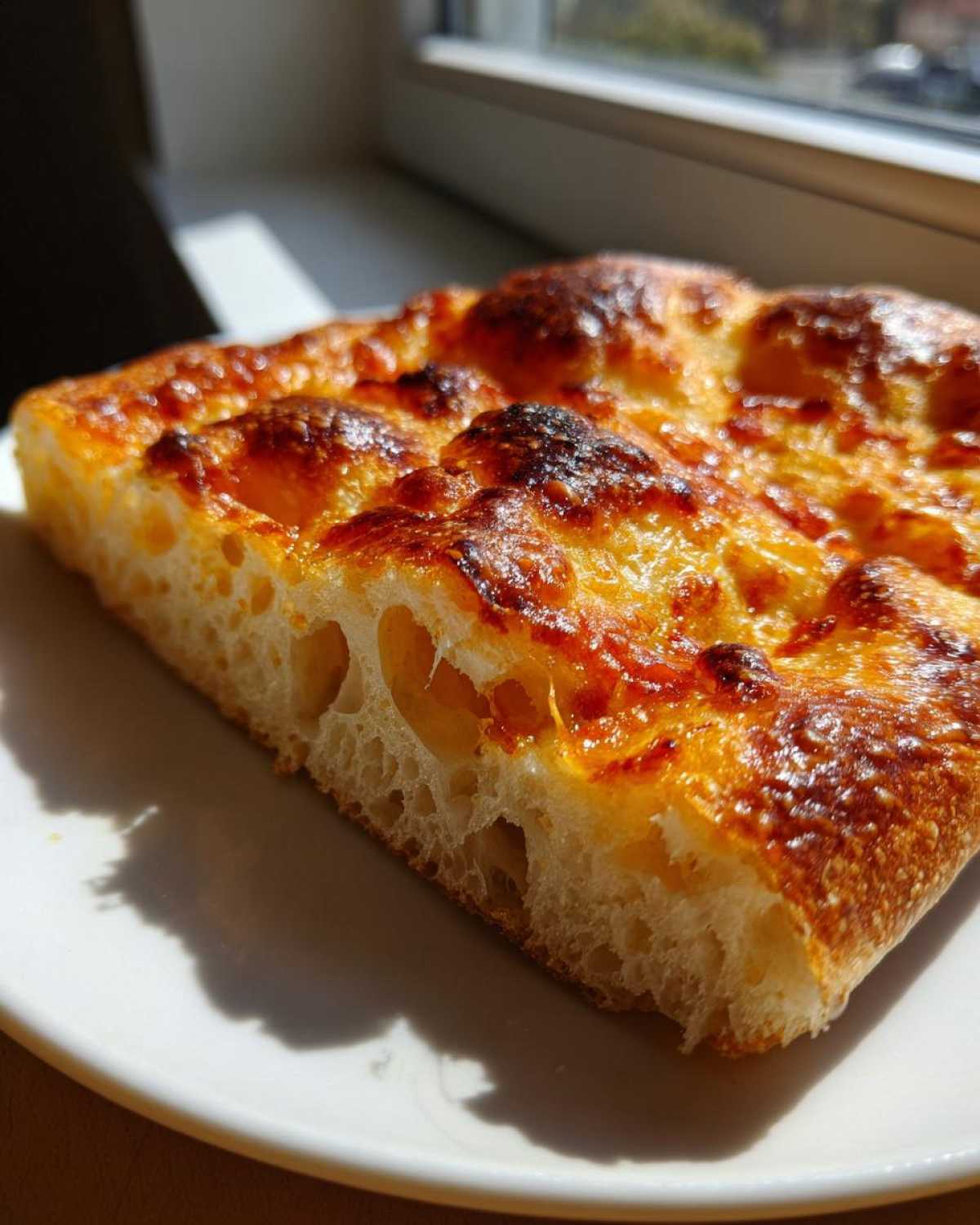
Once your dough has rested, you can either leave it as one big lump for a huge family pizza or divide it in half. I usually split mine for two medium pizzas; that seems to fit my oven best. Now, the shaping process directly affects the final texture we talked about!
If you want that extreme crunch, you have to stretch it thin. I mean, *thin*. Don’t be afraid to see your counter pattern through the dough slightly, especially toward the edges, because that thinness ensures the dough dries out perfectly in that high heat. If you want some ideas for fun toppings that aren’t boring, you absolutely have to check out my recipe for buffalo cauliflower nachos—you can totally steal those flavors for pizza!
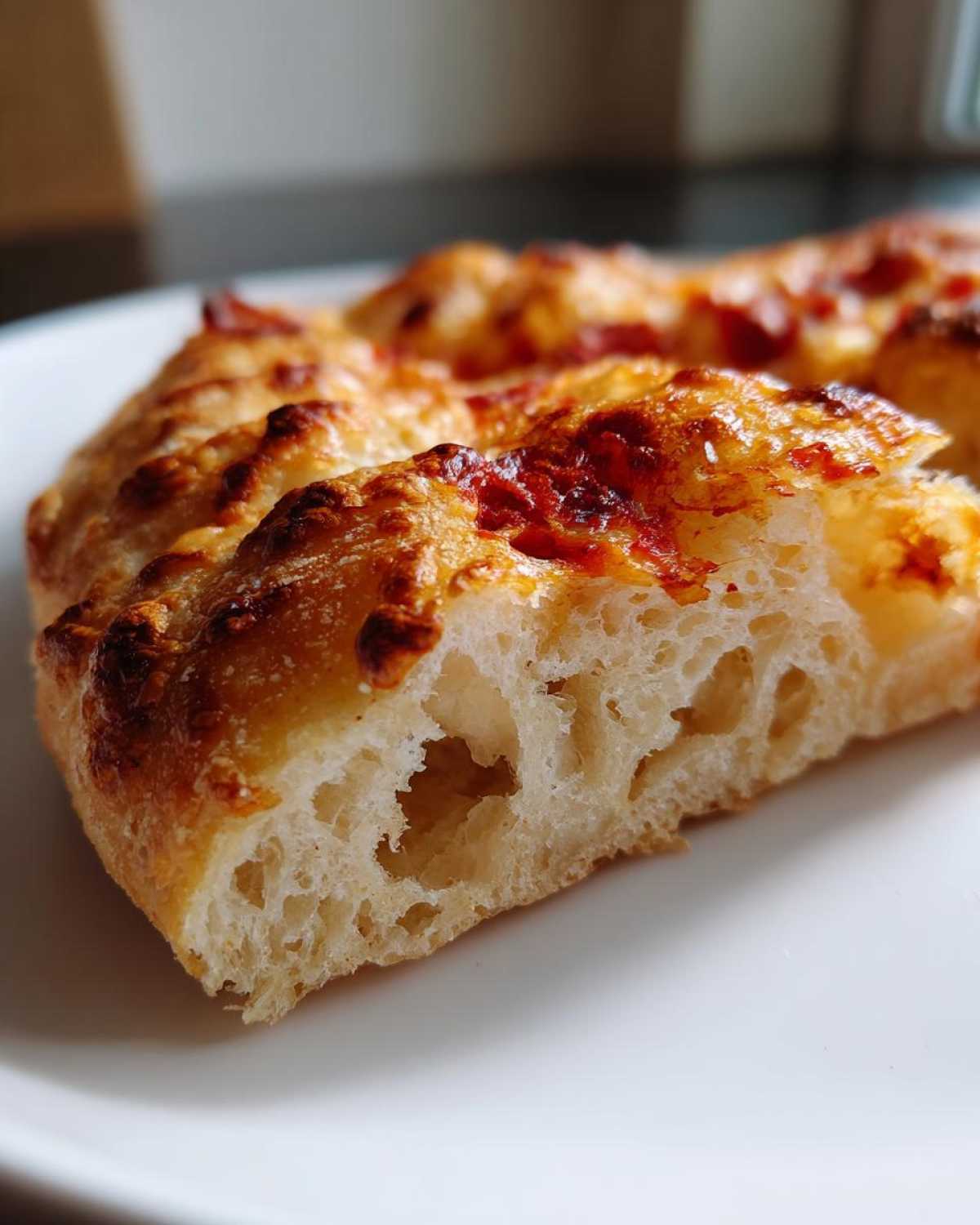
Sauce it fast, load up your toppings, and slide that bad boy onto your hot stone or baking sheet. You’re looking at about 10 to 15 minutes. Keep an eye on it after the 10-minute mark; you want that cheese bubbling and the edges of your sourdough discard pizza to be deeply golden brown. Good luck, and get ready for some quick, flavorful pizza!
Tips for the Perfect Chewy Sourdough Discard Crust Texture
So, we talked about stretching it paper-thin for that ultra-crispy result in the last section. But honestly, sometimes you just want that classic, satisfying chewiness you get from a great restaurant pie, right? That’s totally doable even with our lightning-fast sourdough discard pizza dough!
The secret to transforming this quick dough into a wonderfully chewy sourdough discard crust is all about a little patience during the resting phase and how you handle the dough right before baking. You can’t wait 24 hours, but you can certainly wait 15 more minutes!
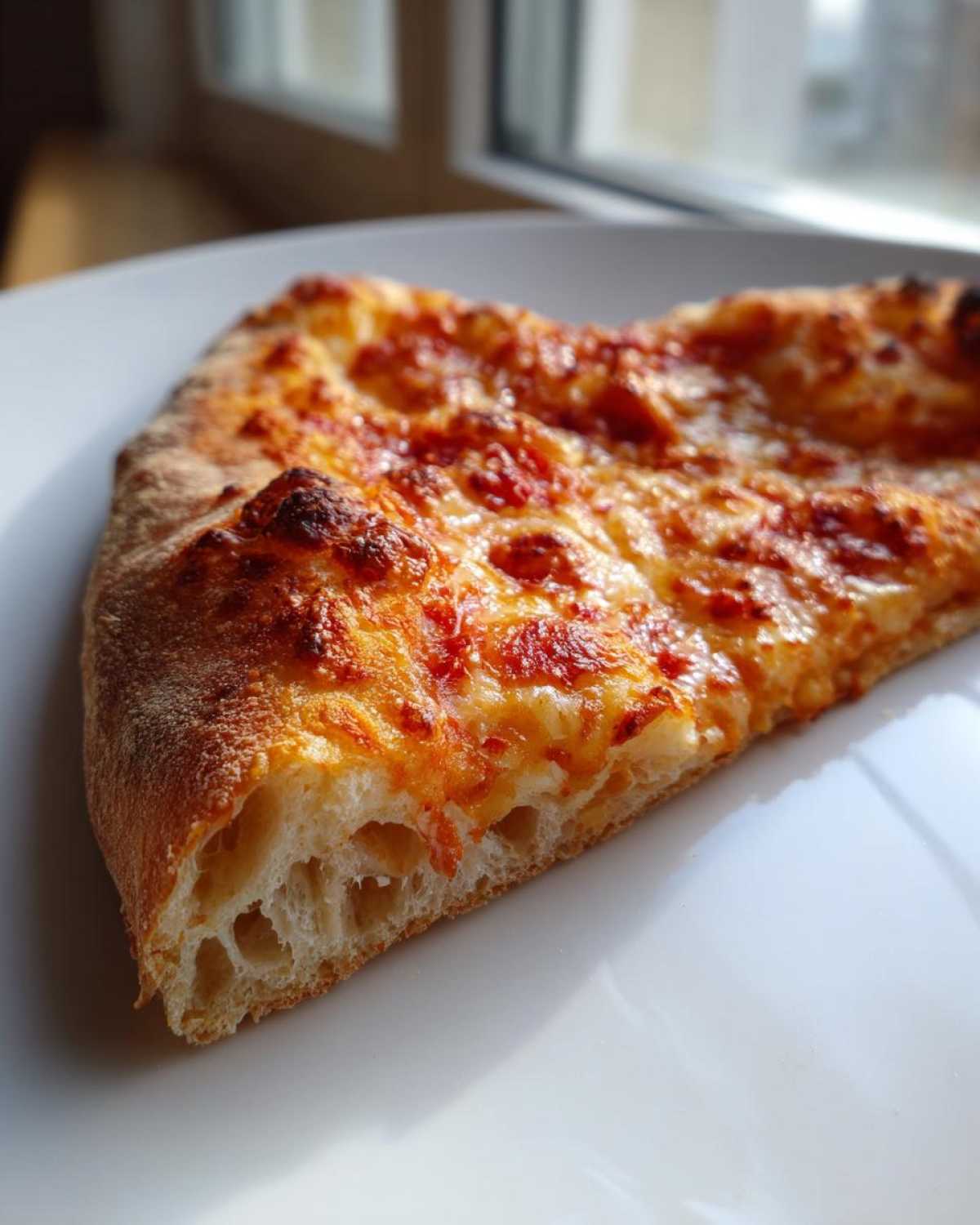
If chew is your goal, skip cutting the dough in half; use the whole batch for one large, slightly thicker pizza. When you shape it, avoid pressing the dough until it’s practically see-through. Work it with your fingertips, leaving a slightly thicker rim for that bubbly edge, or *cornicione*, as the fancy people call it.
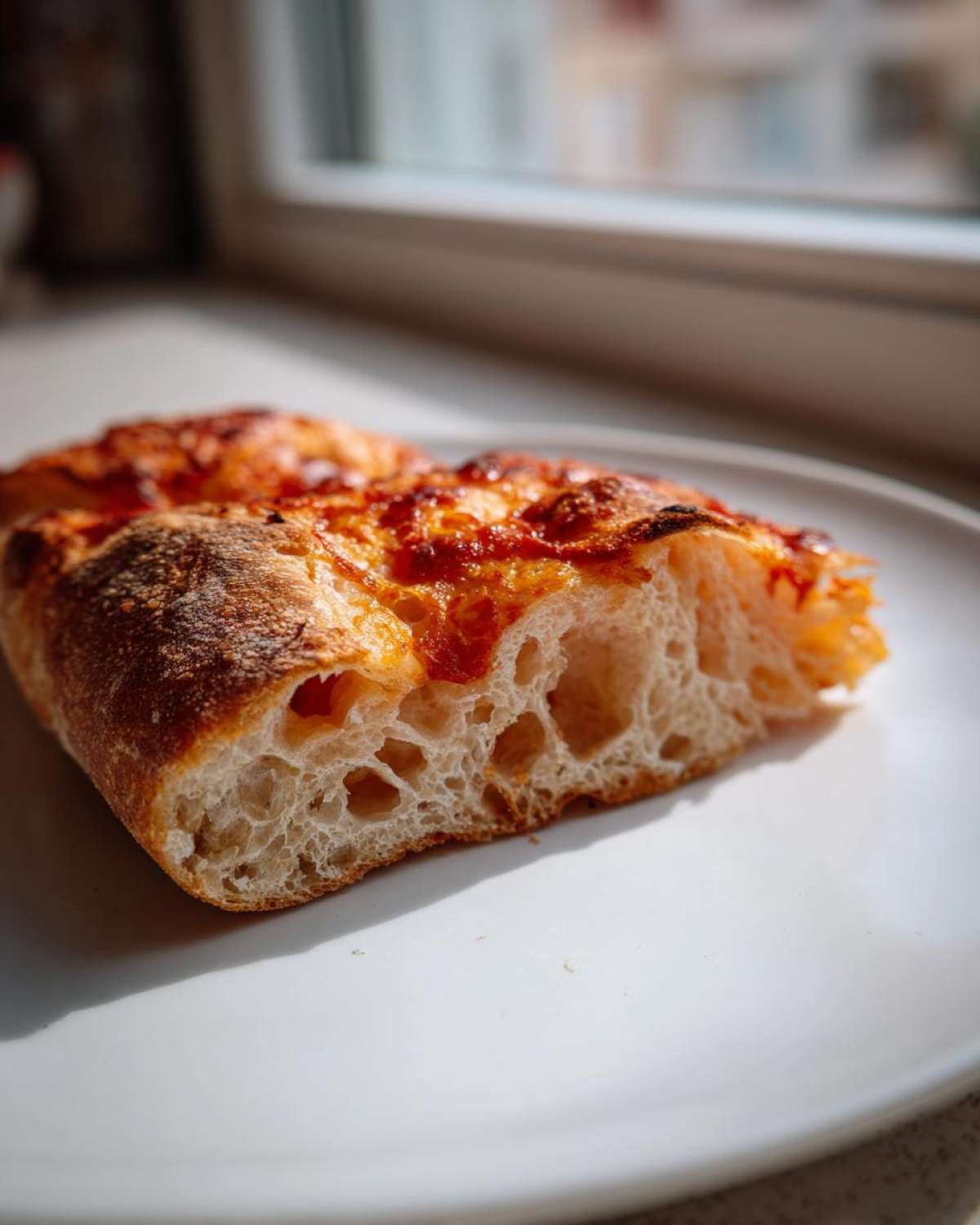
Also, remember that 15-minute rest we talked about? If you want maximum chew, let that dough hang out for 30 minutes covered on the counter instead. That extra 15 minutes of relaxation lets the gluten strands loosen up just enough so that when you stretch it gently, it springs back less aggressively and holds a bit more height during the bake. This gives you that soft, pillowy interior structure.
Another small trick that works wonders for a softer bite is using slightly less water than you think you need during the initial mix. A slightly drier dough—one that feels almost like it *needs* more water but doesn’t quite get it—tends to bake up chewier once it hits that high heat.
If you are looking for something sweet to make for breakfast or dessert next time, my cinnamon apple baked oatmeal cups are divine and use up flour and butter that might otherwise sit around! But for tonight, enjoy that perfect chew on your homemade pizza!
Ingredient Notes and Substitutions for Pizza Dough from Starter Leftovers
I get so many messages asking if they can cheat on this recipe, and honestly, when you’re working with sourdough discard pizza dough, sometimes you need to swap things around based on what you have on hand. Since this isn’t a long-fermented sourdough, we have a little more wiggle room than usual!
What about flour? I used all-purpose flour because it’s easy to find and gives a great balance of chew and crisp. If you want to use bread flour, go ahead! It has higher protein, so it will give you a chewier crust, but you might need an extra tablespoon of water because bread flour absorbs liquid like a sponge. Just watch the dough as you mix it and stop adding water when it starts to feel smooth.
Now, the big question: What if I’m out of baking powder? Trust me, I’ve had that panic moment when I need to use up my pizza dough from starter leftovers, and the baking powder tin is empty. Since we are relying on baking powder for our lift in this quick sourdough discard crust, you really need a substitute here.
If you have baking soda *and* an acid (like lemon juice or vinegar), you can substitute. Typically, you’d use 1/4 teaspoon of baking soda paired with 1/2 teaspoon of cream of tartar to equal 1 teaspoon of baking powder. But honestly, for simplicity and guaranteed results in this recipe, just run to the store for the baking powder if you have to. It’s worth the trip for this excellent discard pizza crust recipe.
Olive oil is pretty straightforward. If you don’t have olive oil, any neutral oil like canola or vegetable oil will work fine structurally, though you will lose just a tiny bit of that Mediterranean flavor profile. Keep the oil quantity the same, though; it helps keep the dough tender!
If you’re looking for a no-bake idea for when you’re tired of using the oven, you have to try my toasted coconut chocolate bars. Sometimes you just need a sweet, simple project!
Storage and Reheating Instructions for Homemade Pizza Crust Starter Dough
This recipe is a lifesaver for planning ahead, making that weeknight sourdough pizza dream a reality! One of the best things about this particular sourdough discard pizza dough is that you don’t have to use it all right away. You can prep the dough, get it kneaded, and stow it away for an emergency pizza night later in the week.
If you have extra dough after portioning out what you need, wrap the remaining ball tightly in plastic wrap or place it in an airtight container. You can safely keep your homemade pizza crust starter dough in the refrigerator for up to three days. That’s right, up to 72 hours! The cold temperature just slows everything down, but that small amount of natural tang from the discard develops a little bit deeper flavor while it rests.
Now, when you pull that cold dough out, you absolutely cannot stretch it right away. If you try, it’s going to be stiff, tight, and it will snap back on you like a rubber band! You need to let it warm up and relax first. I usually aim to take the dough out of the fridge about an hour before I plan on baking.
Leave it wrapped on the counter while it comes up to room temperature. This gentle warming is key. Once it’s relaxed, you’ll find it’s soft, pliable, and easy to stretch into whatever shape you need for your quick crust. It bakes up just as beautifully as if you had made it fresh!
For those of you who like to prep things while blending up smoothies, don’t forget to check out my recipe for a fantastic peanut butter mocha protein smoothie later; it’s the perfect recovery drink after all that shaping!
Common Questions About Using Sourdough Discard for Pizza
Whenever I put out a recipe this simple and crucial for my no waste sourdough journey, I always get a flurry of fantastic questions in the comments! That’s the beauty of baking—we all have slightly different starters and kitchen setups. I’ve collected a few of the most frequent ones about making sourdough discard pizza dough right here so you can bake with total confidence.
Can I skip the baking powder and add commercial yeast instead?
That’s a common thought, particularly if you’re used to traditional pizza dough recipes! Since this recipe is engineered to be super fast and completely bypass the long fermentation process, the baking powder is doing critical work to give you lift right away. If you want to stick to the spirit of a no yeast pizza dough sourdough, you absolutely should use the baking powder.
Now, if you *really* want to add yeast, you certainly can. But if you add yeast, you’re moving away from the ‘quick’ result we promised. If you add a teaspoon of active dry yeast, you’ll need to let the dough rise in a warm spot for at least an hour until it doubles. If you skip the yeast *and* skip the baking powder, your crust will be incredibly flat—think cracker-style—because you’ll only have the small amount of natural lift from the discard. Stick to the baking powder for that classic quick sourdough discard crust!
What’s the bare minimum amount of sourdough discard I need for this recipe?
This recipe is perfectly scaled for 150 grams of unfed discard. That’s typically what you have left over after refreshing a 100g starter (by feeding it 50g flour and 50g water, then spooning the 100g off for baking). You need that 150g because it provides the bulk of the flavor and handles the hydration balance against the flour.
If you only have, say, 100g of discard, you can scale the entire recipe down by one-third. But I wouldn’t recommend going much lower than that, especially if you want a sturdy dough that yields two decent-sized pizzas. This measurement is perfect for turning pizza dough from starter leftovers into a satisfying meal!
Can I swap the all-purpose flour for whole wheat or bread flour?
Oh, yes, you can absolutely experiment with your flour choices when making sourdough discard pizza! The recipe calls for all-purpose because it’s a reliable middle-ground that gives you a little bit of everything: softness, structure, and chew.
If you use 100% bread flour, you’ll get a slightly tougher, chewier crust—which is great if that’s what you love! Just watch your water content; bread flour is thirstier. My best advice for swapping is to replace half the all-purpose flour with your whole wheat or bread flour first, and see how the dough feels before adding that last bit of warm water. This keeps us on track for our easy sourdough pizza dough goal!
Why is my raw dough so sticky even after kneading?
This is so frustrating, but it’s actually a common side effect of using unfed discard! Since discard is lower in acidity and sometimes more dilute than actively fed starter, it means the hydration level can feel very high. Don’t panic and dump in a half cup of extra flour, or you’ll end up with tough **sourdough discard pizza dough** later.
If your dough is just slightly tacky (you can touch it without getting residue all over your hand), you’re fine! Add a very small, light dusting of flour to your hands and the surface, and work it for one more minute. Then, *make sure* you let it rest for the full 15 minutes! That rest time lets the flour absorb that surface moisture. If it’s still an absolute glue ball after resting, add just a *tiny* bit more flour (a tablespoon max) and knead it gently again, then let it rest again.
If you are looking for another sweet way to use up ingredients, you have to check out my recipe for salted honey caramel brownies for dessert!
Next Steps After Making Your Sourdough Discard Pizza
I hope this recipe has revolutionized your weeknights and finally helped you put a satisfying dent in that sourdough discard jar! Seriously, turning leftovers into such a fantastic, flavorful sourdough discard pizza is one of my favorite kitchen hacks.
When you finish baking your pizzas—whether you nailed that thin, crispy edge or went for that thick, chewy sourdough discard crust—I want to see it! Snap a picture and tag me on social media, or drop a quick review right here on the post. Knowing that this quick sourdough discard crust saved your dinner plans is the best feeling for me!
If you’re already planning your next baking adventure, maybe check out my post on almond butter banana ice cream to cool down after that hot oven session!
PrintQuick Sourdough Discard Pizza Dough for Chewy Crust

Make a flavorful pizza crust using your sourdough discard. This recipe requires no long rise time, making it perfect for a weeknight meal.
- Prep Time: 10 min
- Cook Time: 15 min
- Total Time: 25 min
- Yield: 2 medium pizzas
- Category: Dinner
- Method: Baking
- Cuisine: American
- Diet: Vegetarian
Ingredients
- 150g sourdough discard (unfed starter)
- 180g all-purpose flour
- 1 teaspoon salt
- 1 teaspoon baking powder
- 1 tablespoon olive oil
- 60ml warm water (adjust as needed)
Instructions
- In a medium bowl, combine the sourdough discard, flour, salt, and baking powder. Mix until just combined.
- Add the olive oil and slowly mix in the warm water until a shaggy dough forms.
- Turn the dough out onto a lightly floured surface. Knead for 3 to 5 minutes until the dough is smooth and elastic. Do not over-knead.
- Let the dough rest for 15 minutes. This allows the gluten to relax.
- Preheat your oven and pizza stone (if using) to 475 degrees Fahrenheit (245 degrees Celsius).
- Divide the dough in half for two medium pizzas, or use all for one large pizza.
- Shape the dough to your desired thickness. For a crispier edge, stretch it thin.
- Top the dough with your sauce and toppings.
- Bake for 10 to 15 minutes, or until the crust is golden brown and the cheese is bubbly.
Notes
- For a crispier sourdough discard pizza, roll the dough very thin before baking.
- If you prefer a chewier discard pizza crust, let the dough rest for 30 minutes before shaping.
- This recipe uses baking powder for lift, allowing you to skip the long fermentation associated with traditional sourdough pizza dough.
Nutrition
- Serving Size: 1/2 pizza
- Calories: 350
- Sugar: 1
- Sodium: 450
- Fat: 6
- Saturated Fat: 1
- Unsaturated Fat: 5
- Trans Fat: 0
- Carbohydrates: 65
- Fiber: 2
- Protein: 10
- Cholesterol: 0