

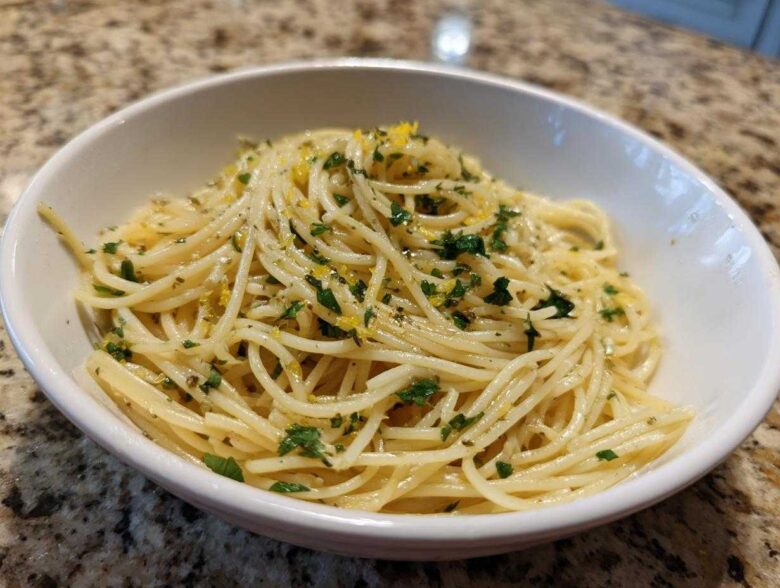
When life gets hectic, I always turn to the sheer, glorious simplicity of authentic Italian cooking, and nothing beats a perfect **Olive Oil Pasta** dish. Forget those heavy, cream-laden recipes for a minute; we’re talking about food that sings with just three or four pure ingredients. My goal isn’t just to feed you—it’s to show you the technique behind making those few components taste like a million bucks. This classic spaghetti preparation proves that when you respect quality olive oil and master the emulsification trick, you create a sauce that clings beautifully to every strand of pasta. It’s fast, it’s inherently light, and honestly, it’s the most honest cooking I know. If you want to see how a little bit of heat and some starchy water can transform your dinner tonight, stick around! You can find more simple, honest recipes over at my main cooking space here: my blog page.
Why This Classic Olive Oil Pasta Recipe Works So Well
What makes this so much better than just drizzling oil over noodles after you drain them? It’s all about intention and texture, seriously. When you take the time to gently bloom the garlic and chili in the oil, you concentrate those incredible baseline flavors. That’s the secret sauce right there!
Quick Weeknight Pasta Ideas
If you’re staring into your pantry at 6 PM wishing dinner would just materialize, this is your answer. From boiling water to serving, you are looking at maybe 20 minutes max. Trust me, there’s no better quick weeknight pasta idea when you want something satisfying but light.
The Magic of Emulsification in Olive Oil Pasta Sauce
This is the game-changer. When you combine the hot olive oil mixture with the starchy pasta water and toss it like crazy, the starch prevents the oil and water from separating. Instead, you create a light, satiny sauce that truly coats the spaghetti. That vigorous mixing is the non-negotiable garlic and olive oil pasta technique!
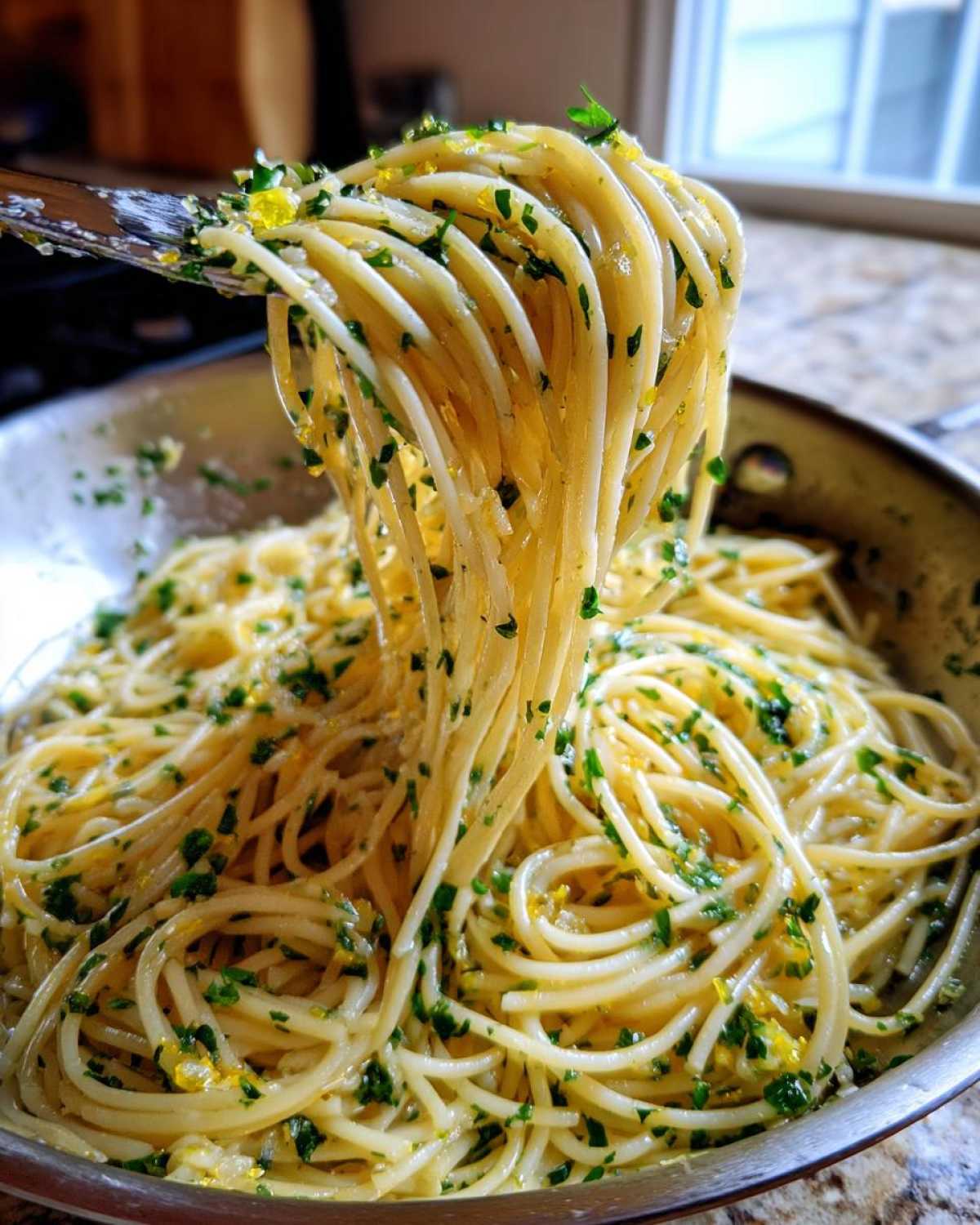
Ingredients for the Best Olive Oil Pasta
Okay, for this **Olive Oil Pasta**, the ingredient list is short, which means every single item needs to be the best quality you can manage. Seriously, since the oil is the star, don’t skimp on the EVOO! I’ve listed only what you absolutely need below to keep in line with that classic Italian simplicity.
- 1 pound spaghetti
- 1/2 cup extra virgin olive oil
- 6 cloves garlic, thinly sliced
- 1/2 teaspoon red pepper flakes (or to taste)
- 1/2 cup fresh parsley, chopped
- Zest of 1 lemon
- Salt to taste
- Black pepper to taste
- 1 cup pasta water, reserved
Ingredient Notes and Substitutions
I cannot stress this enough: use a good extra virgin olive oil. If it tastes bitter or dusty on its own, so will your pasta. If you happen to like a little richness, you *can* stir in about 1/4 cup of grated Parmesan cheese right at the end—just know that makes it non-vegan. For crunch, my favorite addition is topping it with fresh, oven-toasted breadcrumbs, which Italians call *pangrattato*!
Step-by-Step Instructions for Olive Oil Pasta
Listen up because timing is everything when you’re dealing with garlic and hot oil. We need fragrant garlic, not fast-food chipotle garlic, okay? We’ll move quickly once the pasta hits the pan, so follow these steps precisely. Remember to get your spaghetti going first, and please, please make sure that starchy water is saved—it’s gold dust for this sauce!
Preparing the Pasta and Garlic Base
You cook that spaghetti until it’s just *al dente*; it needs a little fight left in it since it’s going back in the heat for a final toss. While it’s boiling, get that big skillet going with your half-cup of olive oil over medium-low heat. Add your thinly sliced garlic. You want to coax the flavor out slowly; if you see brown spots too fast, turn the heat down immediately! Once it’s pale golden and smelling wonderful, throw in those red pepper flakes for just 30 seconds, then pull the whole thing off the heat so it doesn’t scorch while you drain the noodles.
Creating the Light Olive Oil Pasta Sauce
Now for my favorite part—the action! Dump the drained spaghetti directly into that warm skillet of flavored oil. Immediately splash in about half a cup of that reserved, hot pasta water. Grab your tongs and *toss, toss, toss*! You have to be vigorous here; this is not the time for gentle stirring. You are forcing that starch and oil to become one beautiful, creamy coating. If it looks dry, add another splash of water until everything is perfectly slick. If you want to quickly try making some amazing bread to mop up the sauce later, check out this naan recipe, but only if you save that water first!
Tips for Perfecting Your Olive Oil Pasta Technique
Listen, the difference between a stunning **Olive Oil Pasta** and a bowl of slippery noodles swimming in oil is just a couple of temperature tricks. First, never add the pasta water when the skillet is on high heat after you’ve added the oil and garlic. If the heat is too high, the water just flashes off, and you’re left with separated oil, which is just sad. Medium-low heat is your friend when blooming the garlic!
Second, when you toss, you need to commit! The vigorous action is what forces the sauce together. If you think it looks ready, toss it for 20 more seconds. Finally, season right at the end, after the pasta water has done its work. You want to taste the pure flavor profile of the garlic, lemon, and quality oil first. If you want some other inspiration on nailing textures, I have a great guide on making fluffy scones here: my buttermilk scone recipe, just to show you how technique rules everywhere!
Simple Olive Oil Pasta Recipe Variations
Once you master that baseline Aglio e Olio—which is really just the foundation of all great **Olive Oil Pasta**—you’ve got a license to play! This is where the dish evolves from a quick emergency meal to a full chef’s dinner. You can introduce so many levels of flavor without ever resorting to a heavy tomato sauce. Think of the garlic-infused oil as your flavor canvas, and now we get to paint on it a little! Lots of **Pasta Aglio e Olio variations** are totally valid if they follow that core emulsification rule.
Adding Protein to Your Olive Oil Pasta
If you need something more substantial, don’t go for heavy meats. I love tossing in some raw, peeled shrimp right when the pasta goes into the skillet; the residual heat cooks them perfectly pink in about two minutes. Canned tuna packed in oil is another unbelievable addition—just drain it, flake it in, and toss it with the parsley for instant substance. Easy peasy!
Making a Vegan Pasta with Olive Oil Base
Good news: the basic recipe is naturally vegan, which is fantastic! But if you feel like you need a little *oomph*, try roasting some sweet cherry tomatoes separately until they just start to burst and sweeten up. Throw those roasted beauties and their juices into the skillet just before you add the pasta. The slight acidity and sweetness they release make the oil taste incredibly complex. If you’re looking for other simple, veggie-forward meals, you should check out this cheesy broccoli rice idea; it’s a total crowd-pleaser!
Storage and Reheating Instructions for Leftover Olive Oil Pasta
I love leftovers, but this **Olive Oil Pasta** acts a little weird in the fridge, I won’t lie. When it chills down, that beautiful emulsified sauce tightens right up, and it can get a little clumpy or greasy looking. Don’t panic and don’t throw it out!
When you reheat it, you absolutely must add a splash—maybe a tablespoon—of fresh water or even a tiny bit more olive oil to the skillet. Toss it over low heat until everything loosens up and becomes glossy again. It brings that fresh-sauce texture right back. If you’re looking for ideas for super quick make-ahead meals, check out this creamy seafood salad, which is perfect for packing!
Serving Suggestions for Light Pasta Dishes No Tomato Sauce
Since this is such a clean, bright dish focused completely on the garlic and lemon, you don’t want heavy sides weighing it down. We are leaning hard into that Mediterranean vibe here, so think fresh, crisp, and simple accompaniment. This is the perfect time to use up whatever good herbs you have wilting in the crisper drawer!
Honestly, the traditional Italian way is just to serve a fresh, lightly dressed green salad on the side. I keep the dressing super basic—just a squeeze of fresh lemon, a tiny drizzle of good olive oil, salt, and pepper. It cleanses the palate between bites of rich, spicy pasta. If you want a guaranteed winner that’s unbelievably crunchy and takes five minutes, you have to try this crunchy cabbage salad; it pairs shockingly well with the heat from the chili flakes.
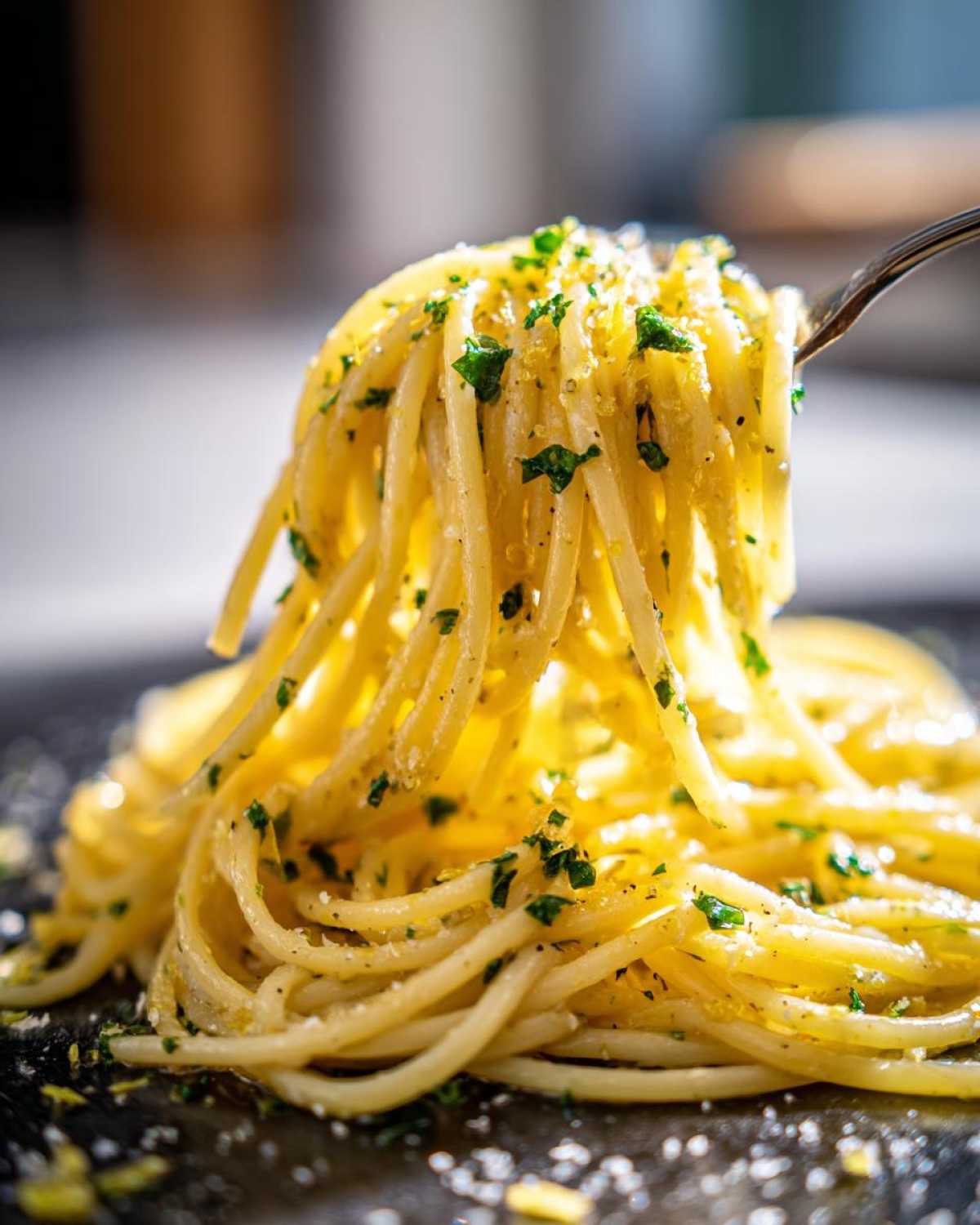
And you absolutely need something for mopping up those last little bits of garlic-infused oil left in the bowl. Crusty Italian bread is non-negotiable! Forget the fluffy white stuff; grab a good sourdough or a rustic baguette, toast it lightly, and get ready to wipe that plate clean. That’s the mark of a truly satisfying, light pasta dinner!
Frequently Asked Questions About Olive Oil Pasta
I know you might have a few lingering questions, especially if you’re new to relying on oil instead of tomato or cream bases. That’s totally normal! When you’re scaling back to just a few ingredients, technique becomes super important, and people tend to wonder about substitutions. I’ve pulled together the most common questions I get about whipping up a fantastic **Olive Oil Pasta**!
Can I make this a creamy olive oil pasta without adding cream?
Yes, absolutely! This is the fundamental trick that Italians have mastered. The creaminess doesn’t come from dairy; it comes from the starch in the pasta water mixed with the fat (the olive oil). When you toss that hot, starchy water with the oil and those parsley flecks, they bind together—that’s your emulsification. If you want it even creamier, just use a little less water at first, toss like mad, and only add more tablespoon by tablespoon until it looks glossy and coats the back of a spoon perfectly. It creates the most satisfying texture.
What is the best type of pasta shape for this olive oil pasta sauce?
For **simple olive oil pasta recipes** like this, you want a shape that grabs onto that slightly thicker, starchy liquid. Long strands are definitely the reigning champion here. Spaghetti is my go-to because it’s classic and the strands grab the oil beautifully all the way down. Linguine works just as well, and sometimes I even grab some fettuccine if I’m feeling fancy! Short pasta shapes like penne or rigatoni can work, but they tend to let the sauce pool at the bottom of the bowl rather than coating every surface, which is what we’re aiming for.
If you’ve tried this recipe and have other burning questions, or maybe just want to tell me how much you loved the lemon zest finish, please don’t hesitate to reach out; I love hearing from you over at my contact page!
Share Your Olive Oil Pasta Creations
Alright, you’ve made it! You’ve mastered the garlic bloom, you’ve tossed until your arm is tired, and now you have this gorgeous, shimmering, light **Olive Oil Pasta** in front of you. I really want to see what you came up with! Did you use the lemon zest? Did you try the toasted breadcrumbs on top? Don’t keep that success to yourself!
When you finish up, please take a quick second to leave those star ratings right below the recipe card. It genuinely helps other home cooks see that this simple dish is worth trying. If you snapped a photo, please share it! Tagging me on social media is the best way for me to see your delicious results. I promise I peek at every single one!
And hey, if you’re worried about the fine details or want to know more about my privacy standards while looking around, you can always check out my privacy policy. Happy cooking, and I can’t wait to see how you put your spin on this ultimate classic!
PrintClassic Spaghetti Aglio e Olio with Lemon Zest
A simple, quick Italian pasta dish where olive oil, garlic, and chili flakes create the primary sauce base, finished with fresh parsley and lemon zest.
- Prep Time: 10 min
- Cook Time: 15 min
- Total Time: 25 min
- Yield: 4 servings
- Category: Dinner
- Method: Stovetop
- Cuisine: Italian
- Diet: Vegan
Ingredients
- 1 pound spaghetti
- 1/2 cup extra virgin olive oil
- 6 cloves garlic, thinly sliced
- 1/2 teaspoon red pepper flakes (or to taste)
- 1/2 cup fresh parsley, chopped
- Zest of 1 lemon
- Salt to taste
- Black pepper to taste
- 1 cup pasta water, reserved
Instructions
- Cook the spaghetti in salted boiling water according to package directions until al dente. Before draining, reserve at least 1 cup of the starchy cooking water.
- While the pasta cooks, heat the olive oil in a large skillet over medium-low heat.
- Add the sliced garlic to the oil. Cook slowly, stirring often, until the garlic is fragrant and light golden brown. Do not let it burn. This should take 3 to 5 minutes.
- Add the red pepper flakes to the oil and cook for 30 seconds more. Remove the skillet from the heat.
- Drain the pasta and immediately add it to the skillet with the garlic oil mixture.
- Add about 1/2 cup of the reserved pasta water and toss vigorously. The starch in the water and the oil will emulsify to create a light sauce that coats the pasta. Add more water if the sauce seems too dry.
- Stir in the chopped parsley and lemon zest. Season with salt and pepper. Toss again to combine everything well.
- Serve immediately.
Notes
- Use high-quality extra virgin olive oil for the best flavor, as it is the main component of the sauce.
- For a richer texture, add 1/4 cup of grated Parmesan cheese at the end, though this makes the dish non-vegan.
- Toasted breadcrumbs (pangrattato) make an excellent crunchy topping.
Nutrition
- Serving Size: 1 serving
- Calories: 550
- Sugar: 2
- Sodium: 350
- Fat: 25
- Saturated Fat: 3
- Unsaturated Fat: 22
- Trans Fat: 0
- Carbohydrates: 70
- Fiber: 4
- Protein: 15
- Cholesterol: 0