

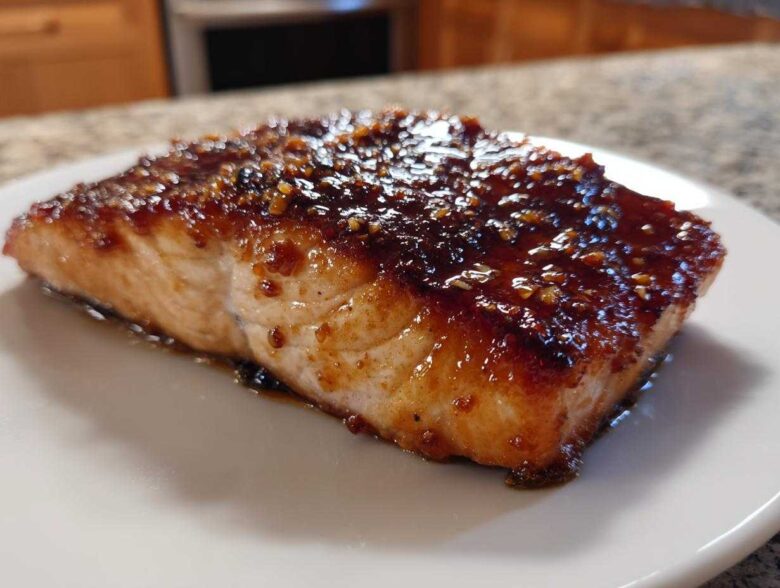
Okay, listen up, because I cracked the code. You know how sometimes salmon comes out lovely, but it’s just… fine? Well, forget fine! I’m sharing the recipe that’s going to be all over your feed next year: the **Viral Honey Garlic Salmon: The 2026 Secret to Flaky Fish**. I spent way too many nights in my kitchen trying to figure out how to get that restaurant-quality, fall-apart texture without drying it into fish jerky. Seriously, I almost gave up on salmon entirely!
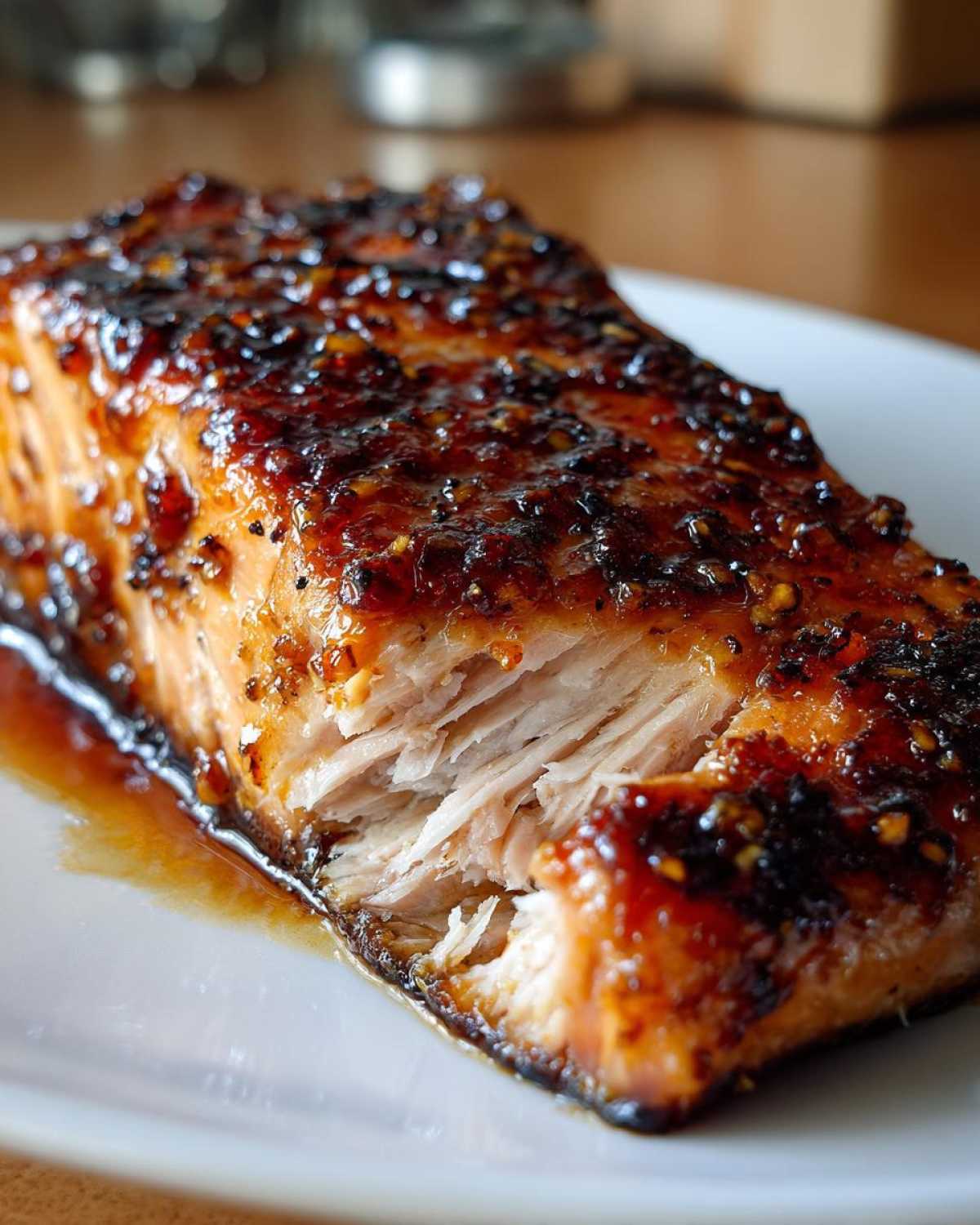
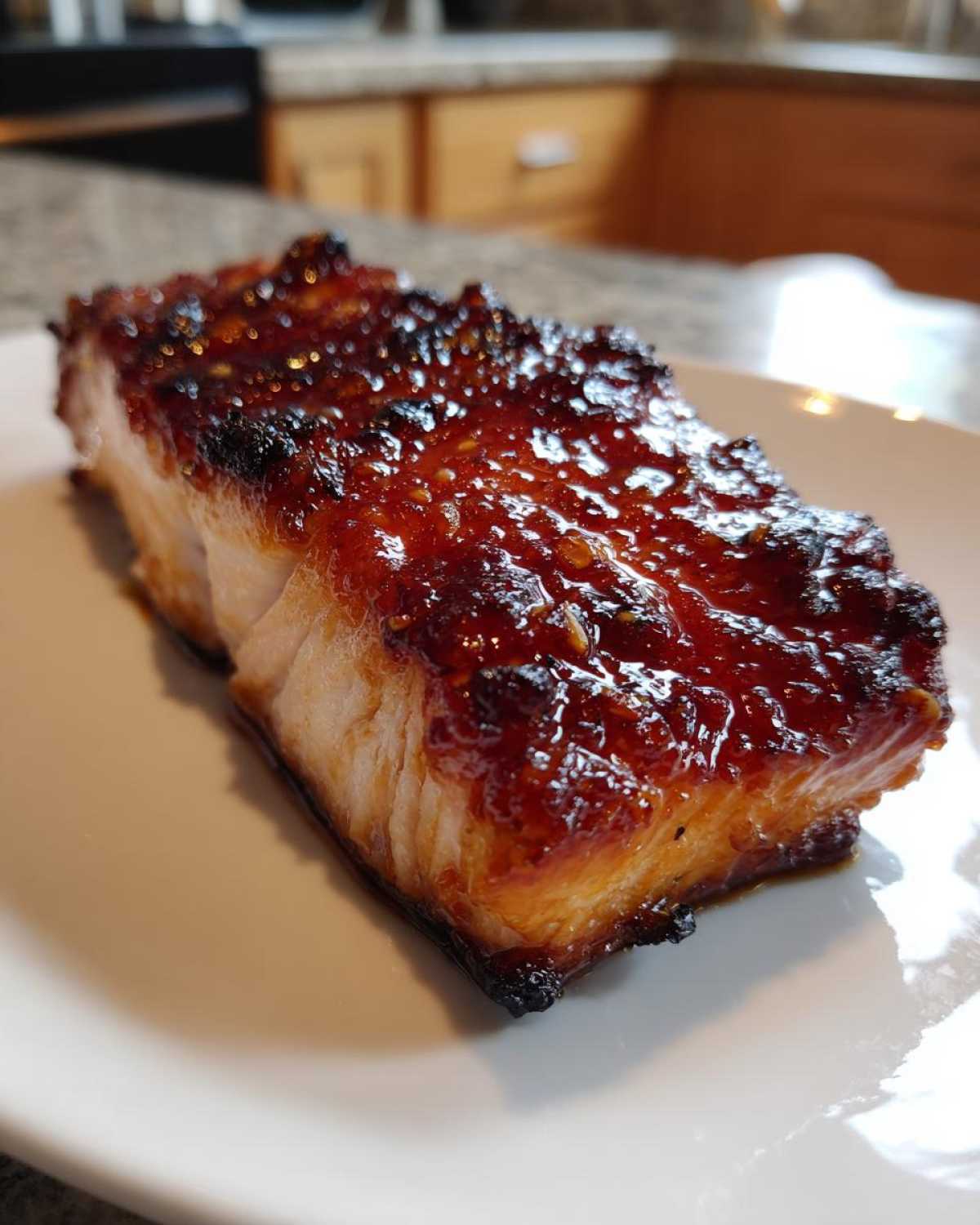
But I found the trick—it’s all in the two-step glazing and cooking process. This isn’t just another sweet fish, trust me. This dish delivers a sticky, sweet-and-savory glaze that caramelizes beautifully on the edges while keeping the inside unbelievably moist. You need this recipe for your next **quick weeknight salmon dinner** because it’s ready faster than you can decide what to watch!
Why This Viral Honey Garlic Salmon Recipe Guarantees Flaky Fish
I know, I know, everyone promises flaky fish, but this one actually delivers. My obsession with perfecting salmon texture led me down a rabbit hole, and I finally figured out what makes salmon flaky and tender without being undercooked. It’s a balance of moisture control and heat management. This viral recipe is magic because we treat the fish gently but aggressively caramelize the outside.
- We start by patting the fillets super dry. Seriously, get all that surface moisture gone—that’s step one for crispiness and non-soggy fish!
- The two-stage glazing process keeps the raw honey from burning off too early, meaning the protective layer sets just before the fish is done.
- We use high heat, but only for short bursts, which coaxes those lovely flakes apart perfectly.
The Secret to Achieving Viral Honey Garlic Salmon Texture
The biggest game-changer here is the timing of the glaze. We bake it for 10 minutes naked, so to speak. That initial bake sets the structure of the fish before we smother it in sugar (honey). Re-glazing halfway through traps the moisture inside perfectly. When you pull it out the second time, it’s just seconds away from perfection. You pull it out right before it’s ‘done’ and finish with that quick broil! That’s the *viral* trick!
Gathering Ingredients for Your Viral Honey Garlic Salmon
You won’t need a giant grocery list for this, which is why it’s such a great **easy honey garlic salmon recipe**. Everything comes together in one sheet pan, minus the tiny bowl for the glaze, of course. Remember, quality ingredients make a difference, especially with something as naturally delicious as salmon!
We only need four fillets, about 6 ounces each, so plan accordingly. Grab some decent olive oil for rubbing—we don’t want the fish sticking to that parchment paper, even though it helps tremendously.
Essential Components for the Sticky Glaze
The sauce is where the magic happens! You need the honey—use a real, liquid honey, not that crystallized stuff. Then we mix in your soy sauce, which you can swap for tamari if you’re keeping things gluten free, no problem there. Don’t forget the vibrant flavors: fresh minced garlic and a little kick from fresh ginger. That aromatic base is what makes the flavor pop!
Selecting the Right Salmon Fillets
When buying your salmon, try to get fillets that are roughly the same thickness. This is important when we need that precise cook time! If one piece is super thin and the other is thick, the thin one is going to dry out before the thick one even feels properly cooked. Aim for uniformity, my friends. That helps us nail that perfect flaky texture every time.
Step-by-Step Instructions for Viral Honey Garlic Salmon
This is where the timing matters most, but don’t stress! Because we’re using parchment, cleanup is going to be a breeze, making this a true **easy honey garlic salmon recipe**. We want efficiency without sacrificing texture. Make sure your oven is nice and hot at 400°F (200°C) before you start assembling the pan. I always line mine with parchment paper—it’s a lifesaver against sticky glazes! If you love one-pan meals like this salmon, check out my honey garlic chicken and broccoli for another easy dinner idea.
Preparation and Initial Glazing
First things first: grab those salmon fillets and pat them down with a paper towel until they feel completely dry on the surface. Moisture is the enemy of crispy edges, remember? Rub them lightly with a tiny bit of olive oil, then dust them with salt and pepper. Now, mix up your base glaze—honey, soy sauce, minced garlic, ginger, and that teaspoon of water—and brush *half* of that gorgeous mixture right onto the tops of the fish. Pop it into the hot oven for exactly 10 minutes.
Baking and Creating the Thickened Glaze
While that first 10 minutes is flying by, we jump right into making our glaze thicker and stickier. Take that remaining glaze—the stuff sitting in the bowl—and whisk in the cornstarch mixed with the apple cider vinegar until it’s perfectly smooth. See how that little bit of acid activates the cornstarch? That slight slurry is what gives us that restaurant-quality, shiny coat. Don’t overthink this part; just make sure there are no lumps hiding in there!
Final Glaze Application and Achieving Flaky Fish
Pull the pan out now! Carefully brush that thickened glaze mixture over the fillets. They just got their second coat! Return it to the oven for another 3 to 5 minutes. This is the critical stage where you check for flakiness. You are aiming for an internal temperature of 145°F (63°C). When you test it with a fork, it should flake apart effortlessly. If you want that incredible, bubbly brown edge, switch the oven to broil for just the last minute—but keep your eyes glued to it, or you’ll end up with burnt honey!
Tips for Success with Your Viral Honey Garlic Salmon
If you want to make sure you nail those amazing **flaky fish texture tips** every single time, I have a few things I always do. The number one enemy of flaky salmon? Overcooking! I mean it. Stick to that 13-minute mark for the total bake time if you have average fillets, and start testing then. Overcooked salmon tightens up and becomes chewy, not flaky.
Also, if you want those edges super crisp—almost like candy coating—set a wire rack *inside* your baking sheet before you place the salmon on it. That allows air to circulate underneath, which is key. And hey, if you’re short on oven time or just love an appliance hack, this entire recipe is fantastic in the air fryer! Just set that baby to 380°F (195°C) and give it about 10 to 12 minutes total. Check out my favorite air fryer salmon recipe notes for even more appliance insights!
Ingredient Notes and Substitutions for Honey Garlic Salmon
Let’s talk pantry swaps, because we all run out of things! If you’re keeping this strictly gluten free, swap out the regular soy sauce for tamari; it works perfectly in this **sticky glazed fish dinner**, just try to find a low-sodium version so the final dish isn’t too salty.
If you’re out of fresh ginger, that powdered stuff works in a pinch—maybe half a teaspoon. But watch the apple cider vinegar; if you substitute it with regular white vinegar, the glaze will taste much sharper. We need that subtle fruitiness to balance the honey!
Serving Suggestions for Your Sticky Glazed Fish Dinner
So, you’ve got this gorgeous, sticky salmon shining on the plate—now what? We need sides that are easy and won’t fight that sweet and savory flavor profile. Honestly, you’re aiming for something fresh or slightly earthy to cut the richness of the glaze. My go-to for a **sticky glazed fish dinner** is usually some perfectly roasted broccoli or asparagus. It’s quick, it roasts right alongside the salmon if you time it well, or you can try my favorite garlic parmesan green beans!
Simple steamed rice or fluffy quinoa is also a must. It soaks up any extra glaze dripping off the fish. You want the salmon to be the absolute star of your **quick weeknight salmon dinner**, so keep the supporting cast simple and bright!
Storage and Reheating Instructions for Leftover Viral Honey Garlic Salmon
Now, if you’re lucky enough to have leftovers of this amazing salmon—which, let’s be honest, is rare—you need to store it right. Keep it in an airtight container in the fridge for up to two days, tops. When you reheat it, please, please skip the microwave if you want to keep that flaky texture!
The best way is low and slow in a toaster oven or on a baking sheet at 300°F (150°C) for about five to seven minutes. This warms it gently so it doesn’t seize up. You can also add a tiny splash of water or broth to the pan before covering it with foil; that steam keeps things moist!
Frequently Asked Questions About This Quick Weeknight Salmon Dinner
I always get the same exact questions popping up when people try this recipe for the first time. It’s funny how everyone wants to know exactly what makes the fish so flaky! It really comes down to what we talked about—drying the fish and the two-step glazing. If you’re worried about prep time, don’t be; this is truly a **quick weeknight salmon dinner**!
Can I marinate the salmon before brushing on the glaze?
That’s a great question! Since the glaze itself involves soy sauce and garlic, it sort of marinates as it bakes. However, if you want a deeper flavor base, yes, you absolutely can. Just don’t let it sit for more than 30 minutes because the honey could start drawing out too much moisture before it hits the oven. If you’re interested in other powerful flavor bases, check out my notes on a great citrus garlic marinade that works wonders too!
How long does it take to cook salmon to achieve perfect flakiness?
For those standard 6-ounce salmon fillets we used, you’re looking at about 13 to 15 minutes altogether in a 400°F oven. The key to that perfect **flaky fish texture** is pulling it the second it’s done. Always test around the 13-minute mark. If it’s translucent in the center, wait 2 minutes, then test again. Better to undercook slightly than try to save an overcooked fillet!
Estimated Nutritional Snapshot for Viral Honey Garlic Salmon
If you’re tracking macros or just curious about what you’re eating, here is a general idea of what’s in one serving of this amazing salmon. Remember, these numbers are just estimates based on the ingredients—the exact amount of honey you use definitely changes things!
- Calories: 320
- Protein: 34g
- Fat: 12g
- Carbohydrates: 19g
- Sugar: 18g
It’s such a high-protein meal, and honestly, getting 34 grams of protein with only 18 grams of sugar is a fantastic trade-off for that great flavor!
PrintViral Honey Garlic Salmon for Ultimate Flaky Fish
Follow this simple recipe to make honey garlic salmon with a sticky glaze and guaranteed flaky texture.
- Prep Time: 10 min
- Cook Time: 15 min
- Total Time: 25 min
- Yield: 4 servings
- Category: Dinner
- Method: Oven Baking
- Cuisine: American
- Diet: Low Fat
Ingredients
- 4 salmon fillets (about 6 oz each)
- 1 tablespoon olive oil
- Salt and black pepper to taste
- 1/4 cup honey
- 3 tablespoons soy sauce (or tamari for gluten free)
- 2 cloves garlic, minced
- 1 teaspoon grated fresh ginger
- 1 tablespoon water
- 1 teaspoon cornstarch
- 1 teaspoon apple cider vinegar
Instructions
- Preheat your oven to 400°F (200°C). Line a baking sheet with parchment paper for easy cleanup.
- Pat the salmon fillets dry with paper towels. Rub them lightly with olive oil and season with salt and pepper. Place the fillets skin-side down on the prepared baking sheet.
- In a small bowl, whisk together the honey, soy sauce, minced garlic, ginger, and water to create the glaze base.
- Brush half of the glaze mixture evenly over the tops of the salmon fillets.
- Bake for 10 minutes.
- While the salmon bakes, prepare the thickening slurry: In the same small bowl, whisk the cornstarch and apple cider vinegar until smooth. Add this slurry to the remaining glaze mixture and whisk well.
- Remove the salmon from the oven. Brush the remaining glaze mixture over the fillets.
- Return the salmon to the oven and bake for another 3 to 5 minutes, or until the internal temperature reaches 145°F (63°C) and the fish flakes easily with a fork.
- For extra caramelization, switch the oven to broil for the last 1 minute, watching closely to prevent burning.
- Serve immediately.
Notes
- To achieve the flakiest texture, ensure you do not overcook the fish; check for doneness at the 13-minute mark.
- For a crispier edge, place the salmon on a wire rack set over the baking sheet before baking.
- This recipe works well with air fryers set to 380°F (195°C) for 10-12 minutes total.
Nutrition
- Serving Size: 1 fillet
- Calories: 320
- Sugar: 18
- Sodium: 450
- Fat: 12
- Saturated Fat: 2
- Unsaturated Fat: 10
- Trans Fat: 0
- Carbohydrates: 19
- Fiber: 0
- Protein: 34
- Cholesterol: 95