

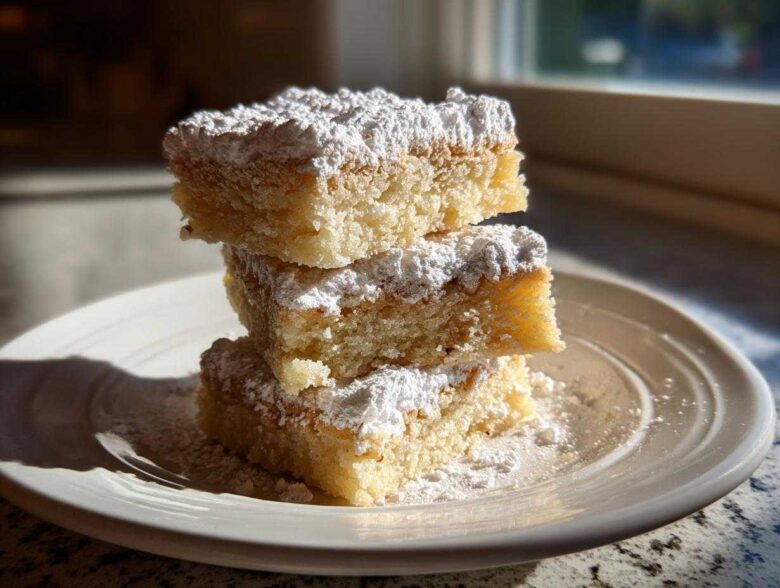
Don’t you just hate when you bite into what looks like a perfect cookie, but it’s hard as a rock? Ugh, the worst! My whole baking mission revolves around avoiding that sad crunch. I live for that moment when something is so tender it practically disappears before you even chew—that true Melt In Your Mouth experience. Seriously, the soft texture in a baked good is everything to me; I remember one time I served homemade shortbread, and my neighbor actually gasped because it crumbled so beautifully on her tongue.
Well, my friends, I’ve cracked the code on the simplest treat imaginable—shortbread—and I’m going to show you how to nail that ethereal texture every single time. These aren’t just good cookies; they are the definition of buttery, fragile deliciousness. Forget complicated steps; this recipe proves you only need four ingredients to achieve cookie perfection!
Why These Shortbread Cookies Melt In Your Mouth (The Secret to Tenderest Recipes)
So, why are these shortbread cookies famous for being one of the Tenderest recipes you’ll ever meet? It really comes down to the fat, darling—all that glorious butter! What makes shortbread magic is the ratio: we use tons of butter and just enough flour to hold it all together. There’s almost no liquid, and zero baking powder or soda, which means no rise, just pure, yielding richness.
This high-fat setup is what guarantees that heavenly, dissolving in mouth sweets feeling. It coats your tongue perfectly, creating those incredibly Buttery smooth recipes we all dream about. If you want to learn more about getting that perfect fluff in other bakes, check out my guide on fluffy buttermilk scones here: fluffy buttermilk scones. My expert tip to ensure this texture? Make absolutely sure your butter isn’t cold from the fridge when you start! It should be soft enough that you can easily press a dent into it, but definitely not greasy or melty. Cold butter messes up the creaming process, resulting in tougher cookies. Trust me, proper butter temperature is the first step toward perfection!
Ingredients for Melt In Your Mouth Shortbread Cookies
You won’t believe how few things we need for this decadence! Keeping the ingredient list short and sweet is part of what makes this recipe so foolproof. When you only have four main players, you need to make sure they are good quality, especially that butter!
Here is exactly what you’ll need laid out clearly, so there are no surprises when you get to mixing:
- 1 cup unsalted butter, softened beautifully to room temperature
- 1/2 cup powdered sugar, and I highly recommend sifting this one
- 1/4 teaspoon salt (don’t skip this, it wakes up the butter flavor!)
- 2 cups all-purpose flour, spooned lightly into the measuring cup and leveled off
That’s it! When you see these simple things sitting on your counter, you know you are about to create something truly special—cookies that feel expensive but take practically no effort at all. Remember, the quality of that butter really shines through in these Silky texture food treats!
How to Prepare Your Melt In Your Mouth Shortbread Cookies
Okay, time to get our hands messy! Making these cookies is practically a three-act play, and the first act is all about incorporating air so we get that true fork tender recipes texture we are after. First things first: get that oven going! Preheat your oven to 325 degrees Fahrenheit. Don’t forget to line your baking sheet with parchment paper right now, trust me, it saves cleanup later. If you are looking for tips on incredibly flaky doughs, my buttermilk biscuit tutorial has some great pointers on handling delicate mixtures: handling delicate doughs.
- In a large bowl, take that softened butter—remember, room temperature—and just beat it until it looks smooth and creamy. No streaks allowed!
- Now, slowly, slowly add in that powdered sugar and the salt. Keep beating until the mixture gets lighter in color and looks fluffy.
- Next, gently mix in the flour. This is where you have to be mindful! We stop mixing the second it comes together into a proper dough.
- Press the dough evenly into that 8×8 inch pan, or if you cut shapes, do that now.
- Take a fork and prick the top everywhere. This lets steam escape and helps keep them from puffing up too much.
- Bake these beauties for about 20 to 25 minutes. You are looking for just barely golden edges.
- Crucially, these have to cool completely in the pan! If you try to cut them hot, they will seriously crumble everywhere.
If you nail that mixing stage just right, you’ll end up with what I call Ultra soft baked goods dough—it should feel rich and yielding, almost like modeling clay, but softer.
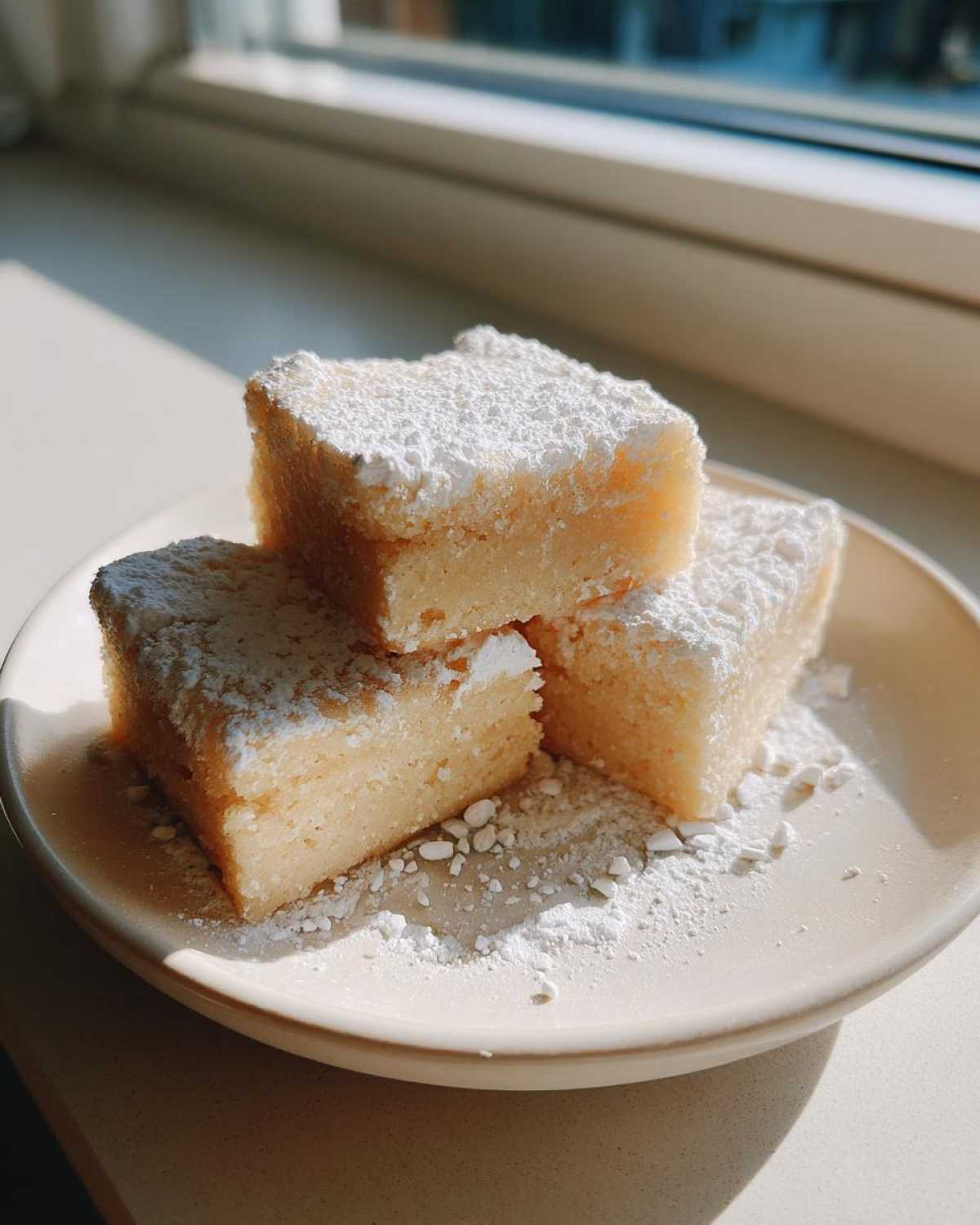
Creaming the Butter and Sugar for Decadent Texture Meals
This creaming step is non-negotiable if you want that Rich and yielding texture. Beating the butter and sugar together whips air into the fat. That trapped air expands in the oven, creating tiny pockets that dissolve on your tongue, giving you that perfect melt-away quality.
Mixing the Dough and Baking for Perfectly Tender Results
When you add the flour, your goal is zero gluten development. That means folding until *just* combined. If you overwork the dough, you create structure, which fights against that Melt In Your Mouth result. Remember that fork prick we talked about? It’s a small step that makes a huge difference in achieving Perfectly tender results!
Tips for Achieving the Best Melt In Your Mouth Texture
Now that you have the recipe down, let’s talk about locking down that amazing texture. It’s all about respecting the butter and being brave with your baking time! If you want these to be the Super soft cookies you’ve only dreamed about, you absolutely have to use room temperature butter. I stressed this before, but it’s worth repeating because it’s how we create those initial tiny air pockets that keep things light and yielding.
Another pro trick I picked up is knowing when to pull them out. Yes, the recipe says 20 to 25 minutes, but if you see only the very edges turning a pale gold, take them out! They keep cooking a bit on the hot pan after you remove them. A slightly underbaked shortbread will always be more tender than one that’s baked until deep golden brown. For ideas on pairing these cookies with a great topping, you might want to check out my guide to cream cheese frosting recipes, although honestly, I prefer them plain for maximum melt factor!
Ingredient Notes and Substitutions for Melt In Your Mouth Shortbread
Since shortbread has so few ingredients, every choice really matters if you are chasing that ultimate soft texture. My biggest focus, naturally, is the butter. You absolutely need the best quality, high-fat European-style butter you can find if you want those cookies to really achieve that Silky texture food quality.
Butter is what carries the flavor and provides the structure that melts so perfectly in your mouth. If you use a butter with a lower fat percentage, you’ll have more water content, and that water can actually encourage a little more gluten activation when mixing, making the final product slightly chewier rather than fragile. Stick to unsalted, high-fat butter!
Now, about the flour. The recipe calls for standard all-purpose flour, and that works great because it offers a medium protein level. If you were to try swapping in a cake flour, you might get an even lighter result, which could be interesting for that dissolving in mouth sweets goal, but you’d have to adjust your creaming time because cake flour is so delicate.
I’ve seen people ask about swapping out the powdered sugar for granulated, and please, don’t do it for this recipe! Powdered sugar is key here because it contains a bit of cornstarch. That little bit of starch helps keep the texture softer and less prone to crystalizing when it bakes. If you tried to use granulated sugar, you’d end up with a crunchier cookie, which is the opposite of what we are making!
Since shortbread is so simple, there aren’t many viable substitutions unless you want to change the fundamental texture. This recipe is designed to be minimal, which is why it’s so fantastic at being perfectly tender!
Storage and Reheating Instructions for Melt In Your Mouth
The joy of these buttery shortbread cookies lasts longer if you store them correctly. Because they are so rich in butter, they are slightly more prone to going stale faster than a standard sugar cookie unless you keep the air out. The number one rule for keeping that gorgeous, fragile texture? Airtight containers only, please!
Once they are completely cooled—and I mean bone cold, which usually takes about an hour after they come out of the pan—layer them between sheets of parchment or wax paper inside an absolutely sealed container. Doing this prevents them from sticking together while ensuring they retain all that marvelous tenderness. Stored this way at cool room temperature, they should stay wonderfully delicious for about five days. Some people find they actually taste even better on day two once the flavors have fully settled!
Now, if you’ve stored them a little too long and they are starting to feel just slightly less fragile than when fresh, don’t panic! We can bring them back to life. I never recommend microwaving baked goods like this—it usually makes them soft initially but then rubbery once they cool down. Instead, try a quick, low-heat warm-up. Pop a square or two onto a baking sheet and warm them in a 300-degree oven for just three to four minutes. This gentle heat reactivates the butter slightly, making them feel almost freshly baked again. It’s like magic for reviving those comfort food texture moments!
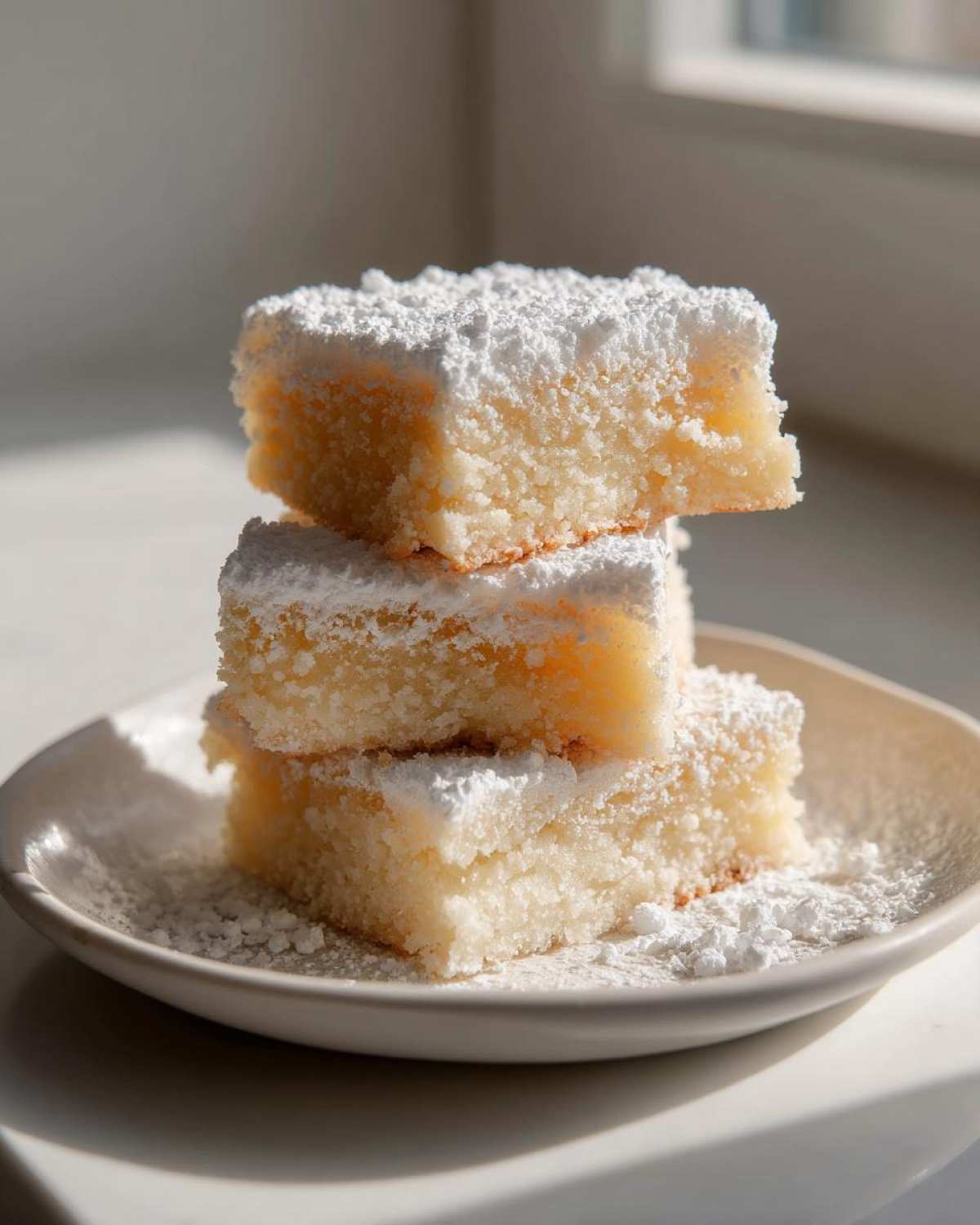
If you’re making a huge batch and realize you won’t get through them within the week, these freeze beautifully, too! Wrap tight batches in plastic wrap, then pop them into a freezer-safe bag. They’re great for grabbing a quick treat later. If you are looking for other treats that promise amazing moisture retention, you can always check out my recipe for moist date nut bread—it uses similar principles to keep things rich over time.
Variations on Melt In Your Mouth Shortbread Cookies
Part of the fun of having such a reliably perfect base recipe is knowing you can dress it up a little bit without worrying about ruining that incredible, tender crumb. Since we’ve built these cookies on a foundation of pure butter that guarantees a Melt In Your Mouth experience, we can play with the flavor profiles slightly. These are still fantastic, Soft texture desserts, just with a little extra pizzazz!
For a simple, zesty twist that feels like sunshine, try adding the zest of one whole lemon or an orange right into the butter and sugar when you cream them together. The citrus oils infuse the fat, and when the cookie melts, you get this amazing burst of fragrant flavor right alongside the butter. It’s subtle, but wow, is it good! If you want to see a delicious way to dress up shortbread after it’s baked, check out my chocolate-dipped orange shortbread idea here: chocolate-dipped orange shortbread.
Another variation I absolutely adore involves switching out just a portion of the flour. Try swapping out a half-cup of the all-purpose flour for finely ground almonds or pecans. You have to grind them down until they are almost like a coarse flour themselves—this adds a beautiful nutty depth, and the nut fats actually support the tender texture instead of fighting it. It makes the cookies even richer, leaning into that Rich and yielding texture perfectly.
And for the bold bakers: brown butter! Before you start, melt all your required butter in a saucepan over medium heat until the milk solids toast and smell nutty—that takes about five to seven minutes. Then, you have to cool it *slightly* so it’s still liquid but not hot, and proceed with the recipe as normal. Brown butter brings such a deep, caramel flavor to the surface, elevating this simple treat into something truly decadent. It truly emphasizes the buttery smoothness without sacrificing the tenderness one bit!
Frequently Asked Questions About Achieving Melt In Your Mouth Texture
I always get so many questions when people try this recipe for the first time. It seems too simple to be this good, right? Most of the confusion always circles back to that glorious texture—how to guarantee it melts away just right. Here are the most common things folks ask me!
What makes shortbread so incredibly tender?
It’s science, sugar, and fat working beautifully together! What makes these shortbread cookies so tender is the extreme ratio of fat (butter) to flour. We use very little flour and absolutely no rising agents. The butter coats the flour particles, preventing strong gluten development, which results in a cookie that is rich, fragile, and crumbly—perfect for that Melt In Your Mouth goal. If you want to see how other recipes use fat to create tender results, check out my guide on soft, fluffy naan bread!
Can I use salted butter instead of unsalted butter?
You certainly can, but you must adjust the added salt! I always prefer starting with unsalted butter because it lets me control the sodium myself. If you use salted butter, just leave out the 1/4 teaspoon of salt called for in the recipe. Remember, salt is important for flavor balance, but too much will compete with the sweetness and change the overall perception of those Soft texture desserts.
My cookies spread out flat! What did I do wrong?
Oh man, I hate when that happens! Flatness usually means one of two things. First, your butter was too warm—greasy rather than just soft—which caused the dough to spread quickly as it baked. Second, you might have added too much flour when measuring. Always spoon your flour lightly into the cup rather than scooping directly from the bag. Flattening the dough with a fork before baking also helps anchor it down for Perfectly tender results.
Do I really need to use powdered sugar instead of granulated sugar?
Yes, absolutely, you do! For that dissolving in mouth sweets texture, powdered sugar is non-negotiable. Granulated sugar crystals are large and will create a slightly grittier, crunchier cookie because they don’t dissolve as quickly during the short baking time. Powdered sugar is already extremely fine, and it often contains a little cornstarch, which naturally helps keep baked goods softer and richer!
How long does it take for the cookies to truly ‘Melt In Your Mouth’ once baked?
This is the hardest part, I know! While they are edible warm, they won’t have that signature texture yet. They need time to cool completely so the butter firms up slightly again. Once they are room temperature, they are ready, but let them rest maybe an hour after cooling just to set their structure. That first bite when they yield perfectly? That’s when you know they are ready to deliver that Buttery smooth recipe experience!
Estimated Nutritional Data for Your Melt In Your Mouth Treat
Now, I know we aren’t baking these because they are low-calorie—we’re baking them because they are pure, buttery joy! But I always like to give you a rough idea of what you’re looking at, just so you know what you’re diving into when you reach for that second square.
Remember, since these are rich, decadent treats designed to be Melt In Your Mouth perfection, they do have a higher fat content, which is exactly what makes them so incredible. This data is an estimate serving size of just one square (assuming it’s cut from a full 16-square batch) using standard ingredient brands. Your results might vary slightly based on how thickly you spread the dough or how much powdered sugar you dust on top!
For easy reference, here is the breakdown:
- Serving Size: 1 square
- Calories: Approximately 180
- Fat: 12 grams (That’s where the flavor lives!)
- Saturated Fat: 7 grams
- Carbohydrates: 16 grams
- Sugar: 5 grams
- Protein: 2 grams
- Sodium: 50 mg
Seriously, look at that fat content and know that it’s translating directly into that luxurious, buttery smooth texture we worked so hard to achieve. Enjoy every single bite of that rich, yielding texture—you definitely earned it!
PrintMelt In Your Mouth Shortbread Cookies

A simple shortbread recipe that yields cookies with an incredibly tender, buttery texture that dissolves easily when eaten.
- Prep Time: 15 min
- Cook Time: 25 min
- Total Time: 40 min
- Yield: 16 squares
- Category: Dessert
- Method: Baking
- Cuisine: American
- Diet: Vegetarian
Ingredients
- 1 cup unsalted butter, softened
- 1/2 cup powdered sugar
- 1/4 teaspoon salt
- 2 cups all-purpose flour
Instructions
- Preheat your oven to 325 degrees Fahrenheit. Line a baking sheet with parchment paper.
- In a large bowl, cream the softened butter until smooth.
- Gradually add the powdered sugar and salt to the butter, beating until light and fluffy.
- Slowly mix in the flour until a soft dough forms. Do not overmix.
- Press the dough evenly into an 8×8 inch baking pan or roll out and cut shapes.
- Prick the surface of the dough several times with a fork.
- Bake for 20 to 25 minutes, or until the edges are lightly golden.
- Let the cookies cool completely in the pan before cutting into squares or removing shapes.
- Dust with extra powdered sugar before serving, if desired.
Notes
- For the softest texture, use room temperature butter.
- Chilling the dough for 30 minutes before baking can help maintain sharp edges if cutting shapes.
- Baking time is crucial; underbaking slightly results in a more tender cookie.
Nutrition
- Serving Size: 1 square
- Calories: 180
- Sugar: 5
- Sodium: 50
- Fat: 12
- Saturated Fat: 7
- Unsaturated Fat: 5
- Trans Fat: 0
- Carbohydrates: 16
- Fiber: 0
- Protein: 2
- Cholesterol: 25